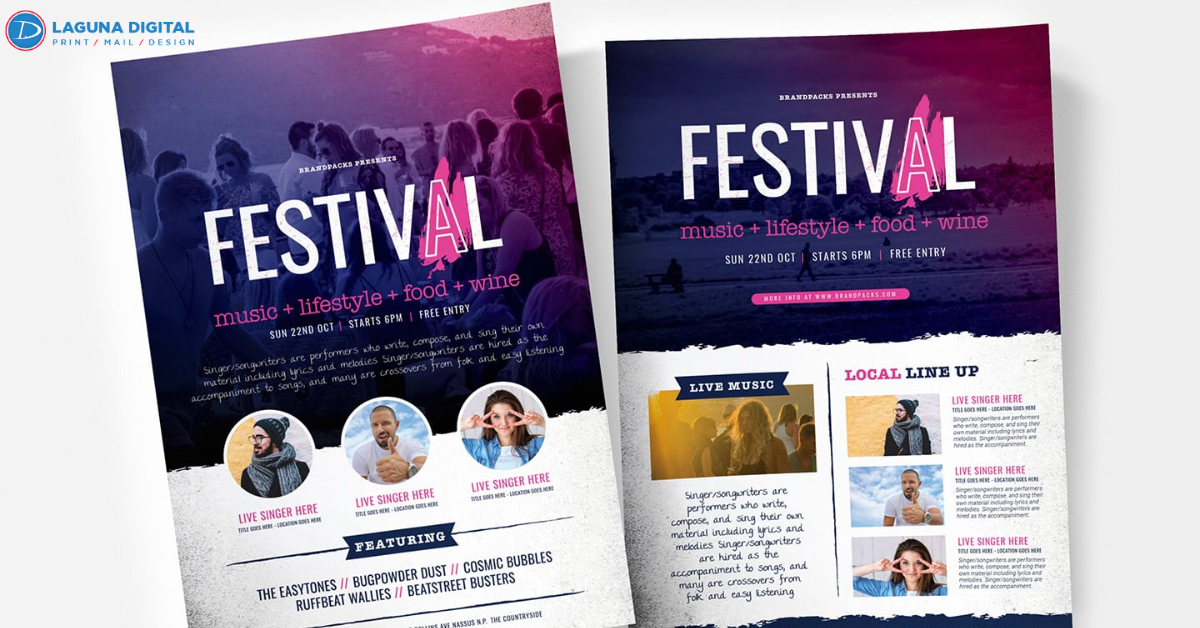
Digital age, the tactile experience of a physical flyer remains a powerful marketing tool. Whether you are promoting a concert, a grand opening, or a corporate seminar, the physical quality of your promotional material speaks volumes about your brand before the reader even processes the text. Choosing the right paper stock and finish is not just a technical detail; it is a design decision that directly influences conversion rates.
To ensure your campaign stands out, partnering with a printing expert like Laguna Digital can make the difference between a flyer that gets kept and one that gets tossed. This guide explores the essential paper types, weights, and finishes you must use to create high-impact event flyers.
Why Paper Quality Dictates the Success of Your Marketing Campaign
When a potential attendee holds your flyer, they immediately judge the quality of the event based on the quality of the paper. Flimsy paper suggests a budget event, while sturdy, textured cardstock implies exclusivity and professionalism.
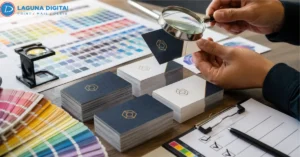
To maximize engagement, you need to move beyond standard copier paper. Investing in premium custom flyers ensures that your visuals pop and your brand message feels substantial. High-quality paper holds ink better, prevents show-through on double-sided prints, and survives the journey from a mailbox to a kitchen counter.
Choosing the Best Paper Weights for Durable Promotions
One of the most common questions regarding flyer printing is selecting the right weight. Paper weight is typically measured in pounds (lb) or points (pt). Understanding the difference is crucial for the longevity of your handout.
70lb to 100lb Text Stock: Cost-Effective and Flexible
Text stock is the standard for mass distribution. It is lightweight, easy to fold, and affordable. However, for a high-impact event, you generally want to aim for 100lb Gloss Text. It offers a substantial feel without being rigid, making it perfect for street marketing campaigns.
14pt and 16pt Cardstock: The Premium Standard
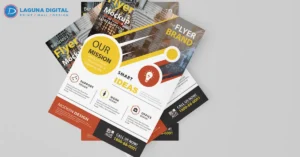
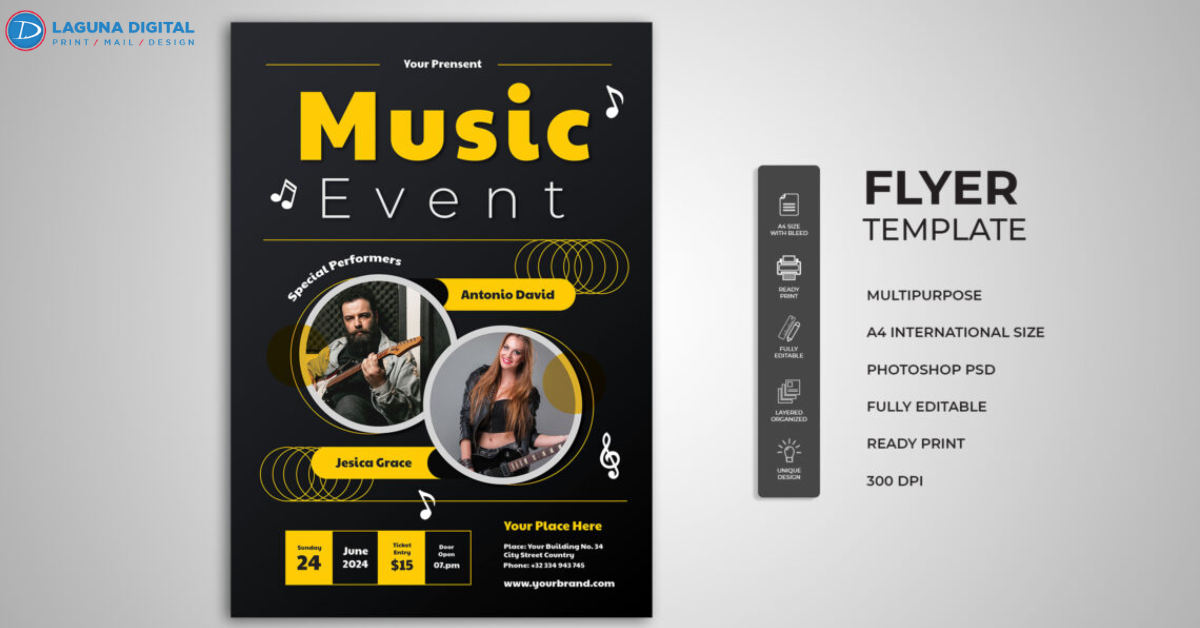
For VIP invites, club nights, or luxury real estate open houses, you need rigidity. Heavy cardstock prevents the flyer from bending easily. If you are designing specialized event flyers, opting for a 14pt or 16pt stock provides a postcard-like quality that demands attention and withstands wear and tear.
Top Paper Finishes: Glossy, Matte, and Uncoated Options Explained
Once you have selected the weight, the finish is the next critical variable. The finish affects how light reflects off the paper and how colors appear to the human eye.
High-Gloss Finish for Vibrant Visuals
Glossy paper is the go-to for designs featuring photography and bright colors. The shiny coating reflects light, making images appear sharper and colors more vibrant. If your flyer relies heavily on professional photo printing techniques to showcase food, venue interiors, or product shots, a high-gloss finish will ensure those images look appetizing and crisp.
Matte Finish for Sophisticated Readability
Matte finishes are non-reflective. They are excellent for text-heavy designs or events that require a more subdued, elegant aesthetic. A matte finish softens the contrast, making the typography easier to read under bright lights. It creates a modern, sophisticated look often used by tech conferences and boutique galleries.
Uncoated Stock for a Natural, Organic Feel
Uncoated paper has no extra layer of coating, leaving the wood fibers exposed. This provides a rougher texture that feels organic and authentic. It is the perfect choice for eco-friendly brands or events focusing on sustainability.
Coordinating Flyers with Large-Format Banners and Posters
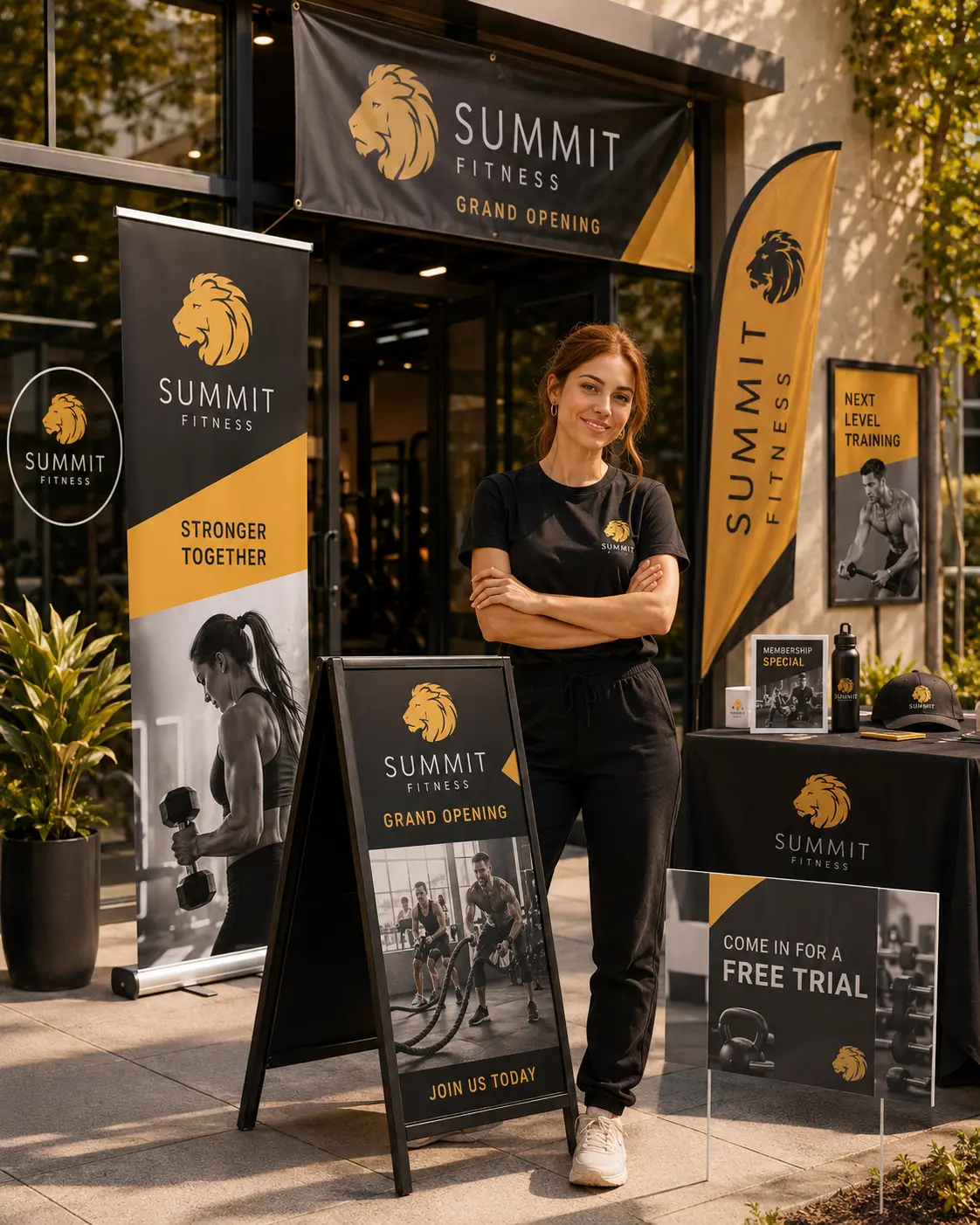
An effective event marketing strategy rarely relies on flyers alone. To create a cohesive visual environment, your flyer design should match your on-site signage.
When you distribute high-quality flyers, reinforce that messaging at the venue with matching visuals. Utilizing banners, posters, and signs that share the same paper quality cues and color profiles as your handouts creates a seamless brand experience. For example, if your flyers utilize a high-gloss finish, your event posters should also feature a semi-gloss or gloss finish to maintain consistency.
Beyond the Flyer: Utilizing Heavy Stock for Reminder Cards
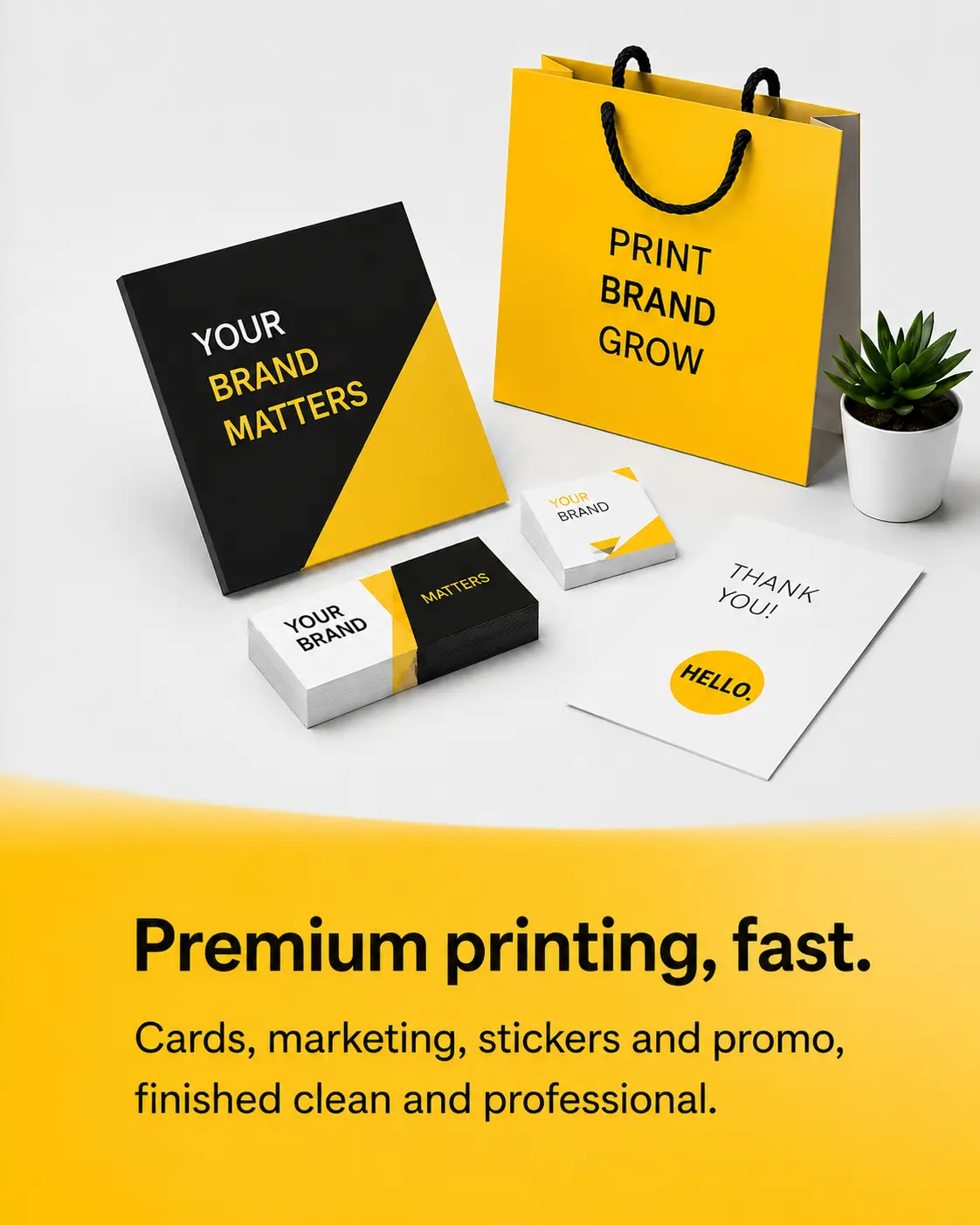
Sometimes, a standard flyer is too large for a client to keep in their wallet. A high-impact strategy often involves pairing a standard flyer with a smaller, functional item.
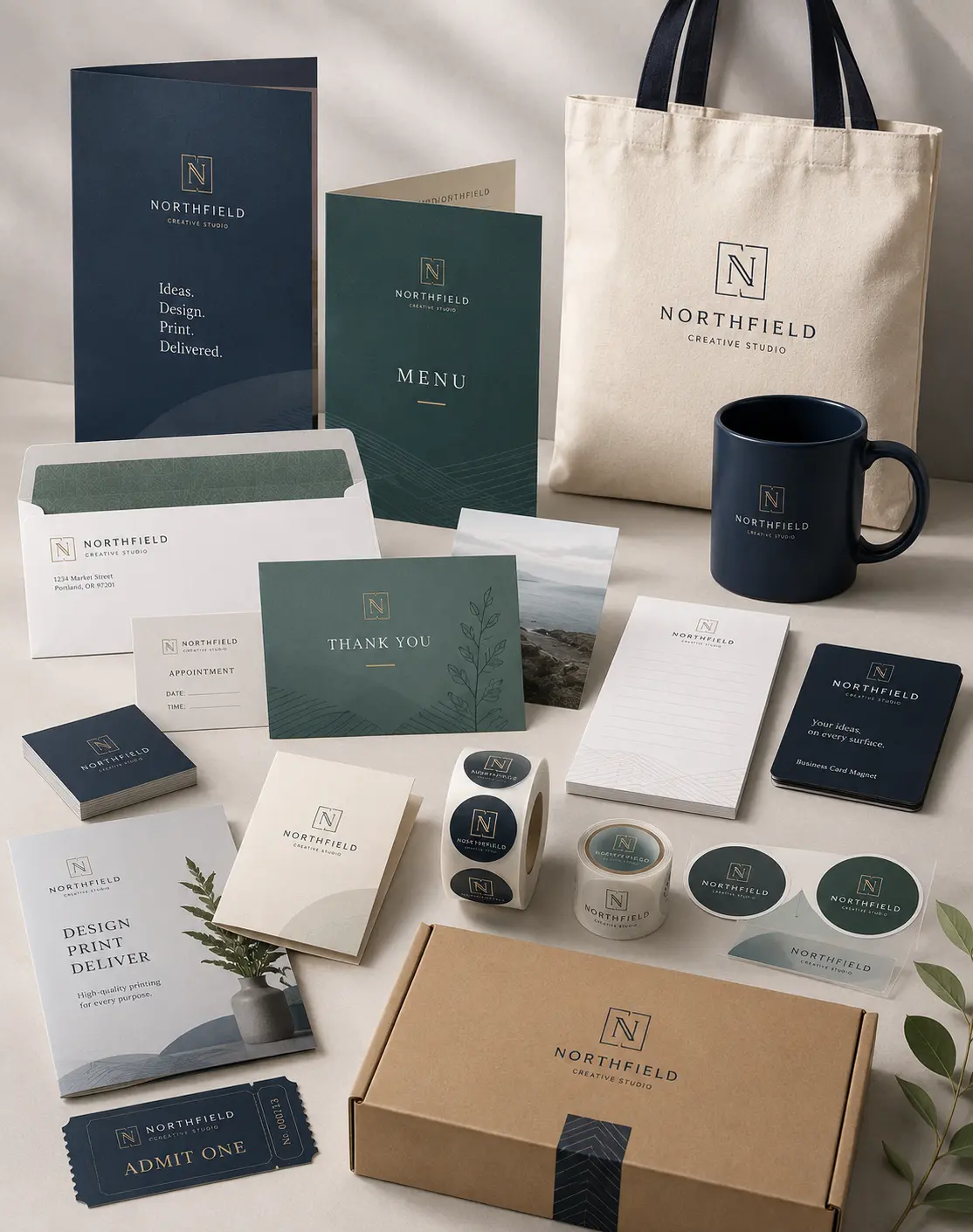
If you are running a service-based event, such as a salon pop-up or a consultancy workshop, consider printing companion pieces on heavy cardstock. These can double as custom appointment cards or save-the-date reminders. Because these are functional, recipients are more likely to hold onto them, keeping your brand top-of-mind long after the initial interaction.
Why Professional Digital Printing Elevates Your Brand Image
While DIY home printing might seem tempting for small batches, it cannot replicate the calibration and finish options of industrial digital presses. Professional printers utilize color management systems that ensure your “Coca-Cola Red” or “Facebook Blue” prints accurately every time.
By utilizing Laguna Digital printing services, you gain access to cutting-edge technology that allows for crisp text, bleed-edge printing (where the ink goes to the very edge of the paper), and specialty finishes like UV coating or soft-touch lamination that are impossible to achieve on office equipment.
FAQs
What is the difference between “text” weight and “cover” weight paper?
Text weight paper is thinner and flexible, similar to magazine pages or standard printer paper. Cover weight (often called cardstock) is thicker and rigid, similar to a business card or postcard.
Which paper finish is best for a flyer with a lot of text?
A matte or uncoated finish is best for text-heavy flyers. Glossy coatings can create glare under bright lights, making small text difficult to read.
Does paper thickness affect the cost of printing event flyers?
Yes, generally, thicker paper (higher point or pound weight) is more expensive than thinner stock. However, the investment in thicker paper often yields a higher return on investment due to higher perceived value.
Can I write on glossy paper?
It is difficult to write on high-gloss paper with a standard ballpoint pen as the ink may smear. If you need people to fill out a form on the flyer, choose a matte or uncoated finish.
What is UV coating on a flyer?
UV coating is a liquid coating applied to the printed paper and cured with ultraviolet light. It creates a super-high-gloss shine and adds a layer of protection against scratching and fading.
What is the standard size for an event flyer?
The most common sizes are 4″ x 6″, 5″ x 7″, and 8.5″ x 11″. The 4″ x 6″ and 5″ x 7″ sizes are popular for handouts and club promoters, while 8.5″ x 11″ is standard for bulletin boards and corporate sheets.
How do I ensure my photos look good on the flyer?
Always use high-resolution images (at least 300 DPI). Low-resolution images from the web will appear pixelated or blurry when printed, regardless of the paper quality.
Conclusion
Selecting the right paper type and finish is a subtle art that yields significant results. From the vibrancy of a glossy finish to the authority of 16pt cardstock, every choice communicates something about your event. Don’t let your design efforts go to waste on inferior stock.
For more insights on design trends, printing tips, and marketing strategies, be sure to visit the Laguna Digital blog to stay ahead of the competition.