

We have all experienced that specific sinking feeling. It usually happens at 8:30 AM on a Monday, right before a critical client meeting, or late at night during finals week. You hit print on your home or office machine, and instead of a crisp document, you get a paper jam, a low toner warning, or a page covered in faint, streaky lines. In my years working in the print industry, I have seen countless clients walk through our doors with that exact look of stress, looking for a solution that simply works without the hassle.
Whether you are a university student stretching a tight budget or an office manager handling high-volume documentation, finding a reliable Photocopy Shop is about more than just putting ink on paper. It is about reliability and peace of mind. It is knowing that your documents will look professional, arrive on time, and represent your hard work accurately. In this guide, I want to walk you through what separates a standard copy from a professional service and how to choose the right partner for your specific needs.
Why Professional Printing Matters for Business Efficiency
There is a common misconception that professional printing services are only necessary for massive marketing campaigns or large-scale advertising. However, day-to-day documentation is where businesses often lose the most time and money. While an office printer is fine for a quick internal memo, it struggles with volume, color consistency, and complex finishing options. When you rely on a small machine for a big job, you are paying for slower speeds and higher ink costs per page.
When you partner with a professional provider, you aren’t just paying for the paper; you are paying for calibration and consistency. We ensure that the specific blue in your company logo prints as your actual brand color, not a washed-out purple variant. Understanding the importance of professional printing can transform how your business serves its clients, ensuring that every proposal and report looks authoritative.
Essential Services for Students: Deadlines and Dissertations
For students, the printing priority list is almost always a combination of price, speed, and presentation. I recall working with a frantic architecture student who needed a portfolio printed on heavy cardstock, something the university library printers simply couldn’t handle without jamming. A good shop understands that students often have unique format requirements and strict deadlines that cannot be moved, even by an hour.
Beyond simple A4 copies, students often need specialized services to make the grade. If you are submitting a dissertation or a final year project, the physical presentation is the first thing a professor sees. High-quality Book Printing services allow you to turn a loose stack of papers into a thermally bound or spiral-bound document that looks neat and organized. Additionally, students often need to digitize handwritten notes or old textbook pages; professional Scanning services can convert these physical piles into searchable digital files for easier study.
High-Volume Solutions for Modern Offices
In the corporate world, time is the most expensive resource you have. I often see office managers wasting valuable hours standing over a slow copier, fixing jams, and manually folding hundreds of brochures. This is inefficient. A dedicated print partner acts as an extension of your office, handling bulk jobs so your team can focus on their actual revenue-generating work.
Modern offices require a seamless blend of physical production and digital speed. For your outbound documents, utilizing high-speed Digital Printing ensures that even a run of 1,000 training manuals can be produced in a fraction of the time it would take in-house. Furthermore, by exploring strategic print shop solutions, businesses can set up streamlined workflows where files are sent digitally and finished products are delivered to the front desk.
The Importance of Finishing: Lamination and Binding
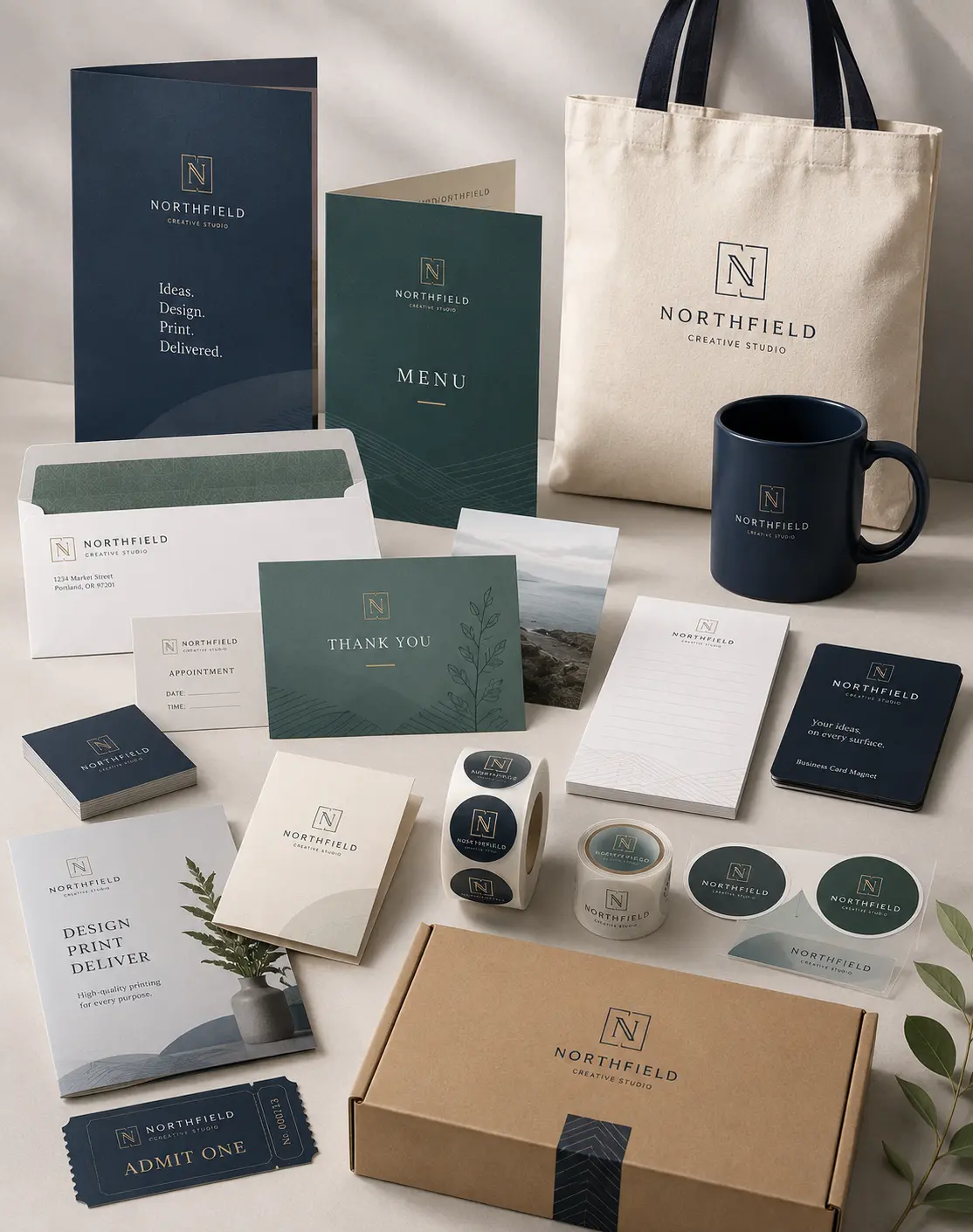
The printing process does not end when the paper leaves the machine. In my experience, the “wow factor” usually comes from the finishing touches that protect and enhance the document. Have you ever handed someone a business card, a menu, or an instruction sheet that felt flimsy and got stained immediately? That is a lack of protection, and it reflects poorly on the brand.
For items that will be handled frequently, like restaurant menus, ID cards, or reusable reference guides, professional Lamination is essential. It adds rigidity and makes the document waterproof and wipeable. Similarly, knowing which paper weight to choose glossy for photos, matte for text is where a print shop’s expertise becomes invaluable. We help you make choices that increase the longevity of your materials so you don’t have to reprint them a week later.
Expanding Beyond Documents: Marketing and Photography
While students and offices need standard documents, there is often a crossover into visual aids and marketing materials. A law firm might need standard copies today but high-quality headshots for a website tomorrow. A student might need a thesis bound today but a portfolio of photography printed next week. Standard office copiers fail to capture the depth of color required for these tasks.
A versatile shop handles this transition seamlessly. When you need crisp imagery, specialized Photo Printing ensures high resolution and color accuracy that brings images to life. Even simple marketing items like direct mail can be elevated. For example, a well-designed Postcard is a classic, tangible way to reach local clients. A professional shop can handle the heavy cardstock consistency that home printers cannot, ensuring your mailer arrives in pristine condition.
Preparing for the Future of Print
The printing industry is not static; it is constantly evolving to become faster, greener, and more integrated with digital technologies. As we look ahead, businesses that stay updated on future print trends will have a competitive advantage. This might mean using sustainable papers or incorporating QR codes into printed materials for digital integration.
Common Mistakes to Avoid When Ordering Copies
Over the years, I have seen the same file issues crop up repeatedly, causing delays and frustration for clients. The most common mistake is formatting. Clients often bring in Word documents, unaware that the formatting can shift when opened on a different computer. Always save your file as a PDF before bringing it to a shop. This locks your fonts and margins in place, ensuring what you see is what we print.
Another frequent issue involves image resolution. If you grab a logo from a website and try to print it on a large poster, it will look pixelated or blocky. Web images are usually 72 DPI (dots per inch), while print requires 300 DPI. A good print provider will flag this for you before running the job, saving you the cost of a bad print run. We act as your quality control to ensure you don’t waste money.
FAQs
What is the difference between standard photocopying and digital printing?
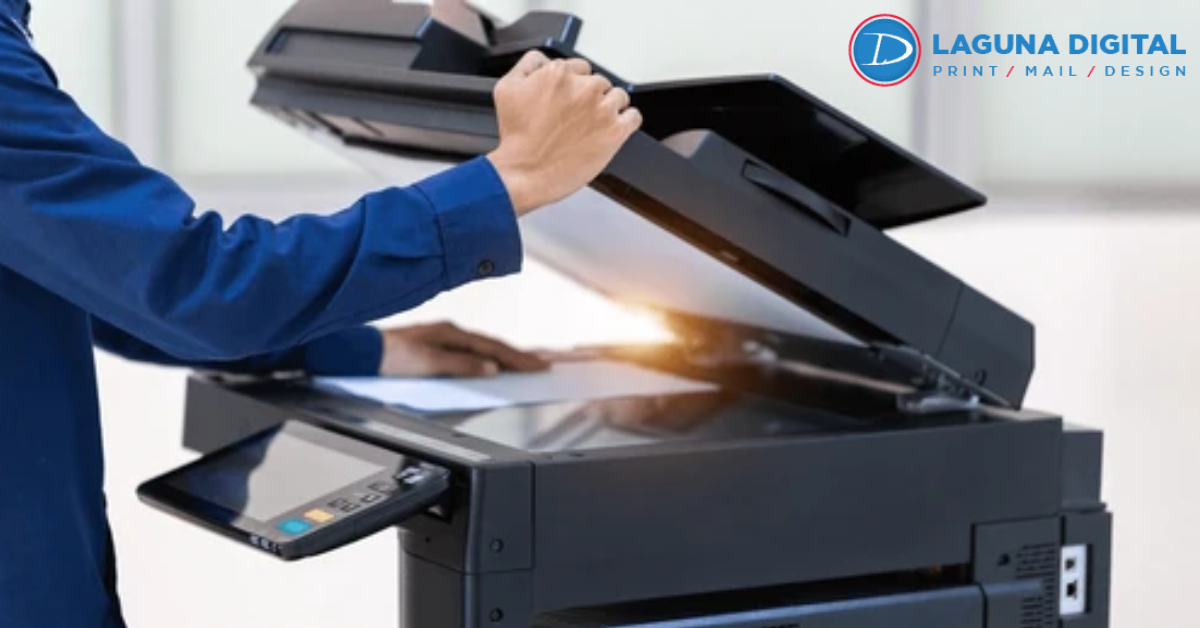
Photocopying is generally a quick duplication of an existing physical document using a scanning glass. Digital printing involves sending a digital file directly to a high-end press. Digital printing offers much higher quality, better color accuracy, and the ability to customize variable data (like changing names) on each page.
How can I reduce the cost of my bulk printing order?
The most effective way to reduce costs is to print in black and white rather than color, as color toner is significantly more expensive. Additionally, choosing a standard paper weight (like 80gsm) instead of premium cardstock for internal documents can save money. Always ask about volume discounts if you are printing more than a few hundred copies.
Why do my colors look different on paper than they do on my screen?
Screens emit light using the RGB (Red, Green, Blue) color model, which can appear very bright. Printers use the CMYK (Cyan, Magenta, Yellow, Black) process, which relies on ink absorbing light. Because of this physical difference, colors can appear slightly darker or less neon on paper. A professional shop can help adjust your files to match as closely as possible.
How long does a typical binding or lamination job take?
For small jobs, such as a single student thesis or a few laminated certificates, we can often finish them while you wait or within a few hours. However, for bulk orders involving hundreds of booklets, the process usually takes 24 to 48 hours to ensure the glue sets properly and the quality is consistent.
Conclusion
Finding the right photocopy shop is about more than just locating the nearest store with a machine. It is about finding a partner who understands the pressure of a student deadline and the quality standards of a corporate boardroom. Whether you need a single crisp copy of a resume or a thousand bound manuals for a training seminar, professional equipment and expertise make all the difference.
By avoiding common file mistakes, utilizing finishing services like binding and lamination, and trusting experts with your volume work, you can ensure your documents command the respect they deserve. If you are ready to elevate your printing quality and leave the stress of paper jams behind, visit to see how we can support your next project with speed and precision.