
The content is brilliant, the data is solid, but the presentation itself exists only as a loose stack of papers fresh off the office laser printer. Handing a potential investor or a legal team a clipped stack of paper sends the wrong message; it suggests a lack of preparation or care. In the business world, the tactile experience of a document often speaks just as loudly as the words printed on the page.
This is the exact moment when panic usually sets in, but it is also where a professional print partner becomes your best asset. Utilizing a Same Day Binding service transforms that chaotic stack of paper into a polished, professional booklet that commands authority. Over the years, I have seen business owners walk through the door visibly stressed, only to leave an hour later with a sense of relief and a product that looks like it took weeks to produce. Speed does not have to mean sacrificing quality if you know which options to choose.
In this guide, I want to walk you through the reality of rush binding. We will look at what is actually possible within a few hours, the most common mistakes clients make when rushing files, and how to choose the right binding style that balances durability with that critical professional aesthetic.
The Reality of Rush Deadlines: Why Presentation Matters
In the digital age, physical documents have become a premium asset. When you hand someone a bound document, you are giving them something tangible to focus on, removing the distractions of email notifications and popping slack messages. However, the need for these documents often arises abruptly. Legal discovery deadlines, unexpected RFP requests, or last-minute conference changes are the norm, not the exception.
The challenge with rush jobs is that they leave zero margin for error. If a machine jams or the alignment is off, there isn’t time for a reprint. This is why attempting to bind documents in-house using a cheap office store machine often leads to frustration. Professional binderies utilize heavy-duty equipment that punches through high-gsm paper cleanly and crimps coils perfectly every time.
Furthermore, before the binding can even happen, the pages must be perfect. We often pair binding with high-speed digital print services to ensure that the interior pages are crisp, smudge-free, and printed on high-quality stock that elevates the perceived value of the document. The print and the bind must work in harmony; a great bind cannot save a poor print, and a bad bind ruins a great print.
Choosing the Best Binding Style for Same-Day Turnaround
Not all binding methods are created equal, especially when you are racing against the clock. While we all love the look of a library-quality hardcover book, that process involves glues that require significant curing time often 24 to 48 hours to ensure pages don’t fall out. When you need it today, you need mechanical binding methods.
Mechanical binding involves punching holes in the paper and securing it with a spine. It is fast, durable, and lay-flat, which makes it ideal for meetings where people need to take notes. Below are the top contenders for same-day services that don’t compromise on a professional look.
Plastic Coil (Spiral) Binding for Durability
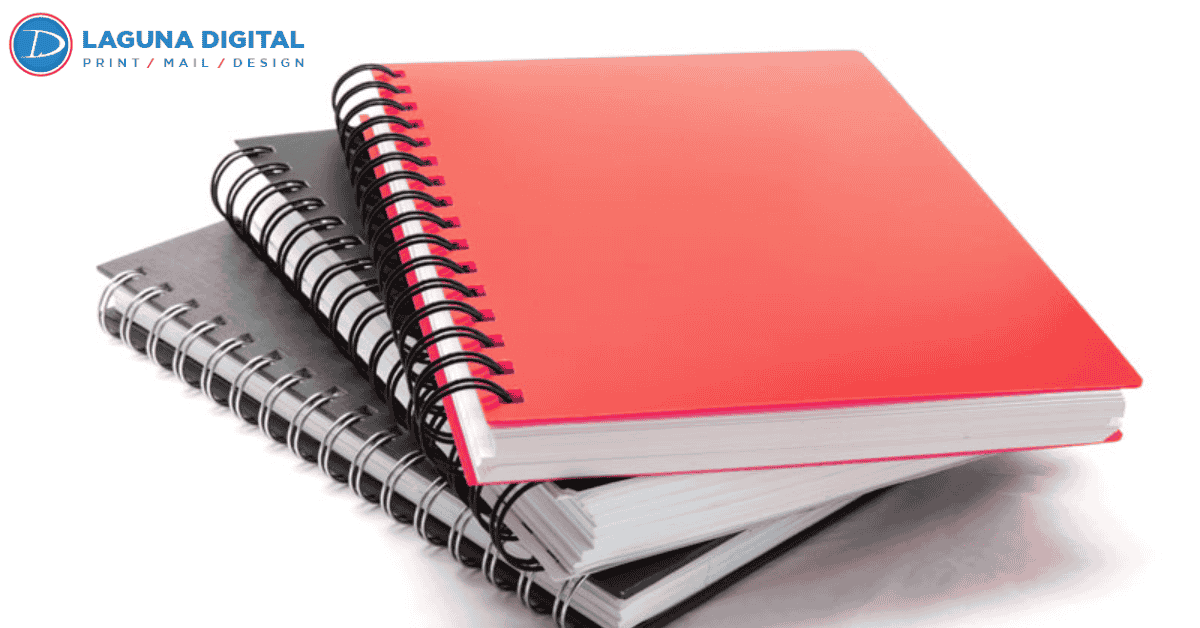
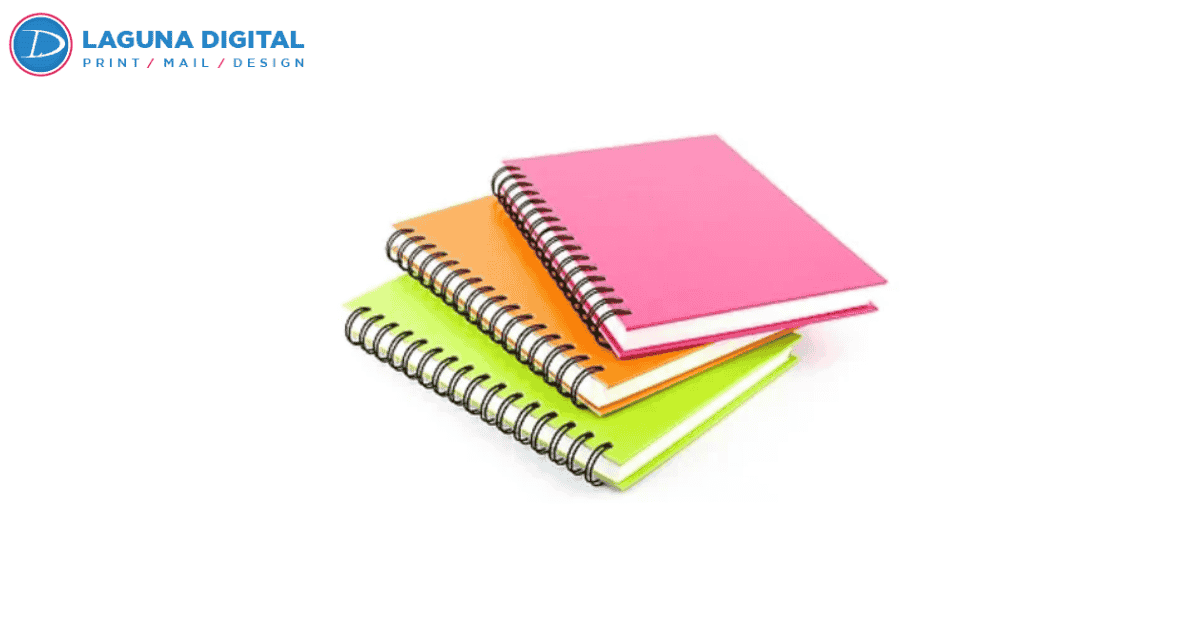
Plastic coil, often called spiral binding, is the workhorse of the industry. It involves running a continuous plastic PVC coil through closely spaced round holes. I often recommend this for training manuals, restaurant menus, or creative directories because the coil is virtually crush-proof. If you mail these documents or stuff them into a crowded laptop bag, the coil springs back into shape.
Another advantage of coil binding is the page count flexibility. We can bind a document that is 10 pages thick or one that is 400 pages thick with equal ease. It allows the book to open a full 360 degrees, meaning the reader can fold the book back on itself a crucial feature for reference materials used in cramped spaces.
Wire-O Binding for Executive Presentations
When you need to impress, Wire-O (or Twin Loop) binding is the gold standard for rush jobs. This method uses a C-shaped double-wire spine that is squeezed shut to form a round loop. It looks much more sophisticated than plastic and is standard for architectural proposals, real estate pitch decks, and financial reports.
While it looks incredible, it is slightly more delicate than plastic coil. If you step on a wire-bound book, the wire will bend and won’t bounce back. However, for a boardroom setting where the document is treated with respect, the aesthetic is unbeatable. For clients looking for a more permanent, published look but have a bit more lead time, we might discuss book printing solutions, but for same-day executive needs, Wire-O is the king.
The Importance of Finishing: Covers and Tabs
A bound document is more than just the spine holding it together; the front and back covers are what provide rigidity and protection. For a same-day job, you generally have two main options: clear acetate/vinyl covers or heavy cardstock.
I almost always recommend a clear plastic front cover with a heavy vinyl or leatherette back cover. The clear front allows your title page to shine through, essentially acting as the cover art. The heavy back cover provides a firm surface to write on if the client is holding the document in their lap.
To further protect your documents, especially if they are going to be handled frequently, adding a layer of protective lamination to the cardstock covers is a smart move. Lamination adds a layer of plastic that prevents tearing and protects against coffee spills a genuine hazard in conference rooms.
Additionally, if your document is sectioned say, a financial report with Q1, Q2, and Q3 data using banks of tabs is essential for navigation. While custom-printed tabs usually take longer, professional print shops stock standard numeric or blank tabs that can be inserted into same-day jobs to organize the reader’s experience instantly.
Essential File Preparation Tips for Rush Orders
The biggest bottleneck in same-day binding isn’t the binding machine; it is the file preparation. I have seen countless projects delayed because the text was too close to the edge of the paper. When we punch the holes for the binding coil, we cut about 1/4 to 3/8 of an inch into the sheet. If your text or page numbers are in that danger zone, they will be punched out.
Here is a checklist to ensure your file flies through production:
- Margins: Ensure you have at least a 0.5-inch margin on the binding side (usually the left).
- Bleeds: If you have images that go to the edge of the page, include a 1/8 inch bleed so we can trim it perfectly.
- PDF Format: Always save as a PDF. Word documents can shift fonts and formatting when opened on a different computer.
- Image Quality: Ensure your charts and photos are high resolution (300 DPI). If your presentation relies heavily on visuals, utilizing professional photo print quality ensures that your images are sharp and vibrant, rather than grainy and dull.
Sometimes, clients don’t even have a digital file; they have a hard copy that has been marked up or pasted together. In these cases, we have to start by digitizing the paperwork. Modern document scanning technology allows us to rapidly convert physical stacks into clean digital files, which we can then clean up and reprint before binding.
Future-Proofing Your Business Documents
As we look toward the future of business communications, the tangible document remains relevant because of its permanence. While digital trends move fast, the authority of a well-bound “leave-behind” document at a meeting is undeniable. It serves as a physical reminder of your proposal long after the projector has been turned off.
We are constantly monitoring the evolution of print technology to offer faster, more sustainable, and higher-quality options. Keeping an eye on printing trends for 2026 ensures that we are offering the most modern binding and finishing techniques available, helping your business look cutting-edge.
FAQs
Is same-day binding significantly more expensive than standard turnaround?
Generally, there is a rush fee associated with same-day services because we often have to interrupt other scheduled production runs to prioritize your job. However, the cost is usually a small fraction of the value of the meeting or contract you are preparing for. The peace of mind and the professional presentation are well worth the investment.
Can I bring in my own pages that I printed at home for you to bind?
Yes, most professional shops will bind pre-printed pages. However, be aware that home inkjet paper is often lightweight and can tear during the punching process. We always recommend letting us inspect the paper first. If the paper is too thin or the grain direction is wrong, the book might not lay flat. We can advise you if re-printing on professional stock is the safer option.
What is the maximum number of pages you can bind in a single day?
For plastic coil binding, we can handle documents up to about 2 inches thick (roughly 400+ sheets of standard paper). Wire-O binding has a slightly lower capacity, usually maxing out around 1 to 1.25 inches. If your document is massive, we might suggest splitting it into Volume 1 and Volume 2, which actually makes it easier for your reader to handle.
Conclusion
The difference between a loose stack of papers and a professionally bound document is the difference between an idea and a finished product. Same-day document binding is not just a logistical service; it is a tool that empowers business owners to meet strict deadlines without looking unprepared. Whether you choose the durability of a plastic coil or the executive sleekness of Wire-O, the result is a document that demands respect.
Don’t let a tight deadline compromise your professional image. By understanding the options and preparing your files correctly, you can turn a last-minute panic into a polished victory. For those in need of reliable, high-quality service, Laguna Digital is here to ensure your documents look as professional as you are.