
There is a distinct emotional weight attached to an original piece of art. Whether you are the artist who spent months layering oils on a canvas, or a collector who finally acquired a piece that speaks to your soul, that physical object is irreplaceable. However, in our years of working with creatives and gallery owners, we have seen how fragile these masterpieces truly are. Accidents happen, sunlight fades pigments, and humidity warps substrates.
This is where the conversation shifts from simple copying to preservation. High-quality Art Reproduction is effectively an insurance policy for your creativity. It allows the visual impact of the work to exist in multiple places simultaneously while the original remains safely stored or displayed in a controlled environment. By creating a museum-grade digital archive and archival prints, we aren’t just making duplicates; we are securing the legacy of the artwork against the inevitable wear and tear of time.
The Hidden Risks Facing Your Original Masterpieces
Many artists and collectors underestimate the environmental factors working against their art every day. We often see clients bring in older watercolors or mixed-media pieces that have suffered significant UV damage simply from hanging near a window for a few years. Once that pigment is gone, it is incredibly difficult, if not impossible, to restore the piece to its former vibrancy without altering the artist’s original strokes.
Beyond light damage, physical handling poses a massive risk. Every time an original painting is transported to an art fair, a gallery show, or a potential buyer’s home, the risk of puncture, scratching, or frame damage increases. By relying on high-fidelity reproductions for display in high-traffic areas or for transport to shows, you keep the master copy safe. It minimizes physical contact with the original, ensuring it stays in pristine condition for high-value sales or museum archiving.
Why High-Fidelity Scanning is the First Line of Defense
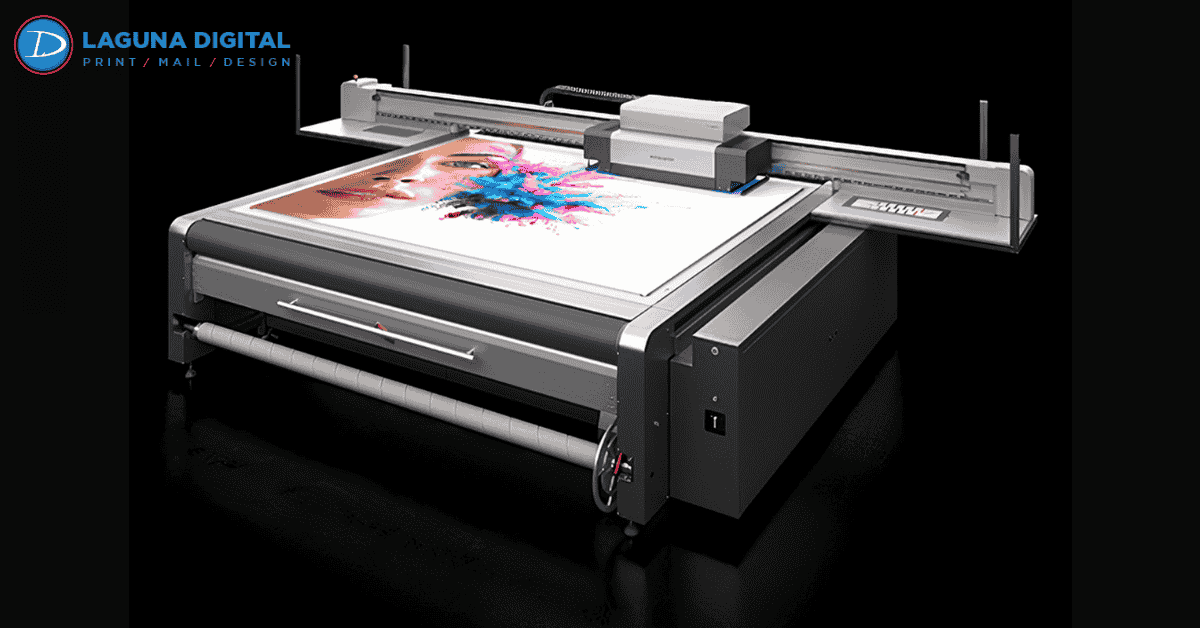
The preservation process begins with digital capture, but this is far more complex than snapping a photo with a smartphone. Professional capture involves high-resolution scanning or photography under controlled lighting to eliminate glare and capture the true texture of the brushstrokes. This creates a digital master file that serves as a permanent, unaging record of the artwork at that specific moment in time.
This process differs sharply from standard digital printing workflows used for flyers or business documents. Art capture demands precise color calibration that matches the pigment chemistry of the original medium. Once we create the digital master, we preserve the artwork permanently. Even if fire destroys the original canvas or water causes damage, the art survives in perfect detail, ready for reproduction on archival paper or canvas designed to last more than a hundred years.
Expanding Your Reach Without Risking the Canvas
For professional artists, the dilemma has always been the one-and-done nature of selling originals. Once you sell the canvas, that revenue stream is gone, and you no longer have access to the work for your portfolio. Reproduction changes this dynamic entirely. It allows you to sell the original to a collector while retaining the rights to sell limited edition prints, effectively turning one product into an indefinite income stream.
This strategy is vital for scaling a creative business. By utilizing professional art reproduction services , artists can offer various price points selling the original for thousands, and giclée prints for hundreds. It democratizes your art, allowing fans who love your work but cannot afford the original to still support you, all while the master copy remains safe or moves on to a high-end collector.
Beyond the Gallery: Repurposing Art for Commercial Use
Once you digitize and preserve your artwork, you unlock a wide range of applications. We have partnered with artists who successfully transform their canvas pieces into commercial products. The high-resolution digital file allows you to repurpose the artwork for marketing collateral without sacrificing clarity or introducing pixelation.
For example, many painters compile their yearly collections into high-quality catalogs or coffee table books to send to galleries and high-net-worth clients. This often involves professional book printing, where color accuracy is paramount. If the original art hasn’t been properly digitized and preserved first, the colors in the book will look muddy or washed out, failing to represent the true quality of your talent.
Decorating Spaces with Replicas
There is also a growing trend in interior design where businesses or homeowners want the aesthetic of fine art without the liability of exposing expensive originals to public spaces. A hotel lobby, a busy restaurant, or a sunny corporate boardroom are dangerous places for a one-of-a-kind oil painting.
In these scenarios, art reproduction for decor is the perfect solution. We can create a replica that is virtually indistinguishable from the original to the naked eye. This allows the space to enjoy the elevation that fine art provides, while the actual investment piece remains in a climate-controlled vault or a private office, safe from accidental spills, bumps, or sunlight.
The Longevity of Archival Inks and Papers
When we talk about preservation, the materials used in the reproduction process matter just as much as the digital file. This is often where the term Giclée comes into play. Unlike standard prints, Giclée printing uses pigment-based inks rather than dye-based inks. Pigment inks are resistant to fading and, when paired with acid-free archival paper or canvas, can last for generations without shifting color.
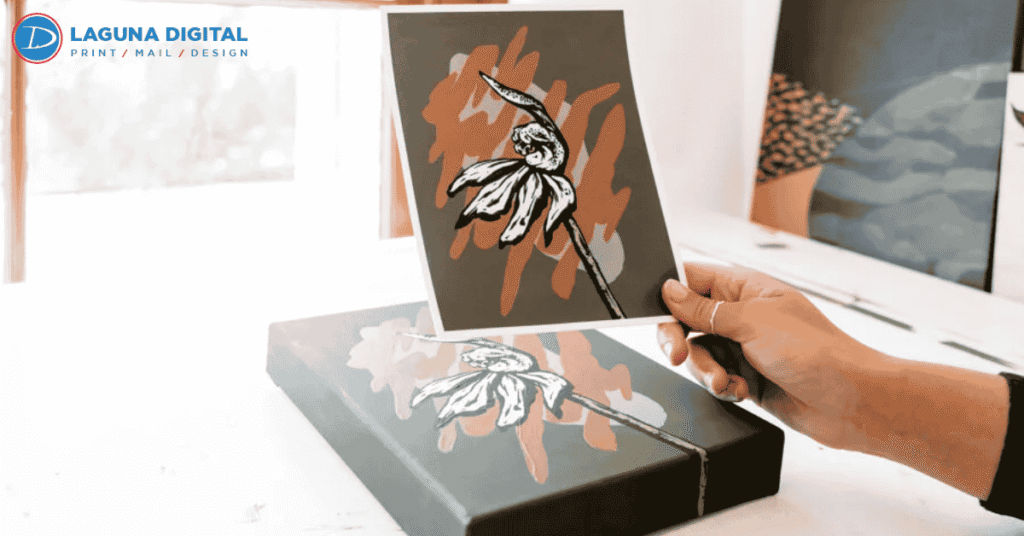
This attention to detail is similar to high-end photo printing, but with even stricter standards for substrate quality. We have seen non-archival prints fade into blue-ish ghosts within five years. True art reproduction is about longevity. It ensures that the print bought by a customer today will look exactly the same when they pass it down to their grandchildren, preserving your reputation as an artist who produces quality work.
FAQs
Does the scanning process involve touching the artwork?
In most professional setups, the scanning or photography process remains entirely non-contact. Technicians use specialized camera rigs or art-grade flatbed scanners that never press against the painted surface. Even when a flat, flexible piece allows for a specific type of drum scanning, professionals still favor non-contact methods to preserve texture. Throughout the process, trained handlers wear gloves and treat the original artwork with extreme care.
What is the difference between a standard print and an archival reproduction?
The main differences are the ink and the paper. Standard prints usually use dye inks and wood-pulp paper, which yellow and fade over time. Archival reproductions use pigment inks and acid-free cotton rag paper or canvas. This combination is tested to last 80 to 100+ years without significant fading, making it suitable for collectors and gallery sales.
Do I lose my copyright if I get my art reproduced?
Absolutely not. You retain full copyright ownership of your image. The printer or service provider simply acts as the technician to create the digital file and the prints. We always recommend that artists keep their high-resolution digital master files as part of their business assets, ensuring they maintain control over their intellectual property.
Conclusion
Preserving art is about respecting the time, emotion, and skill that went into creating it. Whether you are looking to monetize your work through prints or simply want to ensure your masterpiece survives an accident, reproduction is a vital tool in the modern art world. It bridges the gap between the fragile physical object and the enduring visual legacy.
At Laguna Digital, we understand that we aren’t just printing ink on paper; we are handling your legacy. By investing in professional reproduction, you ensure that your art continues to inspire, decorate, and hold value long into the future, regardless of what happens to the original canvas.