



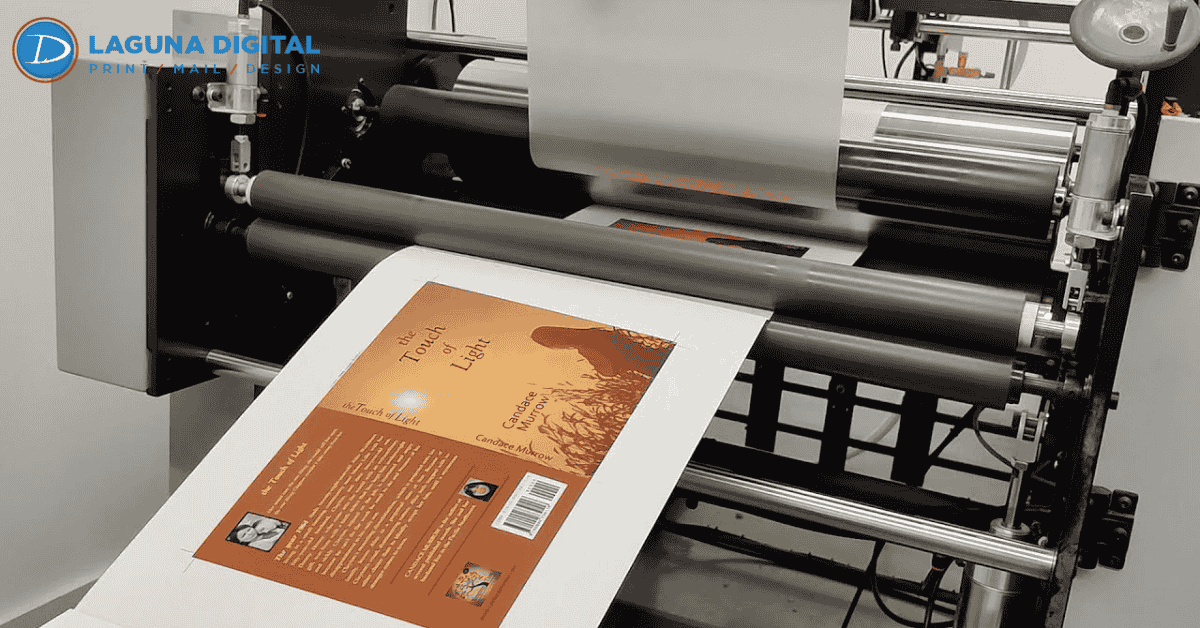
There is a specific mix of excitement and anxiety that hits every author or business owner the moment a manuscript is finalized. You have spent months, perhaps years, perfecting the content. Now, the only thing standing between you and your book launch is the physical production. In my years working in this industry, the most common question I hear usually asked with a bit of panic in the voice is, When will I actually have these books in my hands?
The answer isn’t a simple number because every project has different variables. A simple paperback manual has a vastly different production cycle than a linen-wrapped, foil-stamped coffee table book. Understanding the printing timeline is crucial so you don’t end up missing launch parties or business conferences. This guide draws on real-world production schedules to give you a realistic idea of what to expect.
Whether you are printing fifty copies for a seminar or thousands for retail distribution, planning backward from your due date is the best strategy. By partnering with professionals who offer high quality book printing services, you can navigate the complexities of production files, proofing, and binding without the stress of the unknown.
The Honest Answer: Timelines Vary by Production Method
If you call a printer and ask for a timeline without giving specs, they can’t give you an honest answer. The biggest factor in timing is the technology used to produce the book. In the modern printing world, we primarily look at two paths: Digital Printing and Offset Printing. Each serves a different purpose and operates on a totally different internal clock.
Digital Printing vs. Offset Printing Schedules
For most self-publishers and businesses needing quantities under 1,000 copies, Digital Printing is the standard. Because digital presses don’t require the creation of physical metal plates, setup time is minimal. In my experience, a standard softcover digital run can often be completed in 5 to 10 business days after proof approval. It is ideal for tight deadlines where speed is more critical than the lowest unit cost.
Offset printing is a different beast entirely. This is the traditional method used for large runs (usually over 1,000 copies). It offers the best quality and lowest price per unit, but it requires significant setup time. You have to account for plate making, press setup, and drying time for the wet ink. A typical offset job can take anywhere from 3 to 6 weeks, sometimes longer depending on the complexity of the bindery work required.
The Pre-Press Phase: Where Delays Often Happen
Here is an insider observation that surprises many clients: the actual printing press is rarely the cause of a delay. The bottleneck almost always happens during pre-press. This is the stage where we check your files to ensure they are print-ready. We look for issues like low-resolution images, incorrect bleed margins, or fonts that haven’t been embedded.
Once files are processed, we send a proof to the client. This is a critical moment. The production clock usually stops while the proof is with you. If you take three days to approve the proof, or if you find a typo and need to submit new files, the completion date pushes out. To stay on track, I always advise clients to have their manuscript fully edited and formatted before submitting it to the printer.
If you are new to this process, looking into custom printing services can help you understand the file requirements beforehand. Professional printers will often catch errors that automated online uploaders miss, saving you from a disastrous print run, even if it adds a day or two to the front end of the schedule.
Factors That Extend Production Time
Beyond the printing method, the physical attributes of your book play a massive role in how long it takes to finish. A book is more than just ink on paper; it is a manufactured object that requires binding, trimming, and finishing. The more complex the build, the longer it sits in the production facility.
Hardcover vs. Paperback Binding
Paperback (perfect bound) books are relatively quick to finish. The glue dries fast, and they can be trimmed and boxed shortly after printing. Hardcover (case bound) books are much more labor-intensive. The interior pages must be sewn or glued, the hard case must be manufactured separately, and the two must be married together.
Furthermore, hardcovers often require a curing period. If you pack them too soon after gluing, the boards can warp. We usually add at least one to two weeks to the schedule for hardcover projects compared to paperbacks. If you also require dust jackets, that adds another step to the printing and assembly line.
Color Critical Work and Specialty Finishes
If your book is text-only, we can run it very quickly. However, if you are producing an art catalog, a photography portfolio, or a high-end marketing piece, color accuracy is paramount. This often involves Art Reproduction standards, where we run physical hard proofs to ensure the colors on the paper match the original artwork. This back-and-forth approval process takes time but is non-negotiable for quality.
Similarly, extensive Photo Printing within a book requires high-resolution checks. Additionally, finishes like foil stamping, embossing, spot UV, or die-cutting are separate machine passes. Every time a book has to move from one machine to another, you should account for extra production days.
Shipping and Logistics: The Forgotten Timeframe
It is heartbreaking to see a client approve a proof and hit their production deadline, only to forget about shipping transit times. When we say turnaround time, we are almost always referring to production time how long it takes until the books are boxed and sitting on our loading dock.
Ground shipping across the country can take a week. If you are printing internationally to save money, you are looking at ocean freight, which can take months and is subject to customs delays. For domestic projects, always buffer your schedule with at least 5 business days for shipping, or be prepared to pay a premium for expedited air freight.
Tips to Speed Up Your Book Project
We all want things done faster, and while you can’t rush the drying of ink, you can streamline the process. In my experience, the clients who get their books the fastest are the ones who communicate clearly. Respond to emails about file issues immediately. Review your physical or digital proofs the same day they arrive.
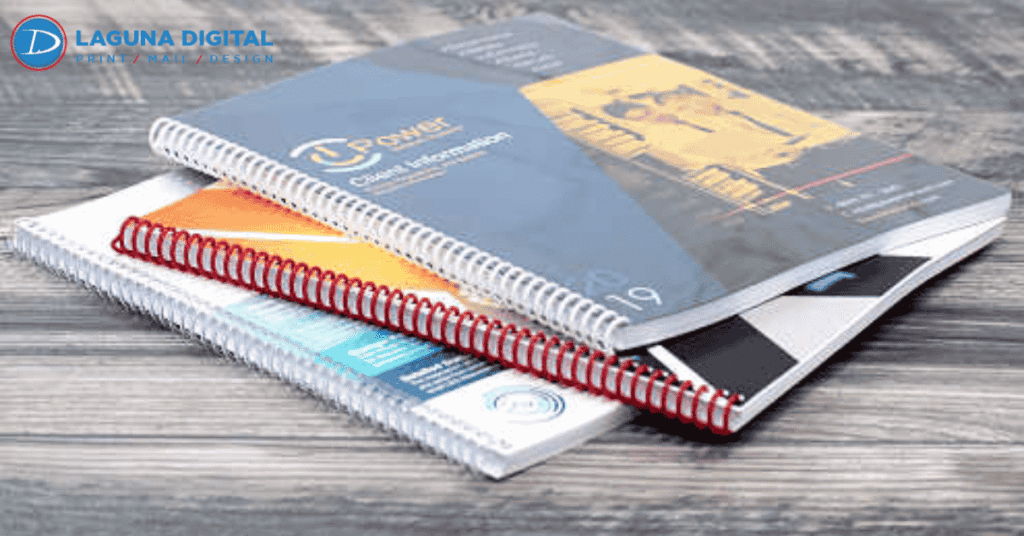
Also, keep up with industry trends regarding paper availability. Sometimes, a specific specialty paper might be out of stock, which can stall a project for weeks. If you are on a tight deadline, ask your printer what house stocks are currently available on the floor. Using a stock paper rather than a custom order can sometimes shave days off your timeline.
FAQs
Can I pay for a rush order to get my books faster?
Yes, most printers offer rush services for an additional fee. However, rush usually applies to the production queue, moving you to the front of the line. It cannot physically speed up processes like glue drying or ink curing without risking quality. Always ask if a rush option is safe for your specific binding type.
Does the timeline start when I upload my files?
No, this is a common misconception. The production clock technically starts once you have approved the final proof. If you upload files on Monday but don’t approve the proof until Friday, production begins on Friday.
Why does hardcover printing take so much longer than paperback?
Hardcover books require multiple components to be made separately (the text block and the hard case) and then assembled. They also require more drying time for the heavy-duty adhesives used to ensure the book doesn’t warp or fall apart. It is a more manual, industrial process than paperback binding.
Conclusion
Determining how long book printing takes is about balancing your vision with reality. If you need a simple paperback for an event next week, digital printing can likely save the day. If you are planning a museum-quality coffee table book, you need to respect the craftsmanship required and allocate months, not weeks, for the process.
The most successful projects I have worked on were those where the client involved us early in the timeline discussions. By being transparent about your deadline, we can guide you toward the right paper, binding, and printing methods that fit your schedule.
If you are ready to start planning your next publication and need a partner who understands both speed and quality, reach out to Laguna Digital. We are here to help you navigate the production timeline and ensure your book arrives looking professional and on time.