



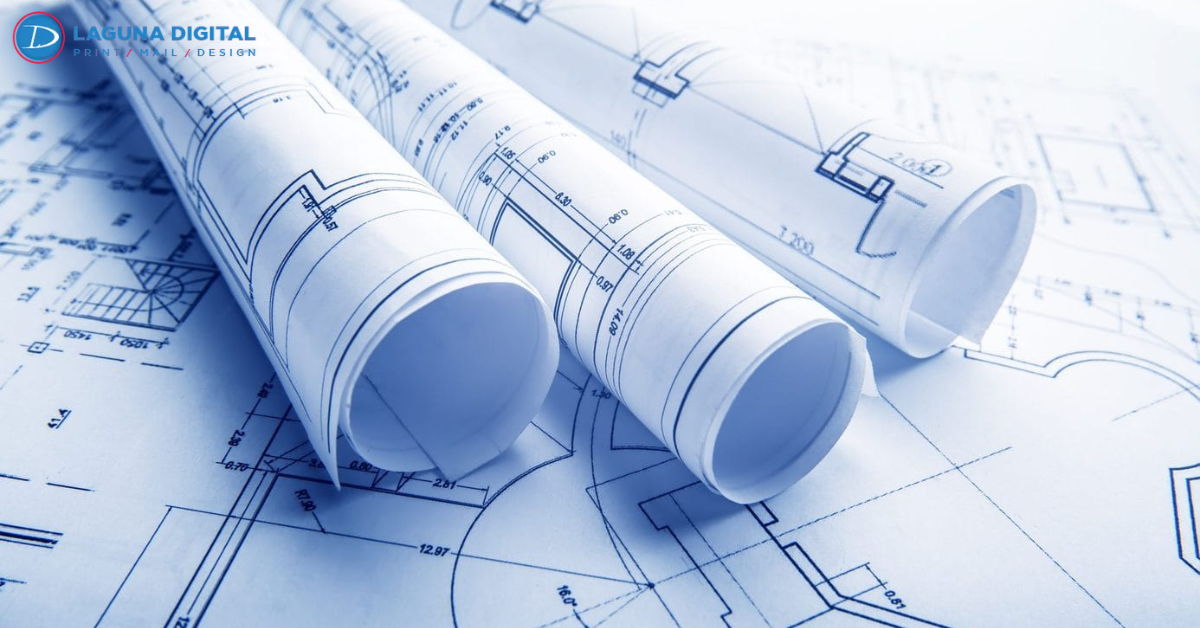
We have stood behind the printing counter many times when a frantic contractor rushes in with a tablet, trying to explain a structural discrepancy. They often realize too late that a tiny screen cannot replace the clarity of a full-scale physical document. High-quality Blueprints remain the essential “source of truth” on any construction site, serving as the bridge between an architect’s vision and a finished reality. We understand that in the world of modern architecture, a single unreadable line or a slight scaling error can lead to thousands of dollars in wasted materials and weeks of frustrating delays.
Why Precision Printing Remains the Foundation of Every Project
In our experience working with developers and engineers, we notice that digital files often create a false sense of security. While software allows for incredible detail, the physical print brings every stakeholder onto the same page—literally. We see teams gather around a large-format drawing to solve complex problems that simply don’t translate well over a Zoom call or a small mobile device. A physical set of plans encourages collaborative problem-solving and ensures everyone sees the same level of detail at the same time.
Accuracy in printing translates directly to accuracy in the field. When we produce architectural sets, we focus on the sharpness of every line weight and the legibility of every annotation. If a plumber misreads a pipe diameter because of a blurry print, the entire schedule shifts. We prioritize high-resolution output because we know that the safety and integrity of the building depend on the clarity of the instructions the crew follows.
Reducing Costly On-Site Communication Errors
Mistakes on a job site usually stem from poor communication rather than a lack of skill. We find that clear, professionally printed drawings reduce the guesswork that leads to “field adjustments.” When a sub-contractor can clearly see the intersection of HVAC ducts and structural beams, they can spot conflicts before they install a single piece of hardware. This proactive approach saves our clients from the dreaded “change order” cycle that often drains project budgets.
Maintaining Version Control in Real Time
We often help firms manage the chaos of multiple revisions. Keeping the most current set of plans in the hands of the site foreman prevents the disaster of building off an outdated design. We recommend using color-coding or specific date stamping on every sheet to ensure the team discards old versions immediately. This simple organizational habit protects the project from the liability of constructing a structure that no longer meets the updated engineering specs.
Material Selection and Its Impact on Job Site Efficiency
Construction sites present a hostile environment for paper. We have seen coffee spills, rain showers, and heavy winds ruin a standard set of drawings in minutes. To combat this, we guide our clients toward durable media options that withstand the daily grind of a busy site. Choosing the right paper weight or specialized coating ensures that your investment lasts from the first shovel in the ground to the final inspection.
Modern printing technology offers several finishes that enhance the utility of your plans. Depending on the project’s needs, we might suggest specific lamination styles to protect against moisture or frequent handling. For example, understanding the difference between soft touch or gloss lamination helps you decide which finish provides the best visibility under harsh site lighting while offering the necessary protection.
Protecting Your Plans from Harsh Field Environments
We recommend heavy-duty bond paper for everyday reference and weather-resistant synthetic options for plans that spend all day outdoors. Nothing slows down a project faster than a blueprint that has turned into a soggy mess after a light drizzle. By selecting materials that resist tearing and smudging, you ensure that the critical dimensions remain visible regardless of the weather conditions or the cleanliness of the site.
Enhancing Client Presentations with Large-Format Clarity
Architects don’t just build structures; they sell dreams. We see how a beautifully printed, large-format rendering changes the energy in a boardroom. When a client can walk up to a table and see the texture of the facade or the flow of the landscape on a high-quality print, they feel a much stronger connection to the project. These physical artifacts build trust and demonstrate a level of professionalism that a digital slideshow rarely matches.
The visual language of a professional drawing speaks volumes about your firm’s standards. We take pride in ensuring that the blacks are deep and the fine lines remain crisp, even on the largest sheets. When you present a clean, perfectly scaled set of drawings, you signal to your client that you value precision and detail in every aspect of your work.
The Visual Language of Professional Architectural Drawings
Consistency in your printing reflects the consistency of your brand. We help firms develop a signature look for their title blocks and presentation boards. This attention to detail creates a cohesive experience for the client, from the initial concept sketches to the final as-built drawings. We believe that the physical quality of your blueprints should match the architectural excellence of your designs.
Practical Tips for Successful Blueprint Production
Before you send your next file to the printer, we suggest a few quick checks to ensure the best results. Always verify that you have embedded your fonts and that your scale bars are accurate to the intended output size. We frequently see files where the text “drops out” because of a font compatibility issue, which can lead to disastrous misunderstandings on the job site. Double-checking these technical details saves time and prevents the need for costly reprints.
Another common mistake involves line weights that are too thin to reproduce clearly at scale. We recommend testing your line settings to ensure that even the lightest details remain visible after the printing process. When we work with architectural firms, we provide feedback on how their digital settings translate to the physical page, ensuring that the final product meets the highest industry standards for clarity and professionalism.
Conclusion
We know that blueprints do much more than guide a hammer; they provide the roadmap for modern innovation and structural safety. A well-printed set of plans eliminates confusion, protects your budget, and fosters a collaborative environment for every trade involved. By treating your architectural drawings as the vital tools they are, you set the stage for a successful and efficient build.
Our team at Laguna Digital has spent years perfecting the art of large-format printing to support the architectural and construction communities. We take the stress out of the production process so you can focus on what you do best—designing and building the future. Reach out to us today to see how our expertise in precision printing can elevate your next project.