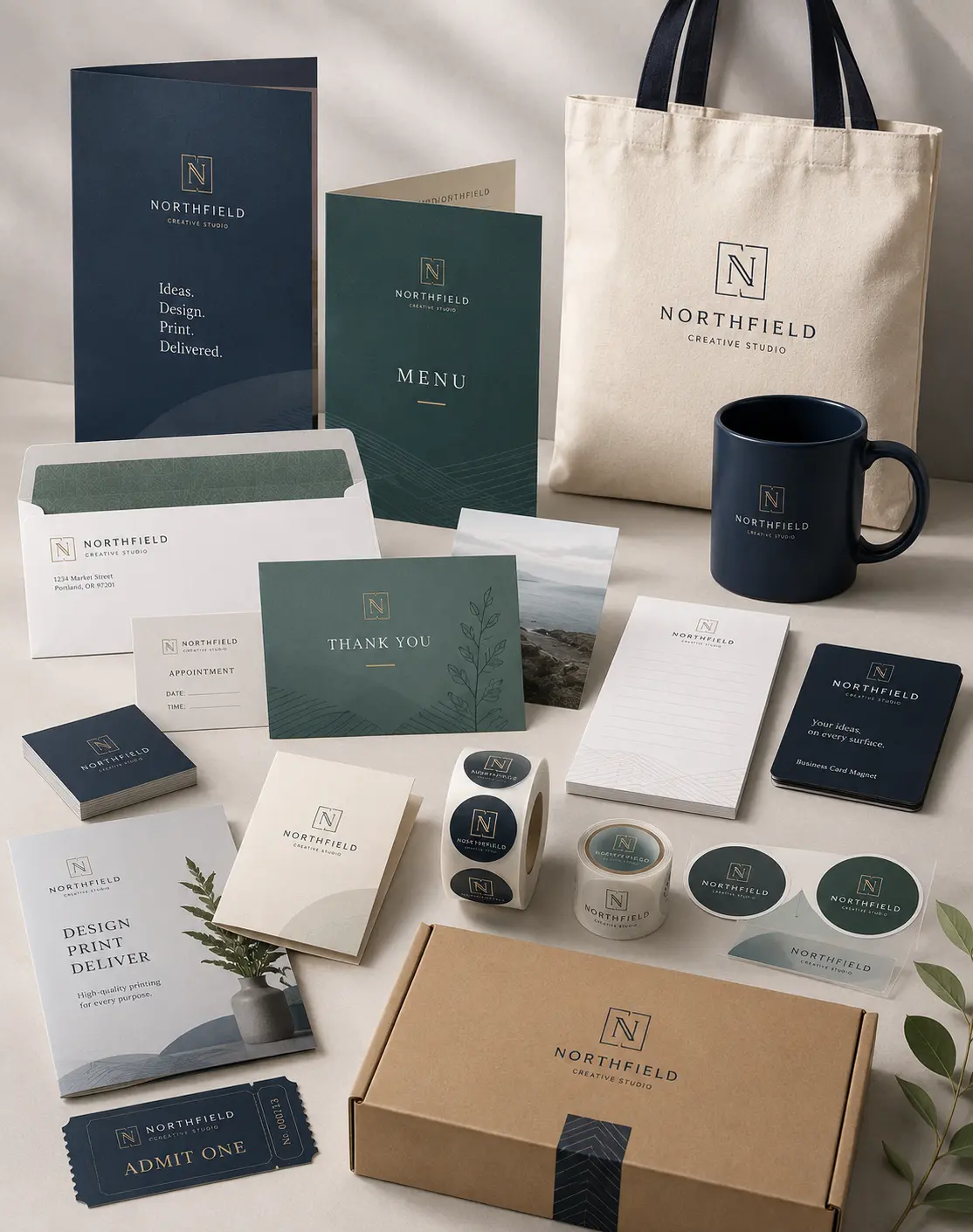

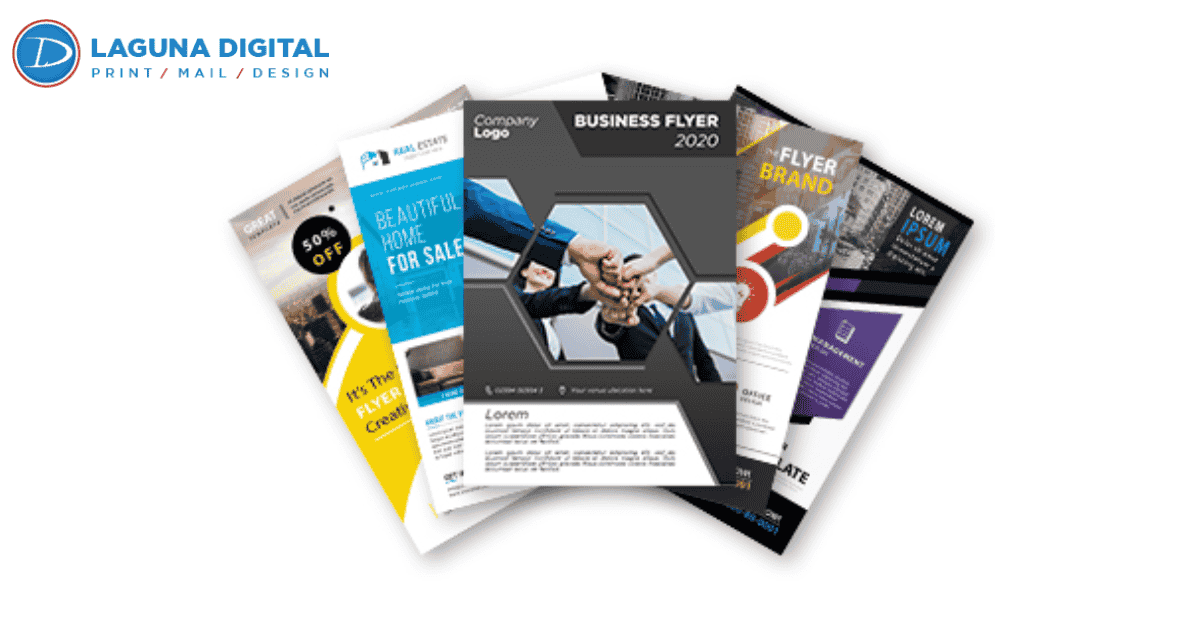
There is a specific feeling of satisfaction when you hold a freshly printed brochure in your hand. Even in a world dominated by screens and scrolling, the tactile experience of high-quality paper and vibrant ink remains one of the most effective ways to build trust with a customer. I have seen countless business owners walk into our shop, skeptical about print, only to realize that a well-crafted flyer is often the missing piece in their local marketing puzzle. The physical weight of marketing material conveys legitimacy that a digital banner ad simply cannot replicate.
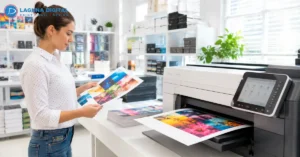
However, the printing landscape has changed dramatically over the last decade. Gone are the days when you had to order 5,000 copies just to make the price per unit affordable, only to end up dumping half of them in the recycling bin a year later. This is where modern Digital Printing Services have revolutionized the industry. Digital technology allows us to produce stunning, professional-grade materials in smaller quantities, often with same-day turnaround times, without sacrificing the quality that your brand deserves.
In this guide, I want to walk you through the nuances of digital printing for marketing collateral. We will look at why it’s the smart choice for most modern businesses, how to avoid the design mistakes I see every week, and how to choose the right materials to ensure your flyers and brochures don’t just get read, but get remembered.
The Shift to Digital: Speed, Cost, and Flexibility
One of the most frequent conversations I have with clients revolves around the difference between offset and digital printing. Traditionally, offset was the king of quality, but it required expensive setup costs (plates) and high minimums. Today, digital presses have advanced to the point where the quality gap is virtually non-existent for the average viewer, yet the flexibility is unmatched.
For small to medium-sized businesses, the ability to print on demand is a financial lifesaver. Instead of tying up your budget in thousands of brochures that might become outdated when you change a price or a phone number, digital printing allows you to print 100 or 200 copies at a time. This agility means your marketing materials can evolve as quickly as your business does, keeping your content fresh and relevant without the guilt of waste.
Achieving Color Accuracy and High Resolution
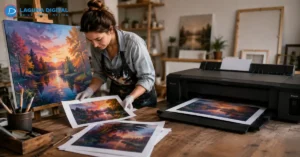
A common fear among designers and business owners is that digital printing might look “grainy” or that the colors won’t pop. Years ago, that might have been true, but modern digital presses use sophisticated color management systems that rival traditional methods. When we handle photo printing, for example, we use similar calibration techniques for brochures to ensure that the product images in your flyer look as crisp and appetizing as the real thing.
However, the print is only as good as the file you provide. I always advise clients to design in CMYK color mode rather than RGB (which is for screens). If you submit a file designed in RGB, the colors may shift when printed, turning your bright electric blues into muddy purples. High-resolution imagery is also non-negotiable; aiming for 300 DPI ensures your images look sharp and professional rather than pixelated and amateurish.
Designing for Impact: Layout and Paper Choice
Design is about more than just pretty colors; it is about hierarchy and physical presence. When a client hands me a design that is cluttered with wall-to-wall text, I usually suggest a pause. A flyer needs to breathe. The goal is to guide the reader’s eye to the most important information your offer and your call to action—quickly and effortlessly.
Equally important is the canvas you choose. The paper stock can communicate just as much as the words printed on it. A flimsy, lightweight paper might feel cheap to a potential customer, whereas a 100lb gloss cover or a heavy matte cardstock implies luxury and stability. If you are reproducing complex visuals, similar to high-end art reproduction, we recommend paper stocks that have high brightness levels to ensure the ink sits on the surface correctly, preserving the integrity of the artwork or design.
Multi-Page Brochures and Binding Options
Sometimes, a single-page flyer isn’t enough to tell your story. If you are showcasing a full product catalog, a quarterly report, or a comprehensive service menu, you enter the realm of booklets. This is where digital printing truly shines in its versatility. We can transition seamlessly from flat flyers to saddle-stitched (stapled) or perfect-bound booklets.
This process is very similar to book printing, where page count and creep (the way inner pages push out) must be calculated carefully. Digital production allows us to create a proof copy of your brochure so you can hold the finished booklet in your hand, check the pagination, and approve the binding before we run the full order. This eliminates the anxiety of opening a box of 500 brochures only to find page 4 is upside down.
Personalization: The Secret Weapon of Digital Print
If there is one advantage digital printing has that offset cannot touch, it is Variable Data Printing (VDP). Because digital presses use digital files rather than physical plates, we can change the information on each individual sheet as it passes through the printer. This means you can address every single flyer to a specific person by name, or change the images based on the recipient’s demographic.
This level of customization significantly increases engagement rates. Imagine receiving a postcard that says, Hey John, here is a deal for your neighborhood, versus a generic Current Resident mailer. By improving marketing outcomes through personalization, you stop being junk mail and start being a relevant conversation. It turns a static piece of paper into a dynamic marketing tool.
Common Mistakes to Avoid Before Sending to Print
In my years of running print jobs, I have saved many clients from disaster by catching file errors at the last minute. The most common culprit is the lack of bleed. If you want your color to go all the way to the edge of the paper, you must extend the design 0.125 inches beyond the cut line. Without bleed, you risk having unsightly white slivers on the edges of your beautiful flyer.
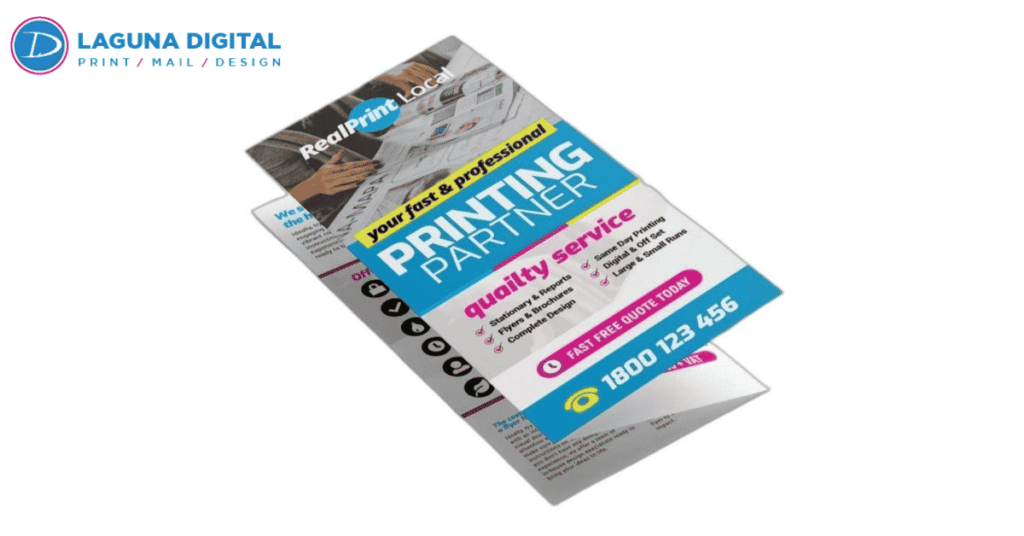
Another issue is font size and readability. What looks readable on a 27-inch monitor often looks tiny on a 5×7 postcard. I always recommend printing a test copy on your office printer at 100% scale just to check the font sizes. If you have to squint to read your phone number, your customers certainly won’t bother trying to decipher it.
FAQs
What is the typical turnaround time for digital flyers?
One of the biggest benefits of digital printing is speed. For most standard flyer and brochure orders, we can often complete the job within 24 to 48 hours after proof approval. Some smaller runs can even be done same-day, depending on the current production schedule and finishing requirements.
Is digital printing more expensive than offset printing?
It depends entirely on the quantity. For short runs (typically under 1,000 copies), digital is significantly cheaper because there are no setup or plate-making costs. However, if you need 10,000 or 20,000 copies, offset printing becomes the more cost-effective option per unit. We help you calculate the break-even point to ensure you get the best value.
Can I print on textured paper with a digital press?
Absolutely. Modern digital presses can handle a wide variety of substrates, including linen, felt, and heavy cardstocks. While extremely deep textures can sometimes affect toner adhesion, we have specific settings and paper profiles to ensure a clean, crisp print on premium textured stocks.
Do I need to provide a PDF or can I send a Word document?
We always strongly recommend sending a high-resolution PDF with fonts embedded/outlined. Word documents and other editable files are notorious for shifting formatting, changing fonts, or re-flowing text when opened on a different computer. A PDF locks your design in place, ensuring what you see is what we print.
Conclusion
Digital printing has democratized high-quality marketing for businesses of all sizes. It allows you to be agile, creative, and professional without breaking the bank or filling your storage room with obsolete boxes of paper. Whether you are launching a new startup, announcing a seasonal sale, or simply trying to maintain top-of-mind awareness with your clients, flyers and brochures remain a powerful tool in your arsenal.
The key is to view your printer not just as a vendor, but as a partner in your brand’s presentation. We are here to catch the mistakes, suggest the right paper, and ensure the final product reflects the hard work you put into your business. When you are ready to elevate your tangible marketing materials, Laguna Digital is ready to help you bring your vision to life with precision and care.