


There is a specific look of apprehension I often see when an artist walks into our studio carrying a large canvas. It makes perfect sense; you have spent weeks, maybe months, layering oils or acrylics to create something unique, and handing it over to a service provider requires a massive leap of faith. You aren’t just looking for a digital copy; you are looking for an archival record that retains the soul of the original piece. We understand that taking a photo with a smartphone, no matter how advanced, simply cannot capture the nuance required for professional reproduction.
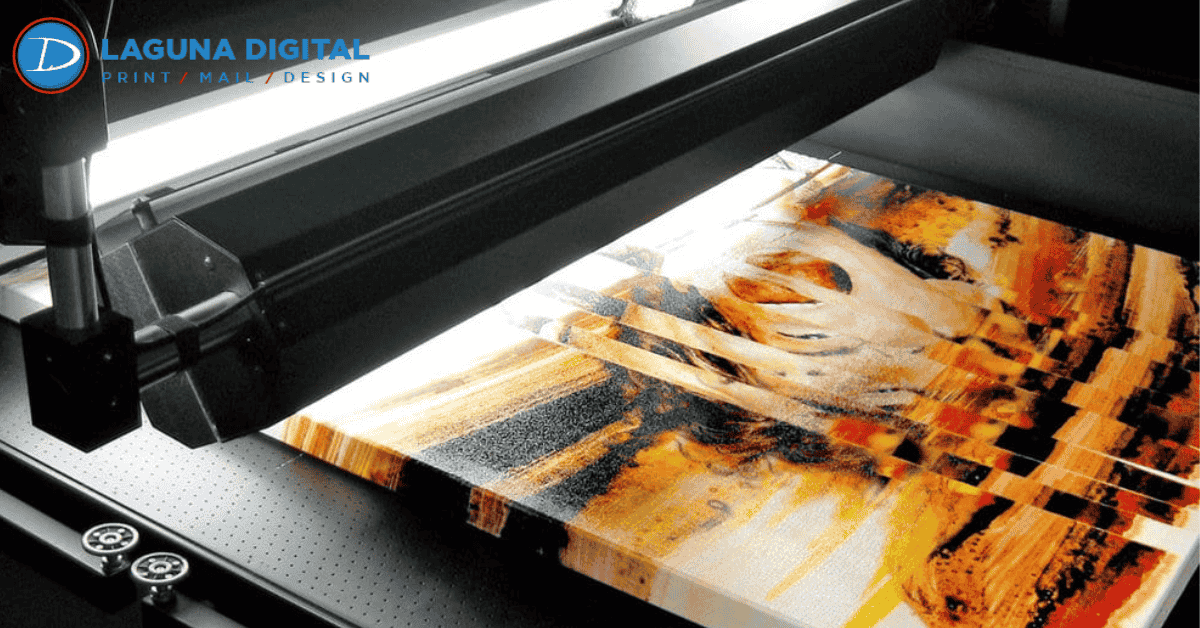
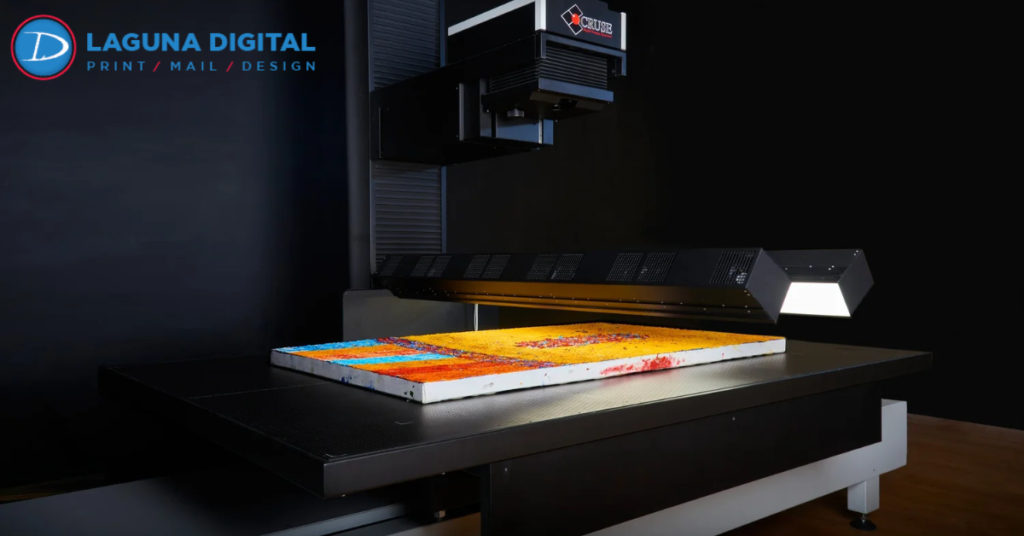
This is where the specialized world of Large-Format Art Scanning comes into play. Unlike standard document scanning or photography, this process uses sophisticated, often room-sized equipment designed to capture every brushstroke and pigment shift without ever physically touching the artwork. It is a blend of high-end optical technology and the trained eye of a technician who understands color theory. If you have ever wondered how we transform a five-foot oil painting into a digital file sharp enough to reprint at any size, here is a look behind the curtain at how we handle your work.
The Technology: Why Standard Photography Falls Short
One of the most common questions we get is, Can’t I just use a DSLR camera and lights? While professional photography is a viable route for some applications, it introduces variables that are difficult to control, specifically lens distortion and uneven lighting. When you photograph a large piece of art, the center of the image is often sharper than the edges due to the curvature of the lens. Additionally, achieving perfectly even illumination across a large surface without creating glare or hot spots is incredibly challenging in a standard studio setup.
High-end large-format scanners eliminate these issues by using a linear array sensor. Instead of capturing the whole image at once like a camera, the scanner captures the artwork line by line as the sensor (or the artwork table) moves. This ensures that every square inch of the canvas is captured with the exact same lighting intensity and lens focal point. Whether you are looking into Art Reproduction for limited edition prints or archiving, this linear consistency is the only way to guarantee the digital file is a true 1:1 representation of the physical piece.
Capturing Texture and Depth with Precision Lighting
The biggest challenge in digitizing art is translating a three-dimensional object which is what a painting with heavy impasto or texture actually is into a two-dimensional file. If you scan art with flat, direct lighting, you often lose the texture entirely, making an oil painting look like a flat poster. Conversely, if the lighting is too aggressive, you create harsh shadows that obscure the details in the valleys of the brushwork.
We utilize specialized lighting setups that can be adjusted to rake across the surface of the artwork. By carefully controlling the angle of the light, we can emphasize the texture of the canvas or the buildup of paint just enough to give the digital image depth. This is crucial for Digital Printing later on; when we print the final giclée, that captured shadow and highlight detail tricks the eye into seeing texture, even though the paper is smooth. It’s a delicate balance that requires a human operator to make judgment calls based on the specific medium, whether it’s watercolor, charcoal, or oil.
The Critical Role of Color Calibration and ICC Profiles
Hardware is only half the battle; the rest is color science. A scanner sees color differently than the human eye, and a monitor displays color differently than a printer prints it. To manage this chaos, we use what are called ICC profiles custom data files that tell our devices how to interpret colors so they remain consistent throughout the workflow. Without this, a vibrant cadmium red on your canvas might turn into a muddy rust color on the screen.
Even with the best calibration, automated systems can struggle with certain hues, particularly neon pigments or deep, dark blues. This is where experience becomes vital. We often perform manual color corrections in post-production, comparing the digital proof directly against the original artwork under standardized 5000K lighting. This is similar to the care taken in high-end Photo Printing, where skin tones must be perfect. In fine art, we aren’t just matching skin tones; we are matching the specific chemical composition of the paints you used.
From Scan to Final Product: A Complete Workflow
Once the scanning is complete, we are left with a massive, high-resolution file often several gigabytes in size. This master file is your digital negative. From this single asset, you have the flexibility to produce anything from web-quality thumbnails for your portfolio to wall-sized murals. However, having the file is just the first step. Many artists and business owners need guidance on how to monetize these assets or display them correctly.
We specialize in Professional Art Reproduction Printing for Artists & Businesses, meaning we don’t just hand you a USB drive and wish you luck. We help you choose the right archival papers that complement the scan, decide on borders, and ensure the scaling is mathematically correct so you don’t lose resolution. Understanding the journey from the scanner bed to the final framed piece helps us make better decisions during the scanning phase itself.
Is large-format scanning safe for fragile or old artwork?
Absolutely. This is the primary reason we use specific large-format scanners rather than traditional feed-scanners. The equipment is designed for “non-contact” scanning. Your artwork lays flat on a specialized bed (or the scanner moves over the art), and nothing touches the surface of the piece except light. We regularly handle antique maps, crumbling watercolors, and wet canvases with zero risk of damage.
Why does the file size need to be so big?
We scan at high resolutions (usually 300 to 600 DPI at full size) to future-proof your art. You might only need an 8×10 print today, but next year you might get a commission for a 40×60 canvas print. By capturing the maximum amount of detail initially, you ensure that you can scale the image up significantly without it becoming pixelated or blurry. It’s always better to have too much resolution than not enough.
Conclusion
Large-format fine art scanning is more than just a technical necessity; it is a preservation strategy for your creativity. It bridges the gap between the tactile world of paint and canvas and the scalable world of digital reproduction. By using controlled lighting, precision optics, and rigorous color management, we ensure that the digital version of your art commands the same respect and attention as the original.
Whether you are an established gallery owner looking to archive a collection or an emerging artist ready to sell your first run of prints, getting a professional scan is the foundation of that success. At Laguna Digital, we treat every piece of art as if it were our own. We’re here to help you navigate this process smoothly so you can get back to doing what you do best: creating.