
Holding a physical copy of your work for the first time represents a major milestone for any author or business owner. However, many beginners feel overwhelmed by the technical jargon and fluctuating price points of the publishing industry. We understand that you need clear, transparent information to turn your manuscript into a professional product without overspending. When you decide to Print a Book, the total investment depends on several specific variables that we will explore in this guide.
Variable Costs of Book Production
We often see beginners assume that book printing follows a one size fits all pricing model. In reality, every choice you make from the texture of the paper to the type of glue in the spine influences the final quote. We believe that transparency helps authors make smarter financial decisions before they hit the print button.
The Myth of Flat-Rate Pricing
Most professional printers calculate costs based on the specific physical attributes of your project. If you seek California book printing options, you will find that local expertise helps in navigating these variables. We suggest starting with a clear vision of your book’s purpose to avoid paying for features your audience doesn’t actually require.
Digital vs. Offset Printing: Choosing the Right Method
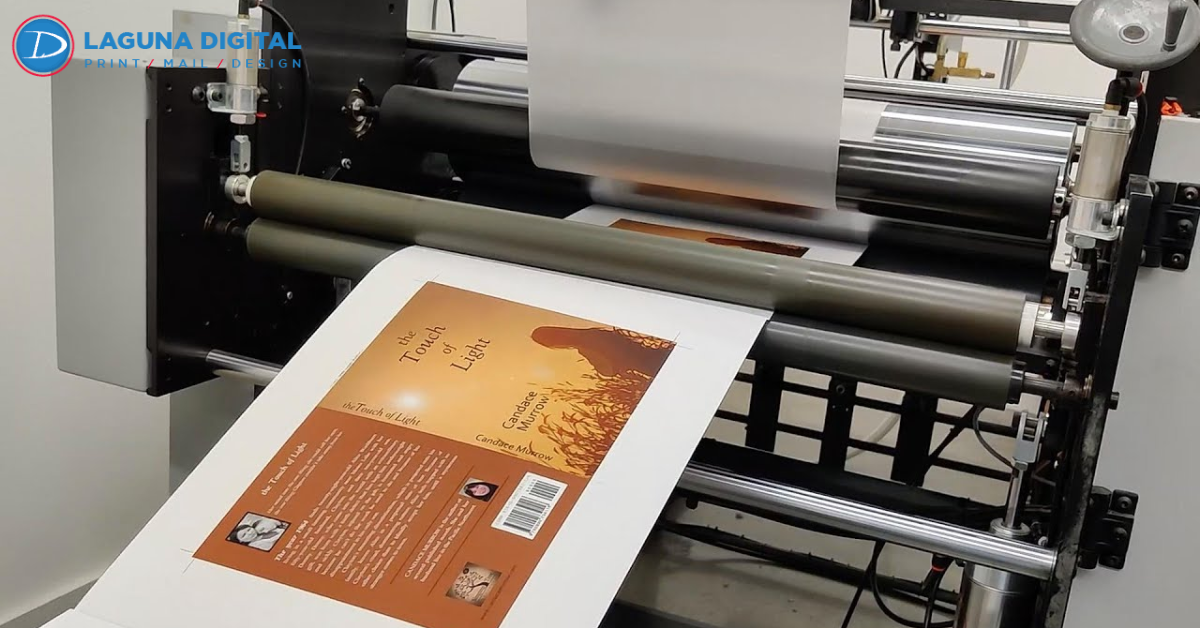
The printing technology we use plays a massive role in your total expenditure. Digital printing functions similarly to a high-end office printer but on a massive scale, making it ideal for small batches. Offset printing involves creating metal plates for each page, which requires a higher upfront setup cost but offers lower per-unit prices for large runs.
When to Choose Digital Printing
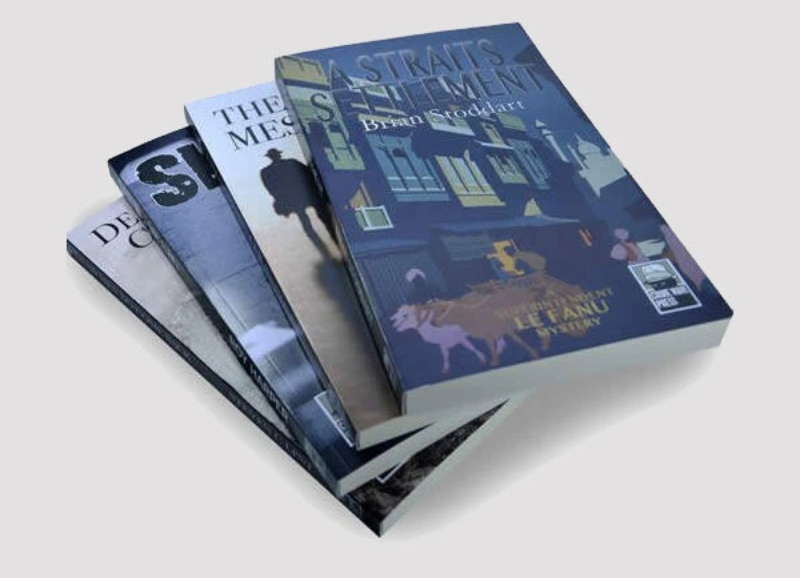
We recommend digital printing for beginners who need fewer than 500 copies. This method eliminates the expensive setup fees associated with plates and allows for faster turnaround times. You receive a high-quality product without the financial risk of storing thousands of unsold books in your garage.
How Quantity and Volume Affect Your Budget
The price per book significantly drops as your order volume increases. This concept, known as economies of scale, means that printing 1,000 copies might only cost marginally more than printing 500 copies in some scenarios. We encourage authors to calculate their realistic sales goals before committing to a specific quantity.
- Short Runs (10–250 copies): Perfect for personal use, family histories, or niche business reports.
- Medium Runs (250–1,000 copies): Ideal for self-published authors with an established following.
- Bulk Runs (1,000+ copies): Best for retail distribution where minimizing the per-unit cost is vital for profit margins.
The Impact of Trim Size and Page Count
The physical dimensions of your book, or trim size, directly affect the amount of paper and ink we use. Common sizes like 6″ x 9″ or 5.5″ x 8.5″ are industry standards for a reason they maximize paper usage on large master sheets, which keeps your costs lower.
Standard vs. Custom Sizes
We find that beginners often want unique, custom sizes to stand out on a shelf. However, custom dimensions often lead to more paper waste during the trimming process. If you want to keep costs down, we suggest sticking to standard sizes that align with standard printing timelines and common shipping dimensions.
Choosing Between Hardcover and Softcover Binding
The binding style is often the most significant cost driver after page count. Softcover (perfect bound) books are the most economical choice for most beginners. They provide a professional look that readers expect from modern paperbacks while remaining lightweight for shipping.
The Investment of Hardcover Binding
Hardcover books require more labor, specialized machinery, and expensive materials like binder’s board and dust jackets. While they command a higher retail price, they also increase your initial production budget by 40% to 60% compared to softcovers. We advise beginners to weigh the prestige of a hardcover against the budget-friendly nature of a high-quality paperback.
Interior Paper Stocks and Ink Choices
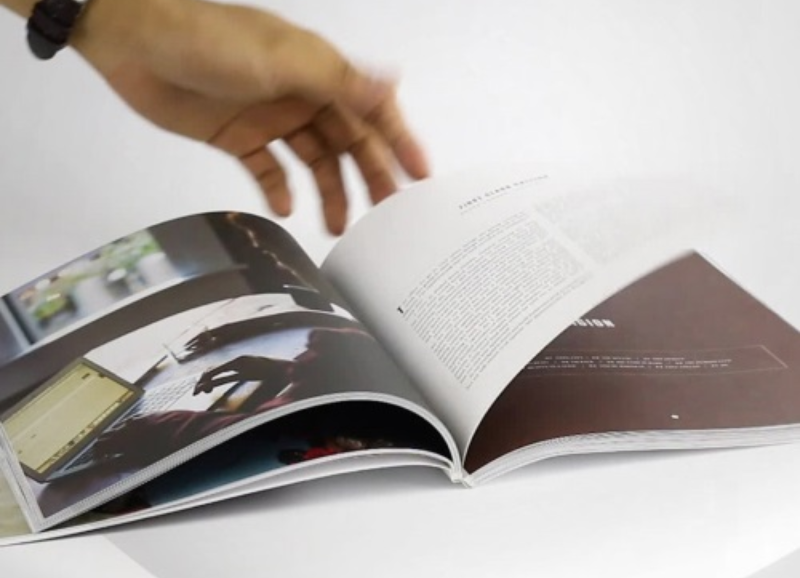
The paper inside your book dictates the feel of the reading experience. Standard 50lb or 60lb white or cream paper works perfectly for text-heavy novels. If you are printing a photography book or a cookbook, you will need heavier, coated paper to prevent ink from bleeding through.
- Black and White Interior: The most cost-effective option for novels and memoirs.
- Standard Color: Great for books with occasional charts or simple illustrations.
- Premium Color: Essential for high-resolution photography and art books, though it carries a higher price tag.
Avoiding Hidden Costs in File Preparation
We frequently encounter beginners who lose money because their files aren’t “print-ready.” If we have to manually fix your margins, bleed settings, or image resolution, those labor hours add to your final invoice. We recommend investing time in learning proper formatting or hiring a professional designer to ensure your PDF meets technical specifications.
The Importance of Proofs
Never skip the physical proofing stage. We provide a sample copy so you can check for typos and layout errors before we run the full order. Spending a small amount on a proof saves you from the nightmare of printing 500 copies with a glaring error on the front cover.
Why Professional Quality Matters for First-Time Authors
In a competitive market, readers judge a book by its cover and its tactile quality. We believe that cutting too many corners results in a product that looks amateurish, which ultimately hurts your brand and sales. By choosing a partner that balances affordability with high-end equipment, you ensure that your first book leaves a lasting, positive impression.
Creating a Consistent Brand
Whether you are a corporate trainer or a debut novelist, your book acts as your calling card. We help you select the finishes like matte or glossy lamination that protect your book and make it look professional on a retail shelf. This attention to detail transforms a simple document into a legitimate literary work.
Frequently Asked Questions
1. What is the cheapest way to print a single book?
We recommend using digital printing for single copies or very small runs. Standardizing your size to 6″ x 9″ and choosing a softcover with a black-and-white interior will keep your costs at the lowest possible point.
2. Does the number of pages change the price significantly?
Yes, page count affects the cost because it dictates the amount of paper used and the thickness of the spine. We calculate the price in “page jumps,” so adding just a few pages might move you into a higher pricing tier.
3. Is color printing much more expensive than black and white?
Color printing typically costs significantly more because it requires four different ink stages and often necessitates higher-quality, coated paper. We suggest using color only for pages that truly require it to stay within a beginner’s budget.
4. How long does it take to get a price quote for my book?
We provide quotes quickly once you have your final page count, trim size, and binding preferences ready. Having these details finalized allows us to give you an accurate and competitive price immediately.
5. Can I save money by providing my own paper?
We do not recommend this, as our machines are calibrated for specific paper weights and finishes. Using our sourced paper ensures the highest quality and prevents mechanical issues that could delay your project.
Conclusion
Determining the cost to print a book involves balancing your creative vision with the practical realities of production. We encourage beginners to focus on standard sizes and high-quality softcover options to maximize their initial budget. By understanding how quantity, paper quality, and binding influence the final price, you can navigate the printing process with confidence and clarity.
We take pride in helping authors and businesses bring their stories to life through precision and care. Our team ensures that every project meets professional standards, regardless of the order size or complexity. When you partner with Laguna Digital, you gain access to expertise that simplifies the technical hurdles of the printing world, allowing you to focus on what you do best: writing and sharing your message.