
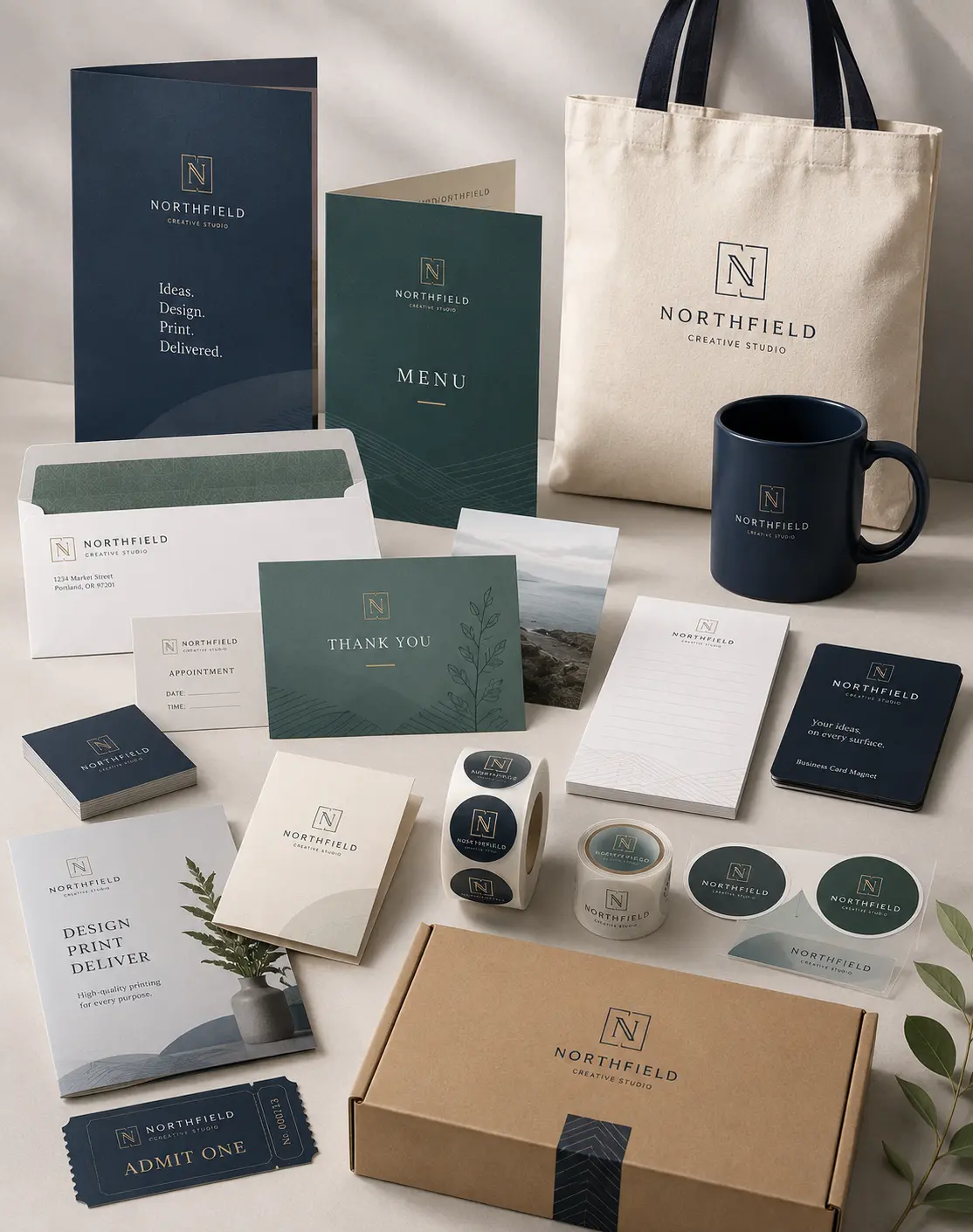


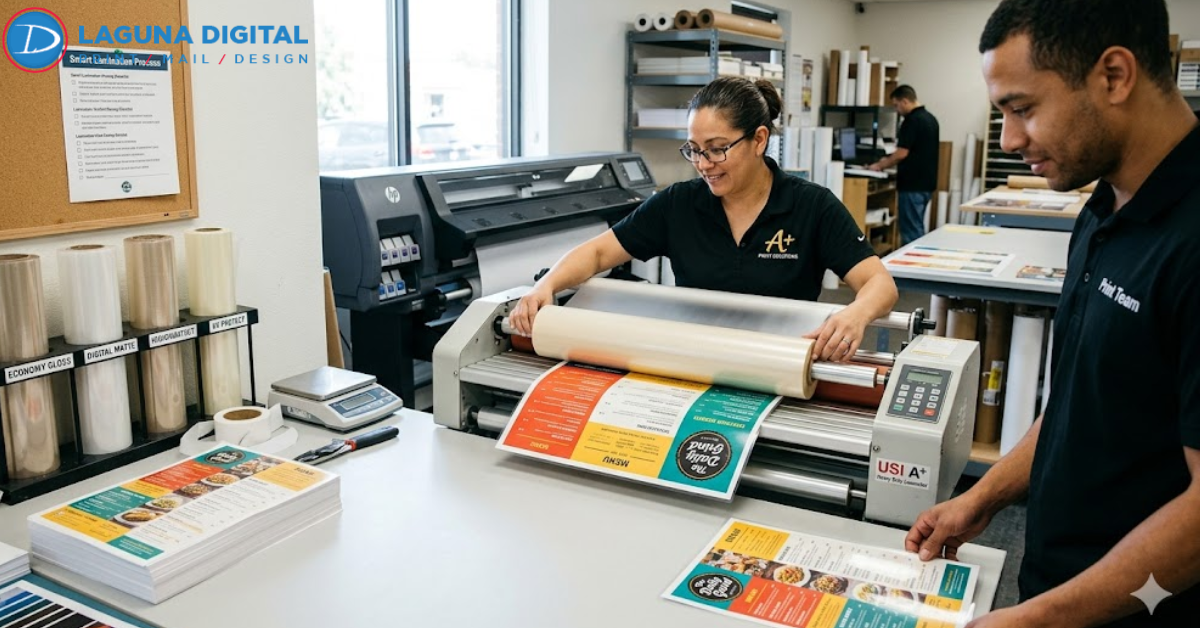
Lamination is one of those finishing choices that can quietly change the whole feel of a printed piece. A simple card, menu, package insert, label, or product sleeve can look cleaner, stronger, and more professional once it has the right protective finish. It adds surface protection, improves color depth, and helps printed materials survive handling, shipping, storage, and customer use.
Many businesses focus only on the finish itself, but the real cost is affected by paper type, sheet size, order quantity, film selection, artwork quality, machine setup, and waste control. A small mistake in any of these areas can increase the final bill.
The goal is not to choose the cheapest possible finish. The goal is to make smart production decisions so your printed materials still look sharp, feel reliable, and represent your brand properly.
When you understand how lamination pricing works, you can save money without making your packaging or marketing materials look weak.
Smarter Planning Before Production
Clear Job Details: Before asking for pricing, prepare the exact size, paper stock, quantity, finish, and final use of the printed item. Clear details help the printer quote correctly and avoid hidden changes later. This also makes it easier to compare the lamination services cost per sheet across different production options.
Correct Order Quantity: Very small orders often cost more per piece because setup time, machine adjustment, and testing are still required. Very large orders can also waste money if your design changes soon. Review your real sales cycle, storage space, and expected usage before placing the order.
Standard Sheet Sizes: Custom sizes may look attractive, but they often create extra paper and film waste. Standard sizes usually run more efficiently on printing and lamination equipment. A small change in dimensions can sometimes lower cost without changing the customer experience or visual quality.
Early File Review: Artwork problems become expensive after printing and lamination. Check bleed, margins, spelling, image quality, color mode, and safe zones before production begins. A careful prepress review reduces the risk of reprints and helps the job move through finishing with fewer delays.
Purpose Based Finish: Not every item needs a luxury finish. A retail insert may only need basic protection, while a premium product box may need a softer or richer surface. Choosing the finish according to real use keeps the design professional without paying for effects that customers may not value.
Better Material Choices For Savings
Right Film Thickness
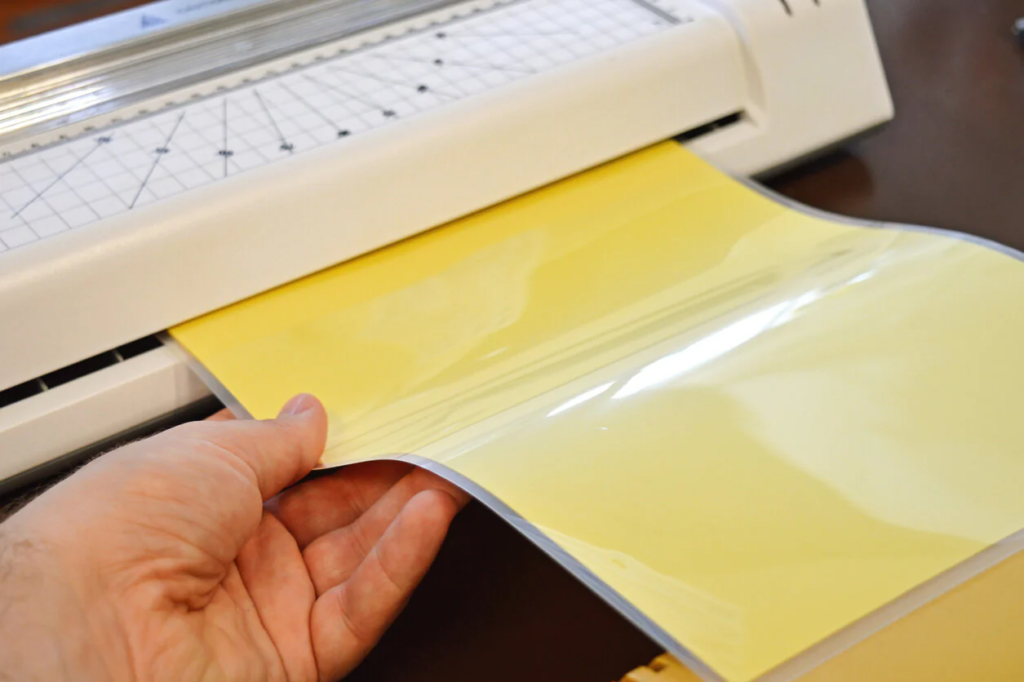
Thicker film can add strength, but it is not always necessary. Many printed pieces only need light or medium film for a clean surface and basic protection. Choosing film thickness based on handling, folding, and storage can reduce unnecessary cost while keeping quality dependable.
Wholesale Film Options
Printers that buy lamination film price wholesale may be able to offer better pricing on common finishes. Ask whether your project can use a film they already keep in stock. Special films can look appealing, but they usually cost more if they require separate sourcing.
Better Paper Match
Paper and film must work well together. Poor paper choice can cause curling, bubbles, dull patches, or weak bonding. A slightly better paper stock can sometimes reduce waste and improve the final result, making it more cost effective than choosing the lowest grade paper.
Practical Finish Choice
Gloss can make colors brighter, while matte gives a more refined appearance. Soft touch feels premium, but it normally costs more. The best choice depends on your product, audience, and budget. For many everyday jobs, affordable printing lamination can still create a polished result.
Packaging Use Needs
Packaging faces more stress than simple flyers or cards. It may be handled, stacked, shipped, stored, or exposed to moisture. For smaller brands, cheap packaging lamination for small businesses can work well when the film is chosen according to real packaging conditions.
Production Efficiency That Protects Quality
Group Similar Jobs
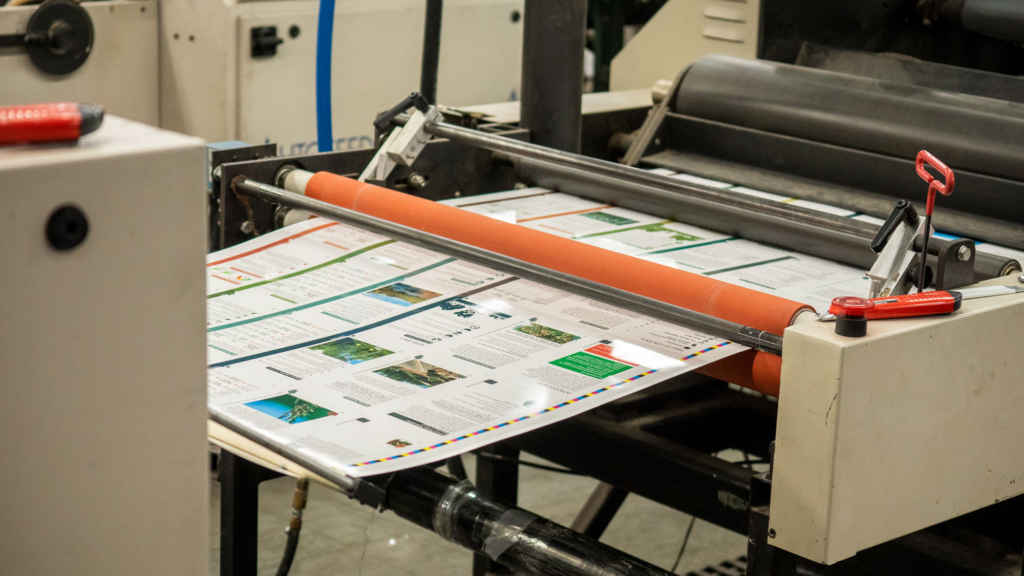
If you need several items with the same paper and finish, group them into one production run. Cards, inserts, tags, and packaging sheets can sometimes be produced together. This reduces setup changes, saves time, and improves consistency across related materials.
Repeat Same Specs
Using the same size, paper, and finish for repeat orders helps control cost. The printer already understands the setup, and fewer adjustments are needed. It also keeps your brand presentation consistent, which is important for customers who see your packaging often.
Reduce Setup Waste
Every lamination job needs test sheets for heat, pressure, alignment, and bonding. A skilled commercial lamination service can reduce waste by setting up machines correctly before the full run begins. Less waste means better pricing and fewer quality problems.
Store Prints Properly
Finished sheets should be stored flat, dry, and away from heat. Poor storage can cause bending, edge damage, or surface marks before the product is even used. Good storage habits protect the money already spent on printing and finishing.
Explain Final Use
Tell your printer how the finished piece will be used. A menu, product sleeve, cosmetic insert, food label, or shipping card may need different protection. When the printer understands the final use, they can recommend a finish that fits the job instead of overselling.
Cost Control Without Cutting Corners
Compare Full Quotes
Review paper stock, film type, finish, turnaround time, proofing, trimming, and file checking. A cheaper quote may leave out important production steps. A complete quote shows the real value behind the final price.
Review Sheet Pricing
For flat printed items, the lamination service cost per sheet can change based on size, quantity, film, finish, and setup. Ask for pricing at different quantities. Sometimes ordering slightly more can reduce the unit cost enough to make the total value better.
Choose Common Finishes
Common gloss and matte films are usually easier to source and faster to run. Since many printers keep them available, they are often more economical than specialty finishes. This is one reason affordable printing lamination can be a smart choice for regular business materials.
Build Supplier Trust
A reliable printer becomes more useful over time because they learn your brand standards, budget, and common order types. They can warn you when a premium finish is unnecessary and guide you toward options that still look good without adding waste.
Avoid Rush Orders
Rush production can increase cost and reduce the time available for checking. Planning earlier gives you more options for materials, scheduling, proofing, and corrections. When a job is not rushed, quality control is stronger and mistakes are easier to prevent.
Quality Checks That Prevent Expensive Mistakes
Approve Small Proofs: A proof lets you check color, finish, surface feel, and overall presentation before the full batch is produced. It may add a small upfront cost, but it can prevent a much larger loss if something is wrong after lamination.
Inspect Clean Edges: Edges and corners matter because poor trimming can cause peeling or a rough appearance. Clean edges help the piece look finished and last longer. This is especially important for packaging, menus, cards, and materials customers handle directly.
Test Film Bonding: Good lamination should bond smoothly without bubbles, lifting, cloudy spots, or uneven texture. Adhesion can be affected by ink coverage, drying time, paper coating, and machine settings. Testing bonding early helps protect the full order.
Check Real Handling: A sample should be tested the way customers will use it. Place it in packaging, bend it slightly, stack it, ship it, or handle it repeatedly. Real use testing often reveals issues that are not visible when a sample is only viewed on a desk.
Frequently Ask Questions
Is Gloss Cheaper?
Gloss is often more economical because it is widely used and commonly stocked. However, price still depends on paper, film, sheet size, quantity, and production setup. Matte may cost a little more in some cases, but it can be worth it for a softer and more premium look.
Does Thickness Matter?
Yes, but thicker film is not always better. Heavy film may be useful for items that face frequent handling, moisture, or bending. For simple inserts, cards, and light packaging pieces, a thinner film can provide enough protection at a lower cost.
Can Small Brands Save?
Small brands can save by using standard sizes, clean artwork, common finishes, and practical quantities. Planning repeat orders also helps. Cheap packaging lamination for small businesses can still look professional when the material and finish are selected carefully.
Why Prices Vary?
Prices vary because lamination depends on setup time, machine testing, film type, paper stock, sheet size, waste, and quantity. A small job may have a higher unit cost because the setup effort is spread across fewer pieces.
How Defects Happen?
Defects often happen because of poor paper choice, wet ink, wrong machine settings, dust, rough handling, or rushed production. Checking files, approving proofs, and choosing the right production partner can prevent most common lamination problems.
Nutshell
Reducing lamination cost is not about lowering standards. It is about making better decisions before production begins. When you plan the size, quantity, paper, film, finish, and timing carefully, you reduce waste and avoid paying for features that do not add real value.
Good lamination should protect your printed materials, support your brand image, and fit the way the item will actually be used.
With the right planning and a practical production partner like Laguna Digital, businesses can keep printed packaging and marketing materials professional without overspending.