
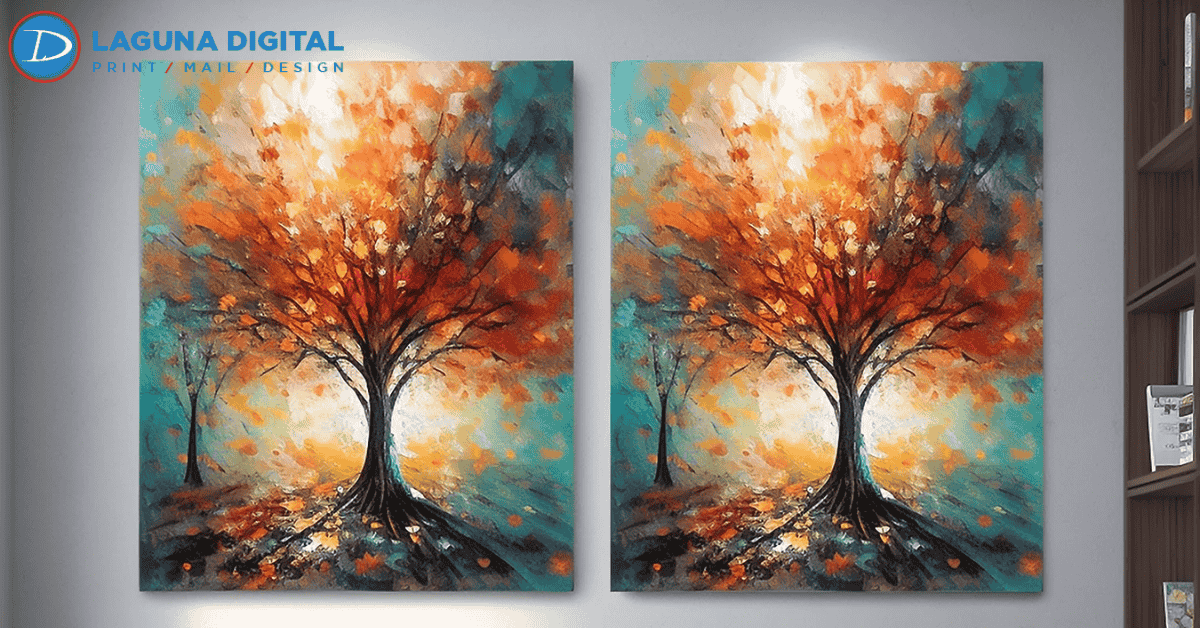
We have all walked into an office that felt sterile, cold, and entirely disconnected from the brand it was supposed to represent. As someone who has worked in the printing and design industry for years, I can tell you that blank white walls or generic, big-box store posters do very little to inspire confidence in a client or creativity in an employee. The environment you cultivate speaks volumes before you ever shake a hand or hand over a business card.
However, placing original, one-of-a-kind paintings in a high-traffic commercial space is a logistical nightmare and a massive financial risk. This is where professional Art Reproduction California services bridge the gap between luxury and practicality. By utilizing high-fidelity scanning and archival printing, businesses can curate spaces that feel sophisticated and culturally rich, all while protecting their budget and eliminating the fear of damaging irreplaceable original works.
The Strategic Impact of Visual Atmosphere in Business
When we consult with business owners, we often have to shift the conversation from decorating to visual strategy. Art isn’t just about filling empty space; it is about controlling the mood of the room. I’ve seen law firms use calming landscapes to lower the anxiety of clients in the waiting room, and tech startups use vibrant, abstract reproductions to stimulate energy in collaborative zones.
The texture and color accuracy of the print play a massive role here. If a reproduction looks flat or pixelated, it cheapens the brand immediately. It tells the viewer that good enough is the standard. High-quality art reproduction captures the brushstrokes and the depth of the original, creating an atmosphere of authenticity that standard posters simply cannot achieve.
Selecting the Right Medium for High-Traffic Areas
In a commercial setting, durability is just as important as aesthetics. Unlike a climate-controlled museum, an office lobby deals with sunlight, humidity fluctuations, and the occasional coffee spill. When we handle Digital Printing for commercial clients, we have to look at the longevity of the materials. Are we printing on canvas to mimic an oil painting, or a smooth rag paper for a modern photography look?
For high-traffic corridors, canvas reproductions are often the best choice because they are robust and eliminate the need for glass, which cuts down on glare and breakage risks. Conversely, for executive boardrooms, framing a high-resolution print behind UV-protective acrylic can add a necessary layer of prestige. It is about matching the physical material of the art to the function of the room it inhabits.
Protecting Your Assets: Why Reproductions Make Sense
One of the most common conversations I have with corporate art collectors involves risk management. You might own a stunning original piece that perfectly embodies your company’s history, but hanging that piece in a lobby that gets direct California sunlight is a recipe for disaster. UV rays will destroy pigments in an original painting surprisingly fast.
By creating a museum-quality facsimile, you get the best of both worlds. You can display the image proudly in your business while the asset itself remains safe in storage. If you want to understand more about how this process safeguards your investment, we have detailed insights on preservation techniques that explain the science behind archival scanning and safety.
Cohesion Across Multiple Office Locations
A challenge many growing businesses face is maintaining a consistent brand feel across different branches. If you have an HQ in Los Angeles and a satellite office in San Diego, you want the experience to feel uniform. Original art is unique, meaning it can only be in one place at a time. Art reproduction allows you to syndicate your visual identity.
We have worked with franchises that commission one local artist to create a series, and then we reproduce those pieces for every location. This supports the local arts community while ensuring every office feels “on brand.” Additionally, we often pair these wall installations with other branded materials. For example, placing high-end portfolio books created through Book Printing in the waiting area creates a fully immersive brand narrative from the walls to the coffee table.
The Nuance of Color Correction and Proofing
The difference between a mediocre print and a stunning reproduction usually comes down to the technician’s eye. Machines are incredible, but they require human guidance. When we engage in professional Photo Printing or fine art giclée, we are constantly tweaking color profiles to ensure the reproduction matches the original artwork under the specific lighting conditions of your office.
Fluorescent office lighting reads color differently than warm residential lighting. A print that looks perfect in a studio might look washed out in a conference room. Experienced printers understand these variables. We run test strips and proofs, adjusting saturation and contrast to ensure the final piece pops exactly the way it should when it is finally hung on your wall.
Adapting Art for Hybrid and Remote Workspaces
The definition of “office space” has changed drastically in the last few years. We are seeing more companies sending “office setup kits” to remote employees to help them professionalize their Zoom backgrounds and feel connected to the company culture. A small, high-quality framed print of the company’s iconic artwork can make a home office feel like an extension of headquarters.
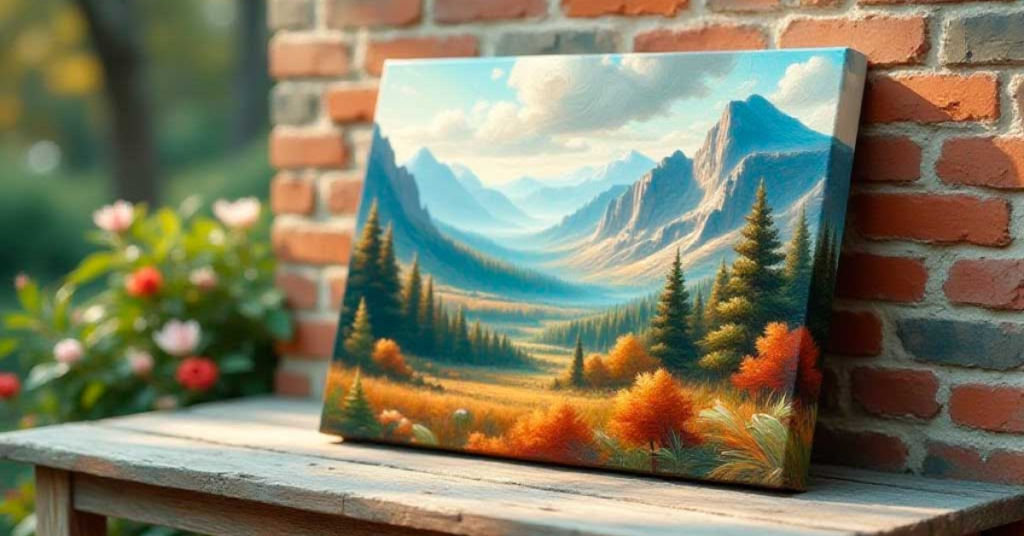
This approach boosts morale and creates a sense of belonging, even for workers who are hundreds of miles away. If you are considering rolling out a program like this for your remote team, reviewing options for decorating hybrid workspaces can provide some excellent inspiration on sizing and placement for home environments.
FAQs
How long do commercial art reproductions last before fading?
When using archival pigment inks (often called Giclée printing) on acid-free paper or canvas, prints can last 80 to 100 years without significant fading, provided they aren’t in direct, harsh sunlight all day. For commercial spaces with large windows, we always recommend UV-protective glazing or specific UV-resistant coatings for canvas to extend the lifespan even further.
Can you reproduce art from a digital file, or do you need the original?
We can work from digital files, but resolution is everything. A photo taken on a smartphone usually isn’t high enough quality to print a large lobby-sized canvas without becoming blurry. For the best results, we prefer to scan the original artwork using our high-resolution scanners. This captures the texture and minute details that make the reproduction look like the real thing.
Is there a copyright issue with reproducing art for my office?
This is a vital question. You cannot legally reproduce artwork (even if you own the physical painting) without the permission of the copyright holder, which is usually the artist. We always ensure that our commercial clients have the rights to reproduce the images they bring to us. If you are looking for art, we can often recommend sources or artists who license their work for corporate reproduction.
Conclusion
Transforming your commercial space doesn’t require an endless budget or the risk of exposing valuable masterpieces to the hazards of a busy office. It requires a thoughtful approach to visual strategy and a partnership with a printing service that cares about the details. Whether it is a vibrant canvas for the breakroom or a series of framed prints for the boardroom, the quality of the reproduction reflects the quality of your business.
We have seen firsthand how the right art can change the energy of a room and the mindset of the people in it. If you are ready to elevate your workspace with professional reproductions that look and feel authentic, Laguna Digital is here to help you curate the perfect environment.