
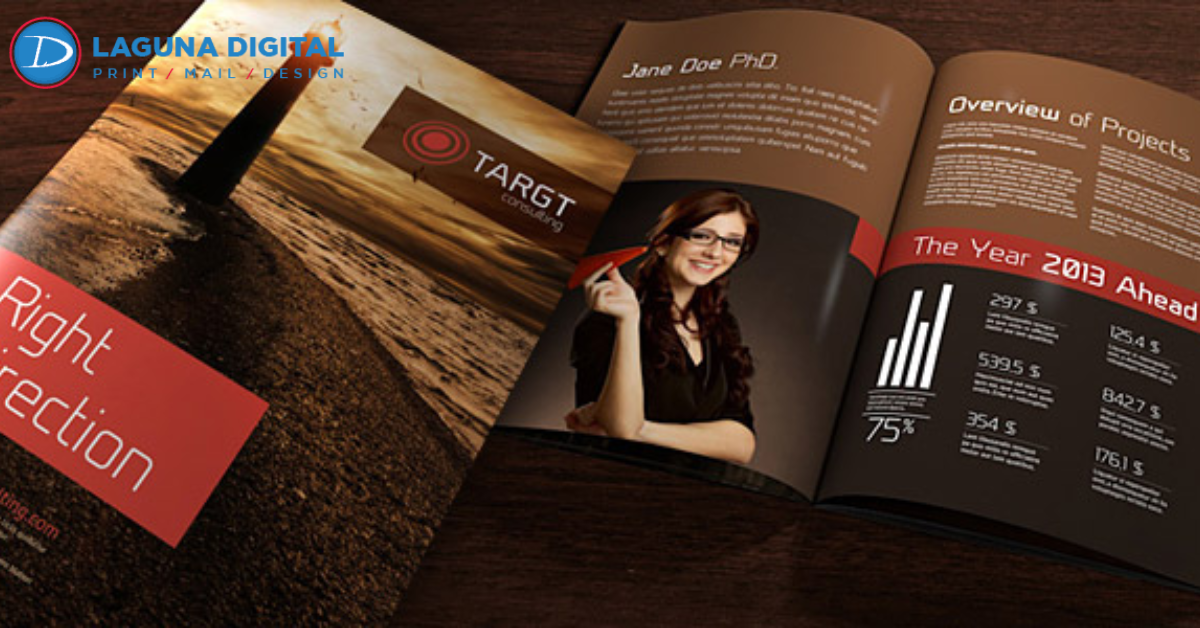
If there is one thing I have learned after years in the printing and marketing industry, it is that digital fatigue is real. While everyone is fighting for a fraction of a second on a smartphone screen, smart business owners are rediscovering the power of placing something tangible, beautiful, and substantial into a customer’s hand. As we move toward 2026, the brochure is not dying; it is evolving into a premium touchpoint that bridges the gap between digital interest and physical trust.
However, simply printing a few thousand flyers and hoping for the best is no longer a viable strategy. I have sat across the desk from countless business owners who are frustrated because their previous print campaigns fell flat. Usually, the issue isn’t the medium itself, but the execution. To make an impact today, you need high-quality Brochures that feel like a gift rather than an advertisement. In this guide, I will walk you through the design trends that are actually working right now and how to leverage them for the coming year.
The Return to Texture and Tactile Experience
In 2026, the most successful marketing materials engage more than just the eyes. When we work with clients at Laguna Digital, we constantly emphasize that the feel of the paper is just as important as the graphic design. We are seeing a massive shift away from flimsy, high-gloss mass mailers toward textured, uncoated, and matte-finished stocks.
This shift is driven by a desire for authenticity. A heavy, textured cardstock communicates stability and luxury before the client even reads a single word. Soft-touch laminates, which feel like velvet, or spot UV coatings that add a raised glossy texture over specific logos, are becoming the standard for businesses that want to be taken seriously. If your brochure feels cheap, your service will be perceived as cheap it is a harsh reality of physical marketing, but one that is easily fixed with the right material choices.
Embracing Minimalist Layouts for Maximum Impact
The days of cramming every single service, testimonial, and price point into a tri-fold are over. The most effective designs we see now utilize negative space or white space heavily. By decluttering the layout, you guide the reader’s eye exactly where you want it to go. A minimalist design signals confidence, it shows that you don’t need to shout to be heard.
Innovative Folding Techniques Beyond the Tri-Fold
While the standard tri-fold has its place, 2026 is the year of unique folding techniques. If you want to stand out from the stack of mail on a prospect’s desk, you have to break the mold. We have seen excellent results with gate-folds (where two panels open like doors to reveal a center image) and Z-folds, which encourage the reader to follow a linear narrative rather than jumping around the page.
When to Upgrade to a Booklet Format
Sometimes, a folded sheet just isn’t enough to tell your story. If you have a complex product line or need to showcase a portfolio, cramming it into a brochure can look messy. In these cases, we often recommend transitioning to book printing. A saddle-stitched booklet brochure offers a magazine-like experience that keeps potential clients engaged longer. It allows for larger images and better storytelling, turning a quick sales pitch into a valuable resource they might keep on their coffee table.
High-Fidelity Imagery and Advanced Printing Tech
We live in a high-definition world. Your customers are used to seeing 4K screens, so if your print marketing features grainy or low-resolution images, you lose credibility instantly. Professional photography is non-negotiable. Whether you are selling real estate, food, or consulting services, the crispness of your imagery reflects the precision of your work.
To get that gallery-quality look, the printing method matters immensely. Modern digital printing technology has advanced to the point where short-run prints can match the quality of traditional offset presses. This is great news for small to medium businesses because it means you can print smaller batches with higher customization without breaking the bank. You can even personalize brochures with the client’s name or specific industry images, which significantly boosts conversion rates.
Ensuring Color Accuracy in Production
One of the most frequent issues we troubleshoot is color mismatching between screen and paper. If you are preparing your own files, understanding color profiles is vital. We actually wrote a deep dive on this topic recently check out our guide on avoiding printing errors to save yourself the headache of a reprint. Furthermore, if your brochure relies heavily on photographic assets, using professional photo printing techniques ensures your visual assets are calibrated correctly before they make it onto your marketing materials.
Strategic Integration with Digital Campaigns
A brochure should never be a dead end. In 2026, the best designs act as a gateway to your digital ecosystem. We are seeing a move away from generic visit our website text. Instead, smart designs incorporate dynamic QR codes that lead to personalized landing pages, video demonstrations, or booking calendars.
You might be wondering if it’s worth the effort to combine these mediums. The answer is yes. We have analyzed this extensively in our article on the importance of brochures. The tangible nature of a brochure stimulates different parts of the brain than a digital ad, improving memory retention. When you hand someone a brochure, you are creating a physical connection that pixels simply cannot replicate.

Visual Hierarchy and Asset Preparation
Nothing ruins a design faster than a photo that looks great on Instagram but dark and muddy in print. Because screens emit light and paper reflects it, images often print darker than expected. Before you commit to a full run of brochures, especially if they are image-heavy, it is wise to run a test. If you need more context on file preparation, our insights on printing digital photos can help you understand quality standards required for professional output.
FAQs
Is it better to use a glossy or matte finish for business brochures in 2026?
This depends heavily on your industry. Glossy finishes make colors pop and are great for food or product catalogs, but they can suffer from glare. Matte or soft-touch finishes are generally perceived as more “premium” and corporate. For 2026, we are seeing a strong preference for matte paper with spot UV (glossy) accents on logos or key headers.
How many pages should my brochure be?
A standard tri-fold offers 6 panels, which is perfect for a quick overview. However, if you are explaining a complex service or showcasing a portfolio, an 8-page or 12-page booklet is often more effective. Don’t try to shrink your font size to fit more text; increase the page count instead to maintain readability.
What is the standard paper weight for a professional brochure?
Avoid standard 80lb text paper if you want to impress. We recommend at least 100lb text (gloss or matte) for a standard brochure, or 80lb/100lb cover stock for a card-style brochure. The heavier the paper, the more substantial and expensive the brochure feels in the client’s hand.
How can I measure the ROI of my print brochures?
The best way to track ROI is to use a specific call-to-action (CTA) unique to the brochure. This could be a QR code with UTM tracking, a specific phone number used only on print materials, or a dedicated landing page URL. This allows you to see exactly how much traffic and conversion your print campaign is generating.
Conclusion
As we look toward 2026, the brochure remains a vital tool in the marketing arsenal, provided it is executed with intention and quality. It is no longer just about information delivery; it is about brand experience. By focusing on tactile paper stocks, minimalist designs, and high-quality printing techniques, you can create a piece of marketing that your clients will hesitate to throw away.
Remember, your marketing materials are often the first physical interaction a prospect has with your business. Make it count. If you need inspiration, want to read more industry insights on our blog, or are ready to start a project, we are here to help guide you through the process. Feel free to contact us to discuss how we can bring your 2026 marketing vision to life.