
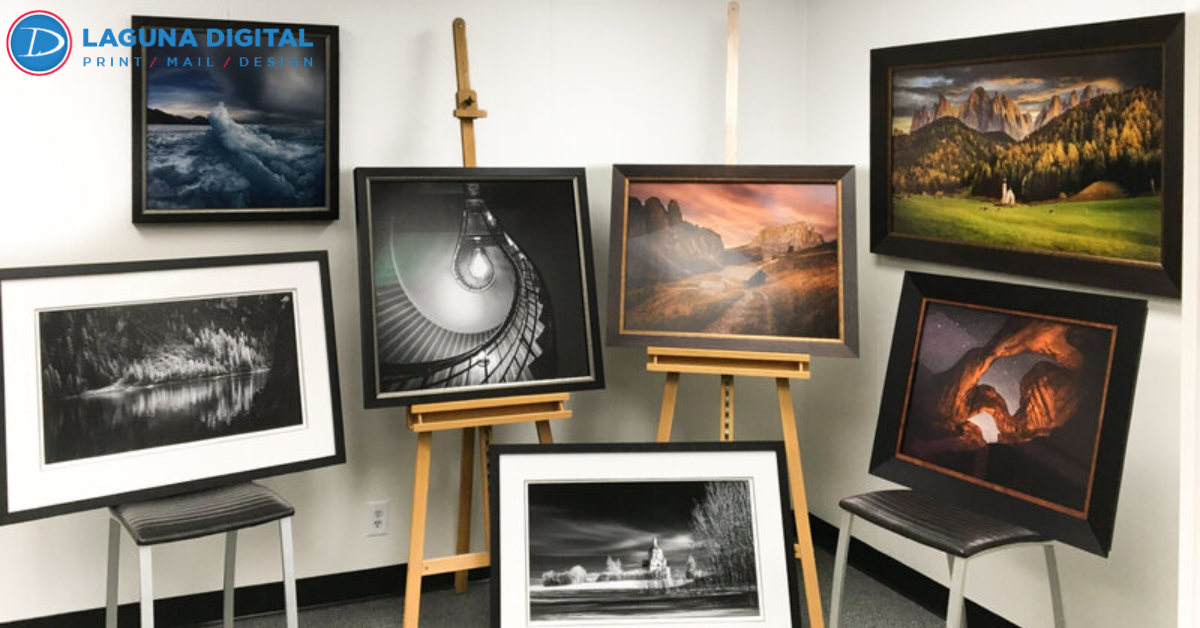
Many artists pour hundreds of hours into a single canvas, perfecting every shadow and delicate brushstroke. When gallery owners or creative entrepreneurs decide to monetize those original pieces, they often face a frustrating reality regarding print quality. Standard print shops simply cannot capture the subtle nuances that make the original physical piece special. You need a reliable process that translates physical texture into a two-dimensional format without losing the soul of the work. For those looking to master Art Reproduction, understanding how to capture those micro-details forms the absolute foundation of a successful print business.
Why Capturing Fine Details Matters for Your Print Business
Over the years, we have seen countless artists receive their first batch of prints only to feel immediate disappointment. Colors look muddy, intricate line work blurs together, and the emotional impact of the original completely vanishes. Buyers notice these glaring flaws immediately, and a poor-quality print can quickly damage your professional reputation in the art community. When you provide buyers with a stunning, high-fidelity print, you build immense trust and encourage long-term repeat business.
The Problem with Standard Commercial Printing
Everyday commercial printers excel at producing flyers, business cards, and basic marketing materials at incredibly high speeds. However, they lack the specific color gamuts and high-resolution capabilities required for fine art replication. These machines prioritize rapid efficiency over accuracy, which means they routinely compress intricate details into flat, lifeless images. We always remind clients that treating a fine art piece like a corporate brochure will yield disappointing results every single time.
How Color Accuracy Drives Buyer Trust
Art collectors expect the prints they purchase to reflect the true, authentic vision of the original artist. If a vibrant cerulean blue turns into a dull navy on paper, the entire mood of the composition shifts drastically. We utilize advanced color calibration tools to ensure the digital file matches the physical canvas precisely before any ink hits the paper. Maintaining strict color accuracy shows your buyers that you truly care about the integrity of your creative work.
The Technical Process Behind Museum-Quality Prints
Creating a flawless print requires much more than simply snapping a photo with a high-end consumer camera. We follow a strict, multi-step process to ensure every tiny detail transfers perfectly from the original canvas to the final paper. This workflow demands specialized equipment, deep technical knowledge, and a highly trained eye for subtle variations in tone. Let us walk you through the core components that make high-end artistic reproduction possible.
High-Resolution Scanning Over Standard Photography
Many emerging artists try to photograph their own work using natural lighting and standard digital cameras in their home studios. Unfortunately, this amateur method introduces uneven shadows, glare from varnishes, and slight lens distortions that warp the final image. We rely on large-format, high-resolution scanners that capture the artwork evenly from edge to edge without any distortion. This specialized scanning process records the depth of heavy impasto brushstrokes and the delicate grain of watercolor paper with absolute clarity.
Choosing Archival Inks and Fine Art Papers
The materials you select for your prints carry just as much importance as the initial digital capture process. Standard acidic papers yellow over time, while cheap dye-based inks fade after just a few months of sunlight exposure. We exclusively use pigment-based archival inks paired with acid-free cotton rag or premium canvas substrates for our clients. These professional-grade materials guarantee that your fine details remain crisp, vibrant, and highly valuable for generations.
Bridging the Gap Between Original Textures and Digital Output
Translating a three-dimensional physical surface into a perfectly flat digital file presents one of the biggest challenges in this industry. A heavy oil painting features distinct ridges that catch the light, while a digital print must simulate that depth optically. Understanding the nuances of digital vs hand-painted art reproduction helps artists set realistic expectations for their final retail products. We work closely with creators to optimize their digital files so the visual illusion of texture remains incredibly convincing.
Managing Shadows and Brushstroke Illusions
Lighting plays a highly critical role when capturing heavily textured artwork for professional reproduction purposes. If the scanner or studio lighting hits the canvas at the wrong angle, the brushstrokes will cast harsh, unnatural shadows. We control the lighting environment meticulously to highlight the texture gently without overwhelming the original color palette. This careful balance ensures the final print looks rich and dynamic rather than flat, digital, and artificial.
Scaling Your Creative Business Through High-Fidelity Prints
Offering premium reproductions allows you to reach a much wider audience without diluting the financial value of your original pieces. When buyers unroll a beautifully crafted print that reveals every tiny pencil mark, they feel an immediate connection to the art. We watch our clients grow their revenue streams significantly once they commit to museum-quality reproduction standards. Your ongoing dedication to print quality eventually becomes your strongest and most reliable marketing tool.
Building a Reputation for Quality
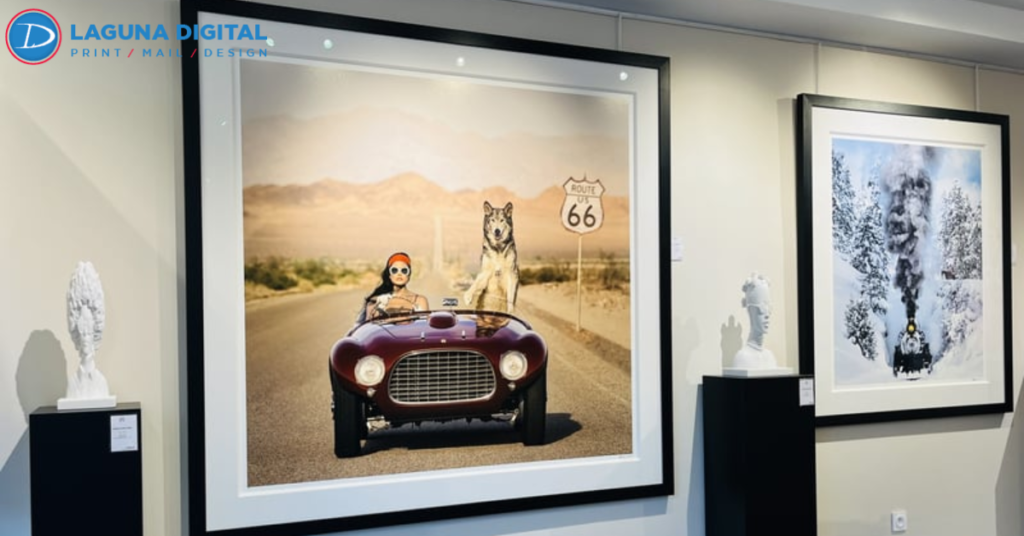
Word of mouth remains a powerful driving force in the art community, and collectors frequently share their favorite finds with others. Delivering a physical product that consistently exceeds expectations turns a one-time buyer into a lifelong collector and advocate for your brand. We encourage artists to include certificates of authenticity and detailed care instructions with every piece they ship to a customer. These small professional touches reinforce the value of the fine details you worked so hard to preserve.
Conclusion
Preserving the soul of an original masterpiece requires immense patience, technical skill, and a deep respect for the creative process. We understand the anxiety artists feel when handing over their life’s work to a commercial print service provider. By prioritizing high-resolution capturing, color accuracy, and premium archival materials, you can confidently share your art with the entire world. Whenever you feel ready to elevate your print quality, the team at Laguna Digital stands ready to help you capture every crucial detail. Reach out to us today to discuss the unique requirements of your next big creative project.