
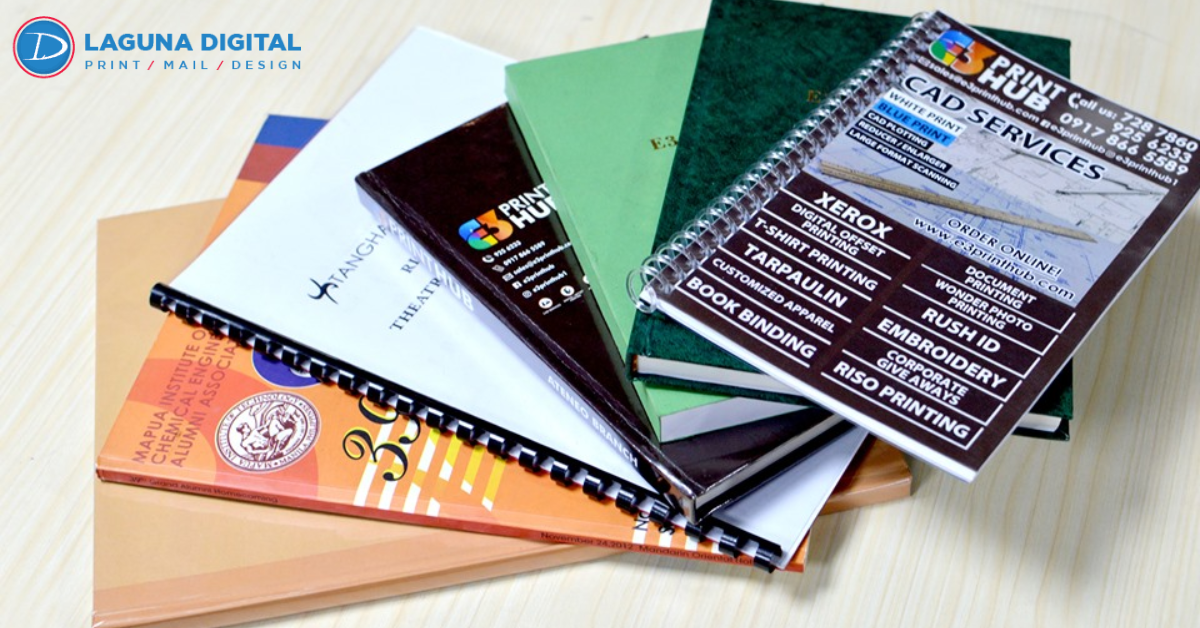
Books are more than just collections of printed pages; they represent ideas, creativity, professionalism, and sometimes even the identity of a brand or organization. One of the most crucial aspects that determines how a book looks, feels, and lasts over time is its binding. A well-bound book not only protects the pages inside but also enhances the overall presentation, making it appealing to readers, customers, students, and professionals alike. Whether it is a corporate report, a training manual, a catalog, or a novel, the type of binding used plays a major role in its usability and perceived value.
Choosing the right Book Binding method is not just a technical decision—it is a strategic one. The right style can improve readability, strengthen durability, and create a polished appearance that leaves a lasting impression. Businesses, educators, authors, and organizations often rely on professional binding solutions to ensure their printed materials look refined and organized. Understanding the different types of binding available helps individuals and companies select the best option that balances functionality, aesthetics, and cost.
Understanding Book Binding and Its Importance
What Is Book Binding?
Book binding is the process of assembling and securing printed pages together into a structured format that forms a book, booklet, or document. This process involves attaching pages along one edge and often adding a protective cover to ensure durability and a clean appearance. Binding techniques have evolved significantly over the years, moving from traditional handcrafted methods to modern industrial solutions that provide speed, precision, and consistency.
In the modern printing industry, binding serves both practical and visual purposes. A properly bound book allows readers to flip through pages smoothly, keep the content organized, and maintain the document’s structural integrity over time. Without reliable binding, printed pages can easily become damaged, disorganized, or difficult to use. As a result, businesses, publishers, and organizations pay close attention to binding styles when producing printed materials intended for long-term use or professional presentation.
Why Quality Binding Matters
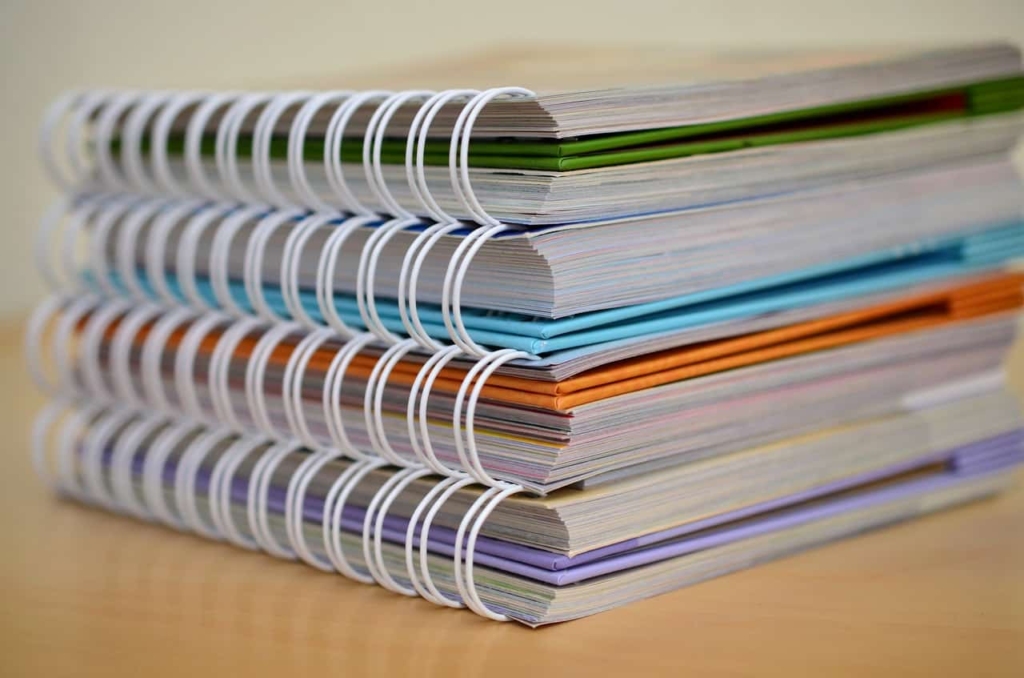
Quality binding is not only about holding pages together—it also defines the durability and overall user experience of a book. Strong binding protects pages from tearing, prevents loose sheets, and ensures that the book can withstand frequent handling. For materials such as training manuals, educational guides, product catalogs, or corporate presentations, durability becomes especially important because these documents are often used repeatedly.
Another key factor is visual impact. When readers or clients receive a well-bound document, it instantly communicates professionalism and attention to detail. High-quality binding enhances credibility and makes the content feel more valuable and trustworthy. For businesses, this small detail can significantly influence how their brand or message is perceived by customers and partners.
Perfect Binding
Features of Perfect Binding
Perfect binding is one of the most widely used techniques for producing professional-looking books and magazines. In this method, the pages and cover are glued together along the spine using a strong adhesive. The edges are trimmed to create a clean, flat appearance that resembles traditional paperback books. Because of its sleek and polished finish, perfect binding is commonly used for novels, catalogs, annual reports, and marketing materials.
This binding style allows the spine to display titles, logos, or branding elements, which is particularly useful when books are placed on shelves or displayed in stores. The flat spine also contributes to a more organized look, making the publication feel structured and easy to handle. For companies producing high-volume printed materials, perfect binding provides an excellent balance between cost efficiency and visual quality.
Advantages for Professional Publications
One of the biggest advantages of perfect binding is its ability to deliver a modern and refined look without significantly increasing production costs. It is ideal for medium to large page counts and creates a book that feels sturdy yet lightweight. Readers appreciate the clean finish, while publishers benefit from the professional appearance that elevates the presentation of their content.
Another benefit is its versatility. Perfect binding works well for a wide range of publications including marketing brochures, corporate documents, educational textbooks, and product catalogs. Because the pages are securely glued and trimmed, the final product maintains a neat structure that looks appealing in both professional and retail environments.
Spiral Binding
Flexibility and Ease of Use
Spiral binding, often referred to as coil binding, uses a flexible plastic coil threaded through holes punched along the edge of the pages. This design allows the book to open completely flat or fold back on itself, making it extremely convenient for readers who need hands-free access while working, studying, or presenting information.
The flexibility of spiral binding makes it particularly useful for documents that require frequent reference. Unlike traditional binding styles that may close on their own, spiral bound books stay open exactly where the reader leaves them. This feature enhances usability and improves the reading experience for manuals, instructional guides, and training materials.
Best Applications for Spiral Bound Books
Spiral binding is commonly used for notebooks, educational workbooks, cookbooks, instruction manuals, and training guides. Its durable plastic coil ensures that pages turn smoothly and remain secure even with constant handling. Because the pages can rotate 360 degrees, users can easily manage the document without worrying about damaging the spine.
For businesses and organizations, spiral binding also offers practical advantages during meetings and presentations. Participants can take notes, reference information quickly, and keep documents organized without dealing with loose sheets or fragile binding structures.
Saddle Stitch Binding
How Saddle Stitch Works
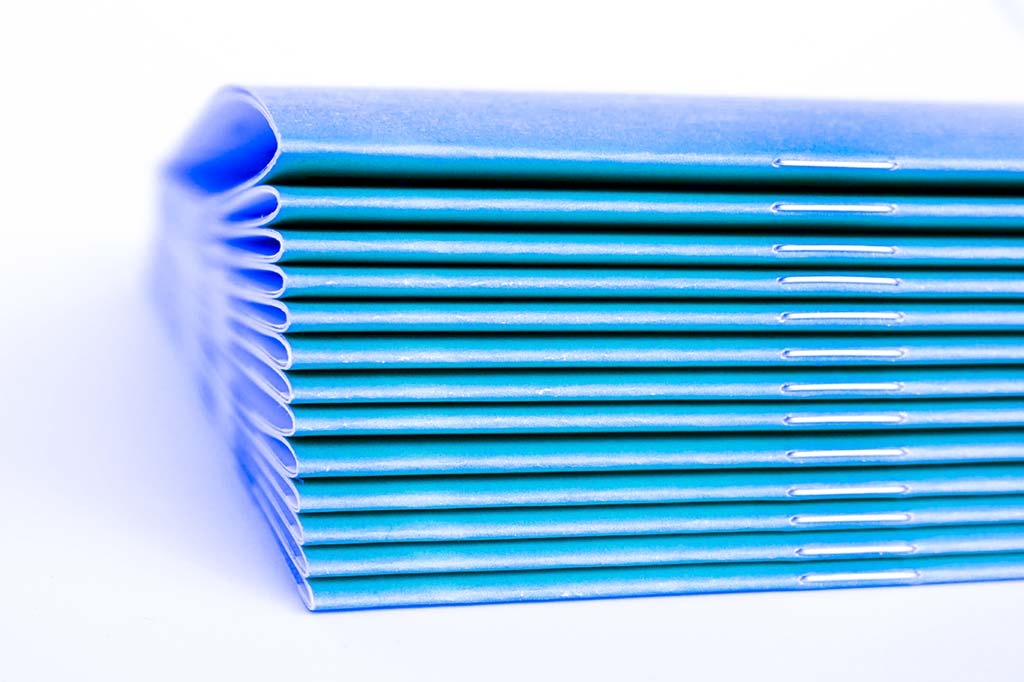
Saddle stitch binding is a simple yet effective method commonly used for smaller booklets and magazines. In this technique, folded sheets of paper are stacked together and stapled along the fold line at the center. The result is a compact booklet that is lightweight, easy to distribute, and quick to produce.
Because the process is straightforward, saddle stitch binding is often chosen for short publications that require cost-effective production. The binding allows the booklet to open naturally, making it convenient for readers to browse through the content without difficulty.
Why It’s Ideal for Lightweight Publications
This binding style is particularly suitable for brochures, newsletters, event programs, and promotional booklets. Since it works best with lower page counts, saddle stitching keeps the document slim while maintaining a professional appearance.
Another advantage is speed. Saddle stitch binding allows for rapid production, making it an excellent option for projects with tight deadlines. Businesses that need marketing materials or informational booklets produced quickly often prefer this method because it balances affordability with efficiency.
Case Binding (Hardcover Binding)
Premium Look and Durability
Case binding, often known as hardcover binding, is considered one of the most durable and prestigious binding methods available. In this technique, the pages are sewn or glued together and attached to a rigid cover made from thick board material. The cover is usually wrapped with printed paper, cloth, or other protective materials that enhance both appearance and longevity.
This binding style creates a strong and elegant structure that can withstand years of use. Hardcover books maintain their shape, protect the inner pages from damage, and give the publication a high-end feel. Because of these qualities, case binding is frequently used for premium books, collector editions, academic texts, and coffee table publications.
When to Choose Hardcover Binding
Organizations often select hardcover binding when durability and prestige are top priorities. Books that are meant to last for years—such as reference materials, academic volumes, or commemorative publications—benefit greatly from this method. The rigid cover ensures that the pages remain protected, even with frequent handling.
Another reason publishers prefer hardcover binding is its visual impact. The strong spine allows for clear titles and branding, making the book stand out on shelves and display tables. This not only improves organization but also enhances the perceived value of the publication.
Wire-O Binding
Professional Presentation
Wire-O binding uses a double-loop metal wire inserted through punched holes along the edge of the pages. This binding style offers a sleek and professional appearance that is commonly used for corporate documents and high-quality presentations.
Practical Benefits
The metal wire allows pages to turn smoothly and lay completely flat, making it easy to read or write on the pages. Wire-O binding is particularly suitable for calendars, planners, reports, and manuals that require durability combined with a refined look.
Comb Binding
Comb binding is widely used for office documents and training manuals because of its flexibility and affordability. The process involves inserting a plastic comb into rectangular holes punched along the spine of the pages. This structure allows pages to open flat and be turned easily, making it convenient for readers who need quick access to information.
One of the most appealing aspects of comb binding is its ability to accommodate document updates. Pages can be added or removed without replacing the entire binding, which is extremely useful for evolving materials such as company manuals, educational guides, or internal training resources. The lightweight design keeps the document easy to handle while still providing a neat and organized appearance that works well in professional environments.
Tape Binding
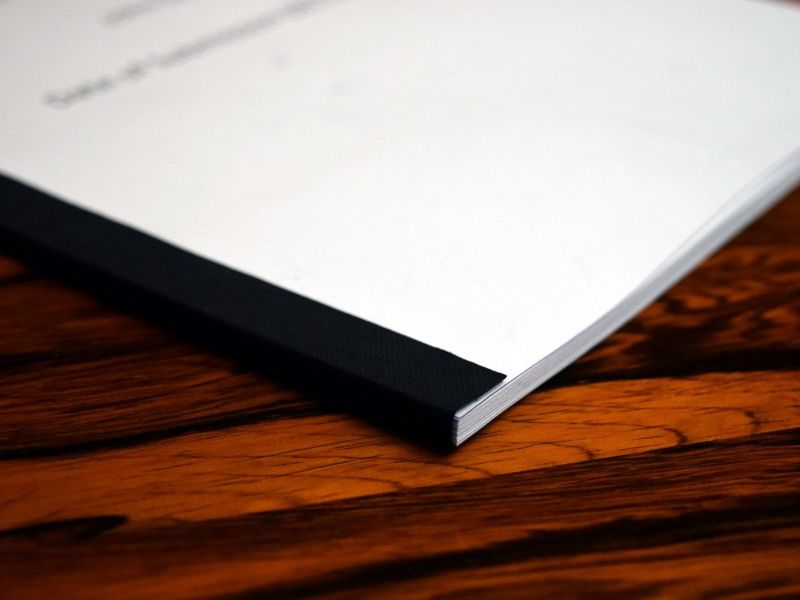
Tape binding is a simple yet effective method that uses strong adhesive tape applied along the spine of the document. This tape secures the pages together while also covering the edge for a clean and polished finish. Because the process is straightforward and quick, tape binding is often used for short-term reports, proposals, or presentations that require a tidy appearance without extensive production time.
Another advantage of tape binding is its flexibility in accommodating different document sizes and thicknesses. The tape can be applied in various colors, allowing organizations to match branding or create visually organized materials. While it may not offer the same durability as hardcover or perfect binding, tape binding provides a practical solution for documents that need to look professional while remaining cost-effective.
Thermal Binding
Thermal binding is a modern technique that uses heat to activate adhesive inside a specially designed cover. The pages are inserted into the cover, and a thermal binding machine melts the adhesive to secure them in place. Once the adhesive cools, the pages are firmly attached, creating a smooth and professional finish similar to traditional book binding methods.
One of the main advantages of thermal binding is its clean, seamless appearance. The finished document looks polished and well-structured, making it ideal for business reports, presentations, and formal documents. The process is also relatively quick, allowing organizations to produce professional-looking materials without complex equipment or lengthy production times.
Key Benefits of Choosing the Right Binding Style
- Enhances the professional appearance of printed materials
- Improves durability and protects pages from damage
- Makes documents easier to read and handle
- Supports branding and visual presentation
- Provides flexibility for different types of publications
FAQs
What is the most durable book binding method?
Hardcover or case binding is widely considered the most durable binding method available. It uses rigid boards and strong spine construction to protect the inner pages from damage. Because of this solid structure, hardcover books can withstand frequent handling and long-term storage. This is why it is commonly used for textbooks, reference books, and premium publications.
Which binding style is best for manuals and workbooks?
Spiral or Wire-O binding is usually the best choice for manuals and workbooks that need to stay open while being used. These bindings allow the pages to lay completely flat or fold back, which makes reading and writing easier. They are especially useful for training materials, instructional guides, and educational documents. This flexibility improves usability during daily tasks.
Is perfect binding suitable for large books?
Yes, perfect binding works very well for books with a medium to large number of pages. It creates a smooth and professional-looking spine that can display the title and other design elements clearly. This style is commonly used for catalogs, magazines, novels, and corporate reports. It offers a clean appearance while keeping production costs reasonable.
What binding option is the most cost-effective?
Saddle stitch binding is usually the most budget-friendly option for smaller publications. It uses staples placed along the fold of the pages, making the process quick and simple. Because it requires fewer materials and less production time, it helps reduce overall printing costs. It is commonly used for brochures, newsletters, and event programs.
Can binding improve the professional look of documents?
Yes, the right binding style can significantly improve how a document looks and feels. A well-bound book keeps pages organized, prevents damage, and creates a clean, structured appearance. This improves readability and gives the material a polished and credible presentation. For businesses, professional binding also helps strengthen brand image and presentation quality.
Conclusion
Selecting the right binding style plays a vital role in how printed materials are presented, used, and preserved over time. Each binding method offers unique advantages depending on the purpose of the document, the number of pages, and the level of durability required. From cost-effective booklet solutions to premium hardcover options, understanding these binding techniques allows individuals and organizations to produce publications that are both functional and visually appealing.
For businesses that want professional results, reliable printing partners make a significant difference. Laguna Digital delivers high-quality Book Binding solutions designed to enhance durability, presentation, and overall impact. With advanced equipment, skilled craftsmanship, and attention to detail, Laguna Digital ensures every bound document reflects professionalism and quality, helping brands present their content with confidence and excellence.