

There is a specific feeling every business owner gets when they see their brand displayed prominently for the first time. Whether it is a grand opening banner stretched across a storefront or a sleek, rigid sign in a lobby, that moment solidifies your presence in the real world. In my years working in the printing industry, I have learned that while digital marketing is essential, nothing replaces the immediate, trust-building impact of high-quality physical signage. It tells your local community that you are established, professional, and ready to serve them.
However, simply hanging a piece of vinyl on a wall isn’t enough to drive traffic. I have seen countless businesses waste money on signage that is illegible from the road, poorly designed, or printed on materials that fade within a month. At Laguna Digital, we believe that your signage is your silent salesperson one that works 24/7 without taking a break. Getting it right requires a blend of smart design, the right material selection, and a clear understanding of your physical environment.
The Role of Physical Signage in a Digital World
It is easy to get caught up in social media ads and email campaigns, often neglecting the physical space your business occupies. But consider this: how many times have you visited a new restaurant or shop simply because the sign caught your eye? Physical signage anchors your brand in the community. When I consult with clients, I remind them that high-quality banners and posters serve as visual interrupters. They break the pattern of a daily commute and force the potential customer to pay attention to your message, even if just for a few seconds.
The tactile nature of print also conveys a subconscious message about quality. A flimsy, wrinkled banner held up by duct tape suggests a business that cuts corners. Conversely, a taut, heavy-duty vinyl banner with reinforced grommets, or a vibrant, high-gloss poster, suggests reliability and attention to detail. Your signage is often the first interaction a prospect has with your brand; ensuring that interaction radiates professionalism is crucial for converting foot traffic into paying customers.
Choosing the Right Format for Your Message
One of the most common questions I get is, “What kind of sign do I actually need?” The answer always depends on two factors: the location of the sign and the duration of its display. A temporary weekend sale requires different materials than a permanent outdoor fixture. Understanding the nuance between different large-format products is key to maximizing your return on investment and ensuring your message actually reaches your audience.
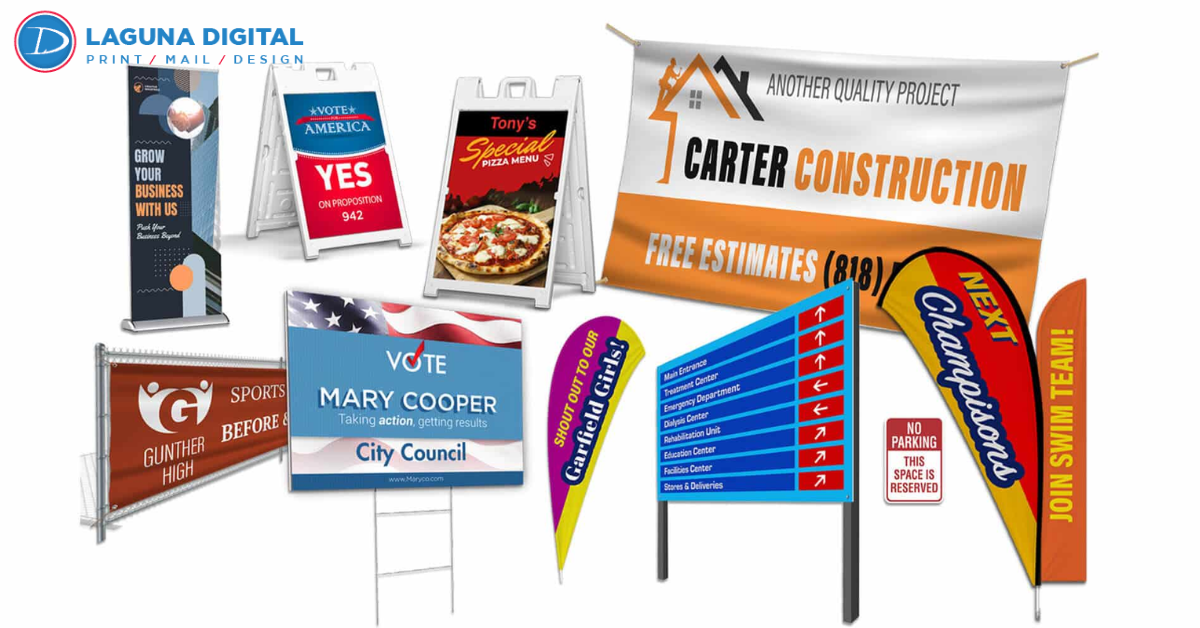
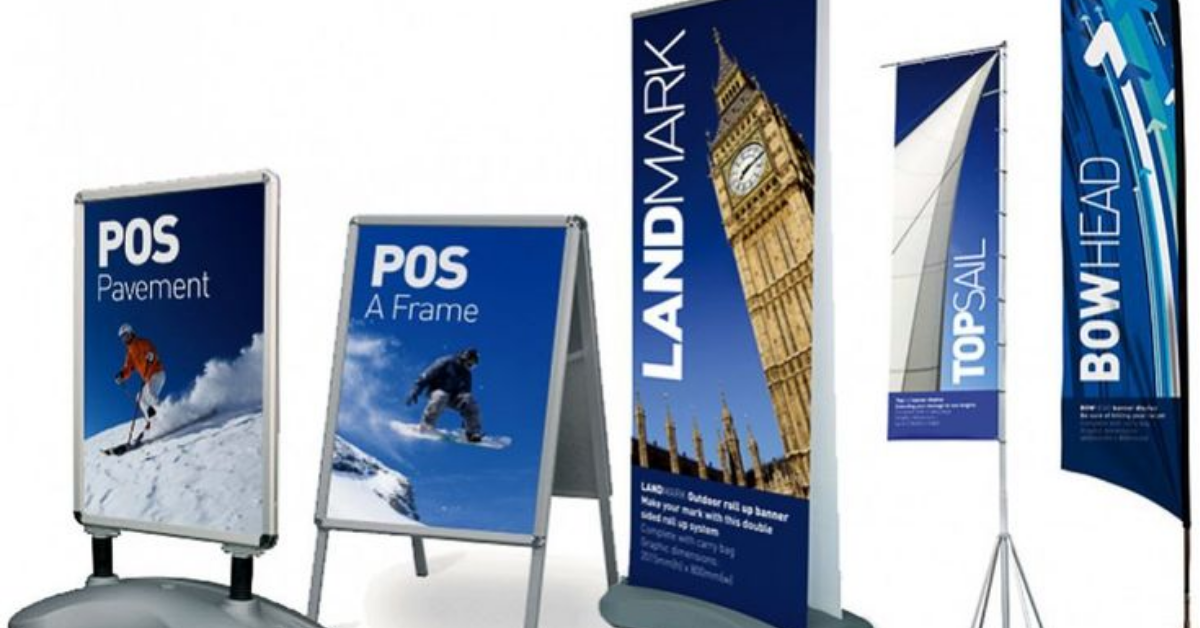
If you are looking for durability and visibility, you need to explore our range of Banners, Posters & Signs. For outdoor events, construction sites, or storefronts, vinyl banners are the industry standard. However, the weight of the vinyl matters. We usually recommend a heavier scrim vinyl for outdoor use because it resists tearing in the wind. For indoor retail environments, large-format posters or foam-core signs are often better choices, offering higher print resolution for up-close viewing without the rugged texture required for outdoor weatherproofing.
Design Principles That Convert Passersby
I have seen beautiful designs fail miserably because they were created for a computer screen, not a billboard. When designing for large format, the rules change completely. The “three-second rule” is paramount here: can someone driving 40 miles per hour read and understand your sign in three seconds? If the answer is no, the design has failed. This usually happens when a client tries to cram too much information onto a single banner.
To make your marketing materials effective, you must embrace white space and high contrast. Dark text on a light background (or vice versa) is non-negotiable for readability at a distance. Furthermore, fonts need to be bold and sans-serif; distinct lettering prevents the text from blurring together when viewed from afar. Remember, a banner is not a brochure. It should contain a headline, a simplified image, and a call to action nothing more.
Common Production Mistakes to Avoid
In the world of professional printing, file resolution is the silent killer of great projects. A JPEG that looks crisp on your iPhone will likely look like a pixelated mess when blown up to six feet wide. This is a conversation I have almost daily. For large-format digital printing, we generally require vector files (like EPS or AI) or PDFs with a very high DPI (dots per inch). Using low-quality images reflects poorly on your brand, making your business look amateurish.
Another mistake is ignoring the finish of the material. If you place a high-gloss poster directly under a bright halogen spotlight or in a window facing the sun, the glare will make the sign unreadable. In these scenarios, a matte or satin finish is a much smarter choice. It absorbs the light and ensures the colors remain vibrant and the text legible from all angles. We always try to ask where the sign will live before we hit the print button to avoid these environmental clashes.
Integrating Signage with Total Brand Consistency
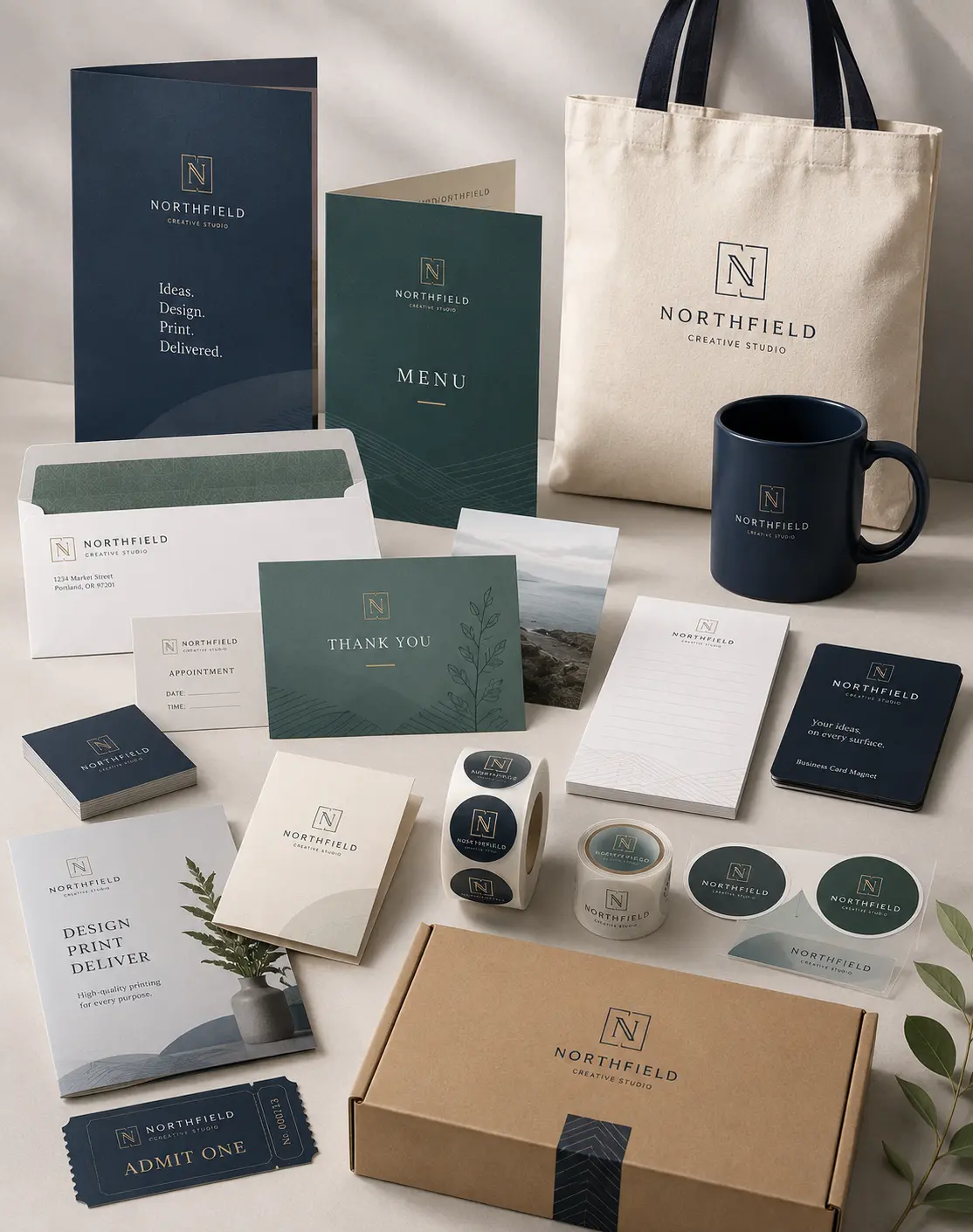
Your outdoor banner or lobby sign should not look like a stranger to the rest of your business. It needs to be visually consistent with your business cards, letterheads, and brochures. When a customer walks in after seeing your sign, the transition should be seamless. This consistency builds trust. We often help clients bundle their signage orders with other business essentials to ensure that the exact shade of blue on the outdoor sign matches the blue on the invoice they hand the customer.
This extends to special events as well. For example, if you are an author or an educational organization hosting a seminar, your podium signage needs to match the manuals or books you are distributing. We have handled extensive book printing projects where the cover art was adapted into large-scale easel signs for the launch party. That level of cohesiveness makes an event feel polished and high-end, significantly elevating the perceived value of what you are selling.
The Logistics: Material, Installation, and Longevity
Finally, let’s talk about the practical side of hanging signs. You can print the most beautiful banner in the world, but if you don’t have the right finishing options, it won’t stay up. For outdoor banners, reinforced hems and grommets (metal rings) are essential to prevent the banner from ripping off the ropes during a storm. For windy areas, we might even suggest mesh banners that allow air to pass through the material, reducing the “sail effect” that tears down so many solid vinyl signs.
If you are unsure about the technical specifications, or if you have a unique space that requires a custom solution, it is always best to speak to a human rather than guessing on a web form. We encourage you to contact us directly. We can walk you through the differences between adhesive vinyl, rigid coroplast, and scrim banner material to ensure you aren’t replacing your signage every three months due to wear and tear.
FAQ’s
How long do vinyl banners typically last outdoors?
With proper installation and average weather conditions, a high-quality 13oz vinyl banner can last anywhere from 2 to 5 years. UV-resistant inks help prevent fading, but constant exposure to direct harsh sunlight or high winds can shorten this lifespan.
What is the difference between a vector file and a raster file?
A raster file (like a JPEG or PNG) is made of pixels and loses quality when you enlarge it. A vector file (like an AI or EPS) is based on mathematical equations, meaning we can scale it up to the size of a building without it ever becoming blurry. Vector is always preferred for large signs.
Should I choose a matte or glossy finish for my poster?
If your poster will be behind glass or under bright artificial lights, choose matte to avoid glare. If the poster is in a low-light area or you want the colors to pop aggressively, glossy is the better choice.
Can you print a sign from a photo I took on my phone?
It depends on the phone and the size of the sign. Modern smartphones take great photos, but they may not be sufficient for a 10-foot banner. We always recommend checking the file resolution first to ensure the final product looks sharp.
What is “bleed” in printing?
Bleed refers to the artwork extending beyond the edge of the page. This ensures that when we cut the sign to its final size, there are no thin white borders on the edges. We typically require a 0.125-inch bleed on all files.
Conclusion
Investing in high-quality banners, posters, and signs is investing in your business’s reputation. In a world that is increasingly digital, the tangible impact of a well-placed, beautifully printed sign remains one of the most cost-effective ways to capture attention and drive local traffic. It is about more than just ink on paper or vinyl; it is about communicating your value proposition instantly and professionally.
Whether you are launching a new product, directing traffic at an event, or simply trying to get more customers through the front door, the quality of your signage matters. Don’t settle for pixelated graphics or flimsy materials that degrade your brand image. If you are looking for more insights on how to optimize your print marketing strategy, be sure to check out our blog for regular updates and tips. Let’s make your business visible, vibrant, and impossible to ignore.