
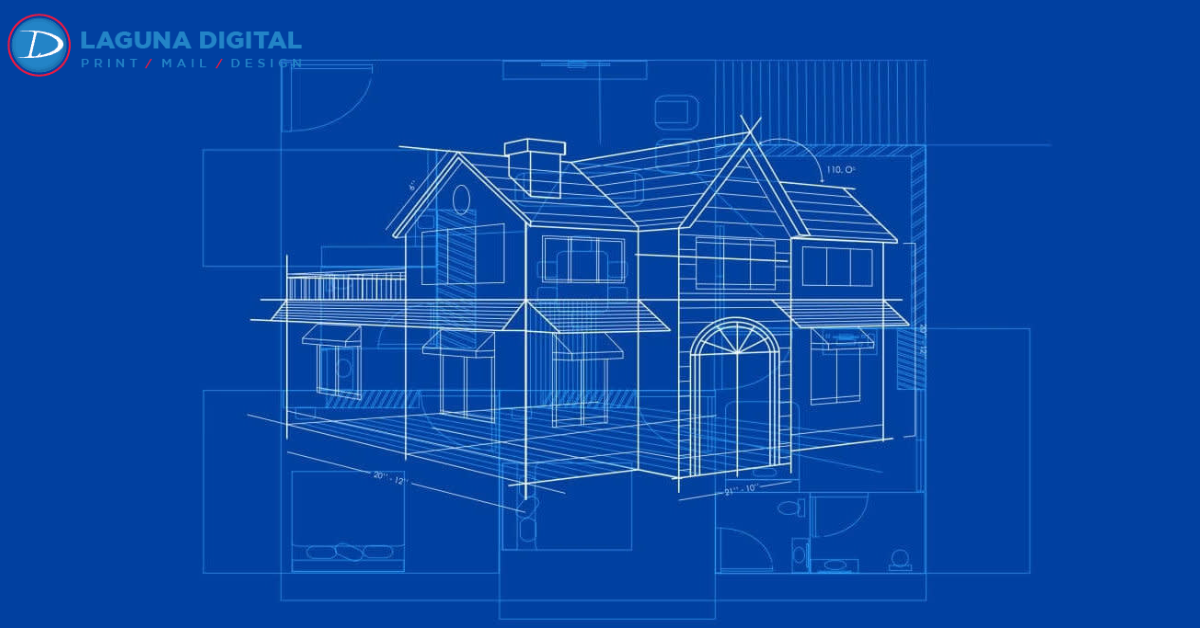
We often see excitement turn into anxiety when a construction project moves from the concept phase to the actual build. Clients frequently underestimate the sheer complexity of coordinating plumbers, electricians, framers, and inspectors. Without a unified source of truth, these distinct teams operate in silos, leading to expensive mistakes and frustrated stakeholders. The blueprint serves as that essential roadmap, translating abstract ideas into concrete reality while keeping everyone accountable to the same specifications.
Through our work supporting local builders and architects, we have learned that the quality of your documentation directly correlates to the smoothness of your workflow. When teams cut corners on their plans, they almost always pay for it later with change orders and delays. We provide professional Blueprint printing services because we understand that clear, legible, and accurate plans are the only way to safeguard a project’s budget and timeline. A sharp set of plans ensures the foreman on the job site sees exactly what the architect in the office intended.
The Role of Visual Communication in Project Management
Construction projects involve dozens of moving parts, and verbal instructions simply disappear in the noise of a job site. We view blueprints as a universal language that bridges the gap between creative design and structural engineering. When a project manager holds a physical plan, they possess a tangible reference point that settles disputes and clarifies responsibilities immediately. Relying on memory or small digital screens often leads to misinterpretation, especially in bright sunlight or dusty environments where technology fails.
Bridging the Gap Between Architects and Contractors
Architects visualize space, while contractors calculate logistics, and these two perspectives often clash without precise documentation. We frequently print updated drawing sets because the initial design didn’t account for a specific HVAC duct or a load-bearing requirement. By finalizing these details on paper before breaking ground, teams align their expectations. This alignment prevents the dreaded scenario where a wall goes up only to come down two days later because of a plumbing conflict.
High-quality reproduction of these plans is just as vital as the design itself. Just as we ensure crisp lines and accurate colors in our Digital Printing services for marketing materials, we apply that same precision to architectural drawings. Faint lines or smudged measurements can cause a contractor to misread a dimension by inches, resulting in structural failures or cabinetry that doesn’t fit. Clarity in printing equals accuracy in building.
Minimizing Costly Errors Before Breaking Ground
The most expensive time to fix a mistake is after you have poured the concrete. We encourage our clients to view the blueprinting phase as a low-cost simulation of the actual build. Reviewing these documents allows the project team to catch clashes such as a pipe running through a steel beam while the fix only requires a few clicks in CAD software and a reprint. We see smart project managers treating the print room as their first line of defense against budget overruns.
Identifying Structural and Systems Clashes
Modern construction involves layering complex systems like electrical wiring, plumbing, and climate control within tight spaces. Accurate blueprints overlay these systems to reveal interference points that aren’t obvious in 3D models alone. We often produce composite drawings that highlight these specific layers, allowing subcontractors to see exactly where their work fits relative to other trades. This level of detail eliminates the guesswork that slows down production schedules.
Alongside the technical drawings, many projects require comprehensive specification manuals to detail the materials and installation methods. Our experience with Book Printing allows us to produce these accompanying manuals, ensuring that the team has both the visual map (the blueprint) and the instruction guide (the spec book). When you pair accurate drawings with detailed written specifications, you remove ambiguity and empower the crew to work autonomously and correctly.
Ensuring Regulatory Compliance and Safety
Building inspectors do not judge a project based on good intentions; they approve projects based on adherence to code. We know that submitting a messy or incomplete set of plans is the fastest way to get a permit application rejected. Municipalities require precise formatting, specific scale ratios, and clear indications of safety features like fire exits and load limits. Presenting a professional, industry-standard blueprint demonstrates competence and helps speed up the bureaucratic approval process.
The Importance of High-Definition Documentation
Safety on a construction site relies on everyone understanding the boundaries and hazards detailed in the site plan. If a worker cannot read the location of a buried gas line because the print is low-resolution, the consequences can be catastrophic. We treat safety documentation with gravity. Just as detailed imagery matters in Photo Printing to capture a moment, high-definition line work matters in construction to protect lives and property.
Furthermore, accurate blueprints serve as a legal record of what the client agreed to purchase and what the builder agreed to deliver. If a dispute arises regarding the scope of work, the signed set of blueprints becomes the final arbiter. We advise our clients to keep multiple crisp copies of approved plans: one for the site, one for the office, and one for the client. This redundancy ensures that the record remains intact even if a job site copy gets damaged by rain or coffee spills.
Modern Blueprinting Technologies and Workflow
The construction industry has evolved, and the technology used to produce plans has advanced alongside it. We no longer rely on the smelly, chemical-heavy ammonia processes of the past. Today, we utilize high-speed, wide-format laser printers that deliver archival-quality prints capable of withstanding harsh sunlight without fading. This evolution means that the plans we produce today remain legible for the entire duration of a multi-year project.
From Digital Files to Job Site Reality
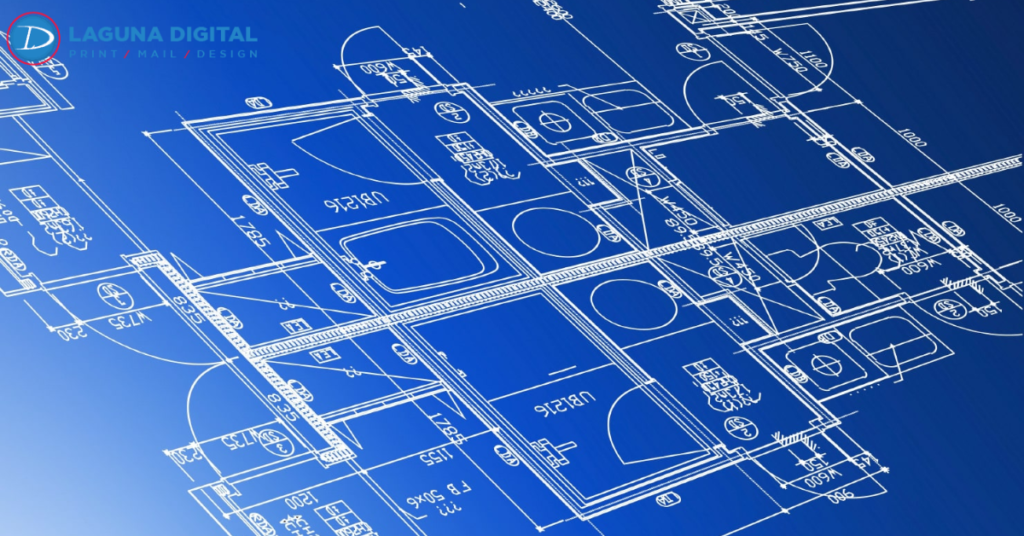
While digital tablets have their place, large-format paper plans offer a big picture view that screens cannot replicate. A superintendent can spread a blueprint across a hood of a truck and gather the whole crew around to discuss a complex corner detail. This collaborative aspect of paper plans fosters better teamwork and faster problem-solving. Understanding modern architectural influence helps us appreciate why these traditional tools remain vital even in a digital age.
Conclusion
Accurate construction planning requires more than just skilled labor; it demands a clear, precise, and shared vision. Blueprints provide the foundation for that vision, enabling teams to anticipate problems, manage costs, and maintain safety standards. We take pride in helping builders and architects execute their best work by ensuring their plans are legible, durable, and precise.
Whether you are breaking ground on a custom home or managing a commercial development, never underestimate the power of a perfect plan. At Laguna Digital, we stand ready to support your next project with the professional documentation you need to build with confidence.