
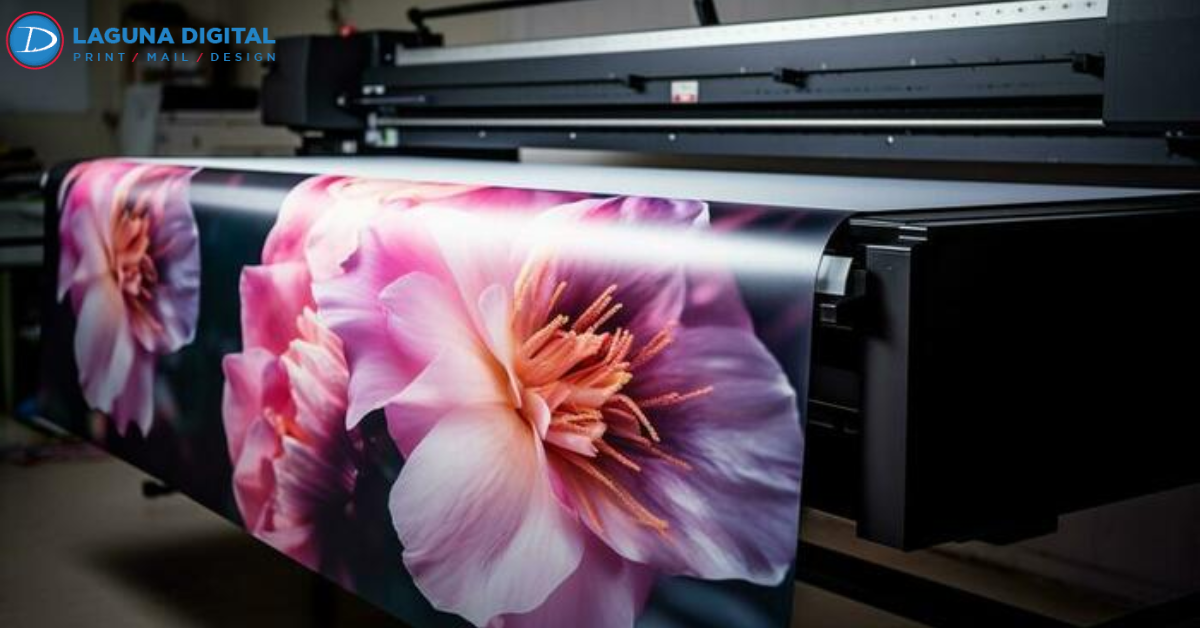
Running a business in California means moving at a relentless pace. We see marketing trends shift overnight, and local companies constantly need to adapt their physical collateral to match their digital presence. Whether you manage a startup in the Bay Area or a retail chain in Southern California, the demand for high-quality, fast-turnaround marketing materials rarely slows down. This urgency drives the specific way we operate our production floors. When you look for Digital Printing California solutions, you aren’t just looking for ink on paper; you are looking for a logistical advantage that keeps your brand relevant.
Digital printing differs fundamentally from traditional methods, and understanding this process helps you save money and avoid frustration. We find that many clients come to us expecting a simple Ctrl+P scenario, but professional commercial production involves complex calibration, substrate management, and finishing protocols. By pulling back the curtain on how we handle your projects, we aim to help you structure your campaigns more effectively. We believe that an educated client gets the best results, so let’s walk through the reality of the production floor.
The Mechanics of Professional Digital Production
Many people mistakenly equate commercial digital presses with the laser printer sitting in their office corner. While the underlying principle of using toner or electro-ink remains similar, the scale and technology differ vastly. We operate heavy iron machinery that relies on precise electrostatic charges to transfer images onto paper. Unlike traditional offset printing, which requires us to burn physical aluminum plates for every color separation, digital presses process the image directly from a digital file. This eliminates the lengthy setup time associated with analog printing.
From File to Fuser: Skipping the Plates
The immediate benefit we deliver through this technology is speed. In an offset environment, we spend hours setting up the press before we run a single usable sheet. With digital production, we send the ripped file directly to the machine. The press charges a drum, applies toner or liquid ink, and fuses it to the paper using heat and pressure all in a split second. This allows us to produce a proof that looks exactly like the final run. If you spot a typo on the first copy, we simply update the file and restart. You cannot do that with offset printing without incurring significant costs for new plates.
Why Calibration Matters More Than Resolution
We often hear clients ask about DPI (dots per inch) as the sole metric of quality. While resolution matters, color calibration dictates the success of a print job. We spend a significant amount of time engaging in color management. Digital presses drift; temperature and humidity changes in the production facility affect how toner adheres to paper. We run daily linearization and calibration routines to ensure that the red in your logo this month matches the red we printed for you six months ago. Without this human oversight and constant machine maintenance, brand consistency falls apart.
Navigating California-Specific Logistics
Operating within California presents a unique set of challenges and advantages for printing services. The state’s strict environmental regulations regarding paper sourcing and chemical disposal influence how we procure materials. We work closely with paper merchants who maintain local distribution centers. This local proximity allows us to secure specific paper stocks quickly, provided we know where to look. Understanding the local supply chain is just as important as knowing how to run the press.
The Advantage of Local Production
Shipping logistics heavily influence the feasibility of a deadline. When we produce materials locally, we cut out the unpredictability of cross-country freight. Ground shipping within California typically takes one to two days, whereas ordering from out of-state vendors can result in week-long transit times. We often advise clients to print where they mail or distribute. If your campaign targets a California audience, producing the assets here reduces your carbon footprint and eliminates the stress of weather-related shipping delays over the Rockies.
Meeting Tight Regulatory Standards
California imposes some of the strictest environmental standards in the manufacturing world. We embrace these regulations by utilizing eco-friendly consumables and recycling programs. Digital printing inherently generates less waste than traditional methods because we don’t use harsh chemical developers for plates, and we generate significantly less make-ready waste (the paper used to get the press up to color). For businesses that prioritize sustainability in their corporate social responsibility statements, choosing a compliant local partner validates those claims.
Digital vs. Offset: Making the Right Strategic Choice
We constantly guide clients through the decision between digital and offset production. It is not a matter of one being “better” than the other; it is about choosing the right tool for the specific job volume and timeline. Digital printing shines when you need agility and customization. We utilize digital presses for runs where the setup cost of offset would drive the per-unit price too high.
When Digital Saves Your Budget
If you need 500 brochures for a weekend trade show, digital is your only logical choice. The cost of making plates for an offset press would make those 500 brochures astronomically expensive. Digital allows us to print exactly the quantity you need, reducing storage costs and obsolescence. We see too many businesses over-order materials just to lower the unit price, only to throw away thousands of outdated flyers a year later. We encourage printing on demand to keep marketing collateral fresh and accurate.
Leveraging Design Flexibility
Digital production unlocks the power of Variable Data Printing (VDP). We can personalize every single postcard or booklet with a different name, image, or offer without stopping the press. This capability transforms a static print piece into a direct conversation with your customer. You can read more about modern design impact to understand how integrating flexibility into your creative process drives higher conversion rates. We use this technology to help clients bridge the gap between digital data and physical marketing.
Preparing Files for Professional Production
The most common bottleneck we encounter on the production floor involves file preparation. A file that looks beautiful on a backlit monitor does not always translate perfectly to a physical substrate. We work proactively with designers to catch errors before they hit the press, but understanding a few key technical requirements helps us move your job to the front of the line faster.
The CMYK vs. RGB Trap
Computer monitors display color using light (RGB), while we print using pigment (CMYK). We frequently receive files containing bright neon blues or greens that simply do not exist in the CMYK color gamut. When the software automatically converts these colors, they often turn muddy or dull. We always recommend designing in CMYK from the start. This gives you a realistic expectation of the final output. If you supply RGB files, we must convert them, and the result might differ from your vision.
Bleeds and Finishing Safety
Paper shifts slightly as it moves through a press and the cutting guillotine. To account for this mechanical variance, we require bleed artwork that extends beyond the trim edge. If you place text or logos right up to the edge of the design, a fraction of a millimeter shift during cutting could slice off your content. We require a safe zone inside the trim line to ensure your message remains intact. We spend a large portion of our prepress time adding bleeds to files that lack them, which can delay production schedules.
Conclusion
Digital printing in California is a sophisticated blend of high-speed technology, precise color management, and logistical planning. We view our role not just as equipment operators, but as production partners who help you navigate these complexities. By understanding the mechanics of the press, the importance of file preparation, and the strategic differences between print methods, you can make decisions that save your business time and money.
We invite you to think of printing as a strategic asset rather than a commodity. When you align your marketing goals with the right production capabilities, you ensure that your brand looks exceptional every time. For expert guidance on your next project, rely on Laguna Digital to bring your vision to life with precision and care.