

Artwork is often more than something beautiful to look at. It may carry family history, gallery value, cultural meaning, or years of creative effort. In the United States, artists, collectors, schools, museums, and design studios all face the same challenge. Original artwork can fade, tear, stain, bend, or become too fragile to handle often.
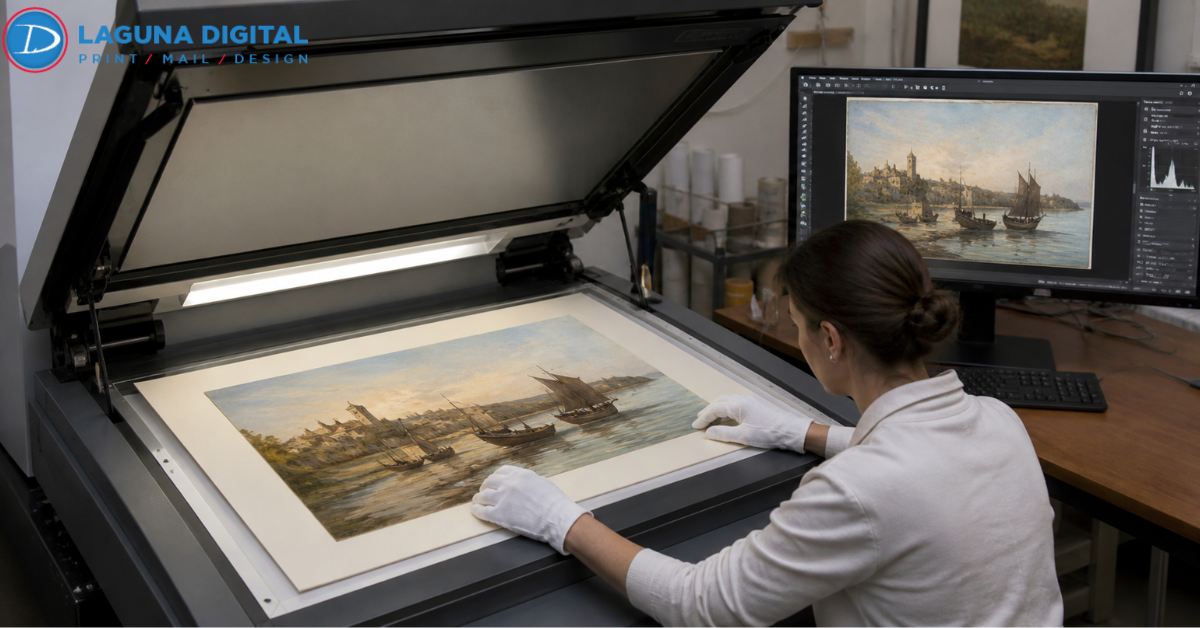
That is why large format scanning services have become a practical part of art preservation. When managed by experienced teams, fine art scanning services can protect detail that casual photos often miss. A careful scan creates a detailed digital record that can be stored, shared, printed, reviewed, and protected without constantly touching the original piece.
Digital Preservation Protects Original Artwork
Aging Artwork Records
Older artwork can change slowly through light, moisture, dust, and handling. A detailed scan captures the piece as it looks today. That record can support future comparisons, appraisals, insurance notes, and family archives when the original begins to show age.
Accurate Color Capture
Color is one of the hardest parts of preserving artwork. Professional scanning helps record soft shadows, bright tones, muted washes, and delicate gradients. This is especially useful for watercolor, pastel, ink, pencil, and painted work.
Artwork Texture Details
Texture gives artwork its personality. Brush marks, paper grain, charcoal dust, ink edges, and raised paint all influence how a piece feels visually. Archival art scanning solutions help preserve these details for research, reproduction, and restoration.
Reduced Original Handling
One common mistake people make is pulling out the original every time they need a copy or photo. A quality master scan reduces that need. The digital file can be shared with buyers, family members, printers, or insurers while the artwork stays safely stored.
Long Term Organization
A digital archive makes collections easier to manage. Owners can label files, sort by artist, track condition, and keep records in one place. For galleries and collectors, this saves time and creates a clearer history for each valuable piece.
Professional Scanning Improves Reproduction Quality
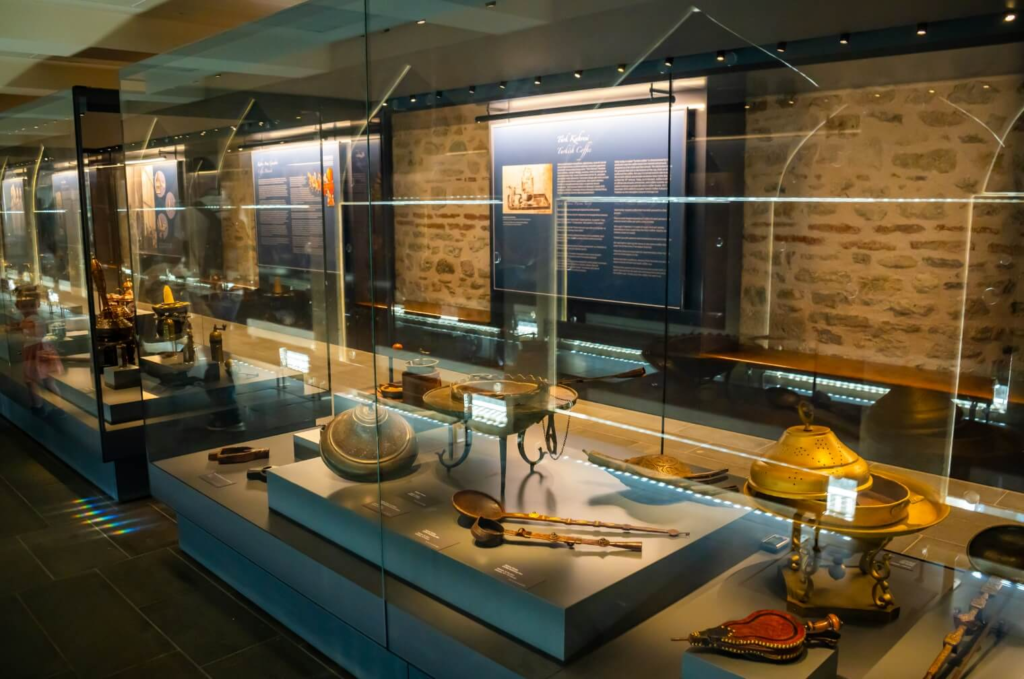
Oversized Artwork Capture
Large drawings, posters, maps, canvases, and design boards rarely fit standard scanners. Custom artwork digitization helps capture unusual sizes with proper alignment, cleaner detail, and less distortion across the full surface of the artwork.
Balanced Image Lighting
Large artwork can look uneven when photographed with a phone or basic camera. Shadows, glare, and dark corners can change the look of the piece. Professional scanning creates balanced lighting from edge to edge for a cleaner digital result.
Print Ready Files
Fine art digitization services create stronger source files for printers and designers. Edges look sharper, color adjustments are easier, and small marks hold up better when enlarged. This matters for posters, catalogs, and limited edition prints.
Better Than Photography
Casual photography is useful for quick previews, but it often bends lines or changes color. Scanning creates a flatter and more controlled image. From experience, the difference is most visible when the artwork is printed at a larger size.
Flexible File Formats
A professional scan can be saved in more than one format. A large master file works well for archiving and print production, while smaller versions are easier for email, websites, and social media. That flexibility keeps the original file useful.
Scanning Supports Artists, Galleries, and Institutions
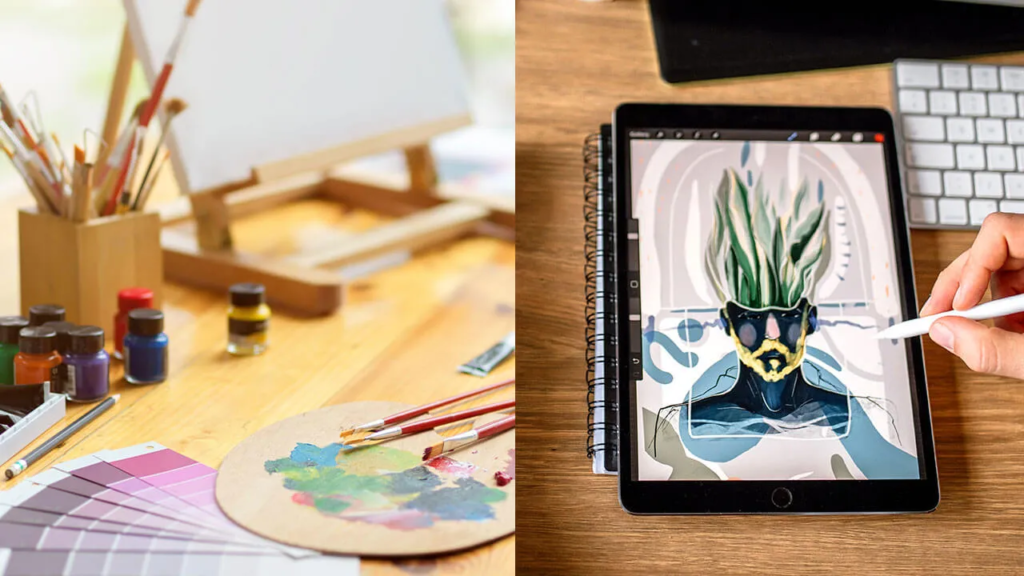
Stronger Artist Portfolios
Artists need images that show their work clearly and honestly. Fine art scanning services help create polished files for portfolios, gallery submissions, online shops, print books, and buyer previews without relying on uneven snapshots.
Valuable Insurance Records
Artwork can be damaged in storage, shipping, display, or unexpected accidents. A high quality scan adds visual proof to ownership records. It should sit beside receipts and appraisals, but it can make documentation stronger and easier to review.
Easier Archive Access
Museums, schools, libraries, and local history groups often need access without touching original pieces. Archival art scanning solutions allow staff, students, and researchers to study digital versions while delicate artwork remains protected.
Restoration Planning Support
Restorers need clear references before they make decisions. A scan can show fading, cracks, stains, tears, surface wear, and older repair marks. When compared over time, these files help track change and support careful preservation work.
Creative Artwork Reuse
Artists often want to turn original work into prints, books, packaging, cards, or digital products. Custom artwork digitization gives them a clean file for these uses. It protects the original while helping the artwork reach new audiences.
FAQs
Why is large artwork harder to preserve digitally?
Large artwork is harder because size can create lighting issues, distortion, and handling risk. Proper equipment helps capture the full piece without bending, cropping, or losing edge detail.
Can scanning replace the original artwork?
No. A scan protects access and documentation, but it does not replace the physical original. It works best as a preservation copy, print source, and visual record.
Is scanning safe for fragile artwork?
Scanning can be safe when handled by trained professionals. Fragile pieces should be reviewed first so the provider can choose a method that avoids pressure, rough movement, or surface damage.
What file type is best for artwork preservation?
A large TIFF file is often preferred for archiving because it keeps more detail. Smaller JPEG or PNG files are useful for websites, emails, and quick sharing.
Who benefits most from art scanning?
Artists, collectors, galleries, museums, schools, families, and designers can all benefit. Anyone who needs a clean digital record or reproduction file can use scanning as part of a preservation plan.
To Sum Up
Preserving artwork is really about protecting memory, value, and access. A careful digital scan helps owners reduce handling, document condition, produce quality copies, and organize collections for future use.
Whether the piece belongs to an artist, family, gallery, school, or museum, the right process can make long term care much easier. Laguna Digital can support that process when accuracy, respect for the original, and dependable digital files matter.