
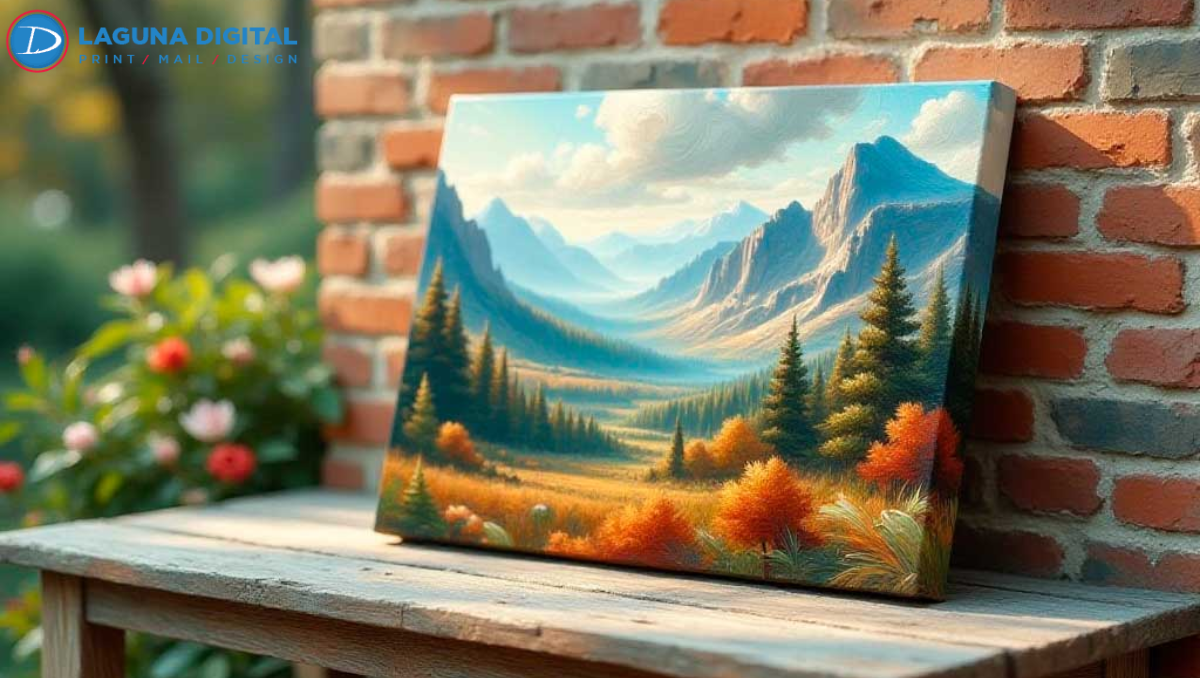
There is a very specific type of anxiety that comes with handing over an original piece of artwork to a stranger. Whether you are a painter who has spent months perfecting the light in a landscape, or a gallery owner holding a client’s precious family heirloom, the fear is always the same: Will the colors match? Will they damage the original? I have stood behind the print counter for years, and I see that hesitation in my clients’ eyes every single time. It is completely justified because art isn’t just ink on paper; it is emotion, time, and legacy captured in a physical form.
Finding a print shop is easy, but finding a partner who truly understands the nuances of fine art is a different challenge entirely. You aren’t just looking for a photocopy; you are looking for a team that treats your work with the same reverence you do. A professional Art Reproduction Service bridges the gap between the original physical piece and a high-fidelity copy that can be shared, sold, or preserved. In this guide, I want to walk you through what actually matters when choosing a service provider—moving beyond the technical jargon to the real-world factors that determine whether you’ll be thrilled or disappointed.
Understanding the Difference Between Standard Printing and Fine Art
One of the first conversations I often have with new clients is explaining why their local office supply store can’t handle their gallery prints. Standard digital printing is fantastic for flyers, brochures, and documents where speed and legibility are key. However, these machines generally use four ink colors (CMYK) and are calibrated for contrast rather than tonal subtlety.
When you bring a watercolor painting or an oil canvas to a standard shop, you often lose the “soul” of the piece. The soft gradients become harsh bands of color, and the texture of the brushstrokes disappears completely. True art reproduction relies on specialized technology, often utilizing 8, 10, or even 12 different ink colors to capture the widest possible color gamut. If a shop treats your oil painting the same way they treat a construction diagram, you are in the wrong place.
The Science of Color
If you have ever printed a photo and noticed the sky looked purple instead of blue, you have experienced bad color management. In the world of art reproduction, “close enough” is simply not acceptable. A professional service provider invests heavily in color calibration tools that ensure what our scanners see is exactly what our printers produce.
This is where the human element becomes irreplaceable. Machines can calibrate themselves, but a trained technician needs to eyeball the proof against the original under controlled lighting. I can’t tell you how many times we’ve had to make micro-adjustments to a cyan curve to capture the specific mood of a seascape. If you want to dive deeper into why this happens, understanding the science of reproduction helps you realize why cheap prints often look flat or muddy. It is a mix of physics, chemistry, and artistic intuition.
Why Your Local Office Store Can’t Handle Giclée
You will hear the word “Giclée” thrown around a lot. It sounds fancy, but it essentially refers to high-quality inkjet printing using archival pigment inks. However, not all Giclée prints are created equal. The difference lies in the expertise of the operator and the maintenance of the machine.
When vetting local giclée experts, ask about their longevity standards. Are they using archival inks rated to last 100+ years? Do they understand how ink interacts with different canvas weaves? We have seen “giclée” prints from budget vendors that fade within three years because they used cheap dye-based inks. A true professional cares about the longevity of your art as much as the immediate look.
Digitization: The Foundation of a Perfect Print
Before any printing happens, the art must be digitized. This is often the stage where most mistakes occur. Some shops will try to run a textured canvas through a standard document feeder this is a disaster waiting to happen. It risks damaging the art and produces terrible lighting glares.
High-end reproduction requires either a high-resolution flatbed scanner or a studio photography setup with polarized lighting to eliminate glare and capture the texture of the brushstrokes. If you have fragile documents or older pieces, you might want to ask about their specific protocols for copying delicate items. A professional will explain their handling process clearly to put your mind at ease, ensuring your original is never at risk.
Evaluating Materials: Paper, Canvas, and Texture
The substrate the material you print on is just as important as the ink. A high-gloss photo paper might look great for a modern digital illustration, but it will make a watercolor reproduction look cheap and plastic. A trustworthy service provider should offer you a range of archival papers and canvases, from cotton rag to textured matte.
For artists looking to sell prints, this choice defines your product’s value. If you use cheap paper, you have to charge cheap prices. By using museum-quality materials, you elevate the perceived value of your work. Ask to see samples. Feel the weight of the paper. If the shop hesitates to show you physical examples, that is a major red flag.
Beyond the Canvas: Marketing Your Art
Artists and businesses rarely need just one thing. Today you might need a giclée print, but tomorrow you might need to produce a catalog of your work for a gallery opening. It is beneficial to establish a relationship with a provider who handles a broad spectrum of needs.
For instance, if you are planning to publish a portfolio or a retrospective, you will need high-quality book printing. Having a printer who already has your color profiles on file ensures that the art in your book matches the prints on your wall. We often help clients who need cohesive marketing materials to promote their exhibitions, ensuring brand consistency across postcards, flyers, and catalogs.
Common Red Flags When Vetting a Service Provider
The most heartbreaking moments in this business occur when a client brings in a file they tried to fix themselves, or worse, a print job from a budget online vendor that went wrong. Common issues include incorrect resolution settings, files saved in the wrong color space (RGB vs. CMYK), or cropping that ruins the composition.
Learning about avoiding print errors can save you a significant amount of money and time. For example, trusting a provider who doesn’t check for “bleed” (the margin for cutting) can result in white strips along the edge of your beautiful print. A good service provider acts as a gatekeeper, catching these technical errors before ink ever hits paper.
The Importance of a Local Partnership
In an era where you can order anything online, there is a distinct advantage to working with a local shop like Laguna Digital. You can look the operator in the eye, point to a specific area of the proof, and discuss changes in real-time. When vetting a service, look at their past work. Do they work with other local artists? Do they handle work for museums or historical societies?
Experience teaches a printer how to handle the unexpected. While we focus heavily on art, we also understand the precision required for other industries. For example, blueprints require exact lines and scaling for architects. While the technology differs from art reproduction, the discipline of precision is the same. A shop that understands the exacting standards of architects usually brings that same attention to detail to fine art.

Preparing for the Future of Print
The printing industry is evolving rapidly. Technologies are improving, allowing for even wider color gamuts and more eco-friendly inks. A forward-thinking print partner keeps up with these trends. We are constantly looking at future printing trends to see how we can serve our clients better.
Whether it is on-demand printing that allows you to sell art without holding inventory, or new substrates that offer unique textures, sticking with a modern, adaptable service provider ensures your business doesn’t fall behind. You want a partner who is investing in tomorrow’s technology today.
Diverse Needs: From Signs to Stationery
Finally, consider the logistics of your art business. If you are doing an art fair, you might need large banners, posters, or signs to draw attention to your booth. Finding a “one-stop” shop that maintains high quality across all these formats simplifies your workflow.
We also ensure we stock standard business essentials because even artists need business cards and invoices to run their studios professionally. It is incredibly convenient to pick up your limited edition prints and your business cards in the same trip, knowing both meet the same high quality standards.
FAQs
What is the difference between a scan and a photograph for art reproduction?
Scanning, specifically on a large-format flatbed scanner, provides uniform lighting and incredible detail for flat works like watercolors or illustrations. However, for oil paintings with heavy texture or gloss, studio photography with cross-polarization is often better to reduce glare and capture the depth of the brushstrokes.
Can you reproduce my art at a different size than the original?
Yes, provided the digitization is done at a high enough resolution. We can often enlarge works significantly while maintaining sharpness. However, we always assess the original file or artwork first to determine the maximum size before quality degradation occurs.
Do I need to copyright my work before bringing it to a printer?
You own the copyright to your artwork the moment you create it. Reputable printers respect intellectual property and will often have policies in place to ensure they are not reproducing stolen work. They will never claim ownership of your images; they are simply the service provider.
How long does the art reproduction process take?
Quality takes time. Unlike a photocopy that takes seconds, art reproduction involves scanning, color proofing, test printing, and final production. A typical turnaround might be 3 to 7 business days, depending on the complexity of the color correction and the volume of the order.
Why do the colors on my monitor look different than the print?
Computer monitors emit light (RGB), while prints reflect light (CMYK). Unless your monitor is professionally calibrated, it is likely displaying colors brighter or cooler than they actually are. This is why a physical “hard proof” is essential before running a full final print.
Conclusion
Choosing an art reproduction service is about more than just comparing price lists. It is about finding a team that respects the creative process and possesses the technical expertise to honor your vision. You need a partner who will tell you the truth about your files, guide you toward the best materials, and treat your original work with the care it deserves.
Your art is your legacy. Don’t trust it to a machine in a big-box store. Look for the experts who understand the intersection of technology and artistry. If you are ready to see your work reproduced with stunning accuracy and care, we are here to help you take that next step.
Contact our team today to discuss your project, or visit our blog for more insights into the world of professional printing.