
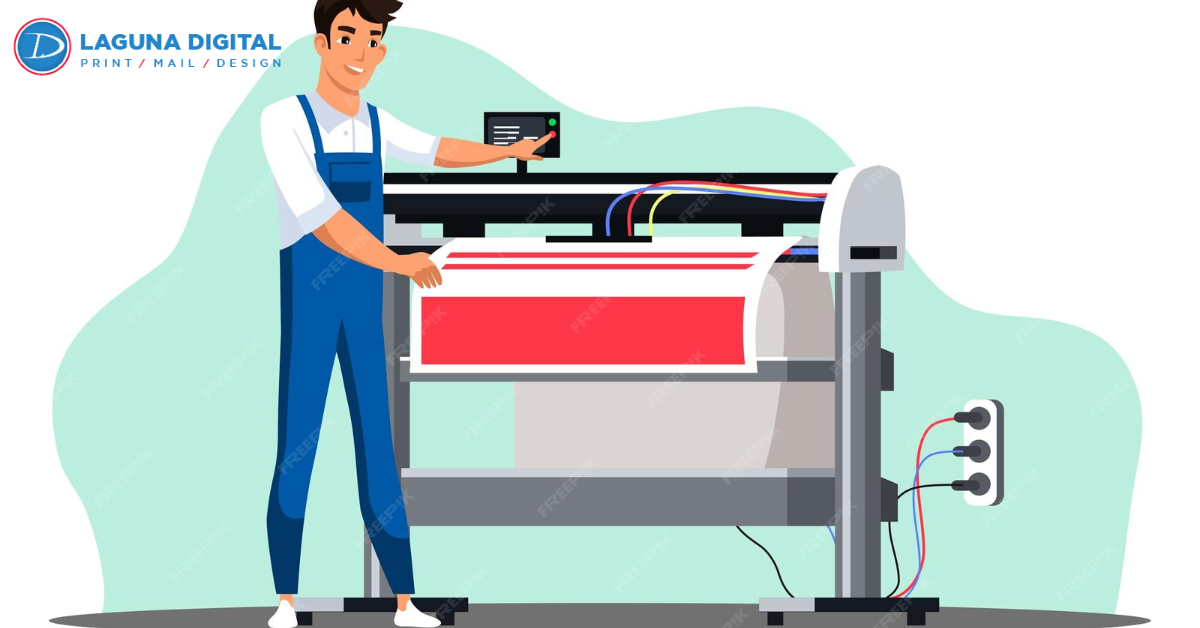
In an era where everyone is obsessed with click-through rates and algorithm changes, it is easy to forget that business still happens in the physical world. We send emails that get deleted in seconds, yet we keep a high-quality brochure on our desk for months. That is the paradox of modern marketing: the more digital we become, the more valuable tangible, physical interactions feel. As someone who has spent years in the industry, I have seen firsthand how the weight of a paper stock or the vibrancy of ink can completely change a client’s perception of a brand.
When you hand someone a business card or display a banner at an event, you aren’t just providing information; you are signaling your company’s competence. A flimsy, home-printed flyer suggests a hobbyist, while crisp, professionally finished materials scream reliability. This is where partners like Laguna Digital bridge the gap. We understand that print is not just about putting ink on paper; it is about translating your digital identity into a physical asset that builds trust the moment it touches a customer’s hand.
The Psychology of Touch in Brand Perception
There is a concept in psychology known as haptic communication—the way we derive meaning from touch. When a potential client holds a piece of marketing material, they serve as the judge and jury of your brand’s quality within milliseconds. If the paper feels cheap, the subconscious assumption is that the product or service is also “cheap.” Conversely, a velvety soft-touch finish or a sturdy cardstock creates an immediate association with luxury and stability.
This is particularly true for your “first handshake” materials. We often see businesses try to cut corners on their everyday stationery, but this is usually a mistake. Your letterheads, envelopes, and cards are the foot soldiers of your brand. Investing in high-quality business essentials ensures that every invoice you mail and every note you write reinforces a standard of excellence. It turns a mundane administrative task into a branding opportunity.
Furthermore, we often advise clients to think beyond the standard layout. For example, you have two sides to a card why waste one? utilizing creative card ideas for the backside of your business cards, such as appointment reminders or QR codes, adds utility to the aesthetic. It shows you have thought about the user experience, not just your logo.
Visibility: Dominating the Physical Space
While digital ads can be scrolled past or blocked entirely, large-format printing demands attention. Think about the last time you walked through a trade show or a busy downtown street. The businesses that stood out were likely the ones with vibrant, high-resolution signage that looked professional from ten feet away and ten inches away. “Pixelation” is the enemy of credibility; nothing kills authority faster than a blown-up image that looks blurry.
To capture foot traffic effectively, you need materials that are weather-resistant, color-accurate, and perfectly mounted. Whether it is window graphics or trade show displays, the banners, posters, and signs you choose act as your 24/7 sales team. They need to look as good on day 30 as they did on day one.
Using impactful signage allows you to claim territory. It anchors your business in the local community. We have seen local coffee shops and retail stores double their foot traffic simply by upgrading from a handwritten chalkboard to a professionally designed, high-contrast sidewalk sign. It signals that you are open for business and proud of what you offer.
Marketing Materials That Actually Convert
There is a specific “stickiness” to physical marketing materials that digital channels struggle to replicate. A well-designed brochure or a catalog has a shelf life. It sits on coffee tables, gets pinned to refrigerators, or remains in a briefcase for review later. This longevity creates multiple impressions from a single cost, which is a metric every business owner should appreciate.
However, the effectiveness of these materials relies heavily on the quality of the production. You might have the best copy in the world, but if the fold lines are cracking or the images are muddy, the message is lost. Professional marketing materials, such as trifold brochures and rack cards, require precise trimming and color calibration to look authoritative.
This is where understanding the production method becomes key. For smaller runs or personalized variable data (like changing the name on every mailer), modern digital printing is a game-changer. It allows for high-quality output without the expensive setup costs of traditional offset printing. This flexibility means you can test different headlines or offers without committing to thousands of copies, keeping your marketing agile and cost-effective.
Why Color Consistency Matters More Than You Think
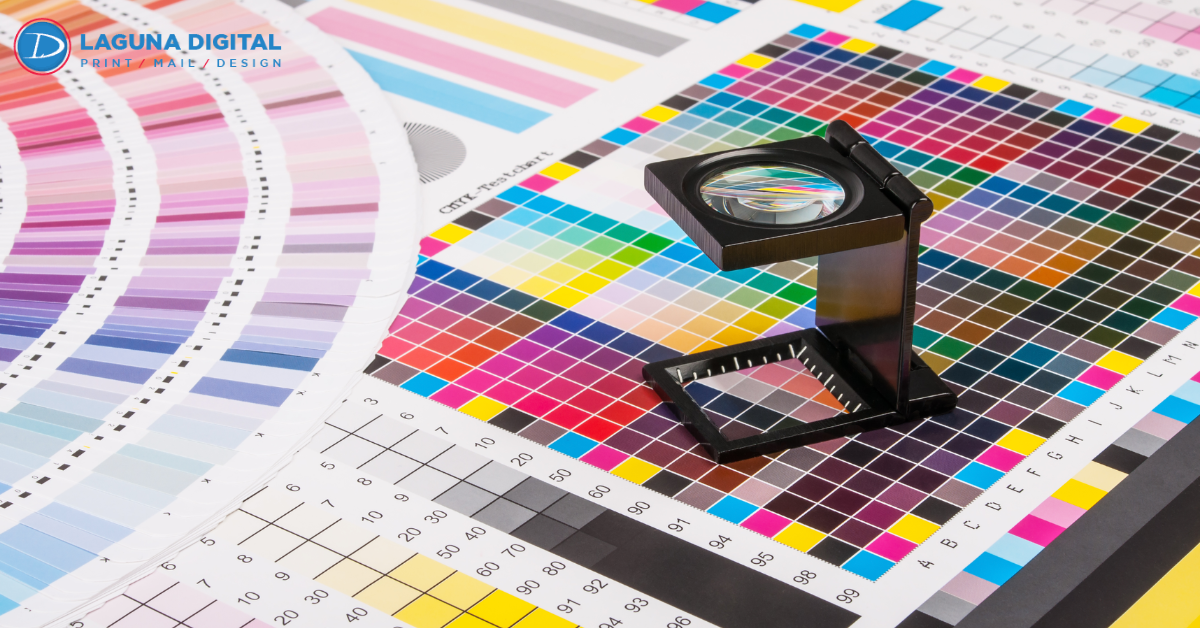
One of the most common frustrations we hear from new clients is, “Why doesn’t this blue match the blue on my website?” Monitors emit light (RGB), while paper reflects light (CMYK). If you don’t have a professional handling this conversion, your brand’s signature navy blue can easily turn into a muddy purple.
Professional printers use color management systems to ensure your brand looks the same on a vinyl banner as it does on a paper flyer. As we look toward the future of printing, technology is only getting better at bridging this gap, but the human eye of a prepress expert is still essential. Consistency builds recognition, and recognition builds trust.
The Hidden Cost of the DIY Approach
We have all been there trying to save a few dollars by printing a presentation on the office inkjet. But let’s look at the real costs. There is the cost of ink (which is astronomically high per page for consumer printers), the cost of the paper, and the cost of your time spent wrestling with paper jams. But the biggest cost is the opportunity cost.
When you hand over a document that is slightly smeared or curled at the edges because of heavy ink saturation, you are telling the client, “I did this myself to save money.” In a B2B environment, that is rarely the message you want to send. Outsourcing your printing needs is not just about quality; it’s about freeing yourself up to focus on what you actually do best running your business.
Partnering with the Right Service Provider
Finding a printer is easy; finding a printing partner is different. A partner looks at your file and says, “Hey, this image is going to come out blurry, let’s find a higher resolution version,” rather than just hitting print and charging you for a bad product. They understand bleed lines, safe zones, and paper grain directions technical details that ruin a job if ignored.
If you are unsure where to start or have a complex project that requires custom die-cuts or specific Pantone matching, the best first step is to simply ask. We encourage you to contact us to discuss the scope. Real professionals want your project to succeed just as much as you do because your success is our portfolio.
FAQs
Why do colors look different on my screen compared to the printed paper?
Computer screens use RGB (Red, Green, Blue) light to display colors, which allows for very bright neons. Printers use CMYK (Cyan, Magenta, Yellow, Key/Black) ink. Some screen colors physically cannot be reproduced with standard ink, which is why professional file preparation is necessary to get the closest possible match.
What is the difference between digital and offset printing?
Offset printing uses plates and wet ink, making it more cost-effective for very large runs (thousands of copies) and offering the highest quality. Digital printing uses toner or inkjet technology, which is perfect for shorter runs, faster turnaround times, and personalized prints.
Does paper weight really matter for business cards?
Absolutely. Standard copy paper is about 20lb bond. A good business card starts at 14pt or 16pt cardstock. The thickness conveys durability and substance. A flimsy card is often associated with a lack of professionalism or a “fly-by-night” operation.
Can I just use images from my website for my brochures?
Usually, no. Web images are typically 72 DPI (dots per inch) to load fast on screens. For print, you need 300 DPI. If you print a low-resolution web image, it will look pixelated and blocky. We always recommend using high-resolution original files.
How long does professional printing usually take?
It depends on the complexity. Digital prints (flyers, cards) can often be done in 24-48 hours. Large format signs or complex offset jobs with special finishes (like foil stamping) might take 5-7 business days. Always plan ahead to avoid rush fees.
Conclusion
In a world that is increasingly intangible, physical print offers a unique way to anchor your brand in reality. It engages the senses, builds credibility, and remains visible long after a browser tab is closed. Whether it is the handshake authority of a premium business card or the unmissable impact of a storefront banner, professional printing is an investment in your company’s reputation.
Don’t let your hard work get lost in the digital shuffle or diminished by poor-quality production. Treat your print marketing with the same seriousness as your digital strategy, and you will see the return in customer trust and brand recognition. For more insights on how to leverage print for your business growth, be sure to check out our blog.