
We live in a world where our phones buzz every three seconds with a new notification, an email alert, or a social media DM. As a business owner, you know how hard it is to cut through that digital noise. I’ve seen clients spend thousands on Facebook ads only to get lost in the scroll. But there is a quiet, tangible power in going old school. There is a specific moment when a potential customer walks to their mailbox, key in hand, and physically touches your brand.
That moment is an opportunity that digital marketing simply cannot replicate. However, realizing that opportunity requires more than just printing a few thousand sheets of paper and hoping for the best. To see a return on investment, you need a strategy that combines smart design, psychological triggers, and precise targeting. If you are looking into Mailing Flyers as part of your next campaign, you are on the right track, but the execution matters just as much as the medium.
At Laguna Digital, we have printed countless campaigns over the years. We have seen the ones that bring in waves of new customers, and we have seen the ones that end up in the recycling bin before they are even read. The difference usually isn’t the budget; it’s the thought process behind the flyer. Let’s dive into how to make your mail piece the one they keep.
Why Direct Mail Still Works in a Digital World
It feels counterintuitive to talk about paper in an era of AI and algorithms, but the data and my own experience on the shop floor tells a different story. The mailbox is less crowded than the inbox. When I talk to business owners who are skeptical about print, I ask them to think about their own behavior. How fast do you delete a promotional email? Usually in a fraction of a second. But a piece of mail? You have to hold it, look at it, and make a decision. That physical interaction buys you valuable seconds of attention.
The Psychology of Touch and Retention
There is a concept in marketing psychology called haptic memory. Essentially, touching something creates a stronger memory trace than just seeing it on a screen. When a homeowner picks up a flyer that has a nice weight to it, or a texture that feels premium, their brain subconsciously assigns value to the business represented on that paper. This is why we constantly emphasize that paper quality isn’t just an aesthetic choice; it is a branding statement.
Furthermore, physical mail has a shelf life that digital ads don’t. I cannot tell you how many times a client has told me they received a call from a customer who pinned their flyer to the fridge or left it on the kitchen counter for three weeks. A digital ad disappears the moment you scroll past it, but a physical flyer hangs around the house, serving as a constant reminder of your service until the customer is ready to buy.
Crafting a Strategy: It’s Not Just About Printing
One of the biggest mistakes I see businesses make is treating flyers like a shotgun approach just spraying them everywhere and hoping something hits. To get real leads, you need to treat your print campaign with the same level of targeting you would use for a digital campaign. Before we ever fire up the digital printing presses, we always ask our clients: Who exactly are you trying to talk to?
Targeting the Right Neighborhoods (EDDM vs. Targeted Lists)
If you are a local pizza shop or a landscaping company, Every Door Direct Mail (EDDM) is fantastic because your customer is literally anyone with a mailbox in a specific radius. However, if you are a high-end interior designer or a B2B service provider, blanket mailing is a waste of money. You need to curate your list.
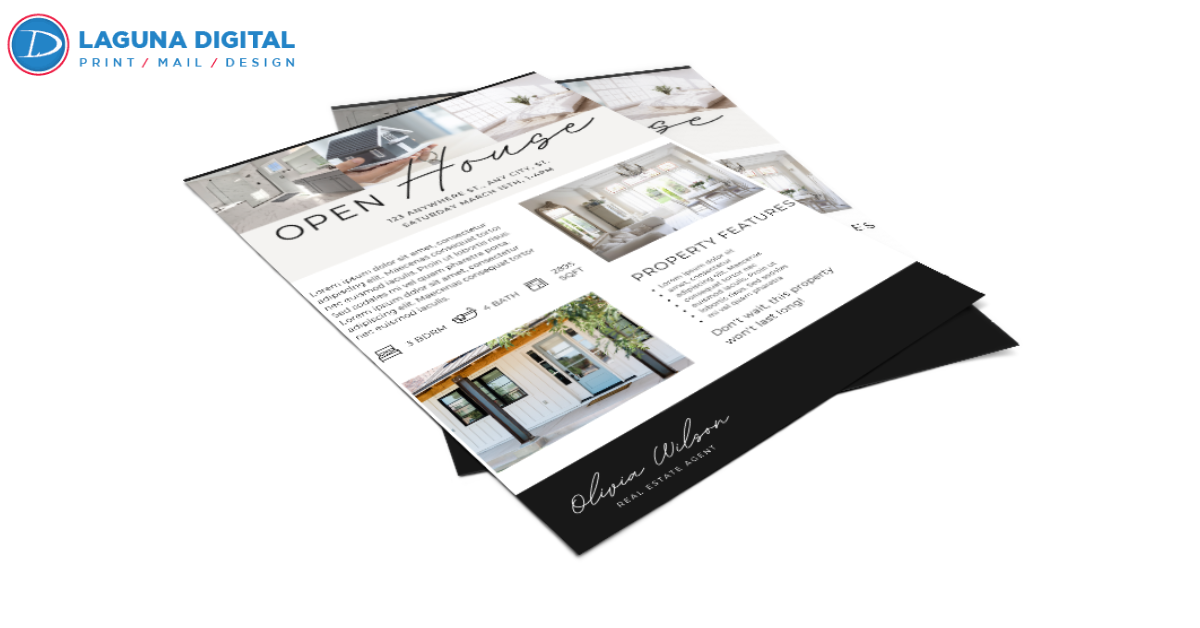
For example, real estate agents often get the best results when they target specific subdivisions with high turnover rates, rather than just mailing the whole zip code. By narrowing your focus, you can tailor the message. A flyer sent to a neighborhood built in the 1980s can specifically mention Modernizing Your Kitchen, whereas a flyer sent to a new development might focus on Backyard Landscaping. This level of personalization makes the recipient feel like you understand their specific problems, which drastically increases the likelihood of a lead.
Design Principles That Actually Convert
I have seen beautiful flyers that failed miserably, and I have seen ugly flyers that made a fortune. The difference is usually clarity. As a service provider, I often have to have difficult conversations with clients who want to cram every single service, price point, and testimonial onto a 5×7 card. That is a recipe for disaster. When the eye doesn’t know where to look, the brain disengages.
The 3-Second Rule and Visual Hierarchy
You have roughly three seconds to convince someone not to toss your mail. That means your headline needs to be massive, and it needs to focus on a benefit, not a feature. Don’t put your logo at the very top in huge letters put the problem you solve there. Your logo can go at the bottom; they will look for it if they are interested.
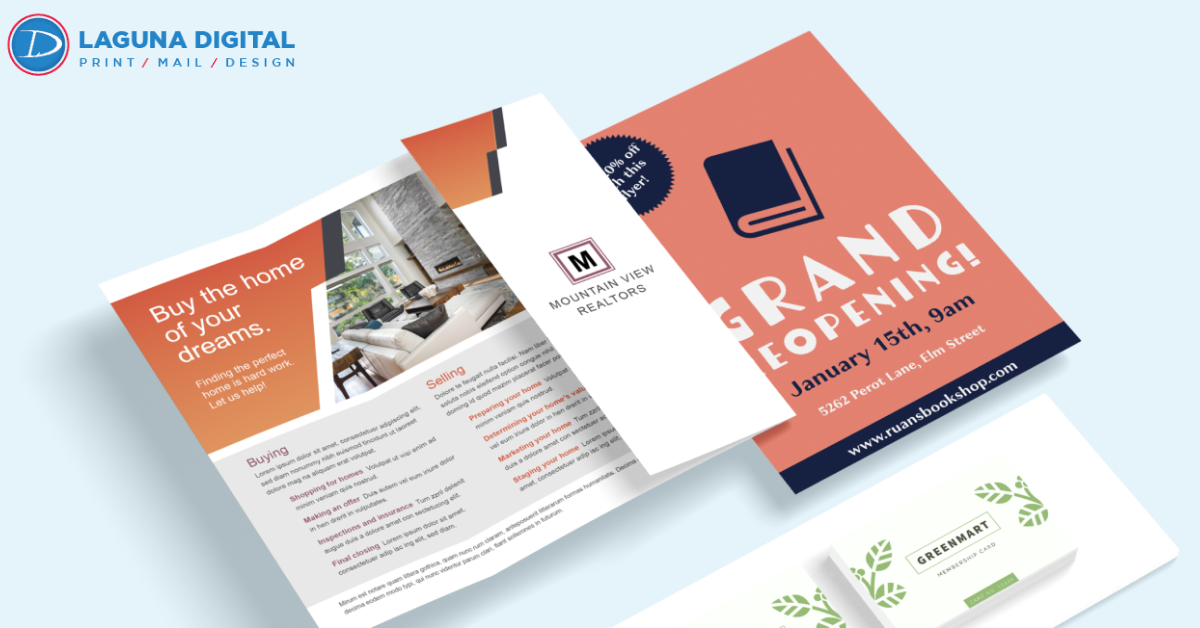
If you are designing standard Flyers, use high-contrast colors and plenty of white space. If the text is too dense, it looks like homework, and nobody wants to do homework. We often recommend using bullet points for services and a clear, singular Call to Action (CTA). If you ask them to Call us, visit our website, follow us on Instagram, and email us, they will likely do none of those things. Pick one primary goal and design the whole piece around it.
For companies looking for a more corporate or professional look, Business Flyers often benefit from cleaner lines and professional photography rather than stock illustrations. Real photos of your team or your actual work build trust much faster than generic stock images ever will.
Offer Strategies: Giving Them a Reason to Keep It
A flyer without an offer is just a piece of paper. A flyer with a compelling offer is a check waiting to be cashed. The offer is the engine of your campaign. I always advise clients to think about the What’s in it for me? factor. Why should the recipient care? 10% off is rarely enough to motivate a stranger. You need to disrupt their routine.
Time-Sensitive Discounts and QR Codes
Creating urgency is one of the oldest tricks in the book because it works. An expiration date forces a decision. If the offer is open-ended, the flyer goes in the I’ll get to it later pile, which eventually becomes the trash. But if the offer expires in 14 days, it goes on the fridge.
We are also seeing a massive resurgence in QR codes. A few years ago, they were clunky; now, everyone knows how to use them. This is the perfect bridge between your physical marketing and your digital tracking. You can link a QR code to a specific landing page to track exactly how many leads came from your mailer.
Sometimes, the format itself dictates the offer. For instance, we’ve written before about the differences in rack cards vs. flyers. If you are leaving materials in high-traffic local businesses, a sturdy rack card with a QR code might perform better than a flimsy flyer because it stands up in a holder and feels more permanent. Matching the offer format to where the customer will encounter it is a subtle but crucial detail.
Integrating Flyers into a Broader Campaign
Your flyer campaign shouldn’t live on an island. It works best when it supports other marketing efforts. We call this the surround sound effect. If a customer gets a flyer from you, then sees a yard sign in their neighbor’s lawn, and later sees a Facebook ad, your credibility skyrockets.
Event Promotions and Local Awareness
One of the best uses for flyers is event promotion. Whether it’s a grand opening, a seasonal sale, or a charity drive, having a physical invite makes the event feel exclusive. We have explored 5 ways to use flyers for event promotions extensively, but the key takeaway is timing. You want the flyer to arrive about 7-10 days before the event—close enough to be remembered, but far enough out to plan for.
It is also vital to ensure your visual branding is consistent across all physical media. The colors and fonts on your flyers should match what you are using for your large format items. If you are browsing our marketing materials, make sure your brochures, business cards, and mailers all look like siblings. If you are also using outdoor advertising from our banners, posters, and signs category, that visual continuity signals to the community that you are an established, professional entity, not a fly-by-night operation.
Common Pitfalls We See (And How to Avoid Them)
I want to save you some money by sharing the failures I’ve witnessed. The biggest tragedy in this business is a client who has a great product but ruins their first impression with cheap materials.
Ignoring Paper Quality and Size
There is a tangible difference between 80lb gloss text and 100lb cover stock. When a prospect picks up a flimsy piece of paper, they subconsciously associate cheap with your service. If you are selling luxury real estate or high-ticket consulting, you cannot afford to print on bargain-bin paper. It is worth the extra pennies per unit to upgrade the stock.
Another issue is ignoring the Business Essentials. Sometimes clients get so focused on the big promo that they forget the basics. Does your flyer include your license number (if required)? Is your website URL easy to read? We categorize these foundational elements under business essentials for a reason they are non-negotiable. Don’t let a typo or a missing phone number ruin a perfect campaign. Always get a physical proof before you run 5,000 copies. We always recommend seeing the physical print to catch errors that your eyes glaze over on a screen.
FAQs
How many flyers do I need to mail to see results?
Direct mail is a numbers game, but response rates typically hover between 1% and 3% for cold lists. To get meaningful data, I usually recommend starting with at least 1,000 to 2,500 pieces. Sending 100 flyers rarely generates enough data to know if the campaign worked. Consistency is also key; mailing the same list 3 times is often more effective than mailing 3 different lists once.
Should I design my flyer myself or hire a professional?
Tools like Canva are great, but they often lack the technical specs needed for high-quality professional printing (bleeds, CMYK color profiles, safe zones). If you have design experience, go for it. However, if you want to ensure the final product looks crisp and professional, working with a print provider who understands layout hierarchy can make a huge difference in conversion rates.
What is the best paper stock for mailing flyers?
For direct mail, you want something sturdy enough to survive the postal machinery but light enough to keep postage costs down. A 100lb Gloss Book or a 14pt Cardstock are industry favorites. The 14pt Cardstock (postcard style) is excellent because it doesn’t need an envelope, meaning your message is visible the second they open the mailbox box.
How do I track the ROI of my flyer campaign?
Never send a flyer without a tracking mechanism. Use a call tracking phone number (a unique number that forwards to your main line), a specific QR code, or a dedicated landing page (e.g., yourwebsite.com/summer-special). This allows you to count exactly how many leads came from the paper versus your digital ads.
Conclusion
Mailing flyers isn’t about nostalgia; it’s about disrupting the digital fatigue your customers are feeling. It is about placing something real and valuable into their hands. When you combine high-quality materials with a smart targeting strategy and a compelling offer, print marketing becomes a powerful engine for lead generation.
It takes a little more effort than clicking boost on a social media post, but the quality of leads and the longevity of the message is often far superior. If you are ready to start planning your next campaign or just want to read more about marketing trends, check out our blog for more insights. We are here to help you turn those paper rectangles into loyal customers.