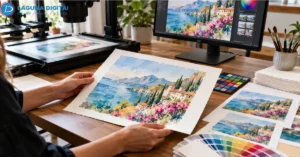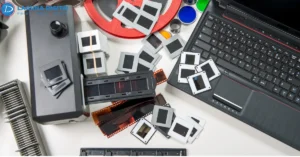



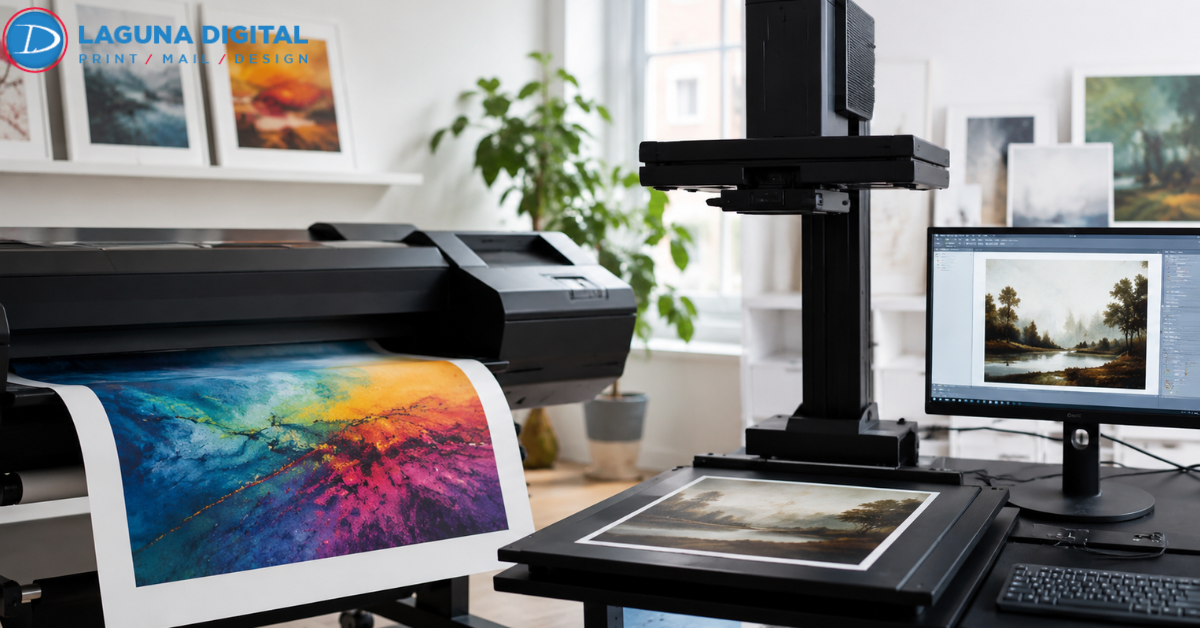
The world of art reproduction is changing faster than ever, and artists, galleries, and collectors are paying close attention to how technology is reshaping visual quality. Today, precision and color accuracy matter more than ever, especially when artwork is shared digitally or reproduced for collectors.
Modern tools like giclée printing are helping artists achieve museum level results with incredible detail. At the same time, fine art printing has evolved into a highly refined process that preserves the essence of original artwork while making it accessible to a wider audience.
Even advanced digital printing services are now capable of producing results that were once only possible in traditional studios. This shift is not just about technology, it is about giving artists more control, consistency, and creative freedom in how their work is presented and preserved.
Evolution of Modern Fine Art Reproduction Techniques
Precision Driven Color Development
Modern reproduction now focuses heavily on color accuracy and tonal balance. Artists expect consistent results across every print, and new systems make that possible with refined calibration tools that reduce variation and improve overall visual harmony.
Archival Quality Output
Today’s reproduction methods prioritize long lasting materials and pigment based inks. These improvements ensure artwork remains vibrant for decades, helping collectors and galleries maintain value and authenticity without compromise.
Growth of Studio Demand
Studios are increasingly relying on advanced workflows to meet client expectations. Many now depend on specialized systems that integrate production consistency with creative flexibility for large scale projects and exhibitions using giclée printing techniques.
Expansion of Material Versatility
Artists now have access to a wider range of surfaces including textured papers and specialty media. This flexibility allows them to match the feel of original artwork while maintaining high fidelity reproduction standards for different audiences.
Technology Improvements in Scanning and Color Accuracy
High Resolution Capture Innovation
Modern fine scanning systems now capture extreme detail without damaging original artwork. These advancements help preserve brush strokes, textures, and subtle gradients that were previously difficult to reproduce accurately.
Color Calibration Consistency
New calibration systems ensure that printed output matches original artwork under different lighting conditions. This level of control supports reliable production standards across various formats including fine art printing.
Smart Workflow Integration
Studios now use automated workflows that streamline editing, proofing, and production stages. This reduces manual error and improves efficiency while maintaining artistic integrity across multiple projects.
Material Adaptability
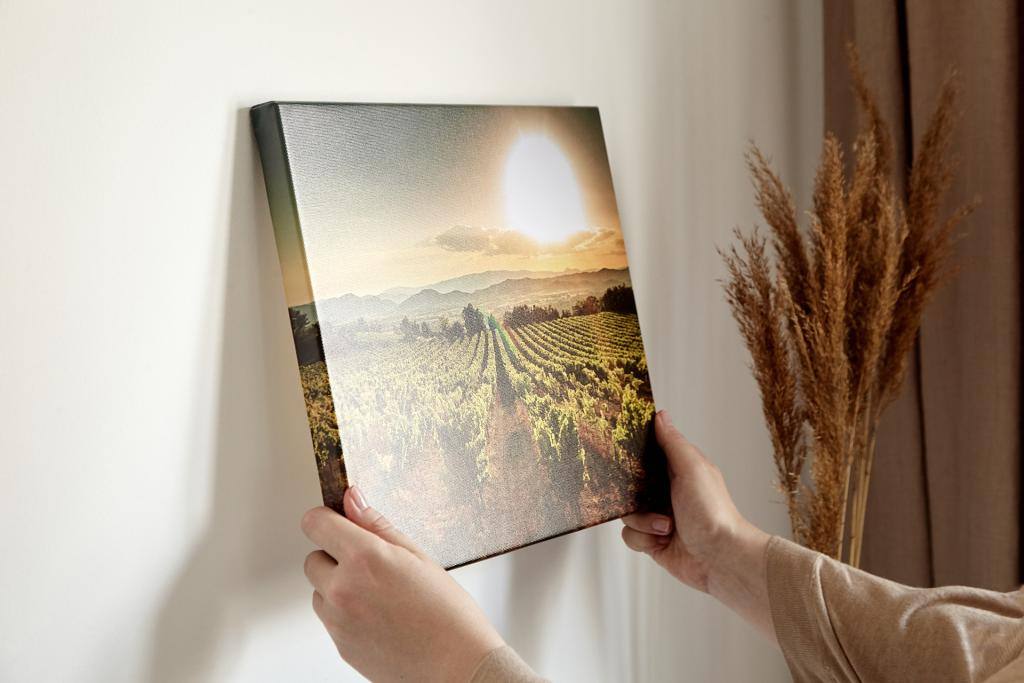
Advanced systems now support a wide range of substrates and ink types. This adaptability ensures that prints maintain clarity and depth whether produced on paper, canvas, or specialty materials through canvas printing processes.
Digital Archiving and Preservation
Artists increasingly rely on digital storage systems to preserve originals in high fidelity formats. These archives ensure long term accessibility and support future reproduction needs without repeated handling of physical artwork.
Professional Production Workflows for Artists and Studios
Structured Production Planning
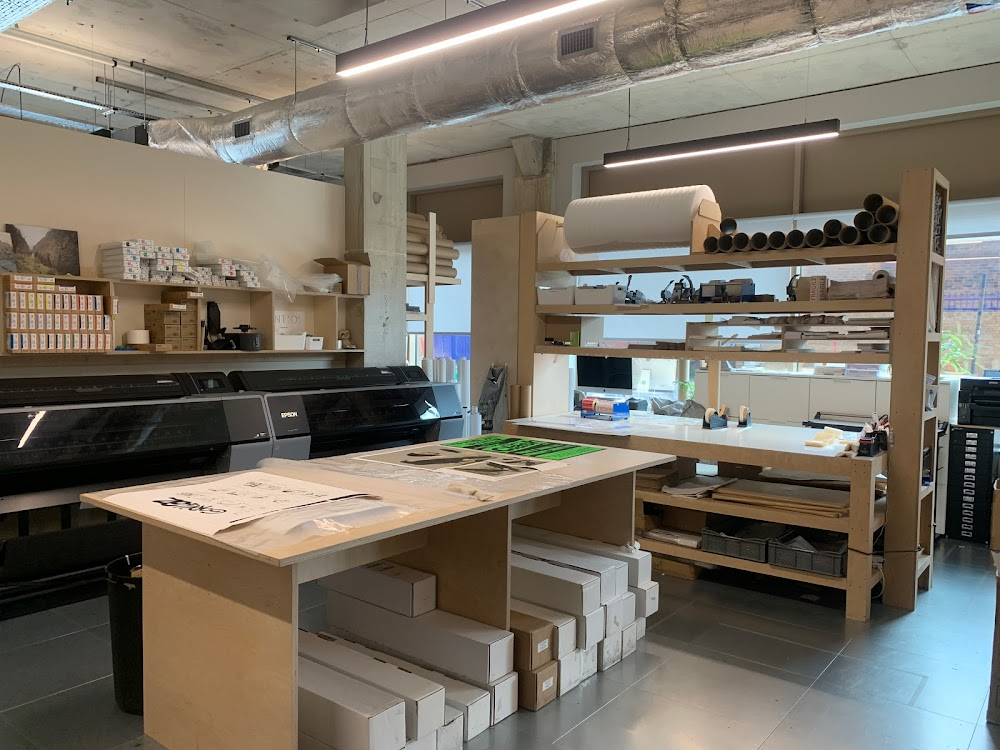
Before printing begins, artists and studios carefully plan resolution, scaling, and composition. This stage ensures that final outputs meet expectations and align with intended visual storytelling goals across multiple formats.
Advanced Image Refinement
Editing tools now allow precise adjustments in tone, contrast, and sharpness. These refinements ensure that every detail is optimized before production begins, improving final quality across art printing services.
Scalable Management Systems
Modern studios use systems that handle multiple projects simultaneously. This allows consistent output even when managing large orders, exhibitions, or gallery collections without sacrificing detail or accuracy.
Cross Platform Reproduction Flexibility
Artists can now reproduce artwork across different mediums while maintaining consistency. Whether producing physical prints or digital archives, workflows ensure quality remains uniform across every format including digital printing services.
Quality Assurance and Final Inspection
Before delivery, every print goes through strict quality checks. This ensures color accuracy, alignment, and texture consistency meet professional standards expected by collectors and galleries.
FAQs
What makes a professional art scan better than a phone photo?
A professional scan controls light, focus, color, and surface detail much better than a phone image. It also creates a cleaner file for editing and print production. Phone photos can work for social media, but they usually fall short for serious reproduction.
How often should artists update their print files?
Artists should update files when they improve their editing process, change paper types, or notice color issues in older prints. A fresh scan may also help if the original artwork has subtle texture or color that was missed in the first capture.
Is matte paper better than glossy paper for art prints?
Matte paper is often better for paintings, drawings, and soft color work because it reduces glare and feels more natural. Glossy paper can suit bold photography or high contrast images. The best choice depends on the artwork and the buyer experience.
Why do proof prints matter?
Proof prints help artists see the real result before producing a full order. They reveal color shifts, shadow loss, paper tone, and contrast issues. This step can prevent wasted money and protect the quality of a final edition.
Can one scan be used for many print products?
Yes, a strong scan can support several formats if the resolution is high enough. Artists can use it for prints, portfolios, online listings, and promotional materials. The key is starting with a clean master file that does not need repeated correction.
Conclusion
Modern art reproduction in 2026 is moving toward careful capture, better materials, and more honest presentation. Artists want prints that respect the original piece, while buyers want quality they can see and feel.
A thoughtful workflow, from scanning to proofing to final output, makes that possible. For studios such as Laguna Digital, the real value is not only in the technology, but in helping artwork keep its character after it leaves the original canvas or paper.