
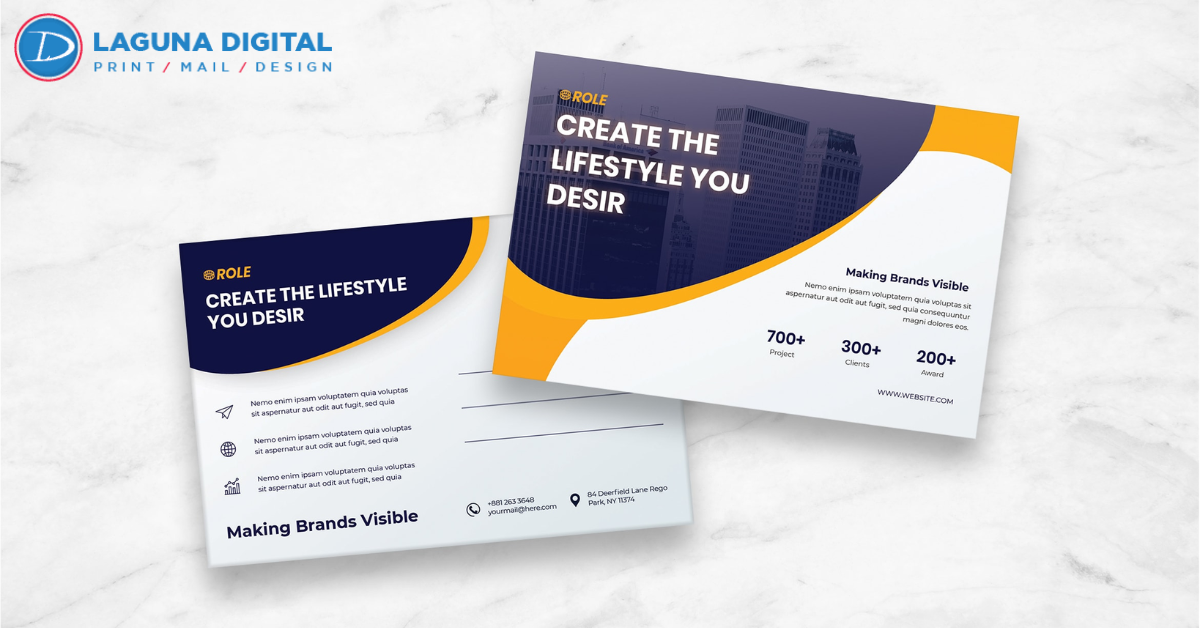
We have all been there as business owners: sitting in front of a computer screen, staring at open rates for an email campaign that simply didn’t perform the way we hoped. It is frustrating to pour time and money into a digital void, wondering if your message ever actually reached the customer. In my years working in the printing industry, I have learned that while digital is fast, physical marketing provides a “stickiness” that pixels just cannot replicate.
When a customer holds a tangible offer in their hands, the psychology shifts. It isn’t just another notification to swipe away; it is a physical invitation. This is where high-quality Postcard Printing comes into play. It bridges the gap between a fleeting thought and a concrete action. Whether you are running a seasonal blowout or an exclusive VIP discount, the weight, texture, and design of your postcard can be the deciding factor in whether a client walks through your door or scrolls past your competitor.
The Tangible Advantage of Physical Mail
In a world where our pockets buzz with notifications every five minutes, physical mail has become something of a novelty. It feels personal again. I’ve worked with countless clients at Laguna Digital who were skeptical about returning to print, only to find that their ROI on postcard campaigns outpaced their social media ads. The reason is simple: a postcard occupies physical space in a prospect’s home or office, serving as a constant visual reminder of your brand.
Unlike an email that gets buried under a mountain of spam, a well-printed postcard often lives on a refrigerator, a desk, or a counter for days, sometimes weeks. This longevity is crucial for sales promotions. If you are offering a discount code or a limited-time sale, you want that offer to remain visible until the customer is ready to buy. We have seen that combining high-quality imagery with a clear, bold offer creates a sense of value that digital text struggles to convey.
To make the most of this, you need to think about the entire suite of marketing materials you use. A postcard shouldn’t stand alone; it should be part of a consistent visual identity. When the card matches your store signage and your business cards, you build trust. Trust is the currency that eventually converts a maybe into a sale.
Design Psychology: Crafting an Offer That Converts
One of the most common mistakes I see business owners make is trying to cram too much information onto a 4×6 or 5×7 card. I always advise my clients to embrace white space. Your postcard has one job: to get the customer to take action. If you clutter the design with three paragraphs of text, you have already lost them. The headline needs to be the hook, and the discount needs to be the sinker.
Effective design relies on hierarchy. Your 50% OFF or Buy One Get One Free offer should be the most dominant element on the page, followed closely by a high-resolution image of the product or service. To get this right, I recommend reading up on design tips for sales to understand how eye-tracking works. A confused mind always says no, so keep your layout clean, directional, and focused entirely on the benefit to the customer.
Furthermore, the call to action (CTA) must be undeniable. Don’t just say Visit us. Say Bring this card in for $20 off before Friday. Creating urgency is a classic sales tactic, but it works exceptionally well in print because the expiration date is physically staring them in the face. This pairs well with other business essentials like loyalty cards, reinforcing the habit of returning to your business.
Utilizing High-Quality Paper and Finishes
You can have the best graphic design in the world, but if you print it on flimsy, cheap paper, your brand value plummets the moment the client touches it. I always tell my clients that the paper stock is the body language of your marketing. A thick, sturdy card stock signals stability and quality, whereas a thin sheet feels disposable. This is where professional digital printing makes a massive difference compared to home office printers.
Texture also plays a huge role in engagement. Soft-touch laminates, high-gloss UV coatings on the photos, or matte finishes for a modern look all change how a person interacts with the card. If you are using photography to sell food, real estate, or products, professional photo printing quality is non-negotiable. Grainy images suggest a grainy business operation.
For those looking to truly stand out, exploring advanced printing techniques can elevate a simple promotion into a keepsake. Foil stamping or spot UV can highlight the discount amount, catching the light and drawing the eye exactly where you want it. These premium touches suggest that the offer is exclusive and valuable, increasing the likelihood of redemption.
integrating Print with Digital Campaigns
We live in an omnichannel world, and the smartest businesses use print to drive digital traffic. I often suggest including a QR code on your promotional postcards. This bridges the physical and digital divide seamlessly. A client receives the card, sees the offer, scans the code, and is instantly transported to a landing page with a pre-loaded discount. This isn’t just convenient; it provides you with trackable data.
By using modern print solutions, you can track exactly how many people engaged with your physical mailer. You can even use variable data printing to personalize each card with the recipient’s name or a unique coupon code. Personalization increases response rates significantly because it makes the recipient feel seen rather than just targeted.
However, don’t forget the physical environment. If you are driving traffic to a physical location, ensure your banners, posters, and signs match the postcard. When they arrive at your shop, the visual continuity reassures them they are in the right place to redeem that great offer they received in the mail.
Beyond the Postcard: Comprehensive Branding
While postcards are fantastic for quick sales and discounts, sometimes you need to tell a deeper story. If you are launching a complex new product or offering a high-ticket service, a postcard might just be the teaser. In these cases, we often produce catalogs or booklets to send to interested leads. Professional book printing allows you to provide detailed specs, case studies, and extensive product lines that a single card cannot hold.

It is about using the right tool for the job. Postcards are your sprinters fast, direct, and impact-oriented. Booklets and brochures are your marathon runners designed for longevity and education. Knowing which essential marketing tools to deploy and when is what separates successful campaigns from wasted budgets.
I have seen businesses fail not because their product was bad, but because they tried to do everything with one format. They try to turn a postcard into a catalog, resulting in 6-point font that no one reads. Keep the postcard focused on the “hook,” and use other materials to close the deal on complex offers.
FAQs
What is the standard size for a promotional postcard?
While 4″ x 6″ is the industry standard and most cost-effective for mailing, I often recommend 5″ x 7″ or even 6″ x 9″ for sales promotions. The larger sizes stand out more in the mailbox and provide just enough extra room to let your design breathe without looking cluttered.
How do I track the ROI of a printed postcard campaign?
The most effective method is using specific redemption codes (e.g., “SAVE20SUMMER”) or QR codes that lead to a specific landing page. If you are a brick-and-mortar business, asking customers to “bring in this card” is a classic, foolproof way to physically count the returns.
Should I use glossy or matte finish for my discount cards?
It depends on the design. High-gloss is excellent for vibrant photos and making colors pop, which is great for food or fashion. Matte or soft-touch finishes convey luxury and are easier to read if you have a lot of text. I usually suggest a matte card with a spot UV gloss over the discount offer to make it shine.
Is direct mail still effective for younger demographics?
Surprisingly, yes. Because younger generations are inundated with digital ads, physical mail stands out as unique and “retro.” It feels more intentional to them. If the design is modern and the offer is relevant, they are just as likely to engage as older demographics.
Conclusion
At the end of the day, postcard printing is about more than just ink on paper; it is about creating an opportunity for connection. In my experience, businesses that view print as a strategic investment rather than an outdated expense are the ones that see the best results. A well-crafted postcard cuts through the digital noise, lands directly in your customer’s hands, and demands attention in a way an email subject line never could.
Remember to keep your message clear, your design bold, and your materials high-quality. Whether you are announcing a massive clearance sale or a subtle customer appreciation discount, the tactile experience matters. If you are looking for more insights on how to elevate your print marketing strategy, feel free to explore our blog for tips, tricks, and industry updates. Let’s make your next promotion something your customers can actually hold onto.