
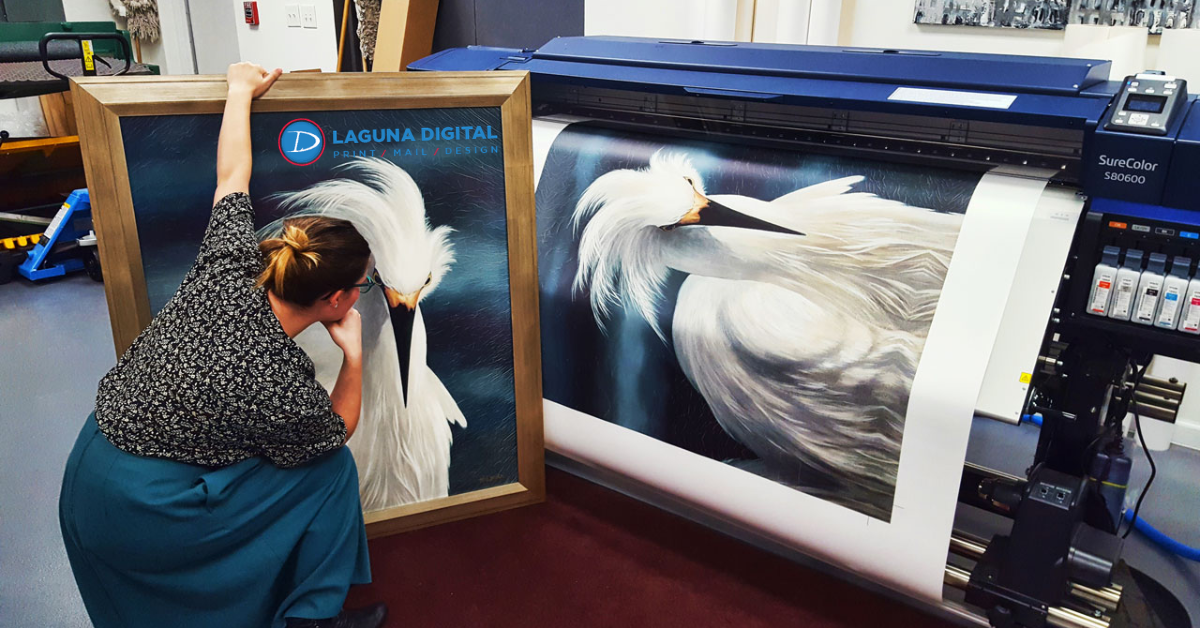
The digital-first environment has transformed how art is created, shared, and experienced across the world. No longer limited to galleries, studios, or private collections, artwork now moves seamlessly across screens, platforms, and global markets within seconds. This shift has redefined how artists present their work and how audiences connect with creativity. Traditional barriers that once restricted exposure have largely disappeared, making art more accessible than ever. As a result, the demand for high-quality art reproduction has grown significantly, ensuring that the original essence is preserved while reaching a wider audience.
As artists, collectors, and businesses adapt to this shift, the importance of precision, color accuracy, and material quality becomes more critical than ever. Art reproduction is no longer just about copying—it is about preserving emotion, detail, and authenticity in a way that resonates with modern audiences. Those who embrace professional reproduction solutions are not only preserving their art but also unlocking new opportunities for growth and commercial success.
The Evolution of Art Reproduction
From Manual Copies to Digital Precision
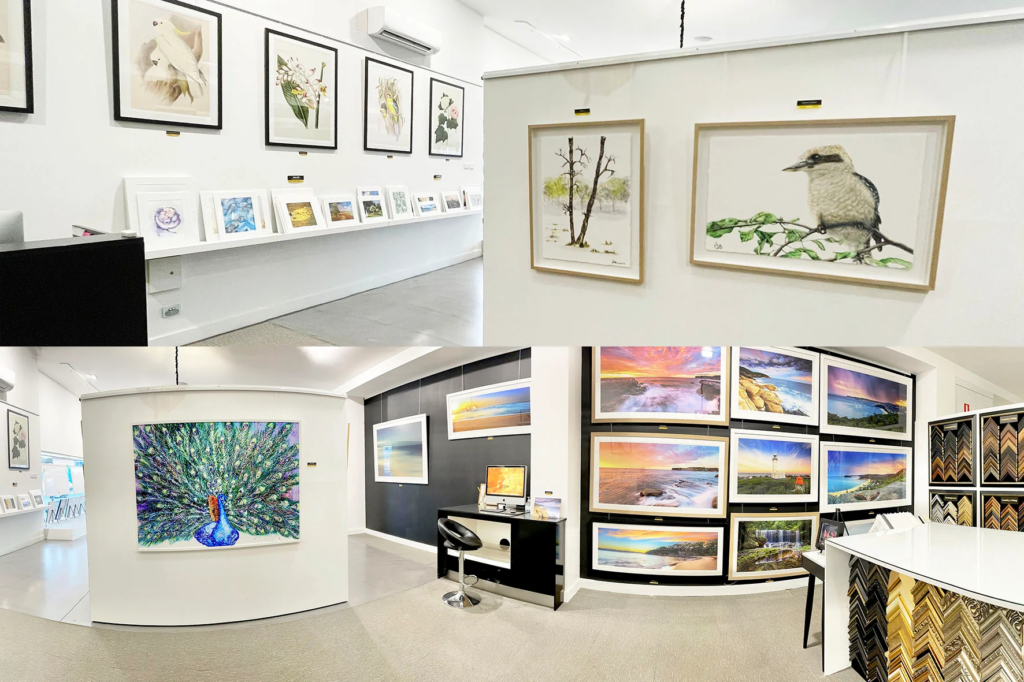
Art reproduction has undergone a remarkable transformation over time, evolving from labor-intensive hand-painted replicas to highly advanced digital processes. In earlier days, artists and craftsmen relied entirely on manual techniques, which often resulted in variations and inconsistencies in the final output. These methods, while valuable, struggled to maintain the fine details and textures of the original work. With the introduction of digital tools, the entire process has become more refined and reliable. Today, artists can reproduce their work with exceptional clarity and accuracy, ensuring that every element is preserved. This shift has not only improved quality but also increased efficiency and scalability.
The Rise of High-Resolution Technology
High-resolution technology has become a cornerstone of modern art reproduction, enabling the capture of even the most intricate details. Advanced scanners and printers work together to replicate textures, brushstrokes, and subtle color gradients with incredible precision. This level of detail ensures that the reproduced artwork closely mirrors the original piece in both appearance and feel. Artists can now confidently share their work across various formats without compromising on quality. Additionally, high-resolution imaging supports large-scale printing while maintaining sharpness and clarity. As a result, it has significantly enhanced the overall standard of reproduced art.
Why Digital-First is Reshaping Creativity
Accessibility for Artists Worldwide
The digital-first approach has opened up new opportunities for artists across the globe, removing many traditional barriers to entry. Previously, gaining recognition often required access to galleries or industry connections, which limited exposure for many creators. Today, artists can showcase their work online and reach international audiences with ease. This increased accessibility allows emerging talent to compete on a level playing field with established professionals. It also encourages diversity and innovation within the art community. As a result, the global art landscape has become more inclusive and dynamic.
Bridging Physical and Digital Art
Digital reproduction plays a crucial role in connecting traditional and modern forms of art. It allows physical artworks to be converted into digital formats, making them easier to share, store, and reproduce. At the same time, digital creations can be transformed into high-quality physical prints, bringing them into tangible form. This seamless integration expands creative possibilities for artists working across different mediums. It also enables collectors and audiences to experience art in multiple ways. Ultimately, this bridge between physical and digital art enhances both accessibility and artistic expression.
The Role of Technology in Modern Art Reproduction
Advanced Printing Techniques
Modern printing techniques have significantly improved the quality and consistency of reproduced artwork. Technologies such as giclée printing offer exceptional color depth, sharpness, and durability, making them a preferred choice for professionals. These methods ensure that every print maintains the integrity of the original piece, even when produced in large quantities. Artists and collectors benefit from museum-quality results that meet high industry standards. Additionally, advanced printers can handle a wide range of materials, from fine art paper to canvas. This versatility allows for greater creative flexibility and customization.
Color Accuracy and Detail Preservation
Maintaining accurate color representation is one of the most critical aspects of art reproduction. Color management systems are designed to ensure that the reproduced image matches the original artwork as closely as possible. Through careful calibration and the use of professional-grade equipment, even the most subtle tones and contrasts are preserved. This attention to detail helps retain the emotional and visual impact of the artwork. It also ensures consistency across multiple prints and formats. As a result, artists can trust that their vision is faithfully represented in every reproduction.
Benefits of Professional Art Reproduction Services
- Ensures consistent quality across multiple prints
- Preserves the integrity of the original artwork
- Enables scalability for commercial distribution
- Provides access to premium materials and finishes
- Enhances the perceived value of reproduced art
Professional services eliminate guesswork and deliver results that meet industry standards, making them a valuable investment for artists and businesses alike.
Challenges in Digital Art Reproduction
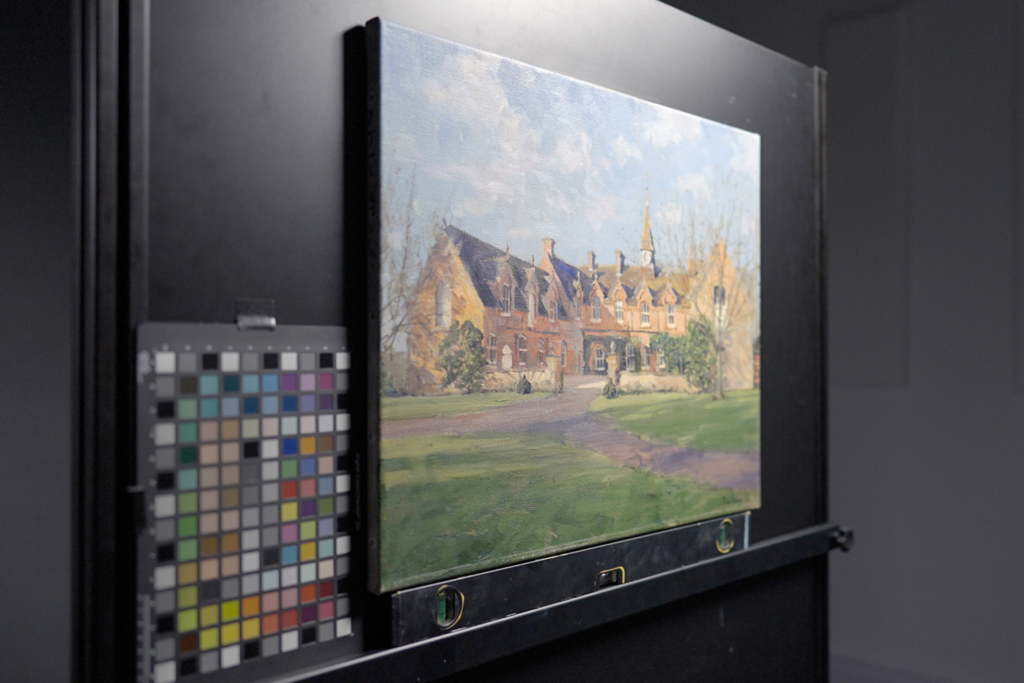
Despite its advantages, digital art reproduction comes with its own set of challenges. Achieving perfect color matching can be difficult without proper calibration, and low-quality materials can degrade over time, affecting the longevity of the artwork. Additionally, improper handling during the reproduction process may lead to loss of texture or subtle details that define the original piece.
Another challenge lies in maintaining authenticity while scaling production. Artists must ensure that reproduced pieces still reflect their unique style and emotional depth. This is why choosing the right tools and expertise is essential for overcoming these limitations and achieving professional-grade results.
How Artists Can Monetize Reproduced Art
Expanding Revenue Streams
Art reproduction opens new financial opportunities for artists by allowing them to move beyond selling only original pieces. Instead of relying on one-time sales, artists can create multiple versions of the same artwork in different sizes and formats. This flexibility helps them reach a wider audience, including collectors with varying budgets. It also allows artists to build a consistent income stream over time. By diversifying their offerings, artists can grow their brand and increase long-term profitability.
Licensing and Limited Editions
Licensing and limited edition prints provide artists with strategic ways to earn while maintaining exclusivity. Limited editions create a sense of rarity, making each print more valuable to collectors. At the same time, licensing agreements allow artists to collaborate with brands or businesses, expanding their exposure. These methods help protect the originality of the artwork while still generating additional revenue. As a result, artists can sustain their careers without reducing the significance of their original creations.
The Importance of Quality in Art Reproduction
Materials and Longevity
The materials used in art reproduction play a vital role in determining how long the artwork will last. Choosing high-quality paper, canvas, and archival inks ensures that the reproduced piece remains vibrant over time. Durable materials prevent fading, discoloration, and damage, making the artwork suitable for both display and resale. This is especially important for collectors who value longevity and preservation. Investing in premium materials ultimately enhances the overall value of the reproduced artwork.
Maintaining Artistic Integrity
Maintaining artistic integrity is essential when reproducing artwork, as it ensures the original vision is not lost. High-quality reproduction focuses on capturing every detail, including subtle textures and color variations. This process requires precision and advanced techniques to achieve accurate results. When done correctly, the reproduced piece reflects the same emotion and depth as the original. Preserving these elements helps maintain the artist’s identity and builds trust with buyers and collectors.
Choosing the Right Art Reproduction Partner
- Look for expertise in high-resolution scanning and printing
- Ensure the use of premium materials and archival inks
- Check for color accuracy and consistency
- Evaluate customer reviews and portfolio
- Consider scalability for future needs
Selecting the right partner can make a significant difference in the final output, ensuring that every reproduced piece meets professional standards.
Trends Defining the Future of Art Reproduction
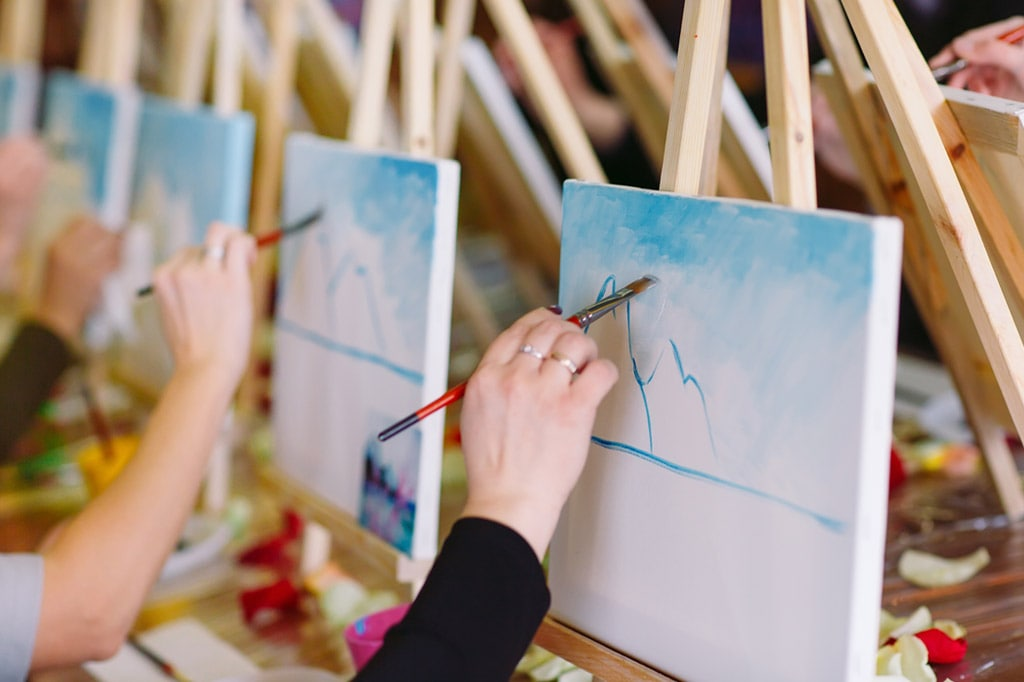
The future of art reproduction is being shaped by innovation and changing consumer preferences. Technologies such as AI-assisted enhancement, 3D texture replication, and augmented reality previews are redefining how art is reproduced and experienced. These advancements are not only improving quality but also creating new ways for audiences to interact with art.
Sustainability is another emerging trend, with eco-friendly materials and processes gaining popularity. As awareness grows, artists and businesses are seeking solutions that minimize environmental impact without compromising quality. This shift reflects a broader movement toward responsible and ethical production practices in the art industry.
FAQs
What is art reproduction?
Art reproduction refers to creating high-quality copies of original artwork using advanced digital tools and printing methods. It focuses on preserving fine details, textures, and colors. The goal is to produce prints that closely match the original piece in both appearance and feel.
Why is digital art reproduction important today?
Digital reproduction helps artists share their work with a global audience quickly and efficiently. It removes geographical limitations and supports online sales. This approach also ensures consistent quality across multiple copies in a digital-first market.
How can artists benefit financially from reproduction?
Artists can sell multiple prints of the same artwork, increasing their earning potential. They can also offer different sizes and formats to attract more buyers. This creates steady income streams beyond selling a single original piece.
What factors affect the quality of reproduced art?
The quality depends on resolution, color accuracy, and the type of printing technology used. Materials like paper, canvas, and ink also play a major role. Proper calibration and professional handling ensure the best final results.
How do I choose a reliable art reproduction service?
Look for providers with strong experience, advanced equipment, and a solid portfolio. Consistency in color accuracy and print quality is essential. Customer reviews and material quality can also help you make the right choice.
Conclusion
As the digital-first world continues to evolve, art reproduction is becoming an essential tool for artists, collectors, and businesses looking to expand their reach and preserve creative work. High-quality reproduction not only enhances accessibility but also ensures that art retains its emotional and visual impact across different formats. Those who invest in professional solutions are better positioned to thrive in this competitive landscape.
Laguna Digital stands at the forefront of this transformation, offering premium Art Reproduction services that combine advanced technology with artistic precision. By choosing Laguna Digital, artists and businesses can confidently bring their creations to life with unmatched quality, ensuring lasting impressions and sustainable growth in a digitally driven future.