
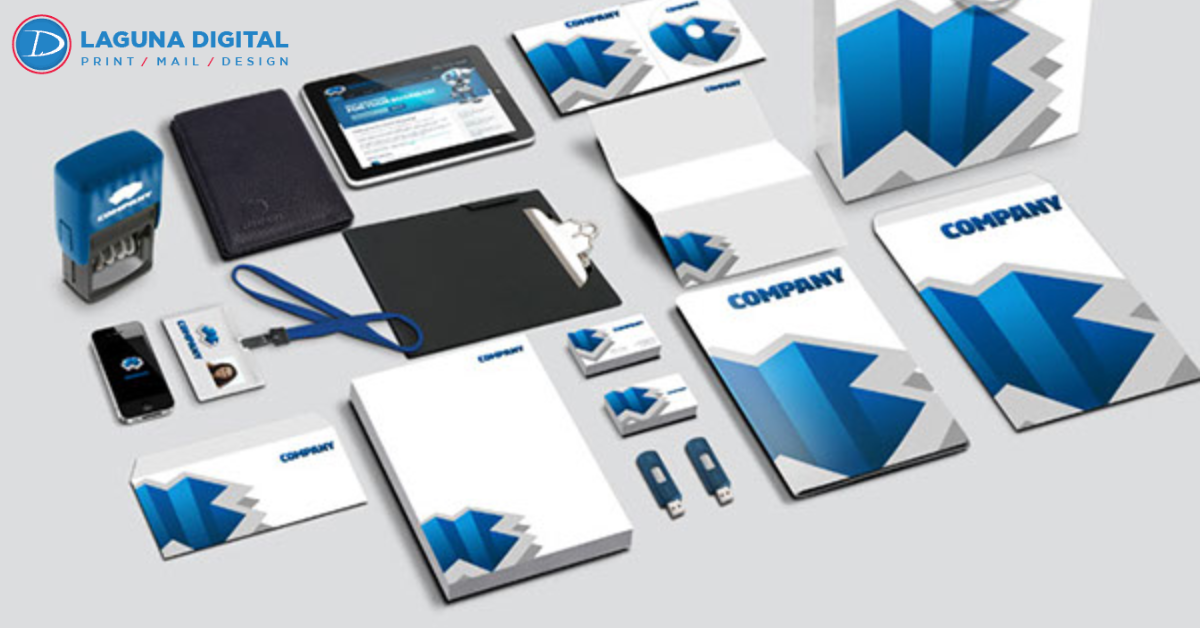
I have walked into countless meetings where a brilliant business owner pitches an incredible service, only to hand me a flimsy, homemade business card or worse, nothing at all. In that split second, the perception of their brand shifts. It’s a common struggle I see often: companies pour thousands into digital ads but neglect the tangible assets that actually close deals and build trust during face-to-face interactions.
In a world that is increasingly glued to screens, holding something physical and high-quality creates a connection that pixels just can’t replicate. Whether you are running a local café, a consultancy firm, or a real estate agency, your physical collateral speaks volumes before you even say a word. At Laguna Digital, we’ve seen firsthand how the right mix of printed assets can turn a “maybe” into a loyal client. Let’s dive into the essential tools that should be in your arsenal.
Why Tangible Marketing Still Matters
There is a misconception that print is dead. In my experience, that couldn’t be further from the truth. If anything, print has become a premium differentiator. When everyone else is sending spam emails that get deleted in seconds, a well-crafted brochure or a textured business card lingers on a desk. It occupies physical space in your client’s life.
When we talk about effective strategies, it’s not about choosing between digital and physical; it’s about how they work together. Your physical materials should reinforce what your website says, providing a seamless brand experience. This tactile reliability signals permanence and stability—two things every customer is subliminally looking for.
The Foundation: Professional Business Essentials
It all starts with the basics. I often tell clients that if you strip away all the fancy campaigns, you must at least have your identity sorted. This is the “handshake” of your business. If your stationery feels cheap, clients assume your service might be too.
Business Cards That Demand Attention
Your business card is often the only thing a prospect takes away from a meeting. I’ve seen beautiful designs ruined by poor paper quality. A card needs to have a certain “snap” to it. It needs to feel valuable. Whether you opt for a velvet soft-touch finish or a classic matte, the goal is to make the recipient hesitant to throw it away.
Letterhead and Envelopes
You might think letterheads are old-fashioned, but consider this: when you send a contract, an invoice, or a formal proposal, presenting it on branded stationery elevates the document from a piece of paper to a binding professional agreement. It builds authority.
If you are looking to upgrade your core identity pieces, you can explore various options for business essentials that ensure you look polished in every interaction.
Large Format Visibility: Banners and Signs
If you have a physical location or attend trade shows, visibility is your currency. I recall a client who had a fantastic product but a booth that looked invisible at a crowded expo. We revamped their setup with high-contrast, large-format displays, and the foot traffic doubled immediately.
Capturing Foot Traffic
Sidewalk signs, A-frames, and window decals are silent salespeople. They work 24/7. For businesses like restaurants or retail stores, these are non-negotiable. But even for service businesses, a well-placed pull-up banner at a networking event acts as a beacon.
The key here is readability. A common mistake is cluttering a banner with too much text. A banner is a headline, not a novel. It should grab attention from ten feet away and direct people closer. For those needing to make a big splash at their next event, investing in quality banners, posters, and signs is the fastest way to get noticed.
Communicating Value Through Detailed Print Collateral
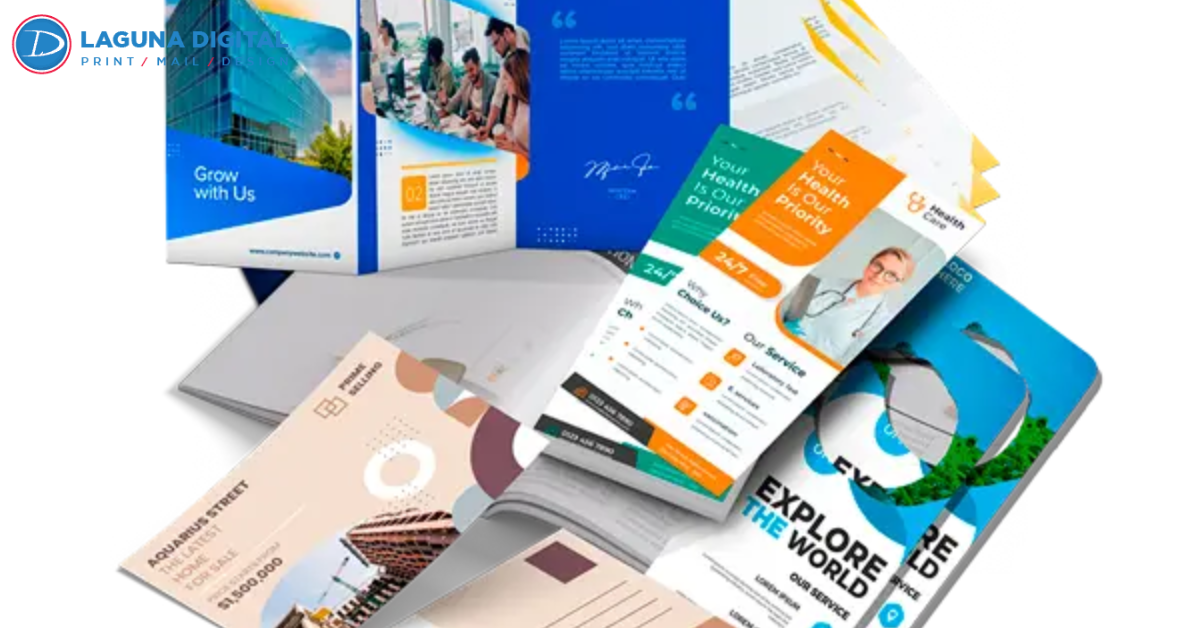
Once you have a prospect’s attention, you need to explain what you actually do. This is where flyers, brochures, and rack cards come into play. A website is great for browsing, but a brochure is a guided tour of your services that you control.
The Power of High-Quality Digital Printing
There is a distinct difference between a flyer printed on an office inkjet and one produced via professional digital printing. Professional prints have vibrant colors, sharp text, and consistent alignment. This matters because if your marketing materials look messy, clients will wonder if your work is messy too.
I recommend having a “leave-behind” piece for every sales meeting. This could be a trifold brochure summarizing your packages or a one-sheet case study. We discuss the strategy behind choosing the right mix of these assets in our detailed guide on marketing materials, which can help you decide what fits your specific sales funnel.
Establishing Authority with Multi-Page Publications
For businesses selling high-ticket items or complex services, a simple flyer often isn’t enough. You need to demonstrate expertise. This is where booklets, catalogs, and presentation folders shine.
Catalogs and Booklets
If you sell products, a physical catalog allows customers to browse without the distractions of internet pop-ups. For service providers, a “Guide to Home Buying” or a “Quarterly Market Report” printed as a booklet establishes you as a thought leader.
These documents are usually kept for weeks or months. Because they require binding and layout precision, book printing services are essential here. A spiral-bound or saddle-stitched booklet feels like a publication, not just a handout. It commands respect.
Common Mistakes to Avoid
In my years in this industry, I’ve seen money wasted on materials that end up in the recycling bin. Here are a few pitfalls to watch out for:
Inconsistent Branding: Your business card uses one shade of blue, your brochure uses another, and your banner uses a third. This confuses customers. Stick to strict brand guidelines.
Overcrowding Design: White space is your friend. Don’t try to cram your entire website history onto a 4×6 postcard. Less is usually more.
Ignoring Paper Weight: Marketing is tactile. Using standard copy paper for a flyer signals “discount,” while a heavy cardstock signals “premium.”
Ready to Elevate Your Brand Presence?
Choosing the right materials can feel overwhelming because there are so many options. However, you don’t need to do everything at once. Start with your business essentials, then expand into promotional materials as your calendar demands.
The most successful businesses I work with treat their printer as a partner, not just a vendor. If you are unsure where to start or need a custom solution that fits your specific budget, feel free to contact us. We can walk you through the paper stocks and finishes that will best represent your brand.
FAQs
1. Is print marketing really necessary for online businesses?
Absolutely. Even e-commerce brands benefit from print. Including a branded “Thank You” card or a product care guide inside your shipping package creates a premium unboxing experience that encourages repeat business and social media sharing.
2. What is the most important marketing material for a startup?
Start with a high-quality business card. It is the most affordable and versatile tool you have. Once you have that, invest in a capability statement or a basic brochure that clearly explains your core service.
3. How do I choose between digital and offset printing?
It generally comes down to quantity and turnaround time. Digital printing is perfect for smaller runs (like 500 flyers) and offers quick turnaround times. Offset printing is more cost-effective for very large volume runs but requires more setup time.
4. Can I just design my materials in Word or PowerPoint?
Technically you can, but I highly advise against it for professional printing. These programs don’t handle color spaces (CMYK) or bleed lines correctly, which often results in blurry text or white borders where there shouldn’t be any. It is better to use professional design software or hire a designer.
Conclusion
Marketing is rarely about one silver bullet; it is about the cumulative effect of professional presentation across all channels. When your physical materials match the quality of your service, you remove friction from the buying process. You tell your customers, without saying a word, that you are established, professional, and ready for business.
Don’t let your business blend into the background. investing in the right materials is an investment in your reputation. For more insights on branding, design tips, and industry trends, be sure to check out our blog for regular updates.