
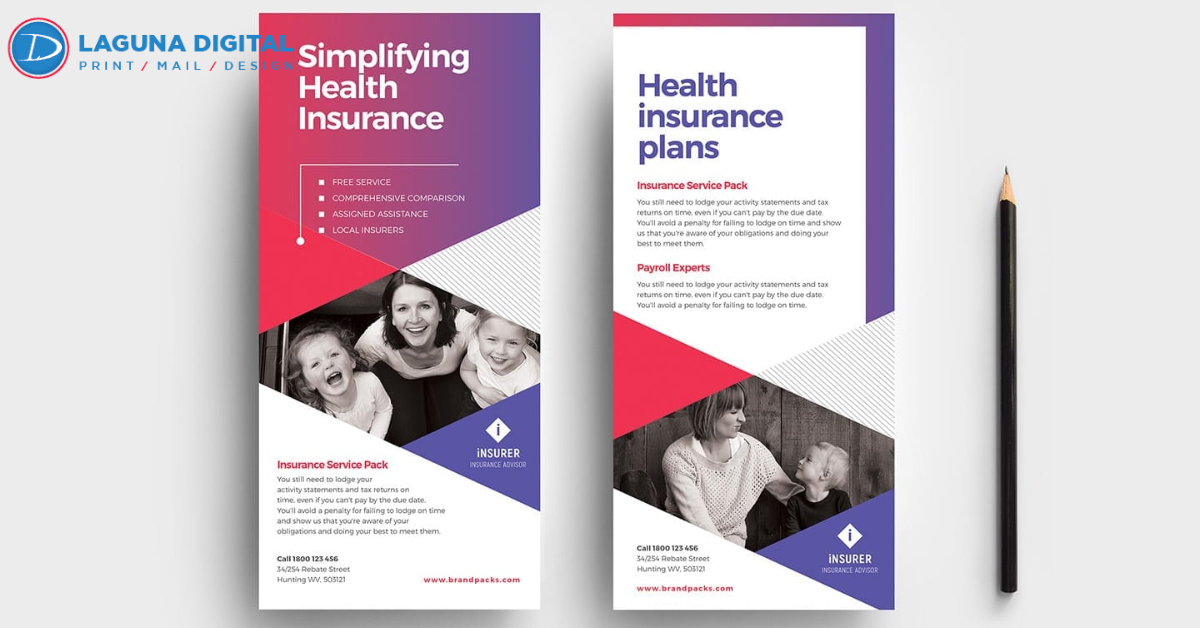
If you have ever walked into a hotel lobby, a visitor center, or a local chamber of commerce, you have likely seen a tiered display stand filled with colorful, tall, heavy-stock brochures. You probably instinctively reached out and grabbed one that caught your eye maybe for a local tour, a restaurant, or a service provider. That specific piece of marketing material is what we call a rack card. In the printing and marketing world, these remain one of the most resilient and effective tools for grabbing attention in high-traffic areas.
From my experience working with countless business owners, I’ve noticed that while digital marketing gets all the hype, tangible print materials often seal the deal for local engagement. I recently watched a hotel manager organize a display in a lobby; she was arranging fresh rack cards right next to a delivery of linens from Laguna Digital. It was a perfect snapshot of how businesses operate combining essential operational supplies with the marketing materials that actually drive guest experiences.
The Technical Definition: What Exactly Is It?
At its simplest level, a rack card is a commercial advertising document, similar to a flyer but printed on heavier cardstock and cut to specific dimensions. The industry standard size is generally 4 inches by 9 inches. This specific sizing is intentional; it is designed to fit perfectly into those standard brochure racks (hence the name) without flopping over or getting lost behind other papers.
When we handle Rack Cards for our clients, we always emphasize the importance of the paper stock. Unlike a standard tri-fold brochure that opens up, a rack card is typically a single sheet, printed front and back. Because it doesn’t fold, it needs to be rigid enough to stand upright. We usually recommend a 12pt or 14pt cardstock, often with a glossy finish on the front to make the colors pop and a matte finish on the back to allow for writing if needed.
Why Paper Still Works in a Digital World
You might be asking, Why should I pay for printing when I can just run Facebook ads? It is a valid question, but it misses a key psychological component of consumer behavior: tangibility. We are all suffering from a bit of digital fatigue. When a potential customer sees a physical card, picks it up, and puts it in their pocket or purse, they have made a physical commitment to your brand.
Digital ads are easily scrolled past and forgotten in seconds. A rack card, however, tends to stick around. We often see them pinned to refrigerators, left on car dashboards, or tucked into day planners. This physical presence serves as a constant reminder of your service, creating a lingering brand impression that a fleeting banner ad simply cannot replicate.
Rack Cards vs. Flyers: Understanding the Distinction
One of the most common questions I get is about the difference between these cards and standard flyers. While they share a similar goal spreading information their application is very different. A flyer is usually printed on thinner paper and is meant for mass distribution, like handing them out on street corners or stuffing mailboxes.
Rack cards are more “passive” but targeted. They sit in a display waiting for an interested party to voluntarily pick them up. This means the person holding your card is already a warm lead; they chose to learn more. If you are struggling to decide which format fits your current campaign, I recommend reading our breakdown on rack cards vs. flyers to help clarify your strategy.
Real-World Use Cases: Who Actually Uses Them?
While almost any business can benefit from this format, we see certain industries where rack cards are not just helpful, but essential. The design and content strategies shift slightly depending on the target audience, but the core utility remains the same.
The Tourism and Hospitality Standard
This is the “classic” use case. Theme parks, museums, jet-ski rentals, and walking tours survive on foot traffic. For these clients, the rack card is their primary salesperson in hotel lobbies. If you operate in this sector, your imagery must be impeccable because you are competing with every other attraction in town. For a deeper dive into this specific niche, check out our guide on marketing for tourism and hospitality.
Service-Based Businesses and Contractors
Recently, we have seen a massive uptake in rack cards among plumbers, HVAC technicians, and landscapers. They aren’t putting these in hotel lobbies, they are leaving them with complementary businesses. A high-end landscaper might leave a stack of cards at a local nursery. It is a strategic partnership. If you run a service business, you should read why service businesses need custom rack cards.
Designing for Impact: It’s Not Just About Information
The biggest mistake I see business owners make is treating a rack card like a Wikipedia page. They try to cram every single detail of their business history onto a 4×9 card. The result is a wall of text that nobody reads. A rack card is a hook, not a history book.
To make these effective, you need high-impact visuals. Since the card is often sitting in a slot where only the top two inches are visible, your headline and primary image need to do the heavy lifting. We often work with clients on their Photo Printing needs to ensure the images used are crisp, high-resolution, and professionally color-graded. A pixelated photo on a rack card screams amateur and will hurt your brand more than help it.
Furthermore, the card must drive action. Are you offering a discount code? A free consultation? A QR code leading to a landing page? We discuss the mechanics of conversion in our article on turning rack cards into sales machines.
Integrating Print into a Cohesive Brand Strategy
A rack card should never look like it came from a different company than your other marketing materials. Consistency builds trust. When we design print packages for clients, we ensure the fonts, colors, and voice on the rack card match their Business Cards. If a customer picks up a rack card and later receives a business card from you, the visual connection should be instant.

Sometimes, a rack card isn’t enough space. If you are selling high-ticket items or complex B2B services, you might use the rack card as a teaser that prompts the customer to request a full catalog or presentation. In those cases, we look at Book Printing to provide that deeper level of information. Conversely, for trade shows, your rack cards should sit nicely on a table beneath your large format Banners, Posters, and Signs.
Common Mistakes That Kill ROI
Over years of printing these cards, I have seen plenty of designs that were doomed to fail. One major issue is the lack of a clear Call to Action (CTA). I have seen beautiful cards that list services but never tell the customer what to do next. Call now, Visit this URL, or Bring this card in for 10% off are non-negotiable elements.
Another error is using the wrong paper weight. If you try to save a few pennies by using flyer-weight paper, your cards will curl over in the rack. It looks messy and neglected. A crisp, upright card suggests a professional, upright business.
FAQs
What is the standard size for a rack card?
The industry standard is 4 inches wide by 9 inches tall. This size is specifically designed to fit into standard brochure holders and display stands found in hotels, rest stops, and offices.
Can I print on both sides of a rack card?
Absolutely, and you should. The front is for the hook the image and headline that grabs attention. The back is for the details your pricing, map, contact info, and bullet points of your services.
Are rack cards better than brochures?
Better depends on your goal. Brochures (tri-folds) allow for more text and organized information. Rack cards are better for quick impact and durability. They are less likely to get crumpled and are easier for a customer to quickly scan and understand.
How much information should I include?
Keep it minimal. Focus on one core message or offer. Use bullet points rather than long paragraphs. If you have too much to say, use the card to drive traffic to your website where you can tell the full story.
Final Thoughts
A rack card is more than just a piece of thick paper; it is a tangible invitation to do business. In an era where everything is fleeting and digital, providing something that a potential client can hold, keep, and reference later provides a significant competitive advantage. By focusing on professional design, high quality stock, and a clear message, you can turn this humble format into a powerful revenue driver.
If you are looking for more insights on how to leverage print for your business growth, feel free to explore our Blog for more tips and strategies. Whether you are a hotel manager, a contractor, or a tour operator, the right print strategy can make all the difference.