
We have all been there standing at the counter of our favorite coffee shop or local salon, and the cashier hands us a small card with a grid on the back. It feels almost insignificant in the moment, yet that little piece of cardstock often ends up living in our wallets for months. This is the enduring power of a physical reward system. While digital apps are flashy, there is a tactile satisfaction in getting a stamp or a punch that a smartphone screen just can’t replicate.
When we talk about loyalty card printing, we aren’t just discussing the act of putting ink on paper; we are talking about engineering a tool for customer retention. As someone who has helped countless businesses design these programs, I can tell you that the difference between a card that gets tossed in the trash and one that drives sales lies in the details. It is about choosing the right materials, understanding user behavior, and creating a design that serves both your brand and your customer’s desire for a reward.
Understanding the Mechanics of Effective Loyalty Cards
At its core, loyalty card printing is a specialized form of commercial printing designed for durability and writeability. Unlike a glossy flyer or a brochure that is meant to be read and perhaps discarded, a loyalty card is a working document. It needs to withstand the friction of a wallet, the bottom of a purse, or a back pocket. This requirement dictates everything from the paper stock we select to the coating we apply during the finishing process.
The how it works aspect involves a specific workflow. We start by determining the earn velocity how many visits or dollars spent equal a reward. Once that math is done, we move to the physical production. The most successful cards usually utilize an uncoated or matte finish on at least one side. I always remind clients that if you print a loyalty card on high-gloss stock, you are setting yourself up for failure; ink stamps will smear, and hole punches will slide, frustrating your staff and your customers alike.
Designing for Repeat Business: More Than Just a Grid
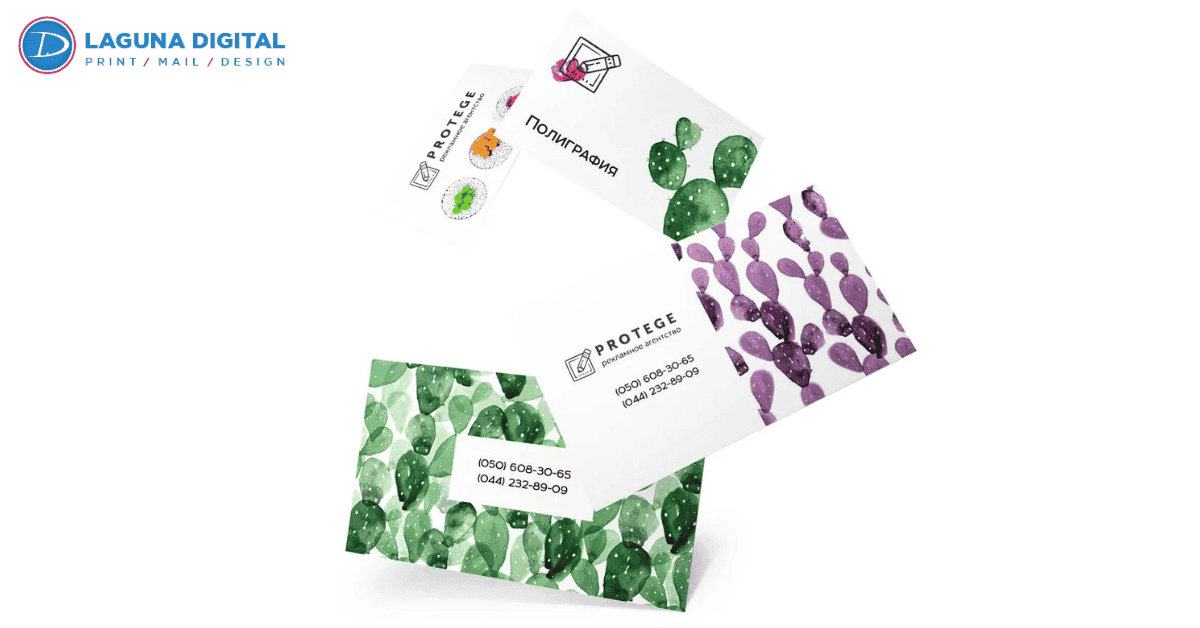
Design plays a massive role in whether a loyalty program succeeds. Many business owners make the mistake of cluttering the card with too much information. In reality, the front of the card should be dedicated entirely to your brand identity, functioning much like premium business cards that remind the customer of who you are and the quality you provide. It needs to be visually striking so that when a customer opens their wallet, your brand colors pop out among the sea of credit cards and receipts.
The back of the card is where the utility happens. This is where we print the grid, circles, or icons that track progress. A clean, legible layout is essential here. We often advise clients to use custom loyalty card tips to elevate your program, ensuring the design encourages the next visit rather than confusing the customer. For example, marking the first stamp as free or pre-filled is a psychological trick that makes the goal feel closer, increasing the likelihood that the customer will return to complete the set.
Choosing the Right Paper Stock and Finishes
The tactile experience of a loyalty card signals the value of the reward. If the card feels flimsy, the customer subconsciously assumes the reward isn’t worth much. We typically recommend a 14pt or 16pt cardstock. This thickness gives the card a snap and rigidity that feels premium. It also ensures the card doesn’t dog-ear easily after weeks of being carried around.
However, the finish is the most critical technical decision. We frequently see a hybrid approach work best: a UV high-gloss coating on the front to make your logo shine and protect it from scratches, and an uncoated back that absorbs ink instantly. This combination is the industry standard for a reason. It balances marketing aesthetics with operational practicality. Understanding the power of loyalty cards is useless if the physical card fails to perform at the checkout counter.
Integrating Loyalty Cards into Your Wider Marketing Strategy
A loyalty card shouldn’t exist in a vacuum; it needs to be part of your broader print marketing ecosystem. For service-based businesses like barbershops or spas, we often see clients combine the functionality of loyalty tracking with appointment cards. This dual-purpose approach saves on printing costs and ensures the client holds onto the card for the next scheduled visit, effectively doubling its retention value.
Furthermore, how you distribute these cards matters. Leaving a stack on the counter is fine, but active promotion is better. Many of our clients use rack cards placed in nearby complementary businesses (like a bakery advertising in a nearby gym) to explain the benefits of their loyalty program. This drives new traffic to your door, where you can then hand them their first loyalty card. It connects the dots between acquisition and retention seamlessly.
The Production Process: From File to Finished Product
When you submit a file for loyalty card printing, it goes through a rigorous pre-press check. We look for bleed this is the artwork extending beyond the cut line to ensure there are no white borders on the edge of your card. We also check the safe zone to ensure your stamping grid isn’t too close to the edge, where it might get chopped off during the trimming process.
After you approve the files, we choose offset printing for high-volume runs—delivering the best price per unit and the highest color fidelity—or digital printing for smaller, faster batches. Offset printing involves creating metal plates and transferring ink to rubber rollers before it hits the paper. It creates a crisp, rich image that digital printing struggles to match perfectly. However, for a small café testing out a new loyalty concept with 250 cards, digital printing is a fast and cost-effective solution that still yields professional results.
Common Mistakes to Avoid
One of the most frequent errors I see is using a dark background image on the stamp side of the card. If you print a dark photo or a black background on the back, a standard blue or black ink stamp won’t show up. You are forced to buy expensive metallic markers or specialized stamps. Always keep the stamp area white or very light pastel to ensure high contrast and visibility for the staff.
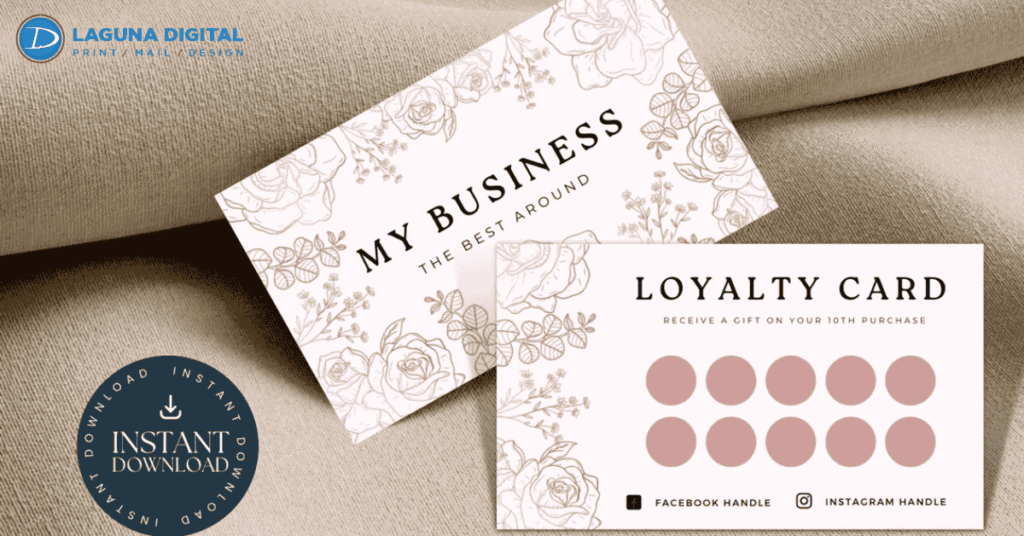
Another mistake is overcomplicating the offer. I have had clients try to print complex legal disclaimers in 4-point font on the back of a 2×3.5 inch card. It is unreadable and off-putting. Keep the terms simple: “Buy 9, Get the 10th Free.” If you need elaborate terms and conditions, put them on your website and add a small QR code to the card. Simplicity always wins in print marketing.
FAQs
Should I use a stamp or a hole punch for my loyalty cards?
This depends heavily on your workflow and the aesthetic you want. Custom rubber stamps allow for branding (like a tiny logo stamp) and generally look more professional. However, ink can smear if the paper is glossy. Hole punches are foolproof and permanent you can’t rub off a holebut they can be messy with the little paper circles (“chad”) left behind. For high-volume environments, stamps are usually faster.
What is the standard size for a loyalty card?
The industry standard is 3.5” x 2”, which is the same size as a standard US business card. We stick to this size because it fits perfectly into wallet slots. Square or folded cards may look unique and eye-catching, but they often frustrate customers when they don’t fit easily into a wallet, increasing the likelihood that customers will lose or discard them.
Can I print loyalty cards on my office printer?
Technically, yes, but I strongly advise against it for a business. Office printers typically use toner that can flake off, and they cannot handle the heavy cardstock required for durability. Furthermore, cutting them yourself often leads to uneven edges. Professional printing is surprisingly affordable and conveys a level of trust and legitimacy that a DIY home-printed card simply cannot match.
Conclusion
Loyalty card printing is more than just a manufacturing process; it is a strategic investment in your customer relationships. By combining the right design, sturdy paper stock, and a clear reward structure, you create a physical token of value that keeps your business top-of-mind. It is a simple, tangible way to say thank you that encourages people to walk through your door again and again.
If you are ready to launch a program that drives repeat sales, or if your current cards just aren’t performing the way you hoped, we are here to help guide you through the process. At Laguna Digital, we understand the nuances of print and marketing, ensuring you get a product that looks great and works hard for your business.