

Every detail plays a crucial role in shaping how your brand is perceived, and professional letterheads are no exception. A thoughtfully designed letterhead is more than just a header on a document it serves as a subtle yet powerful marketing tool that communicates credibility, professionalism, and a strong brand identity. Businesses that invest in well-crafted designs often discover that even their routine communication leaves a lasting impression on clients and partners.
A visually appealing and strategically designed letterhead can instantly elevate your brand image while reinforcing trust with your audience. Whether you are sending proposals, invoices, or official communication, the design of your document reflects your company’s standards and values. This is why choosing the right custom letterhead design is not just a creative decision, but a strategic one that directly impacts how clients perceive your business.
Why Letterheads Still Matter in Modern Business
Despite the rise of digital communication, letterheads continue to hold strong relevance in professional branding. They serve as a formal representation of your business identity and create a sense of authenticity that plain documents simply cannot achieve. When a client receives a document with a polished header, it immediately communicates seriousness and professionalism, helping you stand out in crowded markets.
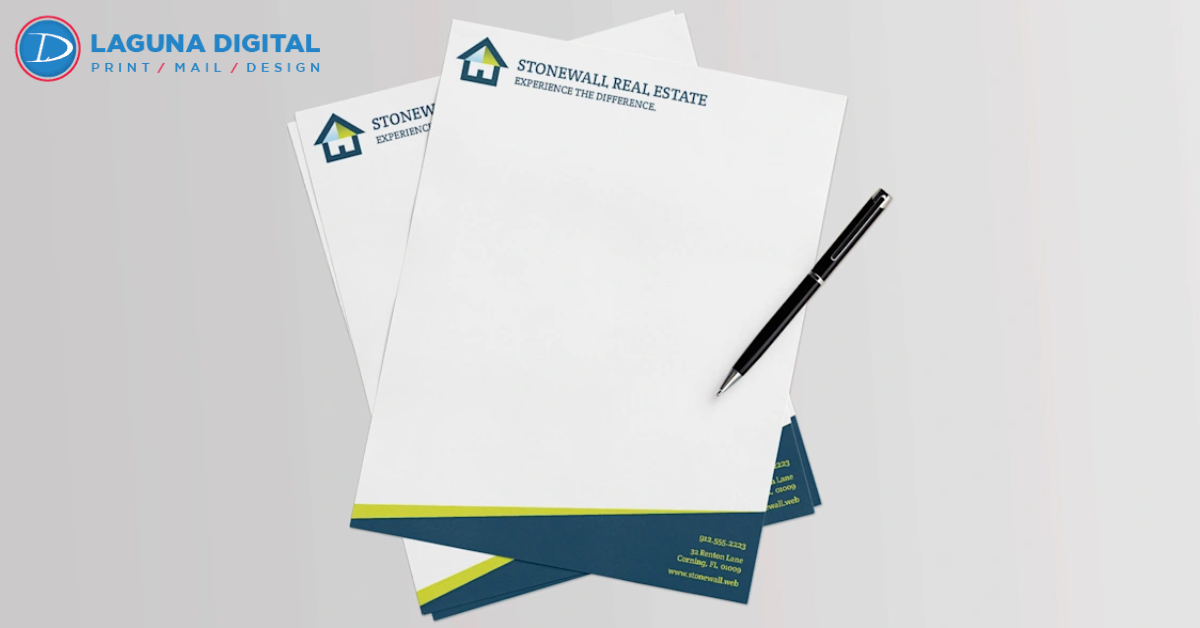
Moreover, letterheads act as silent brand ambassadors, carrying your logo, colors, and contact information in a consistent format. They ensure that every document you send reinforces your identity, making your brand more recognizable over time. Even in digital formats like PDFs, a well-designed letterhead enhances readability and adds a layer of sophistication that strengthens your overall communication strategy.
Elements of a High-Impact Letterhead
Typography That Reflects Authority
Typography plays a crucial role in defining the tone of your letterhead, and choosing the right fonts can make a significant difference in how your message is received. Professional fonts with clean lines convey authority and clarity, while overly decorative styles can distract from the content. The balance between readability and style is essential, ensuring that your document looks refined without compromising on usability.
Strategic Use of White Space
White space is often overlooked, yet it is one of the most important aspects of an effective design. Proper spacing creates a clean layout that enhances readability and prevents the document from appearing cluttered. It also directs attention to key elements like your logo and contact details, allowing the design to breathe and making your letterhead visually appealing without overwhelming the reader.
Minimalist Letterhead Designs That Convert
Clean Layouts for Professional Appeal
Minimalist designs are increasingly popular because they communicate elegance and clarity. A clean layout with limited elements ensures that your message remains the focal point, while still maintaining a polished look. This approach is particularly effective for corporate brands that want to project reliability and sophistication without unnecessary distractions.
Subtle Branding for Lasting Impressions
Subtle branding techniques, such as faint background patterns or light color accents, can make your letterhead memorable without being overpowering. These small details create a refined aesthetic that enhances your brand identity while keeping the overall design balanced. The result is a professional document that leaves a lasting impression on clients.
Creative Letterhead Concepts for Modern Brands
Color Psychology in Design
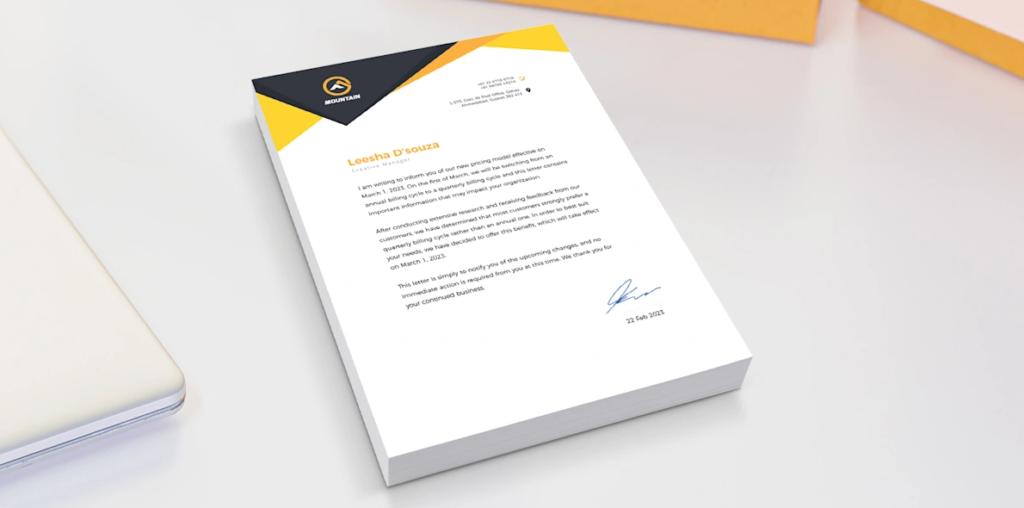
Colors play a powerful role in influencing perception, and selecting the right palette can significantly impact how your brand is viewed. For example, blue conveys trust and reliability, while black represents sophistication and authority. Using colors strategically helps reinforce your brand message and ensures that your letterhead resonates with your target audience.
Unique Layout Structures
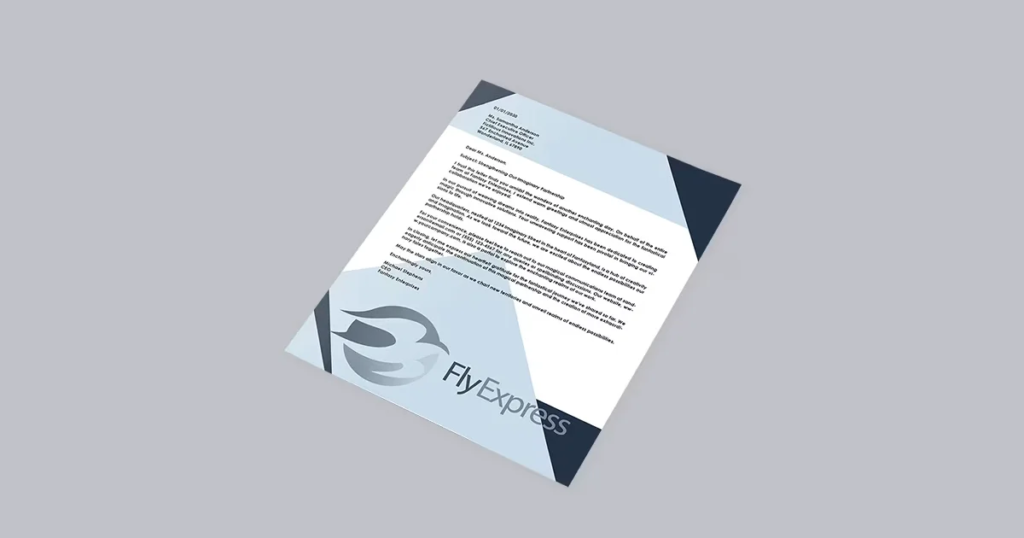
Modern businesses are increasingly experimenting with unconventional layouts to stand out. Asymmetrical designs, vertical headers, and creative placement of elements can make your letterhead visually distinctive. However, it is important to maintain a balance between creativity and professionalism to ensure that the design remains functional and effective.
Industry-Specific Letterhead Ideas
Different industries require different design approaches, and tailoring your letterhead to your field can significantly enhance its effectiveness. For example:
- Corporate firms often prefer clean, minimalist designs with neutral tones
- Creative agencies may opt for bold colors and unique layouts
- Legal and financial sectors typically use formal and structured designs
- Healthcare providers focus on calm, reassuring color schemes
- Startups often experiment with modern and innovative styles
Branding Consistency Across Business Materials
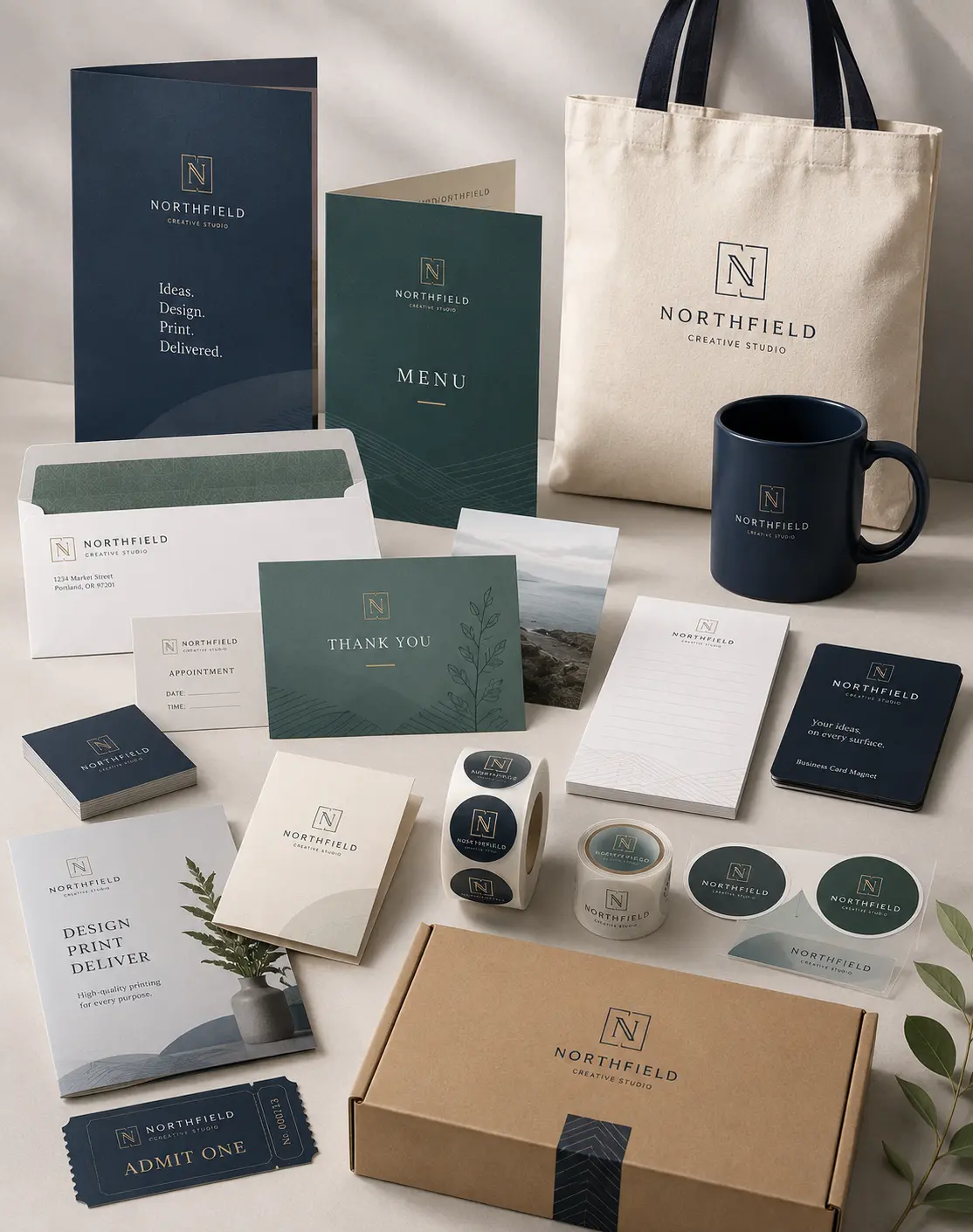
Consistency is key when it comes to building a strong brand identity, and your letterhead should align with your overall branding strategy. This means using the same colors, fonts, and design elements across all your materials, including business cards, brochures, and digital assets. A cohesive visual identity makes your brand more recognizable and reinforces professionalism in every interaction.
When clients see consistent branding across multiple touchpoints, it builds trust and credibility. It shows that your business pays attention to detail and maintains high standards in every aspect of communication. This consistency ultimately strengthens your brand image and helps you stand out in competitive markets.
Digital vs Print Letterheads: What Works Best
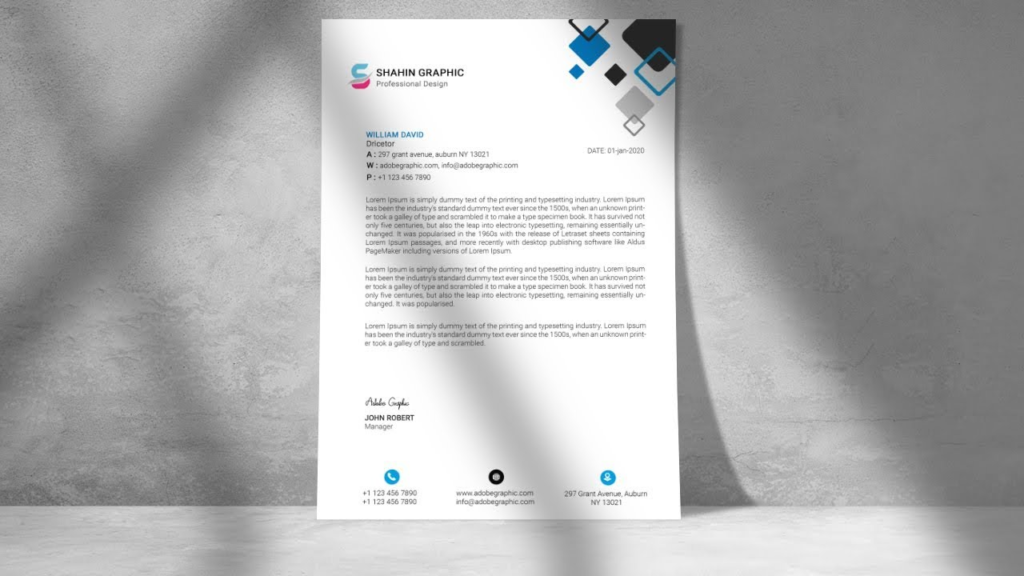
Choosing between digital and print letterheads depends on your business needs and communication style. Digital letterheads are ideal for email communication and online document sharing, offering convenience and cost efficiency. They also allow for easy updates and modifications, making them a practical choice for modern businesses.
On the other hand, printed letterheads provide a tangible experience that can leave a stronger impression on clients. They are particularly effective for formal correspondence, contracts, and presentations where a physical document adds value. Many businesses choose to use both formats to maximize their impact and maintain flexibility in communication.
Common Mistakes to Avoid in Letterhead Design
- Overloading the design with too many elements
- Using low-quality images or logos
- Choosing fonts that are unclear or difficult to read
- Ignoring proper alignment and spacing principles
- Lack of consistency with the brand identity
How Custom Letterheads Influence Client Trust
A professionally designed letterhead can significantly influence how clients perceive your business. It demonstrates attention to detail and a commitment to quality, which are essential factors in building trust. When clients receive documents that look polished and well-structured, they are more likely to view your business as reliable and credible.
Additionally, custom letterheads create a sense of authenticity and professionalism that generic templates cannot achieve. They show that your business invests in its image and values its communication, which can make a strong impression on potential clients. Over time, this consistent presentation helps build long-term relationships and enhances your brand reputation.
FAQs
What is a custom letterhead?
A custom letterhead is a professionally designed document header that represents your business identity. It typically includes your logo, company name, and contact details in a structured format. This design helps create a strong first impression and adds credibility to your communication. It is commonly used for official documents like proposals, invoices, and letters.
Why is a letterhead important for branding?
A letterhead plays a key role in maintaining brand consistency across all business communications. It ensures that every document reflects your visual identity, including colors and typography. This consistency helps build recognition and trust among clients. Over time, it strengthens your professional image in the market.
Can letterheads be used digitally?
Yes, letterheads can be effectively used in digital formats such as PDFs and email attachments. Digital letterheads offer flexibility and are easy to update when needed. They provide the same branding benefits as printed versions while being more cost-efficient. Many businesses use both formats for maximum impact.
What should be included in a letterhead design?
A well-designed letterhead should include essential elements like your logo, business name, and contact information. Some designs also feature a tagline or subtle branding elements. The layout should remain clean and uncluttered to maintain professionalism. Proper spacing and alignment are also important for readability.
How often should I update my letterhead?
You should update your letterhead whenever there are changes in your branding or company details. Keeping the design modern and relevant is essential for maintaining a professional image. Regular updates ensure that your documents reflect current standards. It also helps your brand stay fresh and competitive.
Conclusion
A well-crafted letterhead is more than just a design element it is a strategic tool that enhances your brand’s credibility and leaves a lasting impression on clients. By focusing on clean layouts, consistent branding, and thoughtful design choices, businesses can transform ordinary documents into powerful communication assets. Investing in professional design ensures that every interaction reflects the quality and values of your brand.
For businesses looking to elevate their image and stand out in a competitive market, Laguna Digital offers premium solutions tailored to your needs. Their expertise in creating high-quality custom letterhead designs ensures that your brand communicates professionalism and excellence in every document you share.