Many businesses spend money on printed products without asking the most important question first. Where will this item live after the customer leaves? If the answer is a trash can, a glove box, or the bottom of a drawer, the campaign needs better planning.
Promotional items can help keep your business visible for weeks or months at a time, from fridge magnets and flyers pinned near desks, wallet cards, and cards with personal contact info to flyers kept with paperwork that might prompt someone who needs your services back when it’s most relevant. They all bring awareness back at just the time they need help from you!
This blog covers how to select useful products, avoid wasteful spending habits, and build stronger offers – as well as make each printed piece worthwhile.
Start With The Place The Item Will Be Used
Real Life Use Comes First
A good promotional item belongs somewhere natural. A plumber wants to be remembered near the kitchen or laundry room. A dentist wants the appointment reminder easy to find. A real estate agent wants the follow up card saved after an open house.
When you think this way, the product choice becomes clearer. You are not just picking from a catalog. You are choosing a place in the customer’s routine.
A fridge magnet makes sense for home services. A folder makes sense for tax records or legal papers. A desk pad makes sense for office clients. Business promotional cards make sense when a customer needs something small enough to save, hand to a friend, or bring back later.
The Handout Needs A Job
Every piece should have one job. It might bring a customer back. It might explain a seasonal offer. It might help someone remember a phone number. It might make a referral easier.
A printed product with no job becomes cluttered. A printed product with a clear job becomes a quiet sales tool.
Choose Useful Products Before Creative Products
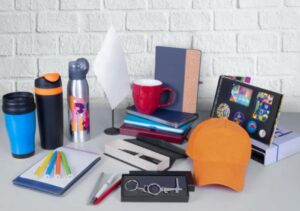
Useful promotional items usually beat clever ones. That does not mean the design should be boring. It means the product must earn its place in the customer’s life.
People keep things that solve small problems.
- They keep a magnet because it is easy to find.
- They keep a notepad because they can write on it.
- They keep a folder because it protects paperwork.
- They keep a tote because it is useful again.
- They keep a card because the offer feels worth saving.
Quality Is Part Of The Message
A cheap looking piece can make a good business look careless. Customers may not know the name of the paper stock, coating, or finishing method, but they can feel the difference.
Thin stock bends too easily. Dull color makes the brand look tired. Tiny contact details make people work too hard. Rough trimming makes the piece feel rushed.
Better material does not always mean expensive. It means choosing the right stock, coating, size, and finish for the purpose. Promotional items should feel like they came from a business that pays attention.
Build The Offer Before You Build The Design
A logo alone does not sell. A nice design alone does not sell either. The offer gives the printed piece a reason to exist.
Before designing anything, decide what the customer gets.
It could be a first visit discount, a free estimate, a referral reward, a loyalty bonus, an event special, a package price, or a reminder to book before a busy season.
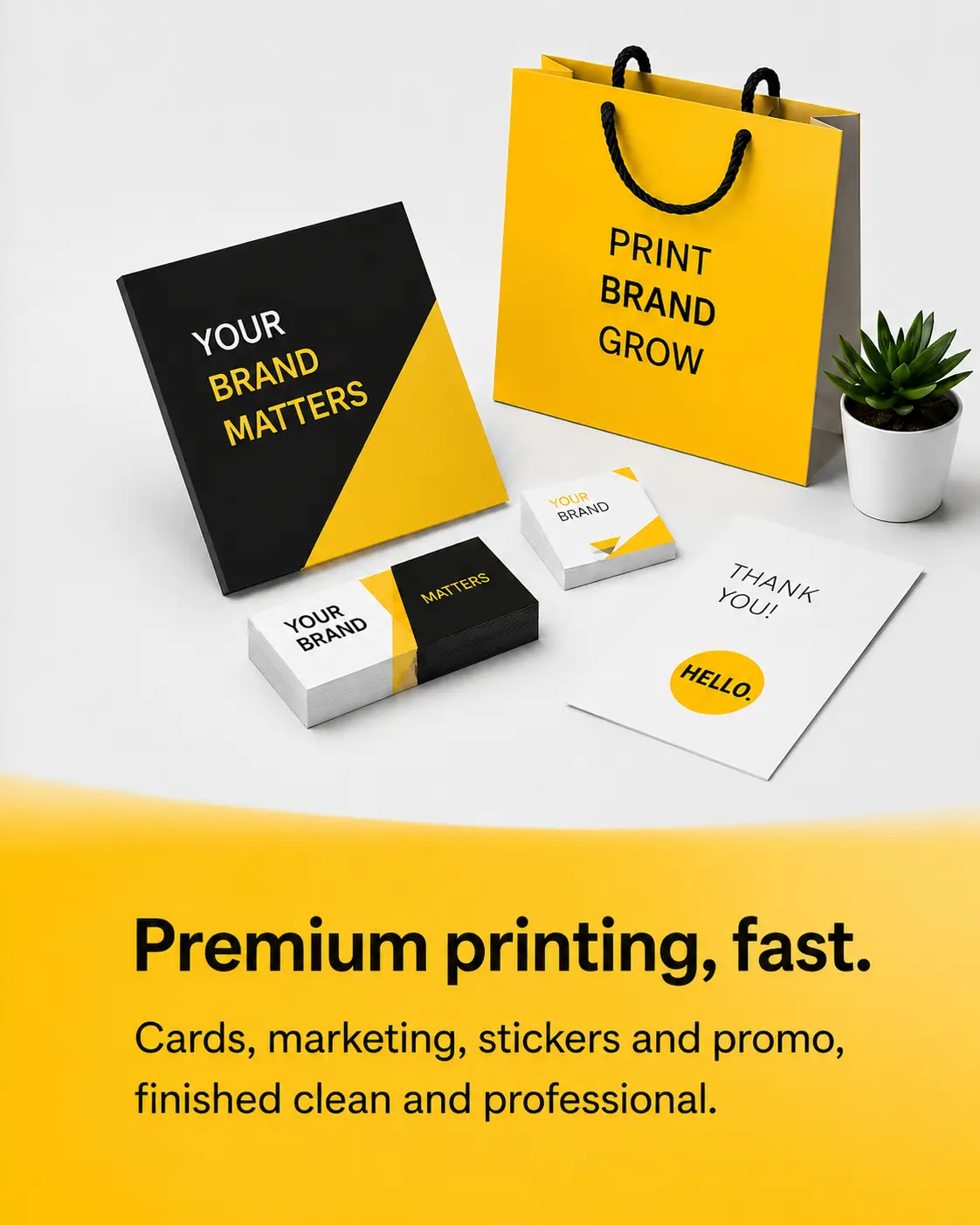
Business flyers work well when the offer needs more space. For example, a cleaning company can show package options. A print shop can show product choices. A restaurant can show catering details. A clinic can explain a seasonal service.
Keep The Next Step Simple
The customer should not have to search for what to do next. One strong call to action is better than five weak ones.
If the phone number is too small, the QR code is too close to the edge, or the offer is buried under too much text, the campaign loses strength.
Pick The Product That Fits The Buyer
Different customers keep different things. That is why one giveaway will not fit every business.
A law office may need polished folders and clean appointment cards. A restaurant may need menu inserts and loyalty cards. A school may need event flyers, magnets, and sponsor pieces. A home repair company may need durable cards that stay visible near the house.
Corporate promotional items should promote peace, utility, and professionalism in an atmosphere of calmness, use, and professionalism. Journals, folders, calendars, desk pads, welcome packets, and premium cards are useful items that help create such an ambiance in consulting firms, agencies, insurance firms, medical offices, or finance teams.
Golf promotional items make an effective giveaway at tournaments, sponsor tables, charity events, real estate networking sessions, and client appreciation days. Items such as towels, scorecards, tees, ball markers, sponsor cards, and gift inserts make these events memorable by being used throughout them all!
Tech promotional items make great office team giveaways for office teams, students, conferences, remote workers, and frequent travelers. Screen cleaners, phone stands, cable wraps, webcam covers, and charger pouches may work when their quality and branding are both reliable enough.
Compare Options Without Getting Distracted By Trends
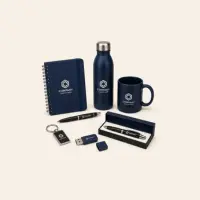
Some products look attractive online but do not fit the customer. A popular item is not always the right item. If the answer is no, the product may only create short attention, not a real response. A business does not need the most unusual option. It needs the most useful option for that customer.
Make Print Carry The Message
Print gives the customer details they can keep. It also makes the campaign easier to understand. Without the printed message, many giveaways become just another branded object. The giveaway may attract attention, but the printed piece often does the selling.
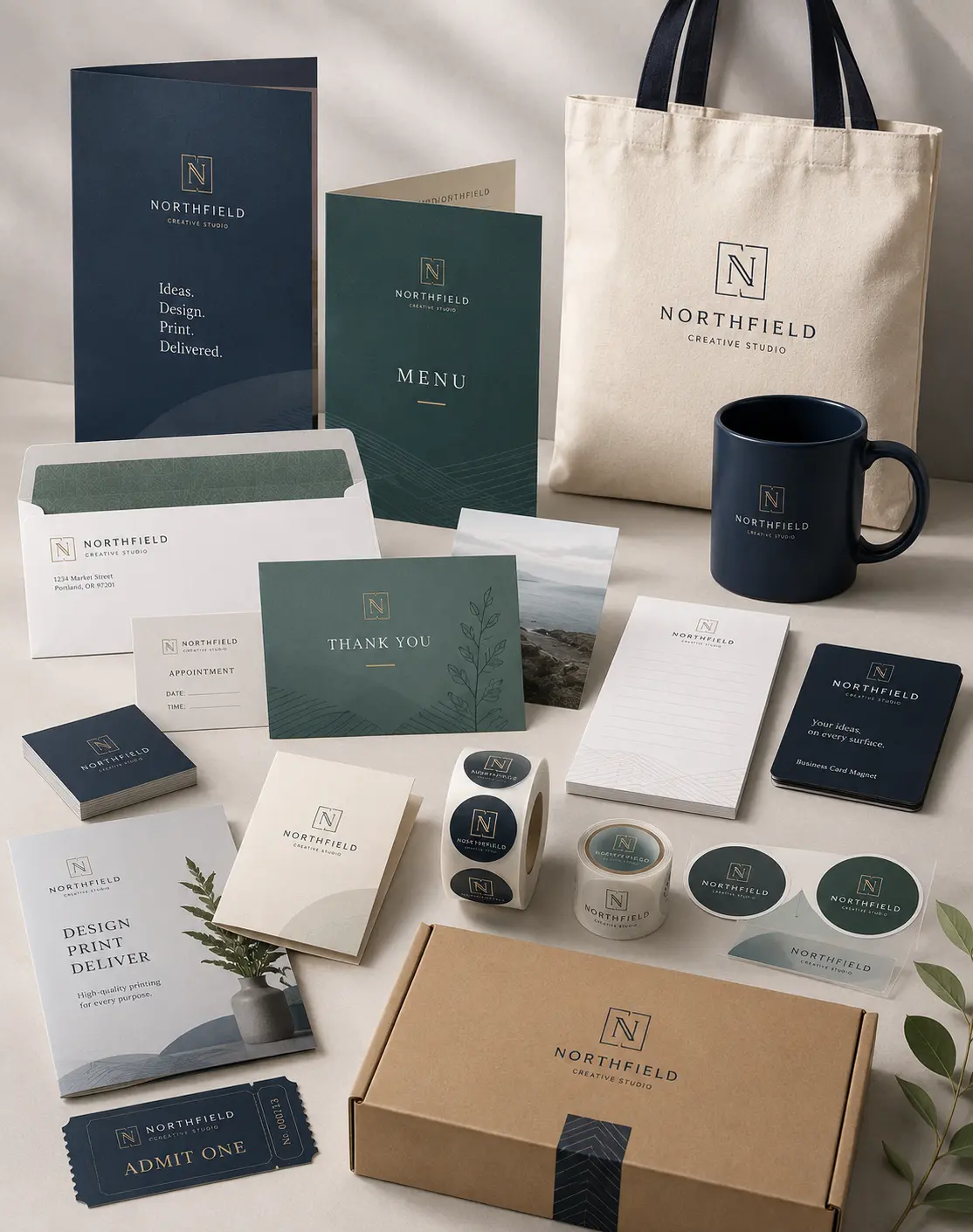
- A tote can carry a coupon card.
- A sample kit can include a service flyer.
- A welcome folder can hold pricing sheets.
- A counter display can offer business promotional cards.
- A local event bag can include business flyers with a limited offer.
Keep The Brand Look Consistent
The colors, paper, logo size, font style, and finish should feel connected. A campaign looks stronger when each item feels like it belongs to the same brand.
This does not mean everything must look identical. It means the customer should recognize the business quickly from one piece to the next.
Use Creative Ideas Only When They Make Sense
Unusual promotional items can work, but only when the idea fits the business. Therefore, ideas should feel useful first. If the customer only thinks, “That is different,” but has no reason to keep it, the product has not done enough.
- A pet clinic can use care reminder magnets.
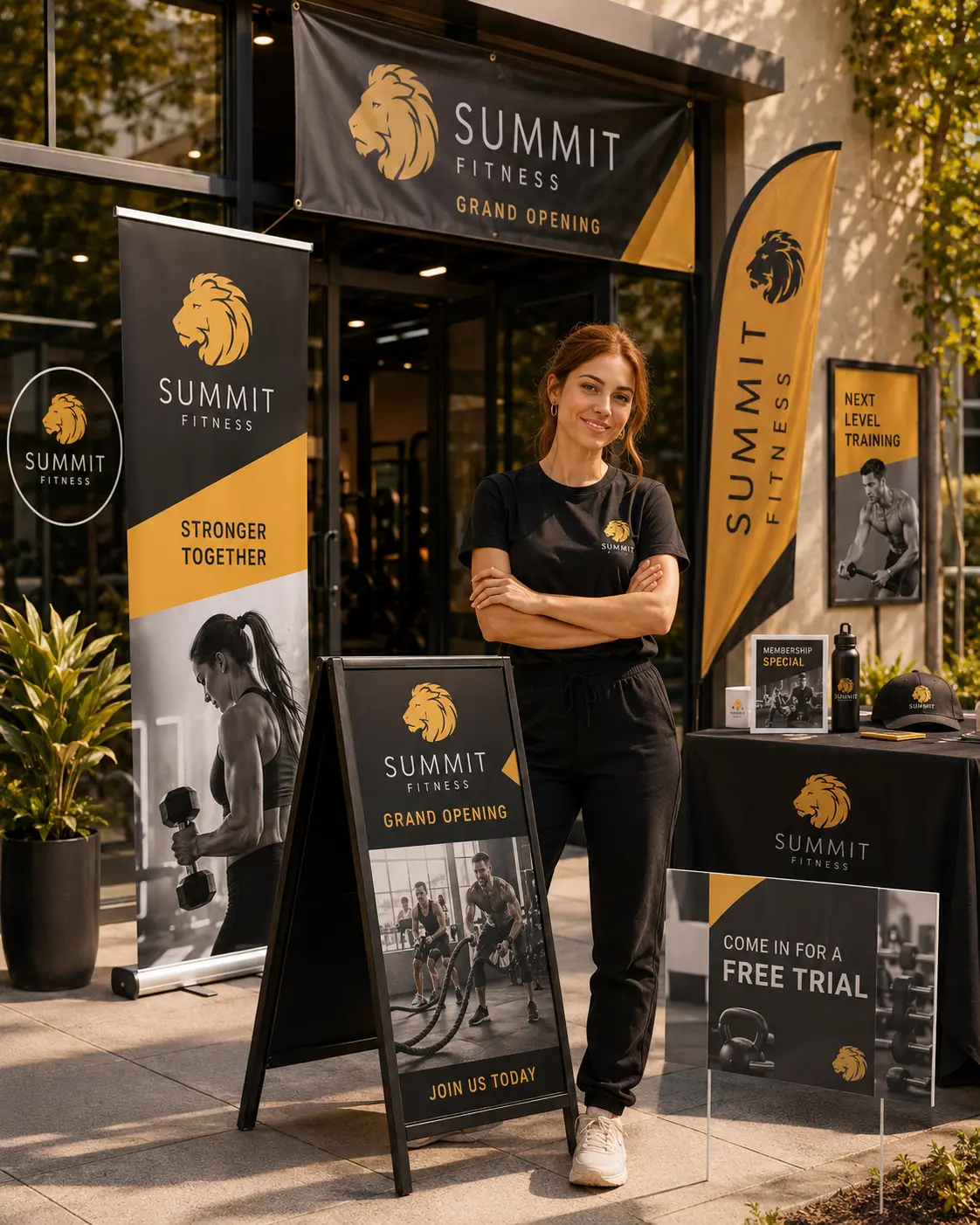
- A gym can use towel tags.
- A coffee shop can use loyalty sleeve cards.
- A roofing company can use storm season check cards.
- A dentist can use appointment cards with a simple family reminder.
Small Finishes Can Change The Feeling
Finishing details matter more than many businesses think. Rounded corners can make cards feel more polished. Thicker stock can make a coupon feel less disposable. Soft touch coating can improve the feel of a premium piece. Spot gloss can draw attention to a logo or offer.
These small choices help promotional items feel less like throwaway marketing and more like something worth saving.
Check The File Before It Goes To Print
A strong campaign can still fail because of a small production mistake.
Double-check spelling, phone, website, QR code, logo visibility, contrast of colours, offer date, area where it will be cut, way it folds, quantity when done, all before we approve the job. It’s not rocket science, but it keeps money safe.
Corporate promotional items need extra care because the audience often judges the company by the quality of the piece. Tech promotional items also need quality checks because a weak product can hurt trust faster than a weak flyer.
If the item feels poorly made, customers may quietly connect that feeling to the business.
Track What Happens After The Handout
Do not wait until the order is gone to wonder if it worked. Put tracking into the campaign before printing.
A unique QR code, offer name, landing page, call tracking number, or promo code that only exists on the material. Track how your promotional pieces generated phone calls, web visits, quote requests, bookings, reorders, or higher-quality conversations.
Tracking does not need to be complicated. Even a simple code like “Bring this card for the July offer” can tell you whether customers are responding.
Reorder Based On Results
Do not reorder only because the box is empty. Reorder because the piece worked.
If people kept the magnet and called later, make it stronger next time. If they liked the flyer but did not respond, fix the offer. If the event gift got attention but no leads, add a better follow up card.
Custom promotional items should improve with each order. That is how a business turns printing into a smarter sales habit.
Frequently Asked Questions
What Makes A Giveaway Worth Keeping?
A giveaway makes sense when it’s useful, simple, and related to a genuine need. Things that assist with reminders, appointments, referrals, office work, home services, or repurchase will tend to do far better than items that are selected because they’re cheap.
How Should A Business Choose The Right Product?
Start with the customer’s routine. Think about where they work, shop, drive, relax, or make decisions. Then choose a product that belongs in that setting and supports one clear action.
Are Printed Pieces Still Important?
Yes. Printed cards, flyers, folders, inserts, and magnets still matter because customers can hold them, save them, and share them. Print also makes the offer easier to remember when the message is simple, and the design has enough space.
When Should A Company Use Premium Gifts?
Premium gifts make sense for high value clients, partner outreach, employee recognition, trade show follow up, and relationship based selling. When the relationship value is higher, presentation and material quality matter more.
What Should Be Checked Before Printing?
Check the offer, spelling, phone number, QR code, website, logo size, color contrast, stock choice, finishing, quantity, and delivery date. Also ask whether the item is useful enough for the customer to keep after the first handout.
Conclusion
Promo items succeed when they feel useful, look professional, and guide customers towards an obvious next step. The strongest promotional pieces don’t necessarily need to be the loudest or latest pieces. Rather, those that fit seamlessly with customers’ lives and remain visible when the buying moment arrives are usually more successful.
Laguna Digital helps businesses turn simple ideas into practical printed pieces that customers can keep, use, and remember. From product planning and artwork checks to clean printed materials,
Contact us today, we can help your promotional items feel polished, useful, and ready to support real customer response.