

Creating original artwork can take weeks or months. Once you sell the artwork you have made, you will receive payment for it, but rarely will you be able to continue earning from this piece. A
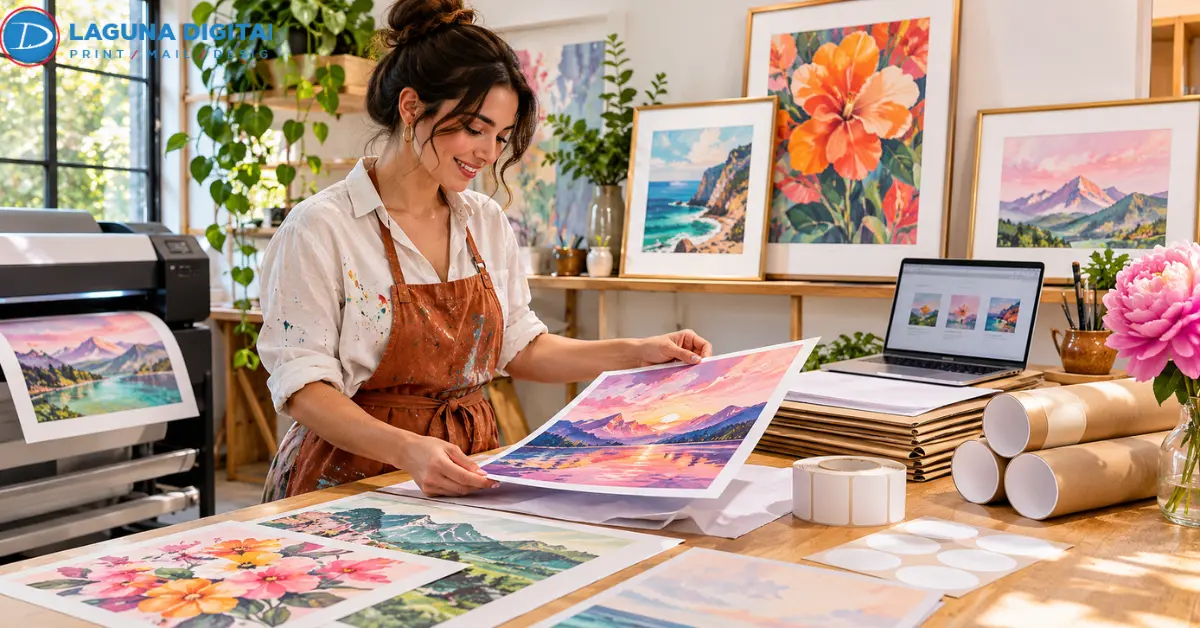
A print business can give self employed artists such as painters, photographers, illustrators or digital artists the chance to sell to a variety of budgets. When creating a collection of prints, you can create products from chosen pieces within your existing artwork.
There are plenty of things to bear in mind when you want to sell reproductions. Ensure you have high quality digital artwork. Choose the correct materials and ensure you have reliable production. Ensure you set prices to cover your costs. Decide which pieces you want to reproduce.
Start with a small collection of artwork. Ensure you set up products and see how they turn out. Expand your collection based on what your customers want. If you have set everything up correctly, your print business can be a great addition to your existing artwork.
Prepare Original Artwork for Professional Reproduction
Select Artwork With Selling Potential
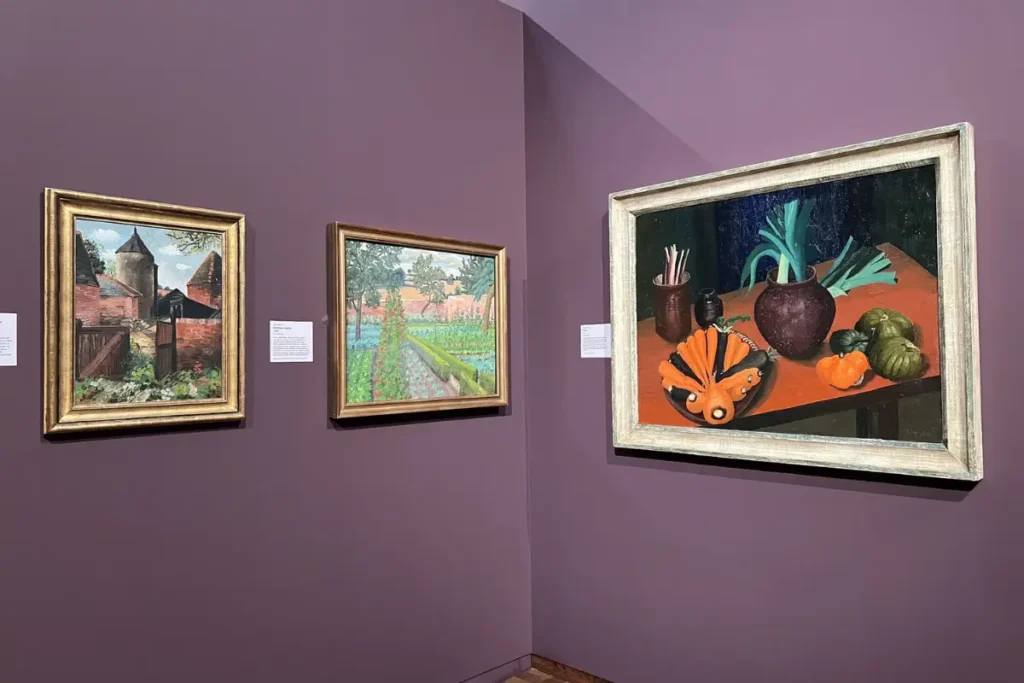
Start with 3-5 finished pieces. Try to choose artwork that has already performed well. For example, artwork that has caught people’s eye in exhibitions, art fairs or online. It may be easier to create a collection if they have strong compositions, recognisable subjects and consistent visual styles.
Create Accurate Digital Files
The quality of your fine art print will depend largely on your digital artwork. If your artwork is flat, then you can scan it. If it is large or textured, you may need specialist equipment. Don’t use photos from your phone, as reflections, shadows, and distortions can occur.
If you are using traditional media, then it is worth looking into professional fine art scanners to ensure your collection is captured correctly.
Check Resolution and Image Dimensions
Ensure that your digital image has enough detail to be printed to the size you want. You can start with 300dpi for many detailed projects. For larger artwork, you may need to change the settings. Always check with your printer about what they require. Don’t upscale a low-quality image, as you won’t get any extra detail. Ensure the original capture has enough detail for the largest product you want.
Maintain Accurate Color and Detail
The colours on your screen may not translate exactly onto paper. This can depend on your monitor settings, lighting, paper and ink. If colour accuracy is important, then ask for hard copy proofs. This is especially important for paintings with subtle tones.
Keep a Master Copy of Every Artwork
Before creating your individual products, save your master file. This should be a clean version. Save individual production files with their sizing, colour profiles, and outputs. This will make it easier for you to create your prints. This will also help you keep your prints consistent if a customer wants to re-order.
Choose Printing Methods and Materials Carefully
Compare Available Printing Methods
Depending on your artwork, you may want to use a different printing method. Giclée printing is often used for high quality prints. This can use pigment-based inks and the correct fine art paper. However, the overall quality will depend on the full printing process.
Look at what equipment is available. What paper, inks and proofs are available?
Select Paper According to the Artwork
Smooth matte paper can be great for detailed illustrations and photography. Textured cotton paper can complement watercolour and traditional paintings. If you are looking to professionally print your artwork, then look at comparing different paper types.
Ensure that the paper will complement your original artwork. Look at the texture, white point, weight and how the fine details look.
Consider Canvas and Display Options
Some customers may like to have their paper prints framed. Some may want them to be ready to display. Canvas prints can be a great option for chosen pieces.
Before adding different sizes, ensure you try the artwork on the material. Some designs may need adjusting to look good on canvas.
Understand Archival Materials
If you are looking to create affordable décor, then standard materials will be fine. If you are looking to create high quality prints, then look into archival art printing.
Ask about the paper, inks, handling and storage. Choosing acid-free papers and the correct pigment inks can be a great choice. Don’t refer to anything as permanent without looking at the full process and display.
Work With an Experienced Printing Provider
A fine art printing company should be able to tell you about their equipment, materials, proofs and finishing. Ask for samples. Ask how they will handle repeat orders.
Look at what art reproduction services they offer. A reliable art printing service should give you clear guidance on how to prepare your files. They should also be able to give you realistic estimates.
Price Products and Establish a Sustainable Sales Process
Calculate Every Production Expense
Printing isn’t the only cost involved. There will be scanning, editing, proofing, packaging, postage, payment processing and marketplace fees involved.
If you sell your reproduction for $75, you shouldn’t just take away the printing price. There will be other costs such as packaging, payment fees, postage and time spent creating your orders.
Ensure that you set a price for your prints to cover your costs and give you a reasonable profit.
Set Prices for Different Sizes and Finishes
Don’t assume that a small paper print and a large high quality canvas will have the same margin. Calculate the cost of each product.
Look at similar products within your market. Don’t copy prices without knowing what the costs are. Ensure you clearly state what materials you have used and the sizes.
Choose the Right Selling Channels
Artists can sell through personal websites, galleries, exhibitions, local markets, and online marketplaces. Fine art printing online gives customers access to products beyond their immediate area.
A personal website also provides greater control over pricing, product descriptions, and customer communication. Artists can organize collections by subject, medium, size, and edition type to make browsing easier.
Consider Print on Demand
Print on demand allows an item to be produced after a customer places an order. This can reduce the need to purchase large quantities of finished stock, particularly when testing new designs.
However, production charges, shipping, packaging, and quality control still affect profitability. Artists exploring print-on-demand for artists platforms should order samples before selecting a provider. Check the finished product, packaging, delivery experience, and actual profit per sale.
Protect Copyright and Document Editions
Ensure that you have the rights to reproduce your artwork. If you are working with galleries, publishers or other parties, then ensure you have written agreements.
If you are creating limited editions, ensure that you have accurate numbering, edition sizes and records. The College Art Association recommends having written agreements regarding copyright, production and distribution.
Market Your Collection and Build Customer Confidence
Photograph Actual Printed Products
Ensure your customers know what they are buying. Take photos of your finished products. Try to include close-ups showing the texture of the paper, detail and framing.
Take photos of your products in a room to show the sizing. Always include the sizes. Don’t rely on digital proofs.
Write Useful Product Descriptions
Describe what the artwork is, the sizes available, material, finish and how it has been produced. Clearly state if it comes framed.
Having useful product descriptions will make it easier to sell your art reproductions. It will also help to avoid confusion.
Develop a Consistent Marketing Schedule
Creating a promotion schedule for your art prints will help if you link it to your releases. Share new collections, exhibition photos, samples and how customers are displaying them.
Sending out emails can help keep your previous customers up to date with new artwork. Add a short description explaining what new collection you have. Add photos of your products, sizes available, and a link to the relevant product page.
Offer Products That Suit Each Design
Some artwork may look good as a small paper print but won’t look as good on another material. Ensure you choose the right products for your original artwork. Consider the composition, display and what your customers want.
Ensure your wall art prints have clear sizing. Take photos showing how they will look. Ensure customers can tell if they come framed or not.
Review Sales Before Expanding
Ensure you know what artwork, size, material and where they are being sold. If you are getting good sales from a certain design, consider trying a different size or finish.
Ensure you are expanding your artist print business based on what your customers are actually wanting. Look at what you are getting back, customer comments and repeat sales to see what products are worth investing in.
Frequently Asked Questions
What will I be charged to start my art print business?
This will depend on many factors such as the artwork, scanning, print processes and products you want to produce. Creating a small range of professionally designed files and approved samples will help keep your costs down.
Which print process is best for high quality fine art prints?
This depends on the artwork and products you want to create. Giclée is often used for high quality reproductions. Other digital processes may be best if you want to create a more affordable product.
Can I offer print reproductions without having a printer?
Yes! You can work with professional companies who will take care of scanning your artwork, creating your files, printing and finishing. Additionally, can look at various art printing companies to see which best suits you. You can choose to outsource individual print orders or bulk orders.
Is a limited edition more valuable?
Limited editions are produced in set quantities and may therefore appeal to some collectors. However, this does not mean they will be more valuable. It will depend on the artwork, artist, quality and authenticity of the print. As well as how popular it is.
How can I ensure my reproductions are of a high quality?
Ensure that you have an approved master file, detailed print specs, correct materials and physical samples. By working with the same reliable company, you can easily order more.
Conclusion
Creating a product range from your original artwork will require you to have accurate digital files, correct materials, reliable production and pricing that reflects the real cost of your order.
Starting with a small range of proven designs will make your print business easier to manage. Choosing the correct production partner will also make a big difference. Ensure your artwork is accurately scanned, colours remain consistent and you have the right materials.
Are you ready to create your first collection? Ensure you know the original size of your artwork, desired print size and material requirements. Ask for a print quote. We can talk through your project and the options available. This is the first step to getting your artwork in front of more customers.