



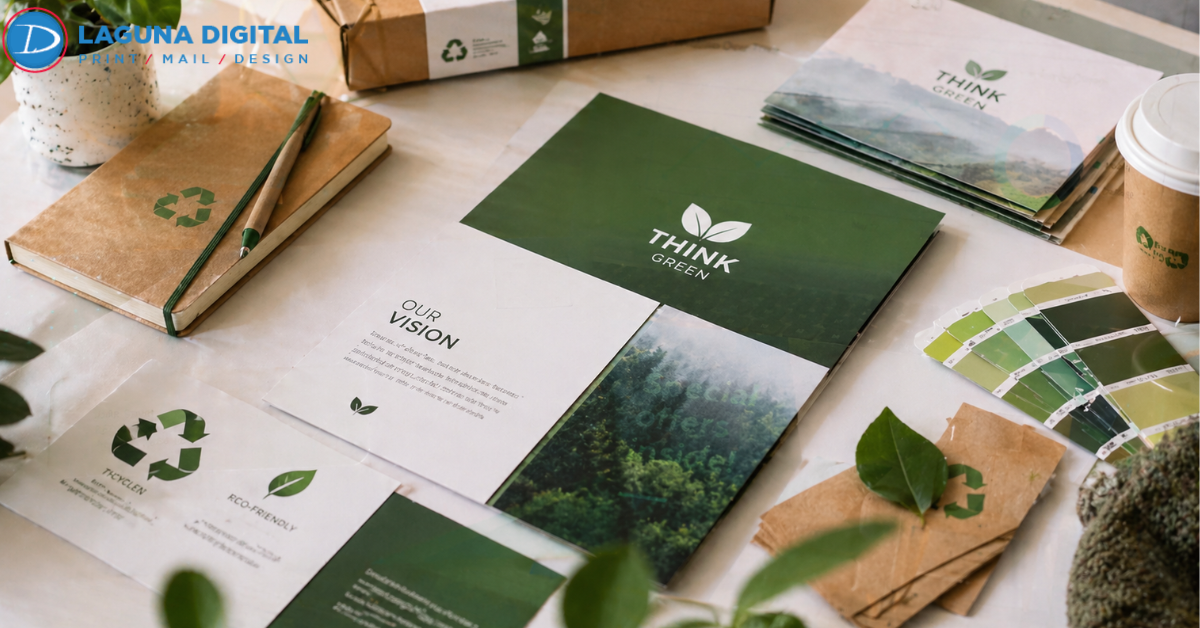
The advertising sector is evolving in unpredictable ways, shifting toward more sustainable, green, and responsible practices. Once considered a highly wasteful industry, printing has become far more efficient and eco-friendly through innovation in today’s competitive landscape.
Companies are now paying closer attention to sustainability and the long-term impact of their marketing efforts rather than just focusing on immediate results. Many firms are exploring sustainable printing trends to stay ahead of the curve.
Businesses are actively seeking solutions that limit waste, even while maintaining aesthetically appealing designs. This shift is influencing how companies choose materials, suppliers, and their design and manufacturing strategies.
As a result, marketers are incorporating sustainable practices into their advertising strategies as a core element of modern marketing philosophy.
Rise of Environmentally Conscious Brands
Growing Brand Awareness: More companies are becoming aware of their environmental impact and are improving how they approach printing processes. This shift is influencing decision-making at every level, from sourcing materials to final production, as businesses aim to reduce their ecological footprint while maintaining quality output.
Moving Away Waste: Traditionally, printing generated large amounts of waste through inefficient production methods. Today, businesses are adopting modern techniques that prioritize reducing material usage while still delivering high-quality printed products, helping them operate more responsibly.
Increasing Customer Demand: Modern consumers prefer brands that demonstrate genuine environmental responsibility. This growing expectation is pushing companies to adopt digital printing solutions more rapidly in order to meet customer demands and maintain a competitive position in the market.
Advancements in Eco Printing Technologies
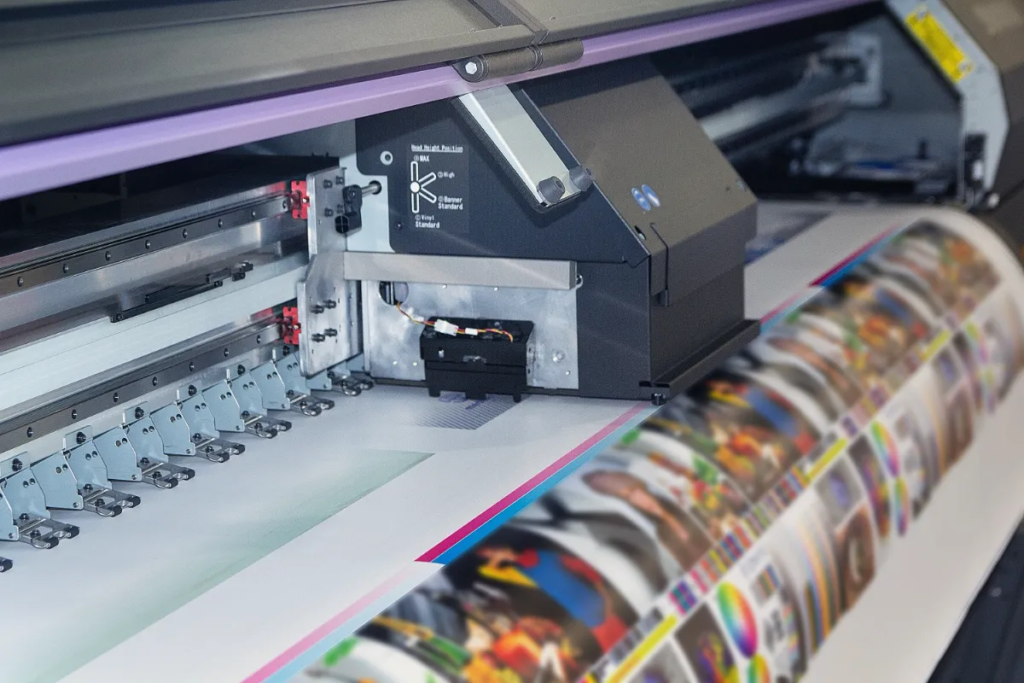
Cleaner Production Technology
Modern printing facilities are adopting advanced, eco-friendly machinery designed to minimize environmental impact. These technologies not only reduce emissions and waste but also improve operational efficiency, allowing companies to achieve sustainable goals without compromising productivity.
Using Recycled Materials
Businesses are increasingly using recycled and biodegradable materials in their printing processes. This reduces landfill waste and supports circular production systems, aligning perfectly with global sustainable printing trends and environmental standards.
Safe Ink Solutions
New ink technologies are being developed that are safer for both humans and the environment. These water-based and non-toxic inks replace traditional chemical-heavy options, reducing harmful emissions and making printing processes more sustainable overall.
Smart Production Planning
Automation and smarter production planning help minimize errors, reduce overproduction, and prevent unnecessary material waste. These improvements allow printing companies to operate more efficiently while maintaining high standards of quality.
Consumer Expectations Shaping Brand Strategies
Changing Buyer Mindset
Consumers today are more conscious of environmental issues and prefer brands that reflect their values. This shift in mindset is encouraging businesses to adopt sustainable practices in order to build stronger connections with their audience.
Building Customer Trust
Brands that prioritize sustainability often gain greater trust and loyalty from their customers. By demonstrating responsibility and transparency, companies can create long-term relationships that go beyond simple transactions.
Value Driven Marketing
Businesses are aligning their marketing messages with sustainability values to meet customer expectations. This approach helps brands communicate more effectively and position themselves as responsible and forward-thinking organizations.
Competitive Market Advantage
Companies adopting green technologies gain a significant advantage over competitors. By implementing sustainable practices, they can strengthen their brand image, attract eco-conscious consumers, and stand out in crowded markets.
Sustainable Packaging in Printing Industry
Rise Sustainable Packaging
Sustainable packaging has become a key focus area within the printing industry. Businesses are moving toward eco-friendly packaging solutions that reduce environmental impact while still maintaining product appeal and functionality.
Efficient Design Approach
Designers are now focusing on creating packaging that uses minimal materials without sacrificing visual appeal. This approach helps reduce waste while ensuring that the final product remains attractive and effective in the market.
Cost Efficient Production
Sustainable packaging not only benefits the environment but also reduces manufacturing and shipping costs. Lighter materials and optimized designs contribute to overall operational efficiency and savings.
Technology Transforming Printing Industry Future
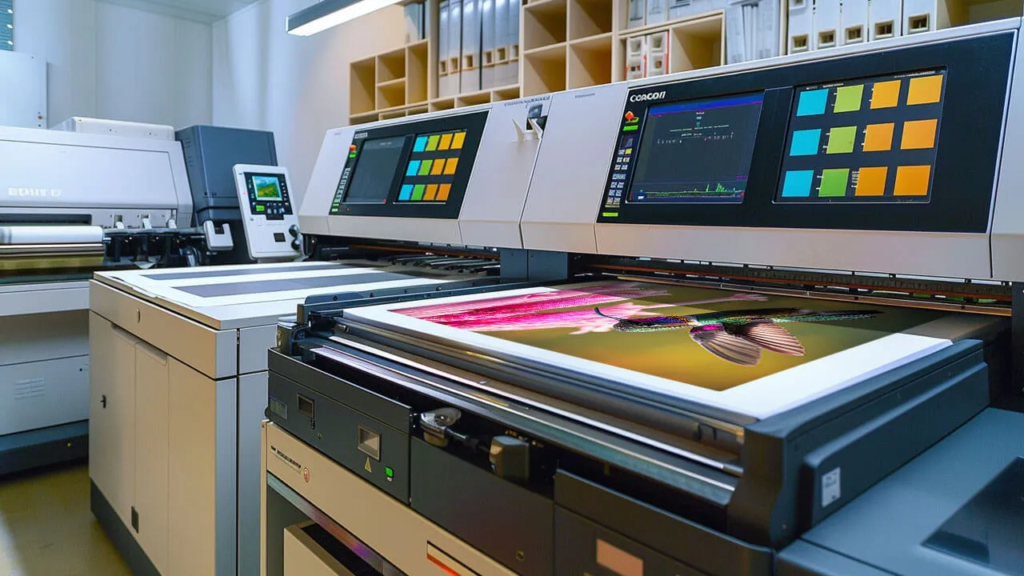
Automation in Printing: Automation is transforming the printing industry by reducing human error and increasing production efficiency. Automated systems streamline operations and ensure consistent quality across large-scale production processes.
AI Based Optimization: Artificial intelligence is being used to optimize layouts, color usage, and production processes. This leads to better resource management, improved design accuracy, and reduced waste in printing operations.
Real Time Monitoring: Modern printing systems now include real-time monitoring tools that track performance and identify inefficiencies. This allows companies to make quick adjustments and continuously improve their processes.
Digital Workflow Integration: Printing systems are increasingly integrated with digital marketing platforms. This integration ensures smoother workflows, better data management, and improved coordination between production and marketing efforts.
Frequently Asked Questions
What is sustainable printing for advertising?
Sustainable printing refers to reducing or eliminating environmental impact by using eco-friendly materials and environmentally responsible production methods in printed advertising.
Why is sustainable printing important for organizations?
It helps reduce waste, improve brand image, and meet the growing expectations of environmentally conscious consumers.
How does traditional printing impact the environment?
Traditional printing often generates excessive waste and uses harmful materials, contributing to pollution and resource depletion.
Can small businesses adopt sustainable printing?
Yes, many affordable eco-friendly printing options are available for small and mid-sized businesses.
Is sustainable printing more expensive?
While initial costs may vary, sustainable printing often reduces long-term expenses through efficiency and resource savings.
To Sum Up
The future of printing is centered on responsibility, efficiency, and innovation. As global businesses adopt these principles, sustainability is becoming essential rather than optional. This shift will redefine how companies market their products and interact with consumers in today’s evolving landscape.
Organizations like Laguna Digital are supporting businesses as they transition toward smarter and more sustainable printing solutions, helping them meet the demands of the future.