Anti Scratch Lamination Trends Transforming Business Cards and Menus in 2026
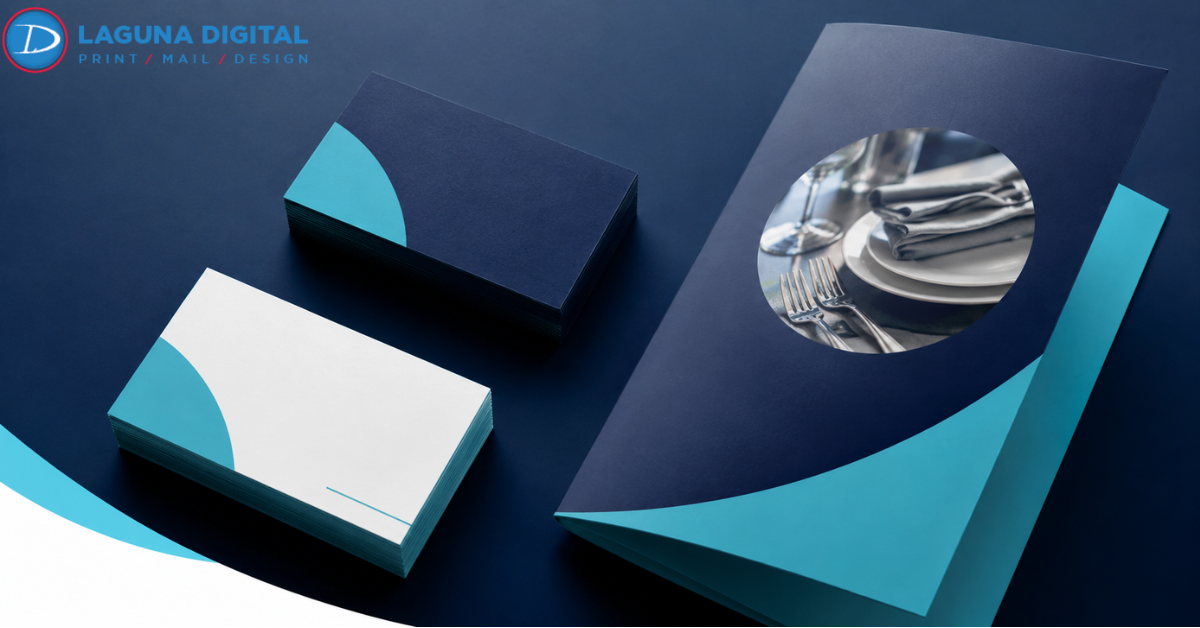
A printed piece can feel ordinary or memorable before anyone reads a single word. That first touch matters in restaurants, retail counters, networking events, and client meetings. A card with a smooth finish or a menu with a clean surface tells people that the brand pays attention to details. This is why anti scratch lamination has become more than a protective upgrade. It is now part of how businesses shape trust, value, and visual appeal.
For USA brands that handle frequent customer contact, durability is not optional. Business cards move through wallets, trays, desks, and trade show bags. Menus face hands, spills, cleaning, and daily stacking. The right finish helps printed pieces stay fresh longer while keeping colors rich and surfaces refined.
Premium Feel That Customers Notice
First Touch Impression
People often judge printed material by texture before they study the design. Smooth laminated surfaces feel intentional, clean, and valuable. For restaurants and service brands, this first impression can support the same standard they want customers to expect from the full experience.
Refine Business Identity
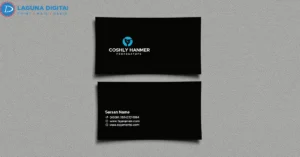
Luxury business cards work best when the paper, coating, and design feel connected. A thick stock with a smooth protective layer gives the card weight and confidence. It makes a simple logo or name layout feel more polished without making the design look loud.
Better Handling in Busy Settings
Cards and menus are touched again and again, so the surface has to hold up. Lamination reduces visible handling marks and helps printed pieces look presentable during events, meetings, and daily service. That consistency supports a cleaner brand image.
Softer Modern Surface
Soft touch lamination gives printed material a calm, smooth feel that many customers associate with quality. It works especially well for minimal designs, dark colors, and elegant typography because the finish adds depth without taking attention away from the message.
Stronger Presentation
Laminated business cards help professionals present contact details with more confidence. The extra layer protects the surface and gives the card a finished look. For consultants, salons, real estate agents, and local retailers, that small upgrade can make the exchange feel more serious.
Protection That Extends Print Life
Scratch Control For Daily
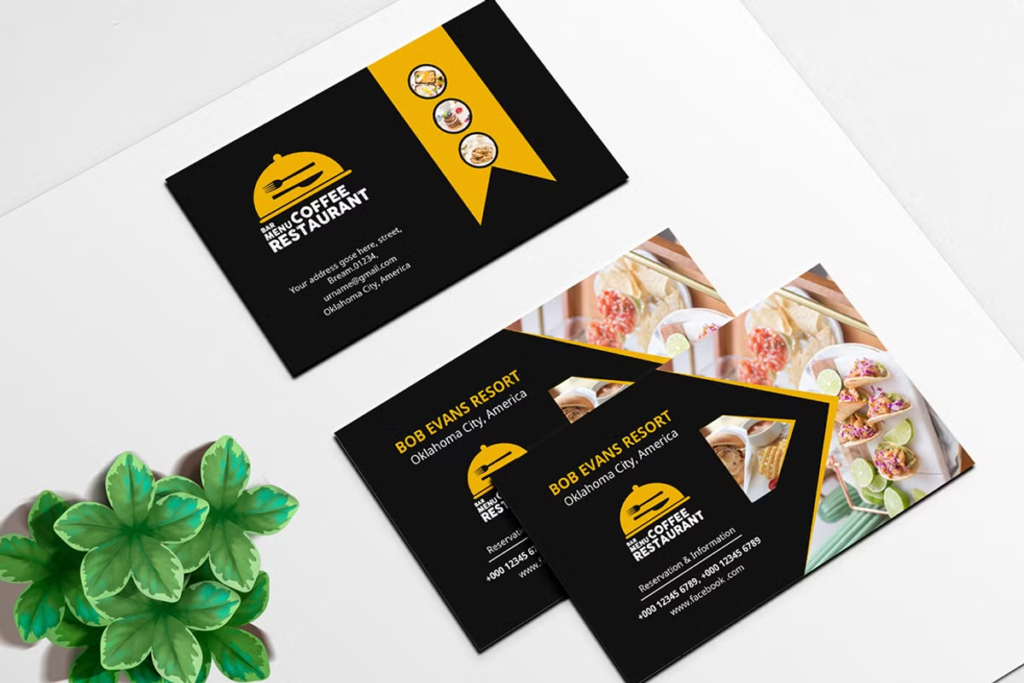
Cards and menus can pick up scuffs from stacking, sliding, and storage. Anti scratch finishes reduce those marks, which is useful for pieces that must look clean through repeated handling. This matters most when dark backgrounds or full color designs are used.
Cleaner Menus at the Table
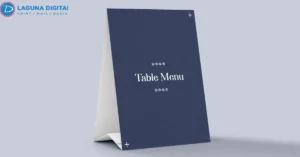
Premium menu printing needs more than an attractive layout and good photography. The surface has to survive real restaurant use. A protective finish helps menus resist wear from hands, trays, counters, and light cleaning, so the design keeps its professional look longer.
Support for Frequent Reordering Cycles
Business card printing often changes by team, title, or campaign. When the finish lasts longer, companies can order with more confidence and reduce waste from cards that look worn too quickly. It is a practical choice for teams that meet clients often.
Reliable Finish For Dark Designs
Dark ink can show rub marks more easily than lighter layouts. Matte lamination helps control glare while keeping the surface smooth and readable. It is a strong option for brands that want a calm visual style with a more premium feel.
Protection Without Bulky Shine
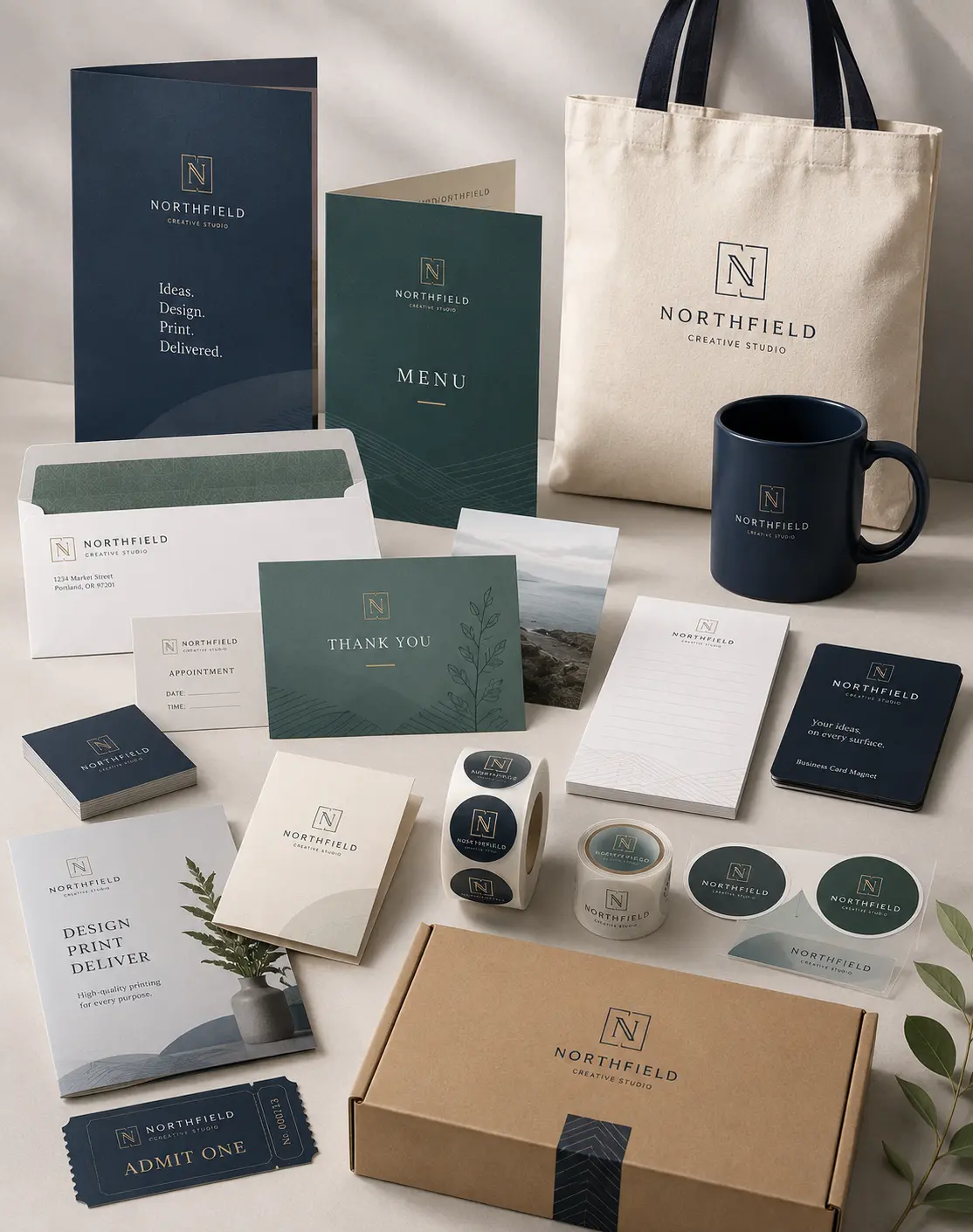
Not every brand wants a glossy look. Modern lamination can protect the sheet while keeping the surface subtle. This balance is useful for menus, appointment cards, loyalty cards, and invitations where elegance matters as much as toughness.
Style Choices for Cards and Menus
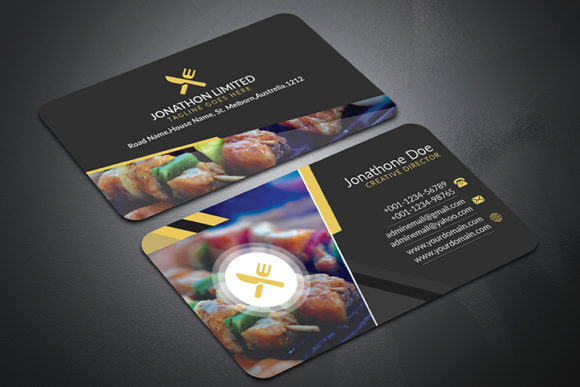
Velvet Style for Premium Cards
Velvet business cards are popular because they feel smooth and memorable in the hand. The texture creates a quiet sense of value, especially when paired with simple layouts, deep colors, or small accents. It is a good fit for brands that want class without clutter.
Finish that Supports Color
Soft touch lamination can make rich colors feel smoother and more controlled. It reduces harsh shine and gives the printed surface a more composed look. This is useful for premium cards, packaging inserts, and menu covers where design needs to feel polished.
Match Finish with Function
Laminated business cards should not only look good. They should fit the way the card will be used. A sales team may need durability for daily handouts, while a boutique brand may focus more on texture, thickness, and a refined finish.
Brand Value Behind the Finish
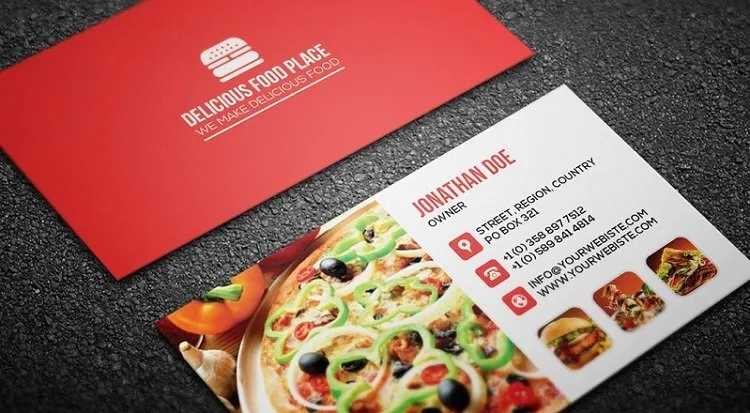
Signal of Care
Customers notice when printed pieces are clean, sturdy, and pleasant to hold. That detail can suggest that the business takes the same care with its service. Luxury business cards can support this signal when the finish matches the design and audience.
Stronger Confidence for Meetings
Business card printing is often treated as a basic office task, but the card still represents the person handing it over. A protected finish helps the card stay sharp in a wallet or card case, which matters when meeting a buyer, patient, client, or partner.
Cleaner Visual Mood
Matte lamination works well when the brand wants a simple and tasteful look. It softens reflection and helps text remain easy to read under indoor lights. This makes it useful for menus, service cards, and appointment materials.
Fewer Marks During Storage
Printed pieces can become scratched before they even reach a customer. Boxes, counters, and transport can affect the surface. Professional lamination services help reduce that risk by adding a protective layer suited to the item and its expected handling.
Memorable Card Experience
Velvet business cards create a tactile moment that plain stock cannot match. When the card feels different, people are more likely to pause and look at it. That reaction is subtle, but in competitive markets, subtle details often build stronger recall.
Common Asking Questions
Can laminated menus be wiped clean after use?
Many laminated menus can handle light wiping, but the best cleaning method depends on the material and coating. Restaurants should avoid harsh chemicals unless the printer confirms that the finish can tolerate them.
Is a thicker card always better?
Not always. Thickness helps with presence, but the finish, paper type, and design all matter. A balanced card feels solid without becoming difficult to store or hand out.
Does lamination change the color of printed designs?
Some finishes can slightly affect color depth, contrast, or glare. A sample or proof is useful when the design uses dark colors, photography, or brand colors that must stay consistent.
Which finish works best for restaurant menus?
The right finish depends on lighting, usage, and cleaning needs. Matte and soft finishes are common for elegant spaces, while stronger protective coatings may be better for heavy daily use.
Should small businesses invest in upgraded finishes?
Yes, when the printed piece is part of the customer experience. Cards, menus, loyalty pieces, and appointment materials often act as small brand touchpoints, so better durability can support a more professional image.
Conclusion
Anti scratch finishes are not just about avoiding marks. They help printed pieces feel better, last longer, and represent the brand with more care. For cards and menus, the right surface can make design choices look more intentional and useful in real life. Laguna Digital can help businesses choose finishes that match the way their printed materials will actually be handled.