


Art preservation has changed a lot in recent years. Museums, galleries, and independent artists are now focusing on creating digital versions of physical artwork that can last for generations. This shift is not only about storage but also about maintaining the true essence of the original piece.
Today, audiences expect more detail, better color accuracy, and highly scalable digital formats. This is where modern scanning methods play an important role. The ability to preserve artwork with precision helps protect cultural heritage while also opening new opportunities for printing, licensing, and online display.
As demand grows, professionals are turning to advanced scanning methods that can capture every detail of a painting, sketch, or mixed media work without losing its original character.
What is Large Format Scanning?
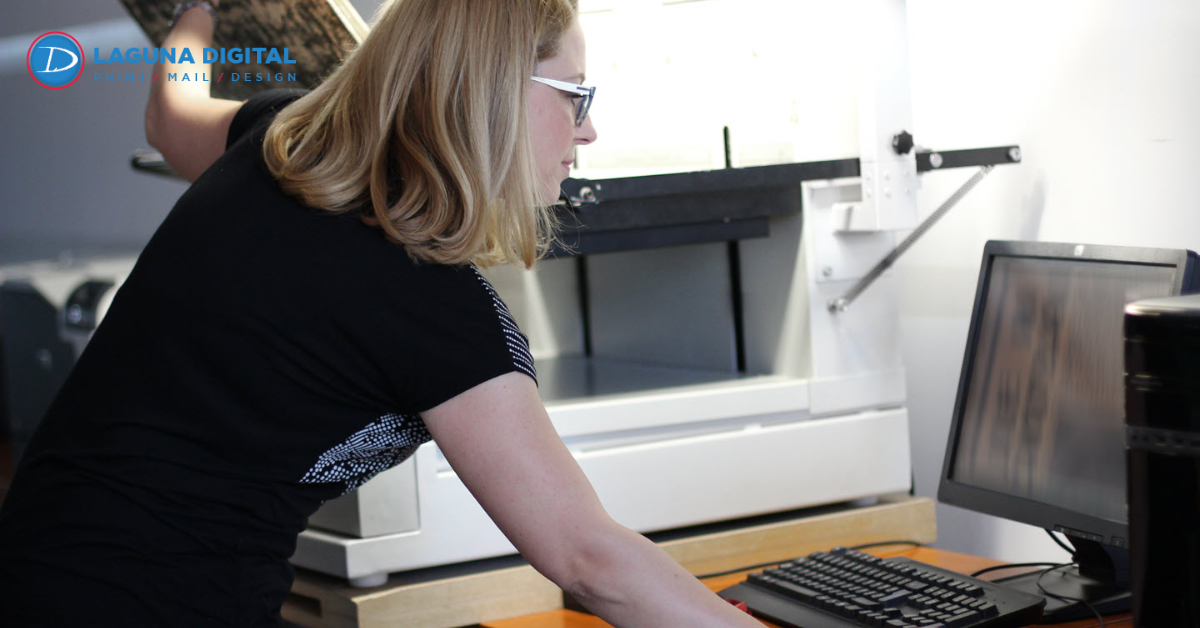
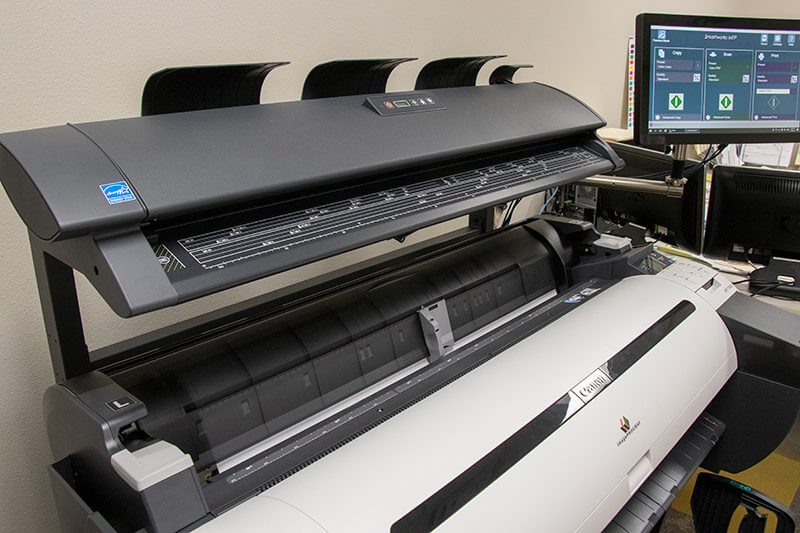
Large format scanning is a professional method used to digitize oversized artwork such as paintings, sketches, posters, and mixed media pieces. Unlike basic photography, it captures every texture, brushstroke, and color gradient with controlled lighting and high precision sensors.
Why Scanning Matters for Modern Art Reproduction
Art reproduction is no longer just about copying an image. It is about preserving texture, depth, and the emotional feel of the original work. A simple photograph often fails to capture these important details.
Capturing Detail and Texture
Fine brush strokes, canvas texture, and subtle color shifts are what make artwork unique. Modern scanning technology ensures these details are preserved in digital form. This level of precision allows artists and collectors to maintain authenticity in reproductions.
Consistency and Archival Value
Digital preservation also ensures consistency across multiple reproductions. Whether an artwork is printed once or one hundred times, the quality remains stable. This is essential for galleries and institutions that require long term archival solutions.
How High Resolution Art Scanning Captures Fine Details?
High resolution art scanning plays a central role in preserving the original emotion and craftsmanship of artwork. It allows professionals to create digital copies that can zoom in without losing clarity.
Brushstroke Accuracy
Every artist has a unique technique, and brushwork is often what defines their style. High resolution art scanning ensures that each stroke recording precisely, allowing viewers to experience the same texture and depth as the original piece.
Color Fidelity and Balance
Color is one of the most challenging aspects of reproduction. Accurate artwork digitization services use advanced color mapping systems to ensure that tones remain consistent under different lighting conditions. This helps maintain artistic intent across both digital and physical formats.
Texture Preservation
Canvas texture, paint layering, and surface variations are all captured during scanning. This level of detail is what separates professional scanning from standard photography and makes art reproduction services highly valuable for collectors and institutions.
Core Services That Support Digital Art Preservation
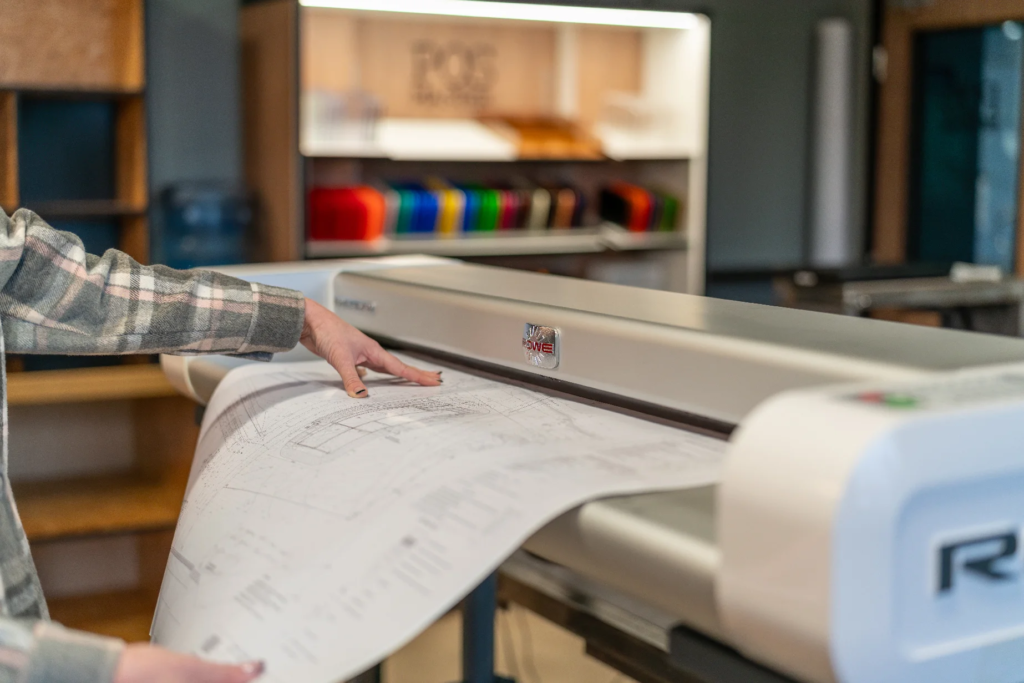
Modern art preservation relies on a combination of specialized services designed to handle different aspects of digitization. Each service plays a specific role in ensuring accuracy, clarity, and long term usability.
Large Format Scanning Services
These large format scanning services are designed to handle oversized artwork with precision. They ensure that every inch of a large canvas is captured without distortion. This is especially important for museums and galleries that manage extensive collections.
Fine Art Scanning Services
Fine art requires a careful and detailed approach. These services focus on capturing brushwork, texture, and subtle tonal variations. The goal is to create a digital version that closely matches the original piece in both look and feel.
Artwork Digitization Services
Digitization goes beyond scanning. It includes organizing, storing, and preparing artwork files for different uses such as online galleries, print reproduction, and archival storage. This ensures long term accessibility and usability.
High Resolution Art Scanning
High clarity is essential when reproducing artwork for commercial or archival use. This method ensures that even the smallest details remain visible when the image is enlarged or printed in different formats. It is widely used for professional reproduction projects.
Art Reproduction Services
These art reproduction services focused on creating accurate physical or digital copies of original artworks. They are commonly use by artists who want to sell limited editions or by institutions that need consistent replicas for exhibitions.
Frequently Asked Questions
What is the difference between scanning and photographing my art?
Scanning provides a more consistent light source and eliminates lens distortion that often occurs with cameras. It is generally the superior method for capturing flat or slightly textured 2D media with extreme color accuracy.
Can you scan art that is already frame or behind glass?
It is always best to scan artwork before to frame it. Glass creates reflections and can slightly distort the colors. However, some advance systems can handle frame work if the glass is of a specific archival quality, though unframed is highly recommend for the best results.
How large can the original artwork be for these services?
Modern large format systems can handle pieces that are several feet wide and long. For exceptionally large murals, specialize equipment or “stitching” techniques uses to combine multiple high resolution captures into one seamless file.
What file format will I receive after the scan is complete?
Most professionals provide a TIFF file. This is a “lossless” format, meaning it retains all the data and detail without the compression found in JPEGs. This gives you the most flexibility for future editing and printing.
Is scanning safe for delicate or old paintings?
Yes, professional scanners use “cold” lighting that does not emit heat or UV rays that could damage the pigments. The process is non contact, meaning nothing touches the surface of your art during the digitization.
To Sum Up
Modern art preservation depends on accuracy, consistency, and advanced imaging methods that protect the integrity of original works. From capturing fine details to ensuring scalable reproduction, digital scanning plays a vital role in today’s creative and archival industries.
With professional solutions such as large format scanning services, fine art scanning services, artwork digitization services, high resolution art scanning, and art reproduction services, artists and institutions can preserve their work with confidence and clarity.
For reliable and precise art digitization solutions that support both creative and archival needs, Laguna Digital continues to deliver quality focused services that help preserve artistic value for the long term.