
A storefront window can hold lettering for years. A delivery van in Phoenix or a sign panel near salt air is a different job. That is why there is no honest single-number lifespan for cut vinyl lettering outdoors.
For most outdoor signs and exterior business applications, three to eight years is a useful planning range. Premium cast films can be rated longer, while economy films and specialty colors may be rated for less.
Those numbers are benchmarks, not promises. Film series, color, surface, climate, cleaning, and exposure angle all affect what a business actually gets.
What Determines the Outdoor Life of Vinyl Lettering?
Manufacturers rate films under defined conditions. Real installations rarely stay that controlled.
A vertical window usually has an easier life than lettering on a hood, awning top, or sloped panel. Heat builds differently, water sits differently, and the sun strikes the film at a different angle.
That matters when buying custom vinyl lettering. A supplier should identify the exact film and color instead of quoting the longest rating available in the product family. The same applies to outdoor vinyl on equipment, trailers, and doors.
For simple names, hours, and one-color marks, cut vinyl lettering often gives a cleaner result than a printed rectangle. When artwork needs photographs, gradients, or several printed colors, vinyl stickers are usually the more practical format.
Exposure Angle Makes a Noticeable Difference
Published outdoor durability is commonly based on vertical exposure. A storefront window and a nearly horizontal vehicle hood therefore should not be expected to age at the same rate.
Surfaces facing upward receive more direct sunlight and can retain more heat, moisture, and dirt. This difference becomes especially important in states with long periods of strong sun.
A durability figure should always be considered alongside the position of the finished graphic.
Climate Can Shorten a Published Rating
Arizona heat, Florida sun, coastal salt air, and northern road salt create very different conditions. Even two installations using the same film can age differently when they are several states apart.
For long-term outdoor signage, local exposure is more useful than relying on a nationwide lifespan estimate.
Choosing Between Cast and Calendered Vinyl
Not every job needs a premium cast film. A flat glass door may perform well with a quality intermediate calendered film. A curved vehicle panel is less forgiving.
Where Calendered Film Works Well
Calendered films are commonly used on smooth and relatively flat surfaces. Doors, windows, finished sign panels, and temporary business identification are typical examples.
For vinyl signs on flat panels, a good calendered product may be the sensible choice. The decision should follow the surface and expected service period, not the assumption that the most expensive film is always necessary.
When Cast Vinyl Is Worth the Added Cost
Cast film is thinner, more conformable, and generally more dimensionally stable. It handles curves and recesses with less stress.
That is why long-term fleet work and difficult surfaces are where the extra cost starts to make sense. Premium cast cut vinyl lettering is particularly useful when the graphic must remain stable on a surface that bends or changes direction.
How Sun, Heat, and Weather Affect Vinyl?
Rain gets blamed for many failures, but sunlight and heat often do more long-term damage.
UV Exposure Can Affect Color and Appearance
Strong UV exposure can fade color over time. Some colors and specialty finishes are more sensitive than others, so an outdoor rating should be checked for the actual film color being ordered.
This is why weatherproof vinyl should not be read as “unaffected by weather.” It means the material is intended for exterior use.
A south-facing window in Arizona can age differently from a shaded storefront in Oregon, and a truck parked outside every day faces different conditions from one stored indoors.
Heat Cycling Places Stress on the Material
Outdoor materials repeatedly heat during the day and cool again later. That constant change can expose weak edges, poor adhesion, or dimensional movement.
The same issue matters with outdoor signage near coastal air, road salt, or heavy dust.
When a message needs to cover a much larger area than separate letters can handle efficiently, vinyl banners can be the better temporary format.
Why Surface Preparation Matters Before Installation?
Glass, finished aluminum, sound painted metal, and compatible smooth plastics generally allow good adhesive contact. Chalky paint, oxidation, wax, silicone residue, grease, loose coating, and deep texture do not.
Clean Surfaces Give Adhesive a Better Bond
If the adhesive never bonds properly, an edge can lift long before the face film wears out.
The surface should be clean, dry, and free of oils or residues before installation. The material should also be applied within the temperature range recommended by the film manufacturer.
This is where experienced vinyl lettering services add real value. Cleaning and preparation may not be visible in the finished job, but they often decide how the graphic looks months later.
Small Lettering Details Need Extra Attention
Small details in cut vinyl lettering and other vinyl sign lettering deserve additional care.
Thin strokes, sharp points, and tiny detached pieces have less adhesive area than broad letters. Poor preparation, aggressive cleaning, or repeated contact therefore tends to show there first.
A design with extremely fine lettering may also need adjustment before production if outdoor durability is a priority.
Why Can Vinyl Color Affect Its Lifespan?
Color is easy to overlook. Within one product line, white, black, standard colors, metallics, and specialty finishes may carry different outdoor ratings.
Standard and Specialty Colors May Have Different Ratings
ORAFOL’s technical data for premium films provides a useful example. Some standard colors are rated longer than metallic or specialty versions.
Calling every option “ten-year vinyl” can therefore be misleading.
This detail matters for vinyl lettering signs and vehicle graphics where the color is part of the brand. It also matters when comparing outdoor signs supplied by different shops.
Ask for the outdoor rating of the exact color being quoted rather than the highest rating available anywhere in that film family.
For businesses weighing removable glass graphics against adhesive products, window clings vs. vinyl banners gives useful context because the mounting method changes how the graphic is used.
How to Care for Outdoor Vinyl Lettering
Exterior graphics do not need complicated care. They do need gentle care.
Use Mild Cleaning Methods
Mild soap, clean water, and a soft cloth are usually safer than stiff brushes or aggressive chemicals, subject to the film manufacturer’s instructions.
Pressure washing directly at a letter edge is a common way to turn a small weak spot into a lift. Strong solvents can also damage some films or affect their finish.
On vehicles, road grime and salt should not be left around seams and narrow lettering. On storefront glass, repeated scraping close to the graphic can damage corners.
These simple habits also help weatherproof vinyl stay presentable instead of merely staying attached.
For temporary promotions on glass, window clings offer a different attachment method and easier removal than permanent adhesive graphics.
How Printed Graphics Differ From Cut Lettering
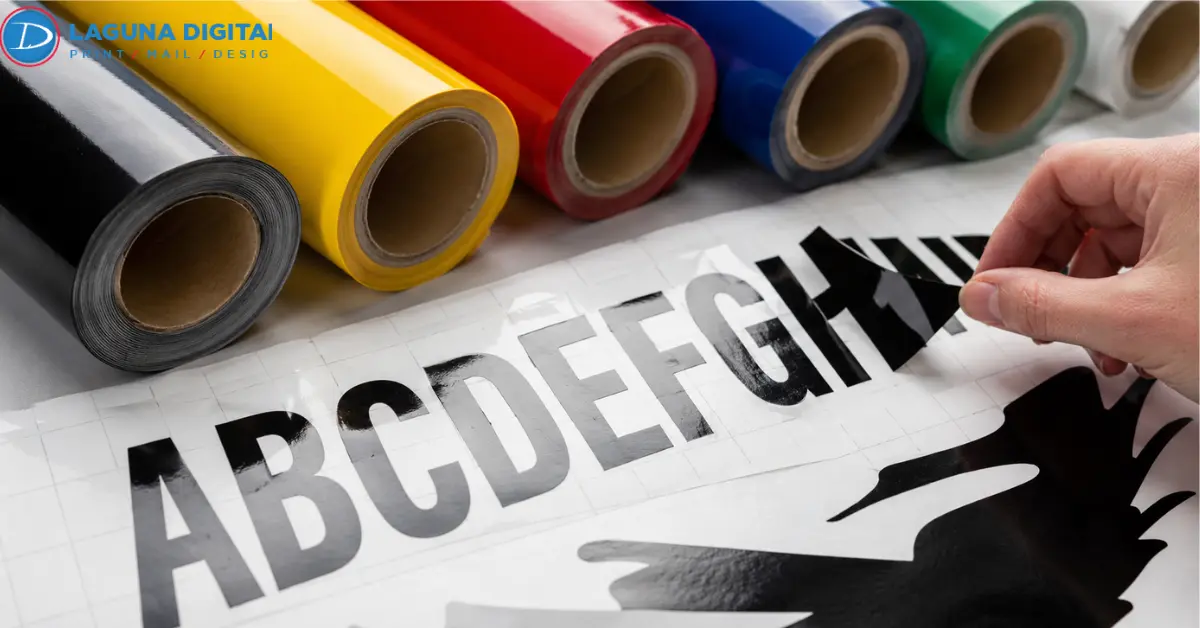
A printed graphic contains ink and may also have laminate. Cut vinyl lettering is solid-color film that is cut, weeded, transferred, and applied directly to the surface.
Cut Lettering Works Best for Simple Graphics
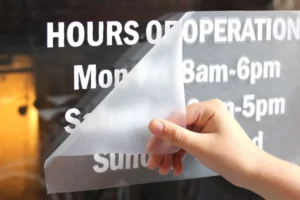
Business names, operating hours, phone numbers, basic logos, unit numbers, and directional text are good uses for cut film.
The absence of a printed background also gives lettering on glass or painted panels a clean appearance.
Printing Works Better for Detailed Artwork
A printed piece may contain photographs, gradients, textures, or complex multi-color artwork. Depending on the application, laminate may be added for further protection.
Cut film may show shrinkage, cracking, edge lift, or color change as it ages. Printed graphics can show different wear, including ink fading or laminate deterioration.
That is why vinyl stickers, outdoor stickers, and vinyl lettering signs should not be compared only by asking which lasts longer. Construction, film grade, adhesive, and location matter.
The same distinction applies to vinyl sign printing. Printing suits detailed artwork, while cut film works well for simple type and solid shapes where a background-free finish is wanted.
For larger outdoor graphics, the guide on what vinyl banner sizes work best for outdoor events explains why viewing distance and placement should be settled before artwork is finalized.
When Outdoor Vinyl Lettering Should Be Replaced?
A graphic does not have to fall off to be finished.
Watch for Changes in Readability
Fading, cracking, shrinking, dirty lifted edges, missing strokes, or poor contrast can make cut vinyl lettering look worn while most of it is still attached.
On a business entrance or work vehicle, that condition becomes part of the customer’s first impression.
The same check applies to outdoor signage and other vinyl signs. Stand where customers normally view the message. If an important copy is difficult to read, replacement is already worth considering.
Appearance Can Matter More Than Age
A four-year-old graphic that still looks clean may not need replacing. Another installation may look worn much sooner because of sun, heat, poor preparation, or frequent cleaning.
Before ordering custom vinyl lettering, ask how long the selected material is expected to remain clean and legible at that specific location.
A realistic service-life answer is more useful than a large number taken from a brochure.
What to Ask Before Ordering Outdoor Vinyl Lettering?
Before approving a job, ask for the film manufacturer and series rather than simply accepting a description such as permanent vinyl.
Also confirm the exact color, expected outdoor rating, intended substrate, exposure position, and whether the selected material suits the length of time the graphic needs to remain in place.
Businesses comparing vinyl lettering services should pay attention to the specification as much as the quoted price. A cheaper installation that needs early replacement may not be the lower-cost option in the long run.
Frequently Asked Questions
How Long Does Cut Vinyl Lettering Last on a Storefront Window?
On clean vertical glass, good exterior film can remain serviceable for several years. Intermediate films often suit shorter commercial cycles, while premium cast films may carry longer ratings. Direct sun, color, cleaning, and film series still affect the result.
Is Cut Vinyl Lettering Waterproof?
Exterior-grade cut vinyl lettering is designed to tolerate normal rain after proper installation. Water resistance does not protect against pressure washing at exposed edges, trapped moisture, or a contaminated surface.
What Vinyl Is Best for Long-Term Outdoor Use?
Premium cast film is usually the better choice for long-term, curved, or demanding work. A quality outdoor vinyl calendered film can still be appropriate for a flat surface with a shorter expected service period.
Are Outdoor Stickers the Same as Vinyl Lettering?
No. They are commonly printed as complete graphics, while cut lettering is made from solid-color film with the excess removed. Their adhesive, ink, laminate, and film construction can differ.
When Should Vinyl Lettering Be Replaced?
Replace vinyl sign lettering when fading, cracking, lifting, missing details, or weak contrast begins to hurt readability. Condition matters more than age alone.
Conclusion
The useful life of cut vinyl lettering starts with choosing a film for the actual job, not the biggest number in a sales description. A shaded window, a delivery van, and a sun-facing panel do not place the same demands on film or adhesive.
Before ordering, note the surface, direct sun, expected years in service, cleaning routine, and whether the artwork needs solid cut shapes or full-color vinyl sign printing. Those details make it easier to choose a film that fits the job rather than paying for more material than the application needs.
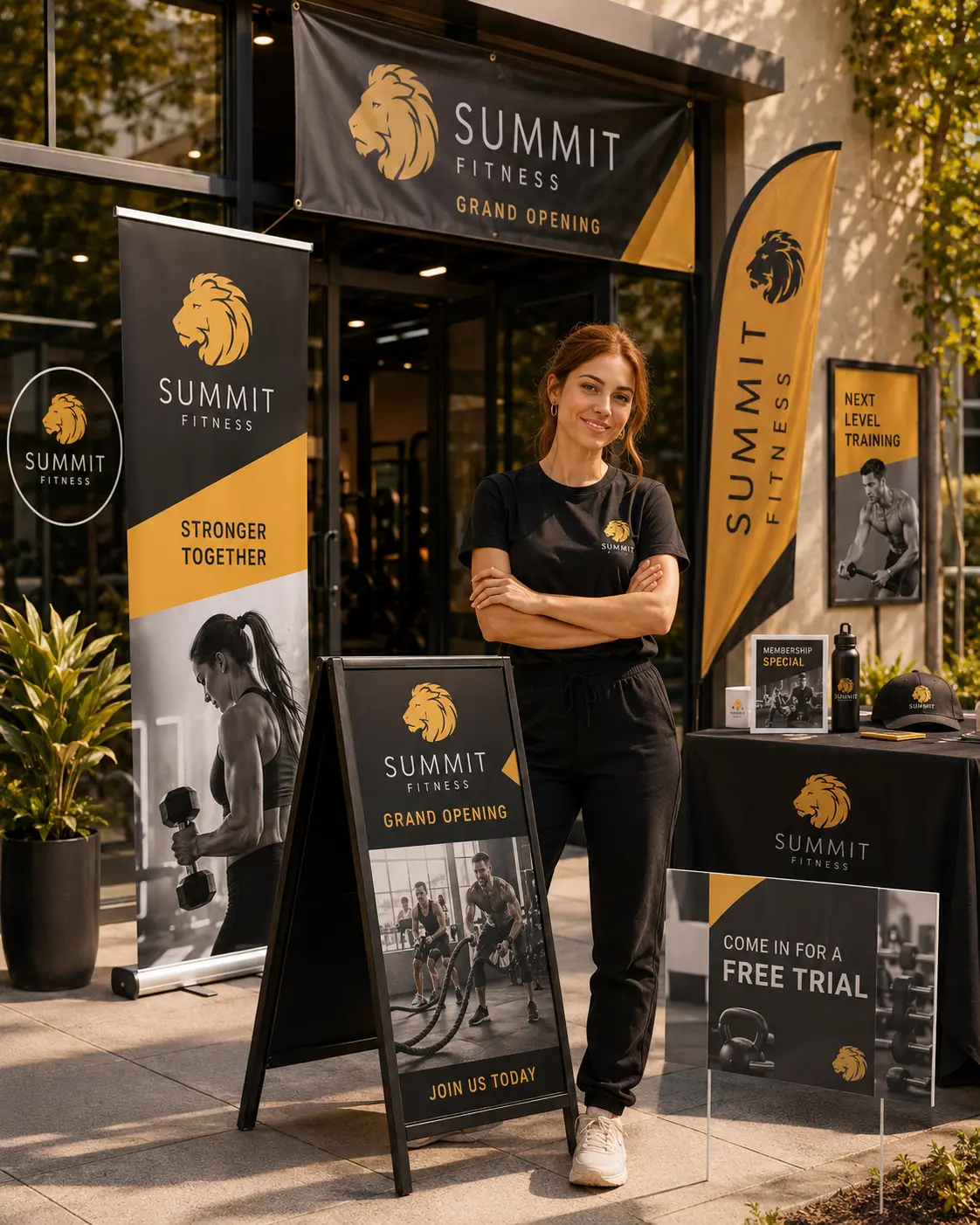
For professionally produced print and display options, visit Laguna Digital and choose the format that fits the surface, expected use, and viewing conditions.