


QR Code Banners Marketing Strategy That Boosts Offline Conversions
A banner used to be simple. People saw it, remembered the message, and maybe visited later. Today, that gap is too risky. Customers want quick action, and businesses want clear tracking. That is why QR codes have become so useful in outdoor and indoor banner campaigns.
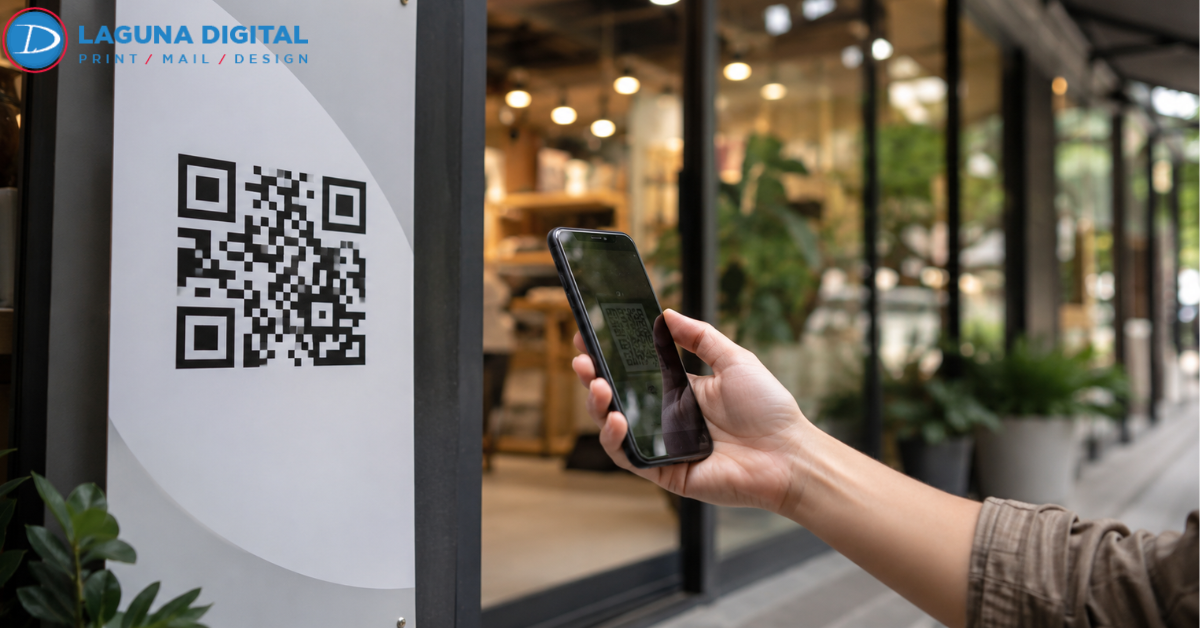
When placed correctly, a QR code turns a physical display into a digital entry point. A customer can scan, visit a landing page, claim an offer, book an appointment, or view a product in seconds. For local businesses, events, retail stores, restaurants, clinics, and service providers, this creates a direct path from attention to action.
QR code banners printing is not just about adding a code to artwork. It is about making the banner readable, trustworthy, and easy to scan from the right distance. A strong design can connect foot traffic, store visitors, and event audiences to measurable digital results.
Why QR Codes Work So Well on Printed Banners?
Instant Action Real Attention: People notice banners while walking, driving slowly, waiting in line, or attending an event. A QR code gives them a next step right away. Instead of asking them to remember a website, it lets them scan and act while interest is still fresh.
Tracking for Offline Campaigns: Traditional banners are hard to measure. QR codes solve that problem by showing visits, scans, locations, and campaign performance. This helps businesses understand which physical placements are actually creating leads, sales, or appointments.
Link Between Print and Digital: Good banner printing services now focus on more than size and material. They help businesses connect printed visibility with online results. A QR code can lead to a coupon, signup form, product page, menu, video, or booking system.
Customer Friendly Experience: Most people already know how to scan QR codes. The process feels normal after years of using digital menus, payment links, and event check ins. A clear banner with a simple call to action makes the scan feel natural.
Higher Value From Every Banner: A printed banner can do more than create awareness. It can capture leads, grow email lists, push limited offers, or send people to social profiles. This makes each display more useful across both short campaigns and long term branding.
Smart Banner Types for QR Code Campaigns
Outdoor Storefront Displays
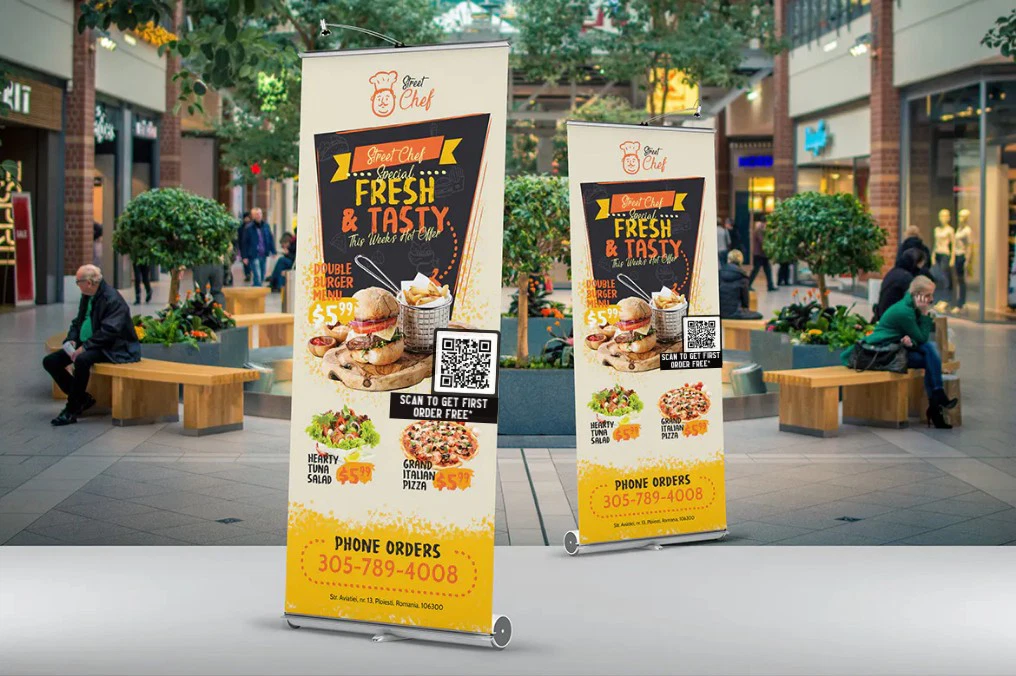
Vinyl banners printing is often used for storefronts because it handles outdoor conditions well. A QR code on a storefront banner can send nearby customers to a special offer, service list, online ordering page, or appointment form.
Event and Trade Show Banners
Events are perfect for QR scans because people are already exploring. A banner near a booth can lead visitors to product catalogs, demos, giveaways, or contact forms. It also reduces the need for printed handouts.
Retail Promotion Displays
Rectangle banners work well inside retail spaces because they fit walls, counters, windows, and aisle areas. A QR code can guide shoppers to product details, loyalty signup pages, reviews, or seasonal discounts.
Premium Indoor Brand Graphics
Fabric banners give a softer and more polished look for showrooms, offices, conferences, and brand events. When designed well, the QR code still feels clean and professional without making the display look too sales heavy.
Wind Friendly Outdoor Placement
Mesh banners are useful for fences, construction areas, outdoor events, and open spaces. Since airflow matters in these locations, the design should keep the QR code large, simple, and away from busy background patterns.
How to Design QR Code Banners That Convert?
Keep the Code Large Enough
A QR code must be easy to scan from the expected viewing distance. Small codes may look neat on screen but fail in real use. Always test the printed size before placing the banner in a busy or outdoor location.
Use Clear Visual Priority
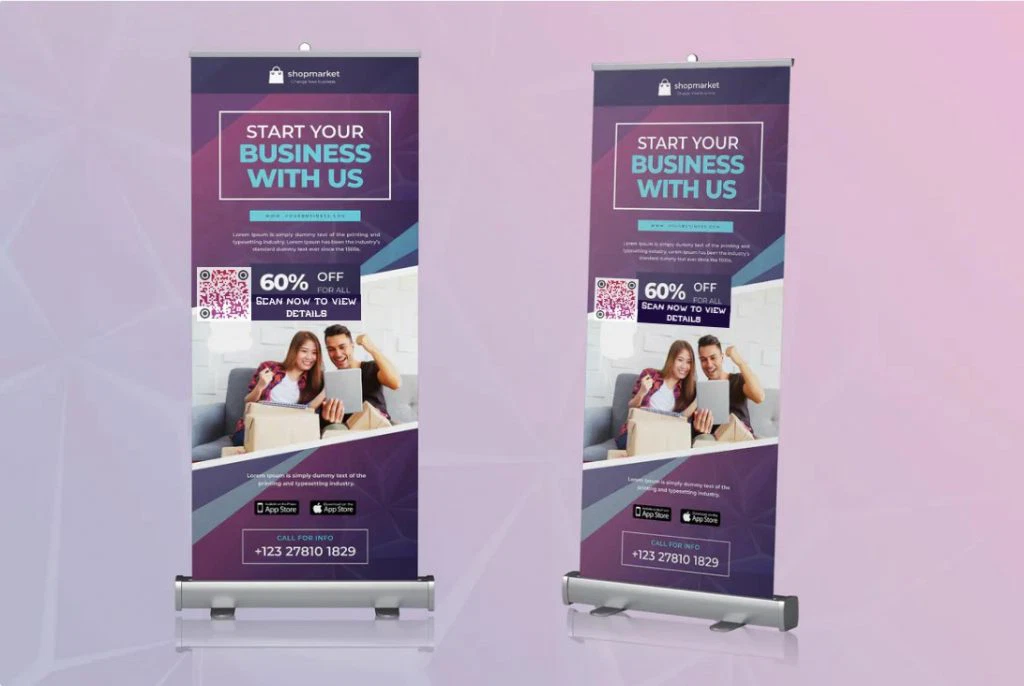
The main message should be seen first, then the offer, then the QR code. Strong spacing helps customers understand what they are scanning for. A crowded layout lowers trust and reduces scan rates.
Add a Simple Call to Action
A QR code alone is not enough. Tell people what they will get after scanning. Phrases like scan for menu, scan for quote, scan for coupon, or scan to book make the action clear and worth taking.
Match Material With Location
Different spaces need different banner materials. Fabric banners suit indoor branding, while outdoor promotions often need stronger materials. Choosing the right finish improves visibility, durability, and scan reliability.
Test Before Full Use
Before launching, scan the banner from different phones, distances, angles, and lighting conditions. This simple step prevents wasted impressions. It also confirms that the landing page loads quickly and fits mobile screens.
Marketing Uses That Drive Offline Conversions
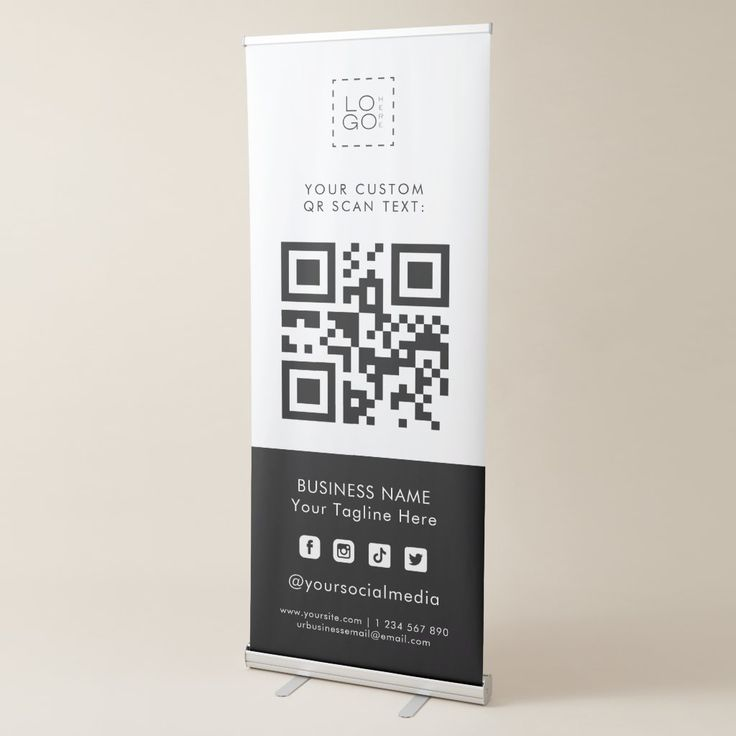
Local Service Lead Generation
Service companies can use QR banners at offices, events, job sites, or community spaces. A scan can open a quote request form, service page, or calendar. This works well when the offer matches the local audience.
Restaurant and Food Promotions
Restaurants can place banners near entrances, windows, parking areas, and events. QR scans can open menus, online ordering, limited offers, or reservation pages. The faster the path, the better the conversion chance.
Real Estate and Property Marketing
Agents and property managers can use banners to send people to listings, virtual tours, floor plans, or contact forms. Rectangle banners are especially useful for open houses, leasing offices, and property entrances.
Retail Sales and Seasonal Offers
Retailers can connect in store traffic to digital campaigns. A banner can promote a sale and send shoppers to a coupon or loyalty page. This also helps track which promotion brought customers into the funnel.
Community Events and Sponsorships
QR code banners printing is useful for festivals, charity events, school programs, and local sponsorships. A scan can open donation pages, schedules, maps, sponsor offers, or registration forms for future events.
Common Mistakes That Reduce Scan Rates
Placing Codes Too Low or Too High: A QR code should sit where people can comfortably scan it. If it is too low, too high, or blocked by furniture, cars, or crowds, it will not perform well. Placement matters as much as design.
Sending Users to Weak Pages: The scan is only the first step. If the landing page is slow, confusing, or not mobile friendly, users leave quickly. A strong page should match the banner promise and make the next action obvious.
Using Busy Backgrounds: QR codes need contrast and clean space. Placing them over photos, patterns, or textured graphics can make scanning harder. This is especially important for mesh banners because the material already has visual openings.
Forgetting Weather and Lighting: Outdoor banners face sunlight, shadows, rain, wind, and distance. Vinyl banners printing should consider glare, contrast, and durability so the code remains readable in real conditions, not just on a computer screen.
Treating All Locations the Same: A banner at a trade show is different from one near a roadside or inside a store. Smart banner printing services adjust size, material, message, and QR placement based on how people will actually see it.
Frequently Ask Questions
Are QR codes effective on printed banners?
Yes, they can be very effective when the code is large, clear, and connected to a useful mobile page. The best results come from a strong offer and a simple reason to scan.
What should a QR code on a banner link to?
It should link to a mobile friendly page that matches the banner message. Good options include coupons, booking pages, menus, quote forms, event schedules, product pages, or contact forms.
How big should a QR code be on a banner?
The size depends on viewing distance. A code meant for close indoor viewing can be smaller, while outdoor or roadside banners need much larger codes with strong contrast and empty space around them.
Can QR codes track offline marketing results?
Yes. With proper tracking links, businesses can measure scans, visits, locations, devices, and conversions. This helps show which offline placements are producing real digital activity.
Which banner material is best for QR codes?
It depends on the location. Smooth materials usually scan best, while outdoor materials must handle weather and lighting. The key is choosing a surface that keeps the code clear and easy to read.
Wrapping It Up
QR code banners are changing how businesses measure and improve offline marketing. They make printed displays more useful by giving customers a fast path from seeing a message to taking action online. With the right size, placement, material, and landing page, a simple banner can support real conversions, not just visibility.
For businesses planning marketing campaigns, the most effective strategy is to make QR codes part of the complete customer journey rather than simply adding them as a small design element at the end. Contact us today to create smarter QR code campaigns that drive real engagement and offline conversions.