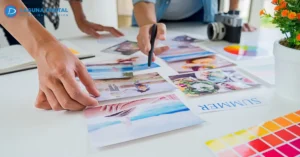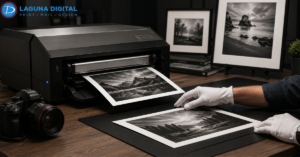



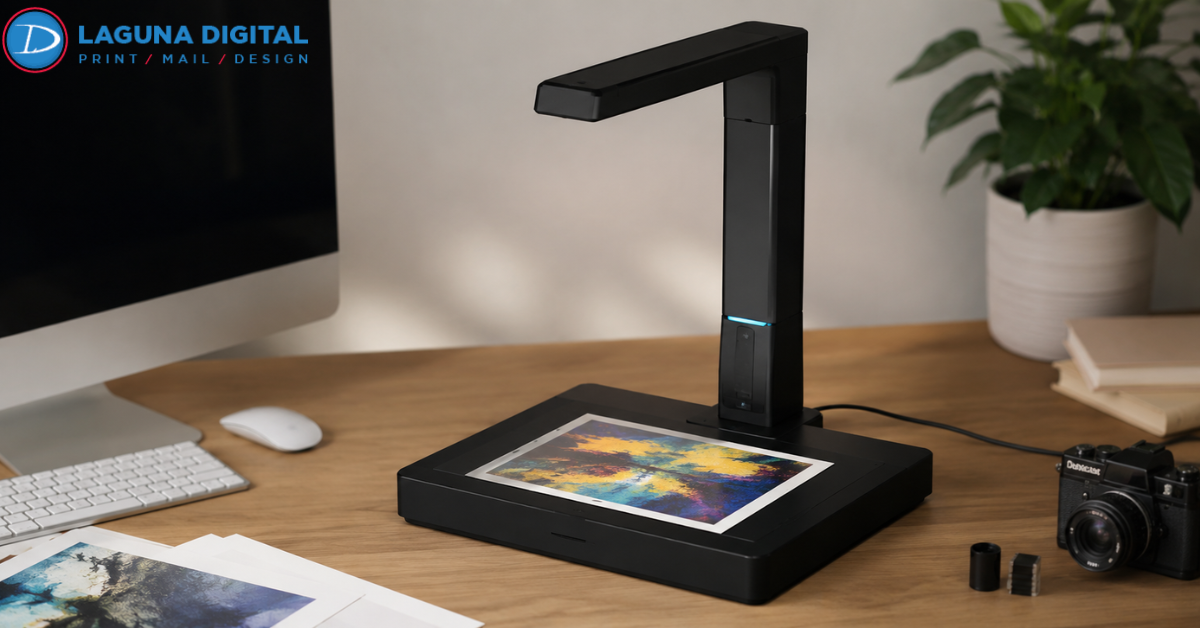
Artists and collectors now expect digital files to carry the same emotion and detail as the original piece. A weak scan can flatten colors, miss texture, and reduce the value of creative work. That is why careful capture matters when artwork moves into online galleries, NFT platforms, and archival collections.
Modern creators want files that stay sharp across screens, prints, and future formats. Professional studios now rely on high DPI scanning to preserve brush strokes, pencil depth, and subtle color shifts that standard methods often miss. Strong digital files also support licensing, restoration, and museum quality storage for years ahead.
The rise of NFTs has pushed artists to think beyond simple uploads. Buyers expect premium visuals, accurate color, and files that remain valuable over time. This demand has increased interest in high resolution scanning services that can capture artwork scanning without damaging delicate originals.
Why Professional Scanning Improves Market Value?
Better Presentation Across Platforms: Online art markets are highly visual. Crisp files create stronger first impressions and encourage longer viewer engagement. Artists who invest in high DPI scanning often see improved presentation quality because their artwork scanning appears cleaner, sharper, and more refined across digital platforms.
Expand Use in Print Production: Digital files are no longer limited to screens. Artists frequently transform scans into posters, catalogs, and canvas reproductions. Reliable capture methods support large format printing by preserving image clarity even when artwork scanning is reproduced at a much bigger size.
Enhance Licensing Opportunities: Brands, publishers, and design agencies prefer professionally scanned artwork because it reduces editing time and improves consistency. Clear digital assets make licensing easier for commercial projects while helping artists maintain quality standards across advertising and publishing campaigns.
Safer Handling for Original Pieces: Fragile paintings and vintage drawings require careful treatment during scanning. Experienced studios reduce unnecessary contact while protecting edges, surfaces, and delicate materials. This process lowers the risk of damage and helps preserve original artwork scanning during digital conversion work.
Consistent Results for Creative Archives: Artists with growing collections need dependable image quality across every project. Organized scanning workflows create consistency between old and new pieces. This helps portfolios appear more professional while improving the overall value of digital archives and online presentations.
Technology Behind Professional Artwork Capture
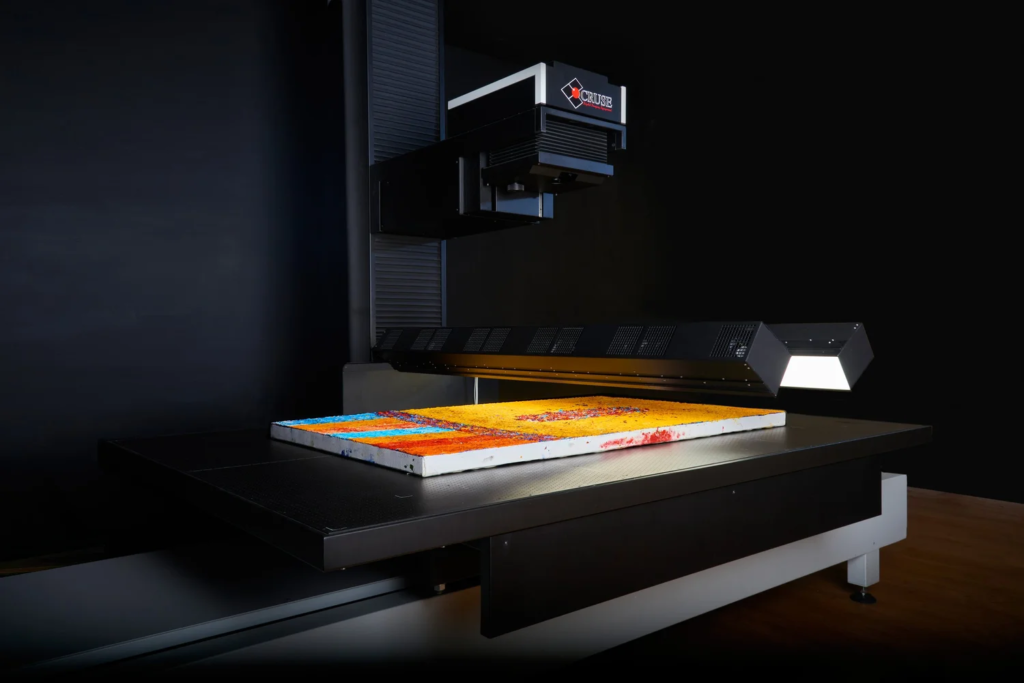
Advance Imaging for Fine Detail
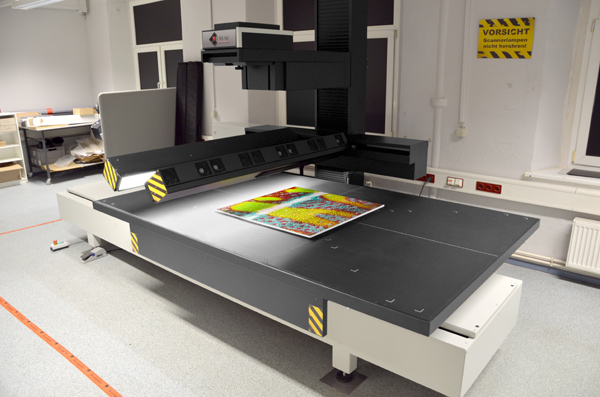
Modern scanners can capture tiny visual elements that basic devices often ignore. Fine pencil marks, paper texture, and layered paint become visible with professional equipment. Many artists choose high resolution scanning services because accurate detail improves both digital display and archival quality.
Support for Museum Quality Reproduction
Collectors and galleries expect reproductions that respect the original artwork. A trusted fine art reproduction service focuses on sharp imaging, balanced tones, and careful editing. This level of precision helps maintain artistic integrity during reproduction and digital presentation.
Clean Workflow for Digital Conversion
Professional studios follow structured workflows that improve file organization and reduce errors. Color correction, cropping, and resolution management all play a role in creating polished assets. Consistent processes help artists manage collections more efficiently across different digital channels.
Precision for Historical Artwork
Older artwork often contains fading, paper wear, or fragile surfaces. Careful scanning protects these details while creating usable digital copies for research, display, or reproduction. Preservation focused methods are especially valuable for archives, museums, and private collections.
Creative Flexibility for Future Projects
Artists frequently revisit old files for new campaigns, exhibitions, or collaborations. High quality digital assets remain useful for years because they support editing, resizing, and reproduction without major quality loss. Strong source files offer more creative freedom over time.
Expanding Opportunities Beyond NFTs
Strong Visuals for Online Stores
Artists selling prints online need images that look clean and realistic. Clear product visuals improve buyer trust and help artwork stand out in crowded marketplaces. Professional capture methods also reduce inconsistencies between digital previews and final printed pieces.
Improve Results for Printed Artwork
Modern collectors often purchase both digital files and physical reproductions. Many studios combine scanning expertise with digital art printing to create vibrant prints that closely match the original piece. Accurate files help maintain quality throughout the printing process.
Reproduction Quality for Exhibitions
Gallery exhibitions often require enlarged artwork for banners, catalogs, and promotional displays. Proper file preparation supports large format printing without sacrificing detail. This gives artists more flexibility when preparing professional materials for public events and installations.
Organized Storage for Creative Teams
Studios, galleries, and agencies manage large numbers of artwork files every day. Structured naming systems and secure backups improve accessibility while reducing the chance of missing or damaged assets. Efficient storage also helps teams collaborate more smoothly on future projects.
Commercial Use Across Industries
Scanned artwork now appears in publishing, interior design, fashion, and advertising. Businesses value clean digital assets because they simplify production and maintain visual consistency. High quality files increase the potential for partnerships and long term creative licensing opportunities.
Frequently Ask Questions
What makes professional scanning better than a home scanner?
Professional systems capture deeper detail, cleaner color, and stronger texture accuracy. They also protect delicate originals during the scanning process and create files suitable for commercial use.
Why do NFT artists need high quality scans?
NFT buyers often expect premium visuals with sharp detail and accurate tones. Better scans improve presentation quality and help digital artwork appear more valuable online.
Can old family artwork be preserved digitally?
Yes. Many studios offer careful preservation methods for fragile paintings, sketches, and photographs. Proper scanning helps reduce wear while creating reliable digital copies for storage.
How does photo scanning help artists and collectors?
Professional photo scanning protects aging prints and improves accessibility for digital archives. Artists also use photo scanning to restore reference material and organize personal collections.
Why is print quality important for digital artwork?
Collectors often purchase physical copies alongside digital files. Strong production methods and reliable digital art printing help maintain color accuracy while supporting gallery sales and collector displays.
Conclusion
Digital art continues to evolve, but quality remains the foundation of every successful project. From NFTs to gallery reproductions, artists need files that preserve detail, texture, and authenticity. Professional artwork digitization supports long term preservation while helping creators present their work with confidence.
However a trusted fine art reproduction also gives artists more flexibility across exhibitions, licensing, and collector markets. However, Laguna Digital continues to support creators who value precision, preservation, and professional presentation in the growing digital art space.