

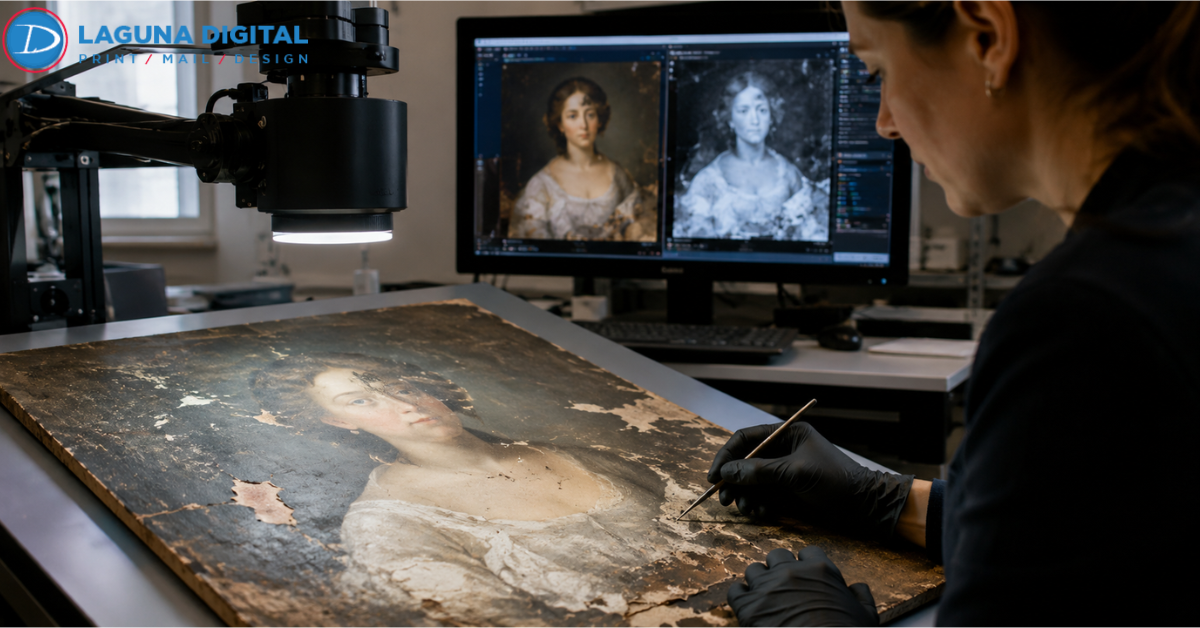
Original art carries more than color and paper. It holds brush pressure, age, texture, small imperfections, and the choices an artist made by hand. When a painting, drawing, print, or mixed media piece needs to be saved, shared, repaired, or reproduced, the first step has to be careful and accurate.
That is why professional artwork scanning matters. A phone photo can capture a quick view, but it rarely records true color, fine detail, paper tone, or surface character. For collectors, artists, galleries, families, and businesses, the goal is not just to make a copy. The goal is to protect the visual value of the original while creating a file that can be used with confidence.
The same care applies when a piece has stains, tears, fading, smoke marks, water damage, or years of wear. Digital work can often improve the image without changing its meaning. With the right process, damaged artwork restoration can help bring a piece closer to how it was meant to be seen.
Creating a Reliable Digital Record
Careful Review Before Capture
Every piece should be reviewed before it goes near a scanner or camera setup. Paper condition, surface texture, loose edges, glare risk, and color shifts all affect the final file. This step helps avoid handling damage and guides the best capture method for each original.
Color Accuracy That Feels Honest
Fine art scanning depends on controlled lighting, calibrated equipment, and patient file review. True color is not guessed by eye alone. A skilled technician compares tones, shadows, highlights, and neutral areas so the digital file feels faithful instead of flat or overly bright.
Detail Capture for Future Use
Artwork digitization should preserve small details such as pencil lines, brush edges, canvas texture, paper grain, and signature marks. These details matter for prints, archives, portfolios, insurance records, and online presentation, especially when the original cannot be handled often.
File Formats With Purpose
A good scan is not only about resolution. The final file should match the intended use. A large archival file works well for storage and reproduction, while smaller versions are better for websites, email, and catalogs. Naming and organizing files also keeps collections easier to manage.
Handling Originals With Respect
Artwork preservation starts with simple habits. Clean hands, flat support, gentle movement, and stable storage all reduce risk. When studios treat each piece as an original rather than a routine job, owners get a safer process and better long term results.
Restoring Visual Quality With Digital Skill
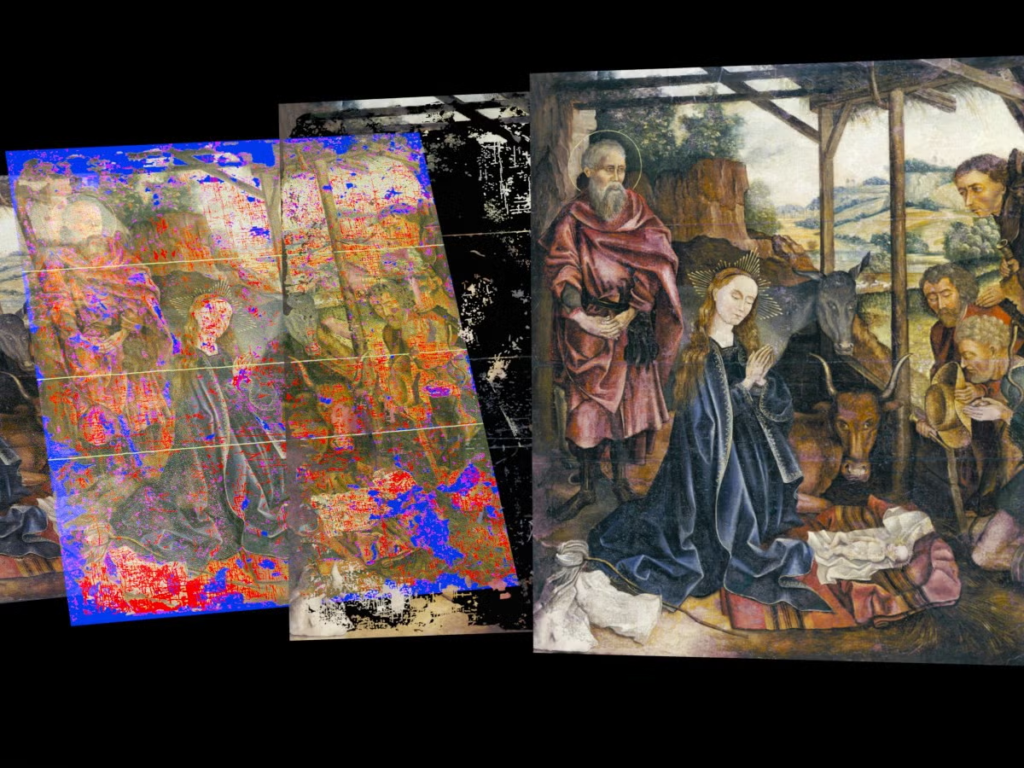
Repair Damage Without Erasing Character: Digital art restoration can reduce cracks, stains, scratches, fading, and missing areas while keeping the natural character of the work intact. The goal is not to make an old piece look artificial. It is to make the image readable, balanced, and closer to its original presence.
Rebuilding Lost Areas With Judgment: When artwork has torn corners, water marks, or rubbed sections, restoration decisions should be made carefully. Experienced art restoration services look at nearby texture, tone, and pattern before rebuilding any area. Heavy editing can weaken trust, so restraint is part of the craft.
Improving Faded Color Naturally: Older pieces often lose contrast or shift in color. Careful adjustment can restore depth without making the image look new in the wrong way. The best results respect age while making the artwork more enjoyable for prints, display, records, or family archives.
Preparing Artwork for Reproduction: A restored file may need different finishing than a simple scan. Print files require clean edges, balanced color, correct sizing, and enough resolution for the desired output. This is where artwork scanning and restoration often work together as one complete workflow.
Protecting the Original After the Project: Once a strong digital file exists, the original can be handled less often. Artwork preservation may include storing the piece away from direct sun, moisture, heat, and pressure. A digital master file also gives owners a reliable backup for future prints or records.
Practical Uses for Artists, Families, and Collectors
Artist Portfolios and Print Sales
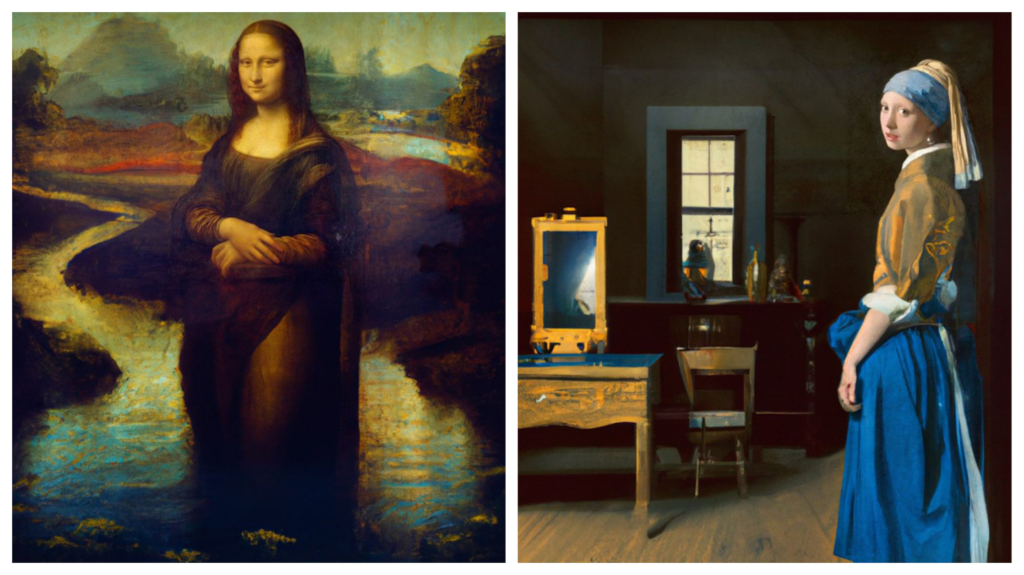
Artists need clean files for prints, submissions, online stores, licensing, and gallery outreach. Artwork digitization gives them a professional starting point. A weak file can make strong work look ordinary, while a careful file helps the art speak clearly in every format.
Family Heirlooms and Personal History
Old portraits, handmade drawings, certificates, and inherited art often carry emotional value. Damaged artwork restoration can make these pieces easier to view and share without putting fragile originals at risk. The best work keeps the memory intact, not overly polished.
Gallery and Collection Records
Collectors and galleries benefit from consistent digital records. Digital art restoration may support cataloging when older pieces have visual flaws that distract from the work. Accurate files also help with condition notes, insurance, appraisals, and communication with buyers.
Print Ready Files for Displays
When a piece is prepared for printing, small issues become more visible. Dust, uneven borders, weak contrast, and color shifts can stand out at larger sizes. Skilled preparation helps prints look clean while still respecting the texture and feel of the original.
Long Term Access and Backup
Artwork can be lost to accidents, moves, sunlight, leaks, or simple aging. Fine art scanning creates a dependable record before problems happen. With organized master files and backup copies, owners have more control over how their artwork is shared and protected.
Quality Standards That Make a Difference
Experience With Different Materials
Not every piece behaves the same way. Watercolor, charcoal, acrylic, oil, pencil, canvas, old paper, and textured prints each need a different approach. Experienced art restoration services understand these differences and avoid one size fits all settings.
Realistic Expectations From the Start
Good restoration begins with an honest review of what can and cannot be improved. Some damage can be reduced dramatically, while other marks should remain because removing them would distort the piece. Clear expectations build trust and prevent disappointing results.
Clean Edits and Natural Results
Professional files should not show obvious cloning, harsh sharpening, muddy shadows, or strange color shifts. The best edits are quiet. They improve the viewing experience while allowing the artwork to remain the center of attention.
Secure Storage and File Delivery
Digital files should be delivered in useful formats and stored safely by the owner. A master file, web file, and print file may all serve different needs. Clear file delivery makes future printing or sharing easier and avoids repeated handling of the original.
A Process Built on Care
Artwork projects require patience. Rushing the scan, skipping review, or pushing edits too far can reduce quality. A careful process respects both the artwork and the person who brought it in, whether the piece is museum worthy or personally priceless.
Common Asking Questions
Can old or faded artwork be improved digitally?
Yes. Many faded pieces can be improved through careful color correction, contrast balancing, and cleanup. The result depends on the condition of the original and how much detail remains visible in the artwork.
Is scanning better than taking a photo of artwork?
For most flat artwork, scanning gives better detail, sharper edges, and more controlled color. Photography may be used for large, framed, glossy, or textured pieces when scanning is not practical.
Will restoration change the original artwork?
Digital restoration changes the file, not the physical original. The original remains untouched unless separate physical conservation work is requested from a qualified conservator.
What file type is best for keeping artwork?
A high quality TIFF is often preferred for long term storage because it preserves detail well. JPEG files are useful for websites, email, and everyday sharing.
Can restored artwork be printed again?
Yes. A properly prepared restored file can be printed for display, gifts, portfolios, or replacement copies. Print quality depends on the file resolution, color work, paper choice, and output method.
Summary
Art deserves more than a quick copy. Whether the goal is a clean digital archive, a restored family piece, a professional print file, or safer long term storage, the process should balance technical skill with respect for the original.
With thoughtful scanning, careful editing, and practical file preparation, artwork can remain useful, visible, and protected for years. Laguna Digital supports that kind of careful approach without making the process feel complicated.