


A box of VHS tapes can sit untouched for years and still look fine outside. Inside, magnetic tape continues to age. Heat, moisture, dust, mold, and repeated playback raise the chance of picture loss, weak audio, tracking problems, or a cassette that no longer moves smoothly.
Protect the tape, avoid unnecessary playback, and make a digital copy before the recording becomes harder to recover. For one-of-a-kind footage, waiting for visible damage is a poor plan.
Start With the Tapes That Matter Most
Do not begin by feeding every cassette into a machine. Spread the collection out first and decide what would be hardest to replace.
Wedding footage, childhood recordings, interviews with relatives, and home movies belong at the front of the list. Duplicates can wait. Old VHS tapes from an attic, garage, or damp basement deserve closer inspection than media kept in a bedroom closet.
Make a simple inventory with the label, approximate date, condition, and transfer status. It prevents repeated handling and confusion later.
This first pass is also useful for VHS tapes preservation because it separates clean media from anything that needs more careful attention.
What to Look For Before Playback?
Check the shell, reels, and visible video tape through the cassette window. Stop if you see a cracked case, loose tape, wrinkles, white or gray growth, sticky residue, or an uneven tape pack.
Mold is one of the clearest warning signs. A moldy cassette should not go straight into a household VHS player. Debris can move through the tape path and contaminate the machine, which then puts other recordings at risk.
The U.S. National Archives advises careful handling of magnetic media and protection from dust, pollutants, and sudden environmental changes. Those basics also support videotape preservation when the original has no backup.
For a broader look at aging formats, how to transfer old videos and films to digital format explains how tape and film sources are handled differently.
Storage Can Slow Damage, Not Reverse It
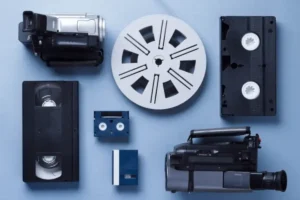
Good VHS tape storage should be consistent. Keep cassettes upright in their cases in a clean interior room, away from attics, garages, damp basements, windows, radiators, and plumbing.
Large swings in temperature and humidity are hard on magnetic media. The Canadian Conservation Institute recommends cool, dry, stable conditions and migration to newer formats when continued access matters.
Keep cassettes off the floor. Do not store them beside strong magnetic equipment. If a box of tapes has been sitting in extreme heat or cold, let it return gradually to normal indoor conditions before using it.
These habits support tape preservation, but they do not stop aging. A cassette can be stored well and still become more difficult to play as the years pass.
Test the Machine With Something Expendable
An unreliable deck can damage a healthy cassette in a few seconds. Before using an important recording, test the machine with a tape that does not matter.
A working VHS recorder should load, play, rewind, and eject normally. Scraping, grinding, squealing, spilled tape, or a wrinkled cassette are reasons to stop.
Clean playback also matters. A dirty transport path can make a good recording look worse than it is.
With VHS tapes, repeated trial runs are usually a bad idea. If a section breaks up on screen, replaying it again and again may add wear without improving the signal. One controlled playback used for capture is generally safer than several curiosity checks.
Know When a Home Transfer Is Reasonable
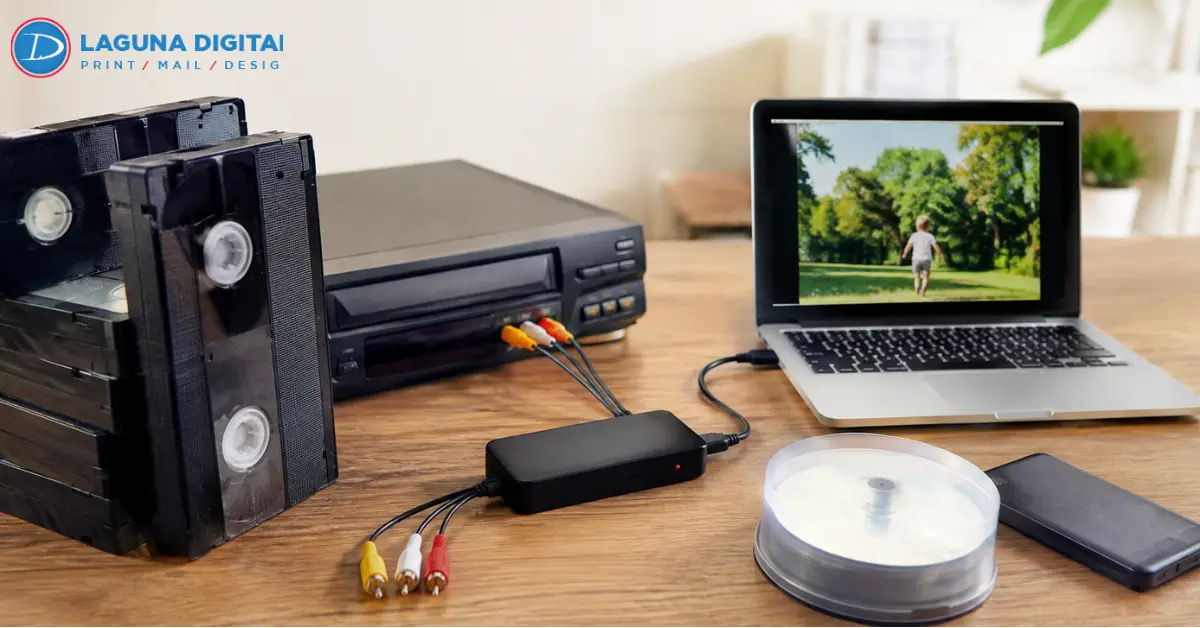
A home VHS transfer can work for a clean cassette and a reliable machine. The usual setup includes a VCR, cables, a capture device, a computer, and recording software.
The first capture should focus on getting the complete recording. Sharpening, color correction, and noise reduction can wait. Good VHS conversion preserves the source signal before cosmetic work begins.
Some tapes are poor candidates for home experimentation. Mold, a cracked shell, sticky movement, severe wrinkles, unstable playback, or irreplaceable footage all raise the risk.
That is where professional handling makes more sense. The challenge of preserving history by converting VHS to digital explains why the age of both the media and the equipment matters when deciding how long to wait.
The Digital File Needs Its Own Preservation Plan
VHS digitization removes the playback problem, but digital files can still be lost through drive failure, deletion, corruption, or poor organization.
Keep a high-quality master if possible and a smaller viewing copy for everyday use. Use clear filenames such as 1996_Family-Reunion_Tape04 instead of capture_004.
After transfer, check more than the first minute. Watch the beginning, middle, and end. Confirm that sound is present, speech stays synchronized, and the recording does not stop early.
Good video preservation depends on verification. A file that was never checked is not a dependable backup.
Once the transfer is confirmed, keep more than one copy on different storage devices, with another copy in a separate location or trusted cloud account.
Keep the Original After the Transfer
Keep the source after copying it. Do not discard it until the new file has been watched, named, and backed up. If something was missed, the original may still be needed.
This matters especially with VHS tapes that contain unique family footage. After verification, return the cassette to protected storage and stop using it as the everyday viewing copy.
At that point, the original becomes a backup source rather than the main way to watch the recording.
Large Collections Need a Different Approach
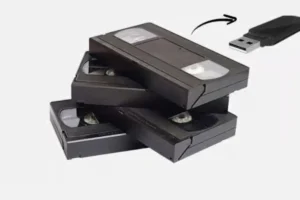
Large collections are easier to control in small batches.
Work with five to ten cassettes at a time. Inspect, transfer, verify, update the inventory, then move on.
For an unlabeled cassette that is safe to play, make the copy first. Identify people, dates, and events from the digital file instead of replaying the original.
A steady batch process supports VHS tapes preservation and practical tape preservation at the same time. It reduces unnecessary handling, makes mistakes easier to catch, and keeps a large VHS transfer project from becoming disorganized.
For collections that need direct transfer help, VHS and Beta tape transfer services are more relevant than using an untested home setup on fragile material.
Mistakes That Can Make a Recoverable Tape Worse
Do not play moldy media in a regular VCR, use household cleaners on the tape surface, force a sticking cassette, or leave an important recording inside a machine.
Old VHS tapes also should not be stored loose in cardboard boxes where dust, humidity, and pressure can affect them over time.
A reliable VHS recorder can reduce playback risk, but no machine makes aging magnetic media permanent. The purpose of videotape preservation is to protect the best remaining version long enough to create a safer copy. The same principle applies to long-term video preservation after transfer.
The same is true of a single video tape. Once the content has been transferred and checked, there is little reason to keep playing the original.
Frequently Asked Questions
How long do VHS recordings usually last?
There is no fixed expiration date. Storage conditions, tape quality, humidity, heat, handling, and playback history all matter. Magnetic tape is a finite-life medium, so important VHS tapes should be copied before obvious failure appears.
What is the best way to store a VHS cassette at home?
Use dry, stable VHS tape storage in an interior room. Keep the cassette upright in its case, away from direct sunlight, heat, moisture, plumbing, and strong magnetic fields.
Can I play a moldy tape in a normal VCR?
No. Mold and debris can contaminate the VHS player and may affect other tapes used afterward. Important moldy recordings should be cleaned or evaluated before playback.
Is professional transfer better than doing it at home?
Not always. A clean cassette and reliable equipment may be suitable for home VHS conversion. Professional help becomes more useful when the tape is moldy, physically damaged, unstable, unusually valuable, or difficult to play.
Should I keep the cassette after digitizing it?
Yes. Keep the original after VHS digitization until the copied file has been reviewed and backed up. If the first capture is incomplete, the cassette may still be needed for another attempt.
Conclusion
VHS tapes do not need elaborate treatment, but they do need timely action. Start with the recordings that cannot be replaced. Inspect them before playback, improve their storage, test the equipment, and make verified copies before age or mechanical damage removes that option.
For fragile or important recordings, Laguna Digital can handle the transfer without turning the original into a test case. Choose the five recordings that matter most, label them, and start there.