


Buying a print shouldn’t be a roll of the dice. You might love the picture in front of you, but the real value here is in the paper, entirely inked image, detail, finish and love about production. Making better pieces your piece should be rich in normal room light, stable in the hand and delivered with clear info.
This guide explains how to evaluate a print with the eye of a discerning buyer, not just an impulse shopper.
Material Quality That Tells the Real Story
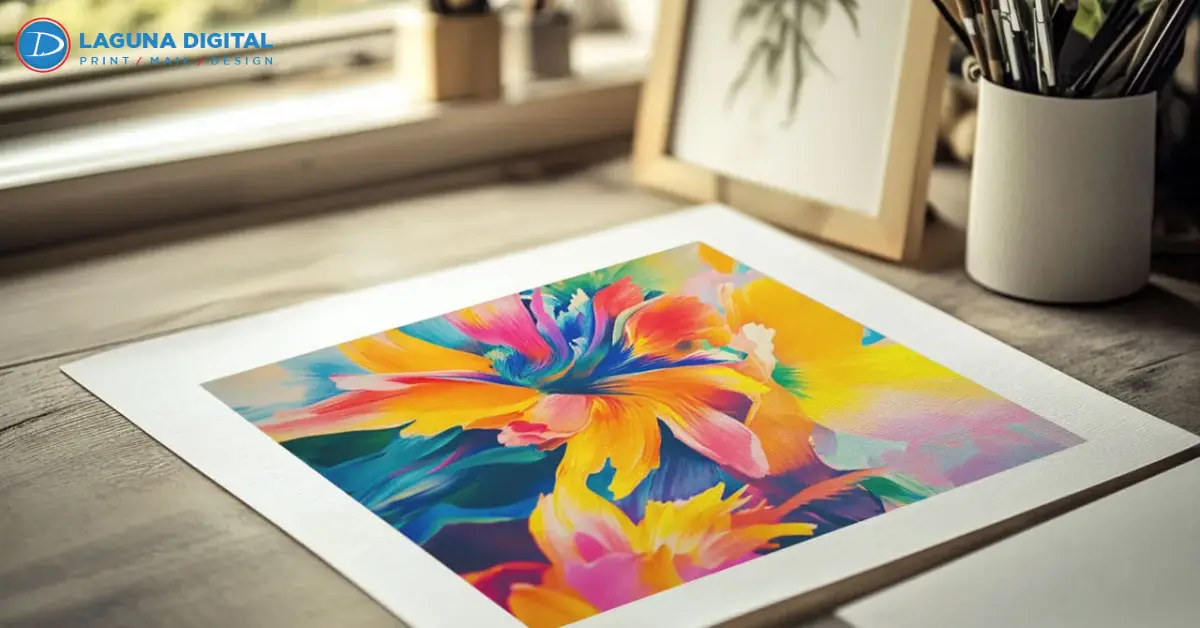
Paper With Real Weight: If you are working with a quality paper, then the paper will feel just right in your hand laid gently on top, nice and steady, not flimsy. Many fine art prints are produced with cotton rag and refined matte papers which hold detail, soft tones, and texture in a more organic manner.
Ink That Holds Its Color: Ink choice matters more than many buyers realize. Pigment based ink is usually preferred for serious display work because it is made for better color stability. When you review a print order, ask whether the studio uses professional ink sets instead of basic poster style output.
Surface That Matches the Artwork: A smooth surface can suit photography, clean illustration, and fine line work. A softer textured paper can make painted work feel warmer and closer to the original. Good production is not about using the most expensive paper every time. It is about choosing the right surface for the image.
Canvas With Clean Stretching: Large decor pieces need careful finishing, especially when they are stretched. Quality canvas prints should have tight corners, straight edges, and even color across the face and sides. If the canvas waves, sags, or shows rough folds, the final piece may look cheaper once it is on the wall.
Details Listed Before Purchase: Trustworthy sellers explain what you are buying. Look for paper type, ink type, finish, border size, frame option, and handling notes. Vague phrases like premium finish do not tell enough. Clear product details are especially important when comparing wall art prints for a home, office, or gallery wall.
Image Accuracy Before the Print Is Made
Resolution Checked at Final Size
When a file is bored too much, it can get soft. Be sure to verify that the image is detailed enough for the size desired before ordering. We recommend that Studios with first order print quality inspections preview edge clarity, small text, brush strokes and shadow areas prior to each.
Color Reviewed With Care
Every screen shows color a little differently, so a print should be judged with realistic expectations. Still, careful color control makes a big difference. In art reproduction, the studio should pay attention to skin tone, sky color, deep shadows, and subtle changes that give the original artwork its character.
Cropping That Protects the Composition
Poor cropping can ruin a good piece. Signatures, borders, important texture, and subject details should not be cut off without approval. When buying framed art prints, also check how the margin or mat will change the final view once the piece is inside the frame.
Proofs for Serious Orders
A proof is useful when color, paper feel, or size really matters. It gives you a small version to inspect before committing to the final piece. Many giclée printing services offer proofing because it helps buyers catch problems early and protects the value of the finished work.
Black Tones With Visible Detail
Deep black areas should still show shape and detail. If shadows look flat, muddy, or overly glossy, the paper and ink may not be matched well. This is a simple way to judge museum resolution art prints because premium work should keep depth without losing the image.
Craftsmanship You Can See Up Close

Trim Lines and Borders
Look closely at the edges when the print arrives. Clean trimming, even borders, and square corners show care in production. Small finishing mistakes can make fine art prints feel less professional, even when the image itself is beautiful.
Texture Without Noise
Texture should support the artwork, not distract from it. A painterly piece may need visible paper character, while a clean photograph may need a smoother surface.However, a better digital printing keeps the image clean without adding harsh grain, rough banding, or unwanted sharpness.
Framing That Protects the Print
A frame ought to serve a purpose beyond just being attractive. It must safeguard the paper from dust, touch, and direct exposure to damaging substances. Art prints of high quality typically feature neat backing, appropriate mats, and glazing that complements the space where the artwork will be displayed.
Authenticity and Edition Notes
If the print is sold as collectible, the seller should provide clear edition or certificate information. Look for title, artist name, size, paper, ink, and edition number when relevant. Serious giclée prints often come with these details so the buyer knows exactly what was produced.
Packaging That Prevents Damage
Good packaging is part of the product. Flat work should be supported so it does not bend, and rolled pieces should be packed without pressure marks. Careful packaging is a basic sign that the seller respects art reproduction from production to delivery.
How to Protect Your Print for Long-Term Display?
Light Exposure in the Room: No print likes harsh sunlight every day. Even strong materials can fade faster in bright windows or hot rooms. If you are buying archival quality prints, place them where light is controlled and avoid walls that receive direct afternoon sun.
Humidity and Heat Control: Paper reacts to the room around it. Damp spaces can cause waves, spots, or soft corners, while heat can affect adhesives and frames. Buyers who want long lasting wall art prints should avoid bathrooms, laundry rooms, and areas near vents.
Cleaning and Handling Habits: Handle prints with clean dry hands or gloves, especially before framing. Never rub the surface to remove dust. A gentle air blower or advice from the print studio is safer. These small habits help canvas prints and paper pieces keep a cleaner finish.
Reordering and Matching Later: If you plan to build a set over time, ask whether the studio keeps paper and color notes. Custom fine art printing is easier to match later when the production team records the file, paper, size, and finish used on the first order.
Value Beyond Decoration: A better print brings more than color to a wall. It gives the artwork presence, protects the artist’s intent, and lasts longer when cared for properly. This is why museum quality art prints are judged by material, accuracy, finishing, and trust, not just by price.
Frequently Asked Questions
What should I check first before buying a print?
Check the paper, ink, file resolution, finish, and seller details first. These points tell you more about the final product than a mockup image alone.
Is proof always necessary?
A proof is not always needed for small casual orders, but it is smart for large pieces, gifts, gallery work, and artwork with sensitive color.
What paper is best for artwork?
The best paper depends on the image. Matte cotton papers work well for many artworks, while smoother papers may suit photography and detailed illustration.
Why does my print look different from my screen?
Screens use light and prints reflect light, so some difference is normal. Better studios reduce that gap through color control, file checks, and proper paper profiles.
How can I make a print last longer?
Keep it away from direct sun, moisture, heat, and rough handling. Use suitable framing and follow care advice from the studio that produced it.
Final Thoughts
Verifying a print before buying is not complicated once you know what to look for. Check the material, ink, resolution, proofing, crop, finish, and care advice. For buyers who want archival quality prints, careful giclée printing services, dependable digital printing, high resolution art printing, giclée prints, or custom fine art printing for important artwork.
Laguna Digital is ready to help with honest guidance and polished results. If you want your next piece to look accurate, feel premium, and be ready for display, Laguna Digital is a smart place to start.