

Digital Customer Loyalty Cards: A Complete Guide For Small Businesses
Many programs lose people before the first reward because the rules are hard to remember, sign-up takes too long, or the benefit feels too far away.
Digital tracking keeps visits, points, and rewards in one place. Print can help customers notice and join the program.
What Are Digital Loyalty Cards?
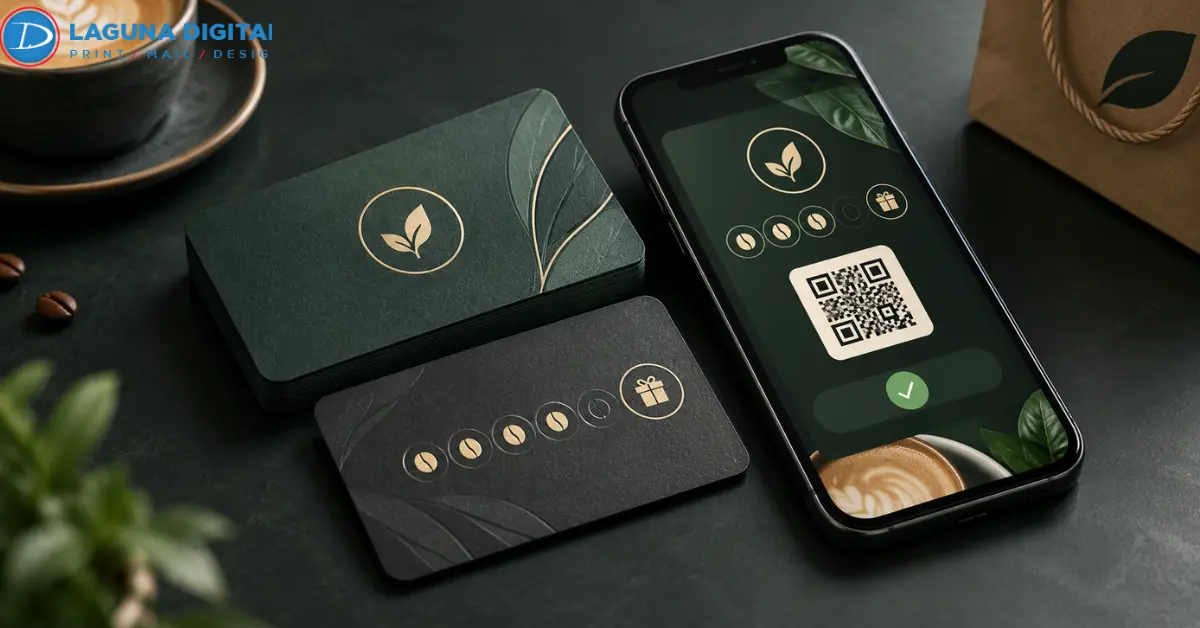
Digital loyalty cards are electronic reward cards that record qualifying visits, purchases, points, or benefits. Depending on the system, a customer may open the card through a mobile wallet, browser, app, or point-of-sale profile.
A coffee shop might reward the seventh drink. A salon could offer a free add-on after four appointments. The technology changes how progress is recorded, not the basic promise.
A digital loyalty card should make three things clear: what counts, what the reward is, and how close the customer is to earning it.
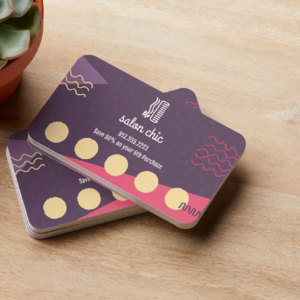
At a physical checkout, loyalty card printing can give that program a visible entry point through a short message and QR code.
How Small Businesses Benefit From Loyalty Programs?
Local businesses often win on familiarity, service, and convenience. A useful rewards program gives an existing customer one more reason to choose the same business next time.
Consumer Loyalty Program Survey found that 72 percent of U.S. respondents said loyalty programs made them more likely to spend with a preferred brand. Consumers were enrolled in eight programs on average but actively used only five. That gap is the important part. A member list can grow while the program itself sits unused.
Set A Reward People Can Actually Reach
Reward loyalty cards need to match the buying cycle. A bakery customer may visit twice a week. A salon client may return every six weeks. Asking both customers to complete ten visits creates two very different experiences.
A birthday credit, complimentary add-on, small store credit, or priority service can be more memorable than another discount.
The custom loyalty card program guide shows how print can support the reward without making it complicated.
What Makes A Digital Loyalty Program Easy To Use?
Once the reward feels worthwhile, the program still has to work smoothly in real life.
Make Sign-Up Quick
Do not ask for five pieces of information when two will do. Name plus email or phone may be enough, depending on the platform. Marketing consent should also be clear rather than buried inside enrollment.
A digital rewards card loses value if joining it feels like paperwork.
Keep The Rule Consistent
Loyalty program cards should use the same wording customers see online. If the counter card says one point per visit while the digital account uses spending tiers, staff will spend time explaining the mismatch.
Plain rules are easier to remember. “Buy six, get the next one free” does not need a tutorial.
Make Redemption Feel Routine
Good loyalty card solutions still work during a busy lunch rush. Staff should be able to apply the reward, correct a missed visit, and help a customer who cannot open the account without turning a simple redemption into a delay.
How Digital Loyalty Cards Bring Customers Back?
A reward will not rescue a poor experience, but it can make a good experience easier to choose again.
Picture a regular customer deciding between two nearby cafés she already likes. One more purchase at the first earns a free drink. That small bit of visible progress can be enough to settle the choice.
Customer loyalty cards can also reveal a break in a normal pattern. A customer who usually returns every two weeks but has been absent for six may be worth a relevant reminder, provided the business has the right marketing consent.
The repeat-sales loyalty guide looks more closely at how rewards can support that return visit.
How To Choose Rewards Without Hurting Margin?
The reward has to feel worthwhile without turning the next sale into a bad deal for the business. This is where a little arithmetic matters more than a clever slogan.
Start With Real Buying Behavior
Loyalty cards for small businesses should reflect how often customers actually purchase. If the average customer buys once a month and the first reward requires 15 purchases, the benefit may take more than a year to reach.
That is not much of an incentive.
Run The Numbers Before Launch
Look at average order value, gross margin, qualifying purchases, and the real cost of the reward. Then ask whether the extra visits would still be worthwhile after redemption.
A customer loyalty program does not have to give away the most expensive item. A lower-cost upgrade may feel valuable while protecting margin.
Reward loyalty cards can be adjusted later, but the first offer should start from the business’s own numbers.
How To Promote The Program At The Right Moment?
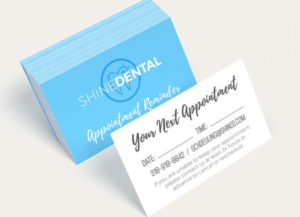
Even a well-designed program can disappear into the background if nobody sees it. The strongest promotion points are usually ordinary ones: checkout, a service desk, a receipt, or a take-home piece.
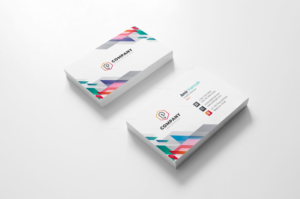
A boutique or salon that already hands out contact cards can use printed business cards with a QR code on the reverse. Retail business card printing works here because the format is already part of the customer experience.
If the reward needs a little more explanation, rack card printing gives enough space for the offer, basic terms, and one clear sign-up route.
Folded card printing may fit a spa that already provides a service menu. Comp card printing is much more specialized, but it can make sense for photographers, stylists, performers, or talent businesses that already use comp-style pieces.
Whatever the format, the next step should be obvious.
How To Track The Success Of Your Loyalty Card Program?
A growing member list looks encouraging, but one question matters more. Are those members coming back profitably?
Watch Repeat Purchases And Redemptions
Measure how many enrolled customers return within the normal buying cycle. Then look at how many earned rewards are actually redeemed.
Very low redemption can mean the reward is weak, the threshold is too high, or customers have forgotten the program.
Define An Active Member
Thirty days may be a useful window for a café. Ninety days may suit a salon. The definition should follow normal buying behavior.
A digital rewards card is most useful when reports reflect that real cycle instead of an arbitrary calendar.
Include The Cost Of The Program
Compare member spending with reward cost, software fees, and supporting print. If the first version caused confusion, the next round of loyalty card printing can improve the wording or QR placement instead of simply repeating the same design.
Common Mistakes That Make Good Programs Easy To Ignore
Most weak programs are not ruined by one dramatic mistake. They fade because of small frictions. The reward takes too long to earn. Staff stops mentioning it. The QR code opens the homepage. Customers cannot tell how close they are to a benefit.
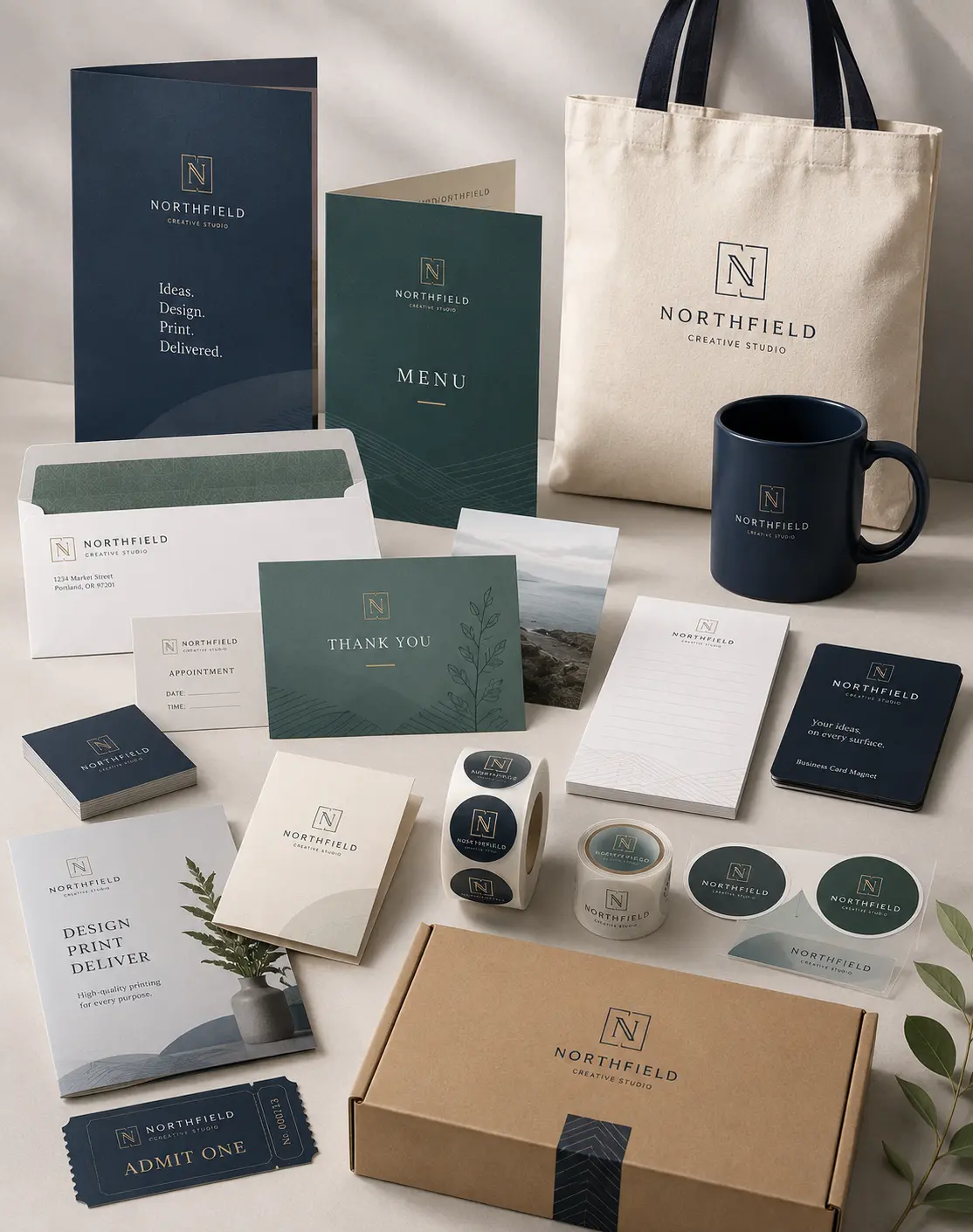
Retail business card printing makes sense when a contact card is already being handed out. Folded card printing belongs where customers already receive a menu or service guide. Comp card printing should stay with industries that naturally use that format. Rack card printing is useful when customers genuinely need more room to understand the offer.
Those are supporting choices, not the strategy. A customer loyalty program should stay focused on the return visit. The same is true of loyalty card solutions in general: every feature or printed piece should make joining, earning, or redeeming easier.
Frequently Asked Questions
What Is The Easiest Loyalty Program For A Small Business?
A visit-based program is often easiest when purchase values are similar. When order totals vary widely, a spend-based system may be more appropriate.
Do Customers Need An App To Use A Digital Loyalty Card?
No. Programs can also work through mobile wallets, browser links, text-based accounts, or POS profiles.
What Should A Loyalty Card Include?
Keep the message short. Show what counts, what the customer earns, and how to join or check progress.
Can Printed And Digital Rewards Work Together?
Yes. Loyalty cards for small businesses can make the offer visible at checkout while the digital system records progress and redemption. Each format has a clear job.
How Often Should A Business Review The Program?
Review it after customers have had enough time to complete a normal buying cycle. Look at repeat purchases, redemption, active members, average order value, and reward cost.
Build A Program People Remember
Well-designed loyalty cards do not need a long explanation. Give customers one worthwhile reward, one clear earning rule, and one easy way to join. Then use real buying behavior to decide what stays and what changes.
When the structure is ready, Laguna Digital can help create professionally printed touchpoints that make the program easier to notice without getting in the way of the digital experience.