



Best Practices Companies Manage Construction Revisions with Print Sets

Design changes are part of almost every build. A wall shifts, a utility route changes, an engineer clarifies a detail, or an owner approves a finish that affects several trades. The challenge is not the change itself. The real risk is letting the wrong version reach the field. That is where construction printing still matters.
Clear sets, clean revision marks, and dependable distribution help crews work from the same information, even when the project is moving fast.
Why Revision Control Matters on Active Job Sites?
Field Teams Need One Current Set
Crews make daily decisions from the sheets in front of them. When a superintendent has a clearly dated set, it reduces guesswork and keeps framing, electrical, plumbing, and finish work aligned with the latest direction.
Older Sheets Create Expensive Confusion
One missed page can lead to rework, material waste, and schedule pressure. Strong construction document control helps remove outdated sheets before they travel across the trailer, the truck, or the job site.
Revision Marks Save Time
Clouds, deltas, dates, and clear issue notes tell teams what changed without forcing them to reread the whole package. Good construction drawings make updates easier to review during morning coordination.
Print Sets Support Better Meetings
Printed sets are still useful in owner meetings, foreman reviews, and trade walks. Construction print sets give everyone a shared reference point when a change needs fast agreement.
Clean Records Protect the Project
A well managed set becomes part of the project history. It shows when information was issued, who received it, and which version guided field work at each stage.
How Print Sets Keep Revisions Organized?
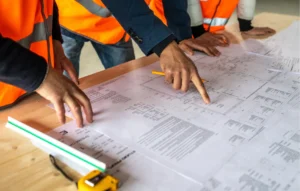
Sheet Numbers Must Stay Consistent
Consistent numbering helps teams compare old and new pages quickly. When sheet order stays predictable, construction plans printing becomes easier to manage across architecture, civil, structural, and MEP files.
Dates Create a Clear Trail
Every issued sheet should carry the correct revision date. That simple detail helps project managers, estimators, and trade partners confirm whether they are reviewing the latest package or an older issue.
Replacement Pages Reduce Waste
Not every update requires a full reprint. Many contractors replace only the changed sheets, then update the index. This keeps costs under control while still protecting accuracy.
Color Helps Critical Changes Stand Out
Color sheets can make revision clouds, fire ratings, phasing areas, and utility paths easier to see. Many teams use blueprint printing services for construction when key changes must be clear on large format sheets.
Distribution Lists Keep Teams Accountable
A set is only useful when the right people receive it. Construction print services help track who needs revised pages, how many copies are needed, and where each package should go.
The Office to Field Workflow Behind Every Updated Set

Design Teams Issue the Change
Revisions often begin with an architect, engineer, or consultant. Once the update is approved, the package should move through a controlled path instead of being forwarded casually through several inboxes.
Project Managers Review the Impact
Before issuing new sheets, managers compare the change against schedule, cost, procurement, and trade scope. This links document updates directly to construction project management.
Print Teams Prepare the Package
A reliable print partner checks file order, page size, binding needs, and sheet quality before release. This is where construction printing helps turn digital changes into usable field material.
Supers Remove Old Pages
The superintendent should pull outdated pages from site binders and replace them with the current set. Good construction document control depends on removing confusion, not just adding new paper.
Trades Confirm Receipt
Subcontractors need a simple way to confirm they received updated sheets. That confirmation supports coordination and gives the office a record if a future dispute involves missed information.
Practical Habits That Reduce Revision Mistakes
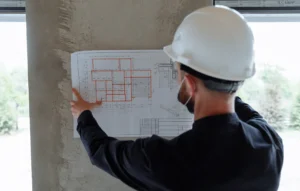
Use a Clear Issue Log
An issue log gives the team one place to check dates, revision numbers, affected sheets, and recipients. It also makes construction project management more reliable during fast moving phases.
Separate Permit and Field Sets
Permit drawings, pricing drawings, and field drawings should not be mixed in one pile. Clear labels help teams know which package is approved for review, pricing, or actual installation.
Mark Superseded Pages Clearly
Old pages should be stamped, removed, or archived so they cannot be mistaken for the current set. This habit is simple, but it prevents many avoidable field problems.
Keep Large Format Quality High
Fine details matter on site. Light line weights, reduced scale sheets, or poor scans can hide notes and dimensions. Clean output protects readability across large format construction drawings.
Match Print Sets to Project Size
A small tenant improvement may need a few bound copies. A larger commercial build may need several trade packages, indexes, and delivery drops. Construction print sets should match the way the team actually works.
Common Revision Problems and Simple Fixes
Missing Pages in Updated Packages
Missing sheets usually happen when files are named poorly or sent in separate batches. One combined index and a careful preprint check can prevent gaps before the package reaches the field.
Mixed File Sizes
Projects often include different page sizes, especially when consultants issue separate files. A print provider can help standardize output so construction plans printing is easier to handle in binders and plan rooms.
Late Changes Before Installation
Late changes are stressful, but they are common. Fast turnaround and clear labeling help crews stop work on the affected area and restart with the right information.
Unclear Responsibility for Copies
Someone should own the process. Without a clear owner, revised sheets may reach one trade but not another. Construction print management services can support that role when internal staff are overloaded.
Weak Closeout Records
Final records should reflect the approved changes made during the job. Reliable archives help owners, facility teams, and future contractors understand what was actually built.
Common Asking Questions
Why are printed sets still used when digital plans exist?
Digital tools are valuable, but printed sets remain practical in trailers, meetings, inspections, and field walks. Many teams use both because paper is easy to mark, share, and review without a screen.
How often should revised drawings be printed?
They should be printed whenever the change affects field work, pricing, inspection, or coordination. Minor notes may stay digital, but work changing updates usually need a controlled printed issue.
What should be included in a revision package?
A strong package includes revised sheets, an updated index, issue date, revision notes, and clear labels. The goal is to make the change easy to find and hard to misunderstand.
Who should manage drawing revisions?
Usually the project manager, document controller, or superintendent manages the process. The best setup depends on project size, team structure, and how many trades need updated information.
How can contractors avoid working from old plans?
Use dated sets, remove superseded pages, keep an issue log, and confirm delivery to each trade. A simple routine is often more effective than relying on memory or scattered emails.
Bottom Lines
Revisions are not a sign of poor planning. They are a normal part of construction. What separates organized projects from messy ones is how quickly and clearly those revisions reach the people doing the work.
Strong processes, readable prints, accurate logs, and dependable blueprint printing services for construction all help protect time, budget, and trust. When your next project needs updated sets prepared with care, get a quote from a print team that understands how construction deadlines work.