



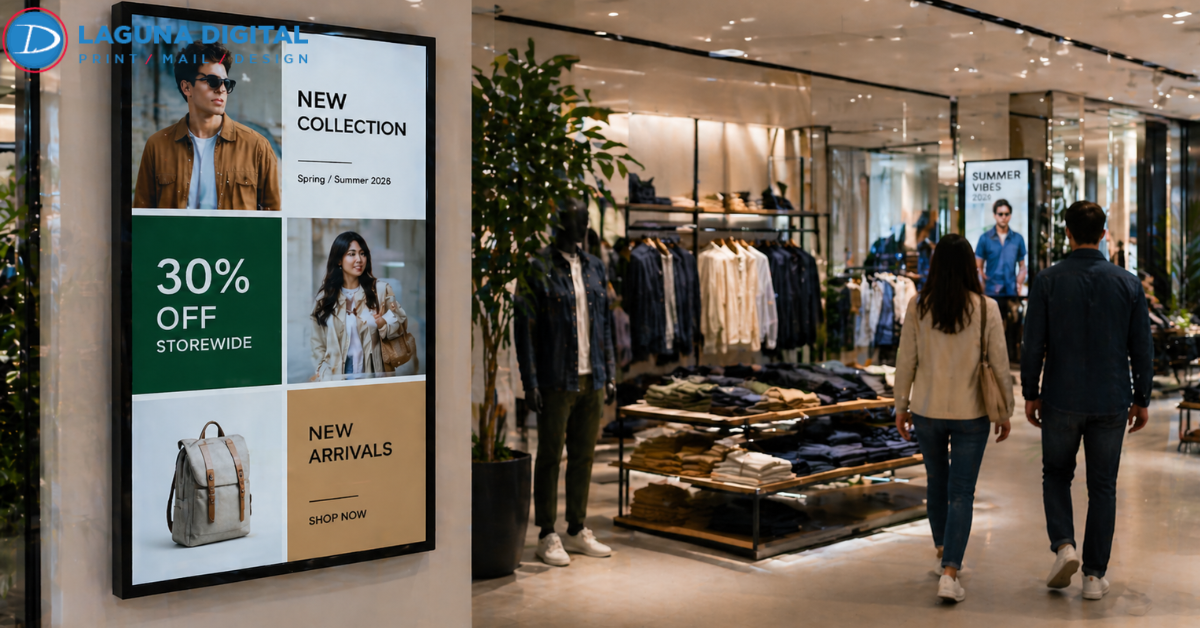
Walking into a retail store today feels completely different than just several years ago; colorful banners, interactive displays, and product showcases now welcome shoppers at every corner. Smart signage in retail helps customers enjoy engaging, personalized shopping experiences while increasing sales and improving customer satisfaction.
It also serves as a crucial tool for retail digital signage, helping stores capture attention, increase revenue growth, and boost customer service satisfaction levels.Therefore, it is an essential tool for stores looking to capture attention, increase revenue growth, and improve customer satisfaction.
The Rise of Retail Digital Signage
Enhance Visual Appeal
Retail digital signage adds a sleek and modern aesthetic to any store, drawing customers’ eyes towards products or highlighting new arrivals. These eye-catching visuals guide shoppers directly to desired items in the store, improving product visibility as well as overall store aesthetics.
Real-Time Content Updates
With digital signage for stores, retailers can instantly update promotions, messages, and advertisements in real-time to remain competitive in today’s ever-evolving retail landscape. Businesses can adapt quickly to market shifts or flash sales without relying on static printed posters, keeping content fresh and relevant for shoppers at all times.
Data-Driven Displays
Data-driven displays integrate analytics to measure customer engagement, store traffic, and customer preferences. By understanding how shoppers interact with signage, retailers can optimize content placement, refine messaging, and develop more targeted marketing campaigns which reach the right audiences at the appropriate times.
Cost-Effective Marketing
While investing initially in signage for business may require upfront capital, over time this form of promotion becomes cost-effective by cutting printing costs and staff hours spent changing traditional signs. Digital marketing becomes more sustainable over the long term, helping companies deliver professional messaging while saving money.
Consistent Brand Messaging
Digital signage helps retailers ensure a cohesive brand image across multiple outlets by centrally managing content, colors, logos, and promotional messages. Smart signage in retail also reinforces customer trust by keeping branding consistent across locations. Digital signs highlight in-store promotions to build loyalty and strengthen brand recognition.
Personalization in Retail Stores
Customer Recognition
Smart signage in retail enhances customer recognition by honoring repeat visitors or loyalty program members. Personalized greetings or tailored messages make customers feel valued and welcomed, encouraging repeat visits and strengthening bonds between shoppers and the brand.
Targeted Promotions
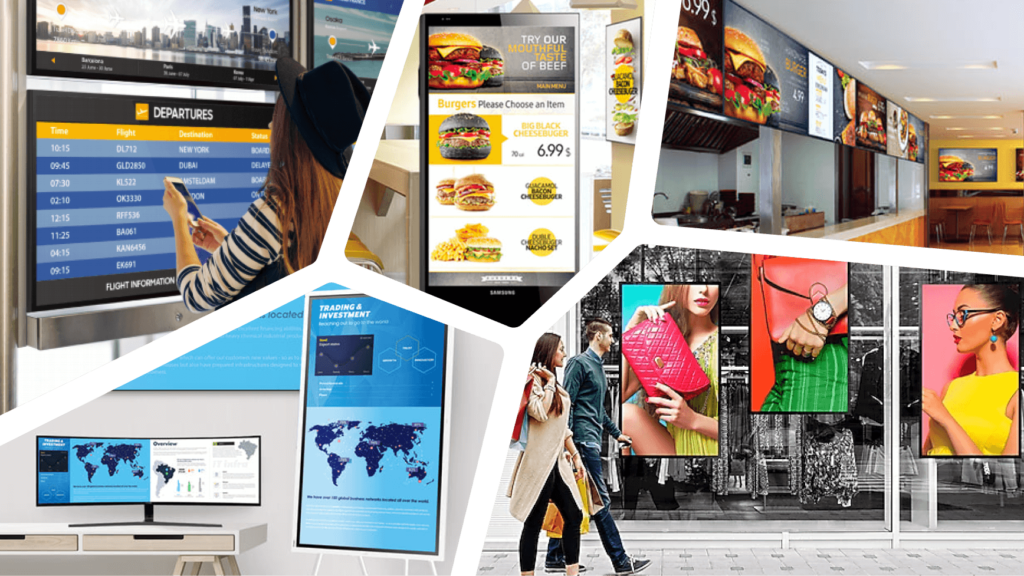
Digital signage allows stores to customize content based on age, gender, or shopping behavior of individual shoppers. Tailored promotions highlight relevant offers or products for each visitor, increasing conversion chances while creating a more enjoyable and engaging shopping journey.
Interactive Interfaces
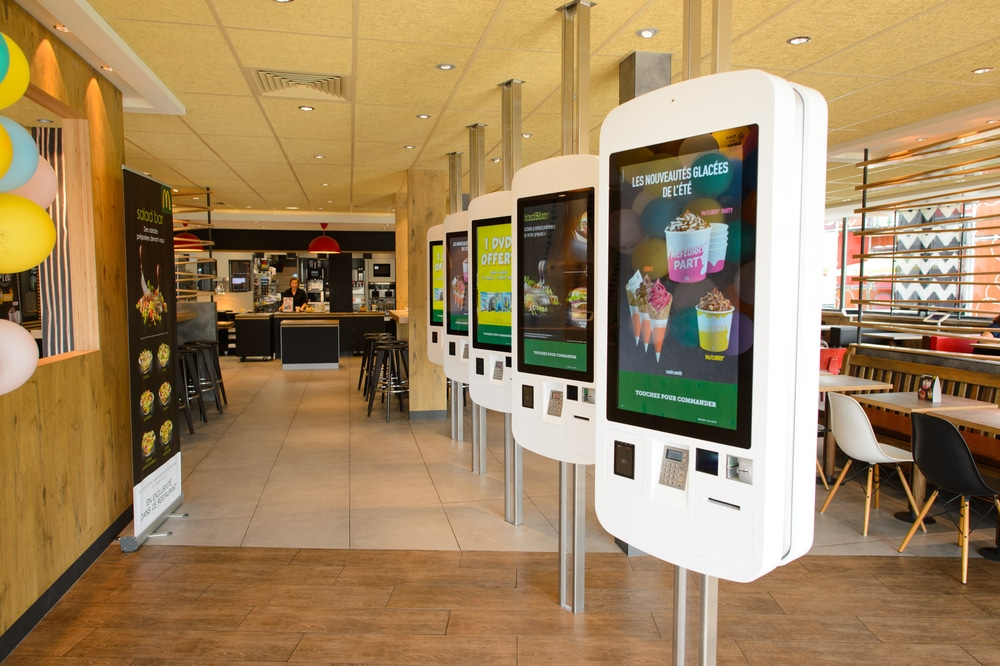
Touchscreen displays allow customers to explore products, check inventory, or learn features interactively. This transforms shopping from a routine task into an educational and enjoyable experience, encouraging shoppers to spend more time exploring the store.
Seasonal and Trend Adaptation
Digital signage for stores allows retailers to easily switch content to highlight seasonal products, trending items, or limited-time promotions. This keeps marketing relevant while simultaneously engaging customers and improving overall in-store experience.
Enhance Customer Journey
Utilizing apps, loyalty programs, or digital payment solutions ensures a positive customer journey. Interactive displays guide visitors efficiently through the store, suggest products they may like, and provide additional information, helping customers feel informed and supported every step of the way.
Drive Sales Through Engagement
Visual Storytelling: Retail digital displays enable retailers to tell compelling stories rather than simply presenting products. Retail digital signage combines imagery, video, and text to create brand narratives, engaging customers and creating emotional connections that encourage purchases.
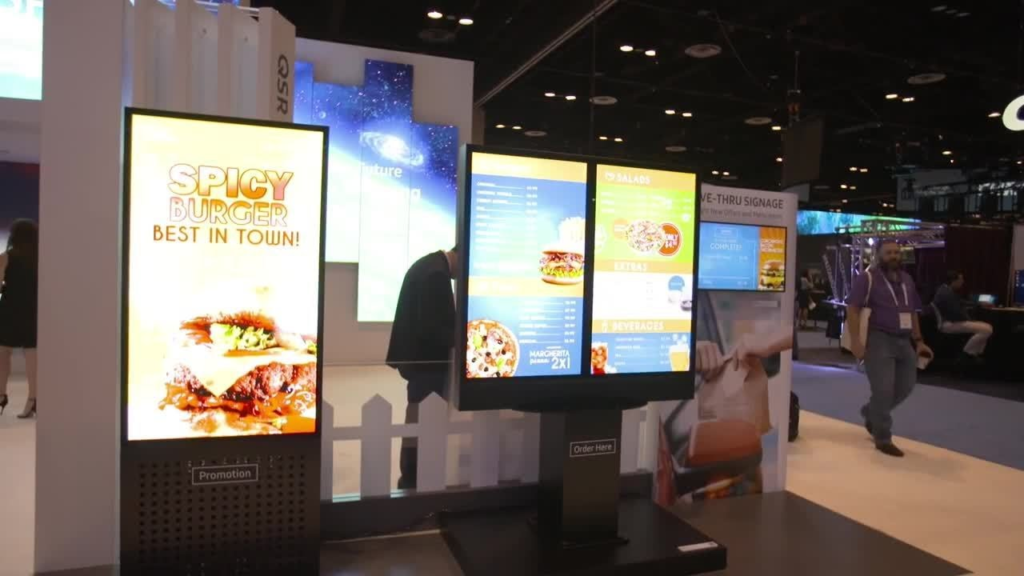
Highlight Promotions: Dynamic displays make special offers, limited-time deals, and discounts more visible, capturing customer attention immediately. Digital signage for stores ensures promotions stand out and convert browsing customers into buyers more effectively than static signs.
Cross-Selling Opportunities: Smart signage can suggest complementary or related items during a customer’s journey. This encourages additional purchases, increases average order value, and creates a more profitable and seamless shopping experience.
Queue Management: Displays provide engaging content while customers wait, reducing perceived wait times. Tips, promotions, and product highlights keep shoppers focused on the brand, turning waiting periods into opportunities to enhance satisfaction and loyalty.
In-Store Navigation: Interactive signage guides customers around the store efficiently, helping them locate products quickly. Wayfinding content improves convenience, reduces frustration, and ensures visitors can easily access promotions or featured items, boosting engagement and sales.
Technology Driving Smart Signage
Cloud-Based Management
Retailers using cloud-powered signage can remotely control content across multiple stores. Updates, promotions, and messaging changes can be implemented within minutes, saving staff time, reducing errors, and maintaining consistency across all locations.
AI and Machine Learning
Sophisticated signage utilizes artificial intelligence (AI) and machine learning (ML) technologies to forecast customer interests and customize content appropriately. By analyzing visitor behavior such as preferences and traffic patterns, stores can optimize displays to show items more likely to engage and convert customers.
Integration With Sensors
Modern signage systems can use environmental or motion sensors to adapt brightness, content, or animations based on store activity and customer footfall. This creates immersive experiences that cater specifically to real-time movements and in-store traffic.
Future Trends in Retail Signage
AR and VR Integration: Emerging signage technologies incorporate augmented or virtual reality to offer immersive experiences. Customers can virtually try products before buying, creating memorable interactions that lead to higher purchase rates.
Sustainability Focus: Energy-efficient and low-power signage systems have become standard. By investing in sustainable solutions, stores can minimize environmental impact while delivering visually compelling experiences for eco-conscious shoppers.
Voice Recognition Technology: Voice recognition enables hands-free interaction with smart displays. Shoppers can ask questions, browse products, or access promotions without touching the screen, improving accessibility and convenience.
Social Media Integration: Live social media feeds on displays create a sense of community and real-time engagement. Customers see posts, reviews, and brand updates, boosting social proof and encouraging interaction both in-store and online.
Predictive Analytics: Modern signage systems now incorporate predictive analytics. By anticipating customer preferences and shopping patterns, retailers can display the right content at the right time, increasing engagement, satisfaction, and sales.
Frequently Ask Questions
What is retail digital signage?
Digital displays used in stores to showcase products, promotions, or brand messaging dynamically and interactively.
How does smart signage improve customer experience?
It provides engaging, interactive, and personalized content, making shopping more enjoyable and informative.
Can digital signage for stores increase sales?
Yes; it attracts attention, highlights promotions, encourages additional purchases, and guides shoppers effectively.
Does signage for retail stores cost too much?
Initial investment may be higher than traditional signs, but digital signage reduces printing costs while improving marketing effectiveness over time.
Which technologies are employed in smart signage in retail settings?
Displays typically use HD screens, AI, cloud management systems, interactive touch or motion features, and AR/VR in some instances.
Wrapping It Up
Smart signage in retail is revolutionizing customer experiences, from personalized greetings to dynamic marketing. The use of these systems creates enjoyable store visits, with Laguna Digital helping businesses implement effective signage solutions that increase engagement, streamline operations, and boost sales, giving retailers an edge while improving customer satisfaction.