

A valuable painting should not have to carry every job on its own. The original may belong in a private home, a family archive, a gallery wall, or a safe storage area, but people still want to enjoy the image in more places. That is where a careful print process matters.
A strong reproduction is not made by taking a quick photo and sending it to a printer. The studio has to study the surface, control the light, check the colors, choose the right material, and prepare the file with patience. Small choices change the final result.
A warm shadow can turn dull. A face can look too red. A dark background can lose detail. A good studio notices these things before the final piece is produced.
Why Studio Process Matters for Oil Painting Reproduction?
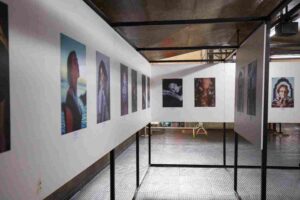
Original Gets Reviewed First
Before capture starts, the painting should be checked for loose paint, cracked varnish, weak canvas, or heavy texture. This first look helps the studio decide how to handle the piece safely. It also tells the client what can be copied clearly and what may need extra attention.
Capture Plan Around The Painting
Fine art scanning works best when the surface is flat enough and safe to place in the capture area. Large, framed, glossy, or heavily textured pieces may need controlled photography instead. The right choice protects the original and gives the file enough detail for clean painting prints.
Print Should Feel Believable
The aim is not to make a harsh copy. The print should keep the feeling of the painted surface, the softer edges, the depth in darker areas, and the small color changes that give the artwork its mood. When those details survive, the result feels respectful.
Color Accuracy And File Preparation
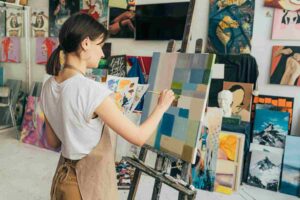
Light Control Avoid Guesswork
Oil paint changes under different lighting. A cream wall can look yellow, and a blue shadow can turn gray. Studios use steady lighting and color checks to reduce guesswork. This is where digital art reproduction becomes more than file handling. It becomes visual judgment.
Proofs Catch Small Problems
When the first output comes back from your digital printers, make sure to compare it with the source. That is where you can find contrast problems, shadows blocked, highlights blown out or colours flat (especially reds). High quality digital printers will describe what has been done in easy to understand terms.
Archived Files Support Orders
Once the master file is corrected, it should be saved with clear naming, size notes, and material details. This helps artists reorder editions, families request extra copies, and designers match a previous job without starting again from the beginning.
Choosing The Right Print Surface
Cotton Paper Creates Quiet Finish: Cotton paper suits portraits, still life paintings, soft landscapes, and pieces with subtle tonal work. It gives giclee prints a calm gallery style appearance. The surface should support the image without making the print look too shiny or too flat.
Canvas Adds Warmth And Texture: Canvas printing is a strong choice when the client wants a traditional display look. It does not recreate raised oil paint, but the weave gives warmth and depth. Border style, wrap choice, and stretcher depth should be decided before the image is printed.
Finish Choices Affect Daily Viewing: Fine art printing is also about how the piece will live in the room. A matte surface can reduce glare in bright spaces, while a light sheen can bring out rich color. The best finish supports the painting rather than calling attention to itself.
Practical Uses For Artists Collectors And Designers
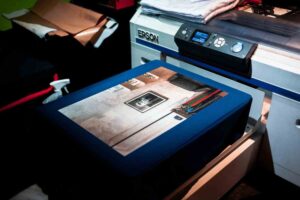
Artists Offer Reliable Editions
Fine art prints allow artists to sell the image at different price levels while keeping the original for a show, private collection, or premium buyer. Clear edition records, consistent material choices, and careful proofing make each print feel professional.
Families Share Heirloom Pieces
A single inherited painting can matter to several relatives. Art reproducing allows the image to be shared without shipping the original from house to house. For faces, uniforms, old interiors, and family landscapes, gentle color work keeps painting prints from looking harsh.
Designers Match With Real Space
Artwork printing gives designers control over size, surface, and border style for offices, hotels, homes, and staged properties. A good print studio can help match the look to the room instead of forcing every image into the same finish.
Mistakes That Hurt The Final Print
Phone Photos Create Hidden Problems
A phone image might appear quite acceptable on screen but can reflect glare, lens distortion, uneven lighting, and have poor detail in black areas. When scanning, or setting the camera in controlled conditions, it is possible to give the file a much cleaner starting point and less chance of correction issues later on.
Cheap Media Changes The Mood
Low grade surfaces can make deep colors look weak and soft transitions look dirty. Canvas printing and paper output should be selected by the artwork, not only by price. Giclee prints need the right media to hold smooth color and fine detail.
Skipping Proof Review Adds Risk
Final size output should not be a surprise. Fine art printing needs proof review because oil paintings often have sensitive color shifts. Reliable digital printing services use this step to catch issues before time, material, and money are wasted.
Frequently Asked Questions
Is A Printed Copy The Same As The Original Painting?
No. A print can look beautiful and accurate, but it does not contain the same paint layers, age, varnish, or raised texture. The original remains one of a kind. The print simply lets the image be enjoyed in more places.
Which Surface Looks Better For Traditional Paintings?
It depends on the image and the room. Paper often feels refined for portraits and detailed work. Canvas can suit landscapes, florals, and decorative pieces. The best answer usually comes from viewing samples beside the original.
Can Older Or Fragile Artwork Be Reproduced?
Often, yes, but the piece should be inspected first. If the paint is loose, the canvas is weak, or the frame is unstable, a conservator may be needed before capture. A careful studio should never press or clean a fragile painting without the right training.
Are Prints Useful For Selling Artist Editions?
Yes. Prints can help an artist reach more buyers while protecting the original. Good edition practice includes consistent sizing, surface notes, signing details, and a record of how many copies were produced.
How Should A Finished Print Be Displayed?
Avoid direct sun, bathrooms, damp walls, heat registers, and rough treatment. Quality framing, stable room environments and basic maintenance will help the color and finish remain vibrant for years to come.
Final Thoughts
The highest fidelity reproduction offers you protection for the original, and frees the image to operate in everyday life. That makes a work readily available as an edition, family to have affordable heirlooms, and available as a real space as a sophisticated offering for designers.
Laguna Digital approaches oil painting reproduction with careful handling, accurate capture, proof review, and material guidance. Whether the project involves digital art reproduction, artwork printing, or a display ready piece for a home or office, the goal is simple. The print should feel natural, specific to the artwork, and worth hanging.