




Businesses in 2026 are operating in a fast-moving digital environment where efficiency, security, and accessibility are more important than ever before. Traditional paper-based record management can slow down processes, create storage challenges, and increase the risk of lost or damaged documents. As organizations grow, managing thousands of physical files becomes not only difficult but also expensive. This is why many companies are moving toward digital solutions that simplify document management and improve operational performance.
One of the most effective ways to achieve this transformation is through Document Scanning. Converting paper records into digital files allows businesses to store, access, and manage important information with ease. Instead of searching through cabinets and storage rooms, employees can retrieve files instantly using digital systems. This shift not only saves time but also improves productivity and accuracy across departments.
The Shift Toward Paperless Work Environments
The modern workplace is steadily transitioning toward paperless operations. Companies are realizing that relying heavily on physical documents can slow down processes and create unnecessary administrative work. Digital records make it easier to manage large volumes of information without occupying physical space. Employees can focus more on productive tasks rather than spending time handling paperwork.
By implementing Document Scanning, organizations can transform old files into searchable digital records that are easy to store and share. This transition also helps reduce clutter and streamline office environments. A cleaner, more organized workspace often leads to improved efficiency and a more professional business atmosphere.
Improved Data Organization and Accessibility
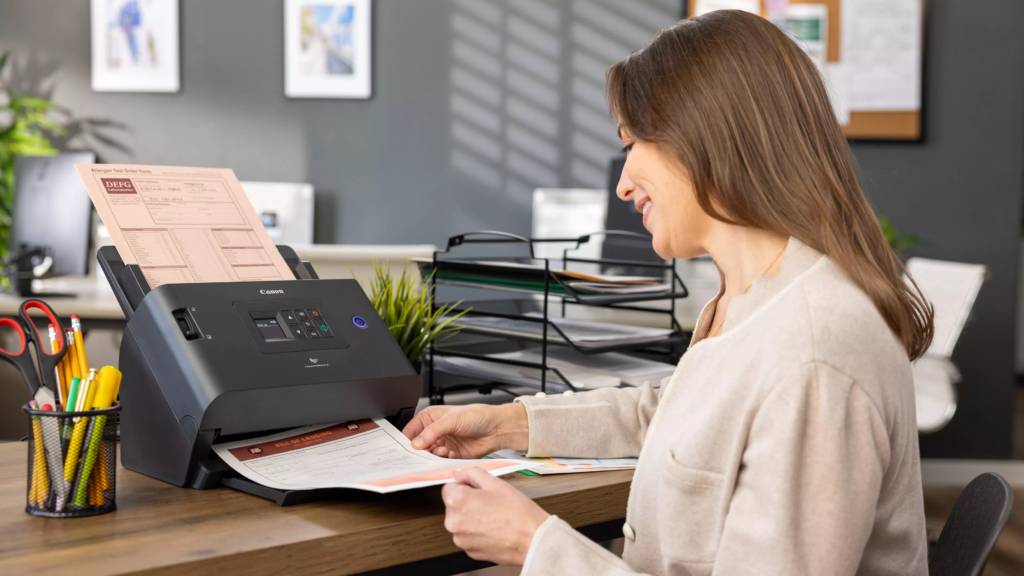
Managing physical documents often involves multiple filing systems, folders, and storage cabinets that can quickly become difficult to maintain. As businesses grow, finding a specific document among thousands of files can take significant time and effort. Digital systems eliminate this problem by allowing documents to be categorized, tagged, and searched instantly.
Digital document management systems provide advanced search features that allow employees to locate files within seconds. This level of organization improves workflow efficiency and reduces frustration caused by misplaced documents. When information is easily accessible, teams can complete tasks faster and make better-informed decisions.
Enhanced Security and Data Protection
Protecting sensitive information is a major concern for modern businesses. Physical documents can be lost, stolen, or damaged, which puts valuable company data at risk. Digital files provide a more secure alternative because they can be protected through passwords, encryption, and controlled access permissions.
With secure Document Scanning processes, organizations can convert important records into protected digital formats. Access to these files can be restricted to authorized personnel, ensuring that confidential information remains safe. This level of control significantly reduces the chances of unauthorized access or accidental data exposure.
Faster Document Retrieval and Workflow Efficiency
Time is one of the most valuable resources in any organization. When employees spend large amounts of time searching for files or manually handling paperwork, productivity suffers. Digital documents eliminate this issue by allowing instant retrieval of information from computers or cloud-based systems.
Instead of walking to storage rooms or sorting through paper files, staff members can simply search for the document they need. This immediate access speeds up decision-making and improves overall workflow efficiency. Faster document retrieval also enhances customer service, as employees can quickly provide the information clients need.
Cost Savings in Storage and Operations
Maintaining physical document storage can be expensive. Businesses often invest in filing cabinets, storage rooms, and even off-site facilities to keep important records safe. Over time, these costs increase as the volume of documents grows.
Key financial benefits of digital document management include:
- Reduced need for physical storage space
- Lower expenses related to paper and printing
- Decreased administrative labor for file management
- Reduced risk of costly document loss
By transitioning to digital systems, companies can allocate resources more effectively and invest in growth-oriented initiatives.
Environmental Benefits for Sustainable Businesses
Sustainability has become a priority for organizations that want to reduce their environmental impact. Heavy paper usage contributes to deforestation, waste production, and increased energy consumption during printing and transportation. Moving toward digital documentation helps reduce these environmental pressures.
When businesses digitize their records, they significantly decrease paper consumption. This change not only supports environmental responsibility but also enhances the company’s reputation as an eco-conscious organization. Sustainable practices are increasingly valued by both customers and partners.
Better Collaboration Across Teams
Modern businesses often operate across multiple departments, offices, and even countries. Sharing physical documents between locations can be slow and inefficient. Digital files allow teams to access and collaborate on information regardless of where they are located.
Digital document systems enable employees to view, edit, and share files quickly. This flexibility encourages better teamwork and smoother communication between departments. When everyone has immediate access to the same information, projects move forward more efficiently.
Disaster Recovery and Business Continuity
Unexpected events such as fires, floods, or accidents can destroy physical documents permanently. Losing critical records can disrupt operations and create serious financial and legal problems for businesses. Digital records provide a reliable backup that protects information from such disasters.
Digital copies can be stored in secure servers or cloud environments, ensuring that important data remains available even if physical documents are lost. This backup capability plays a vital role in maintaining business continuity and protecting valuable information.
Compliance With Digital Regulations
Many industries now require businesses to maintain secure and organized digital records for regulatory compliance. Proper record management ensures that companies can provide documentation quickly during audits or legal reviews. Digital systems simplify this process by maintaining accurate and searchable archives.
Organizations that implement Document Scanning can meet compliance requirements more effectively. Digital records reduce the risk of missing documentation and make it easier to demonstrate transparency and accountability when required by regulatory authorities.
Supporting Remote and Hybrid Work Models

The rise of remote and hybrid work has changed how businesses manage information. Employees working from different locations need reliable access to company documents without visiting the office. Digital records allow staff to retrieve files securely from anywhere with an internet connection.
This accessibility helps maintain productivity even when teams are distributed across different regions. Remote employees can review documents, collaborate with colleagues, and complete tasks without delays. Digital document management systems therefore play a crucial role in supporting modern work environments.
Future-Proofing Business Operations
Businesses that continue relying heavily on paper documents may struggle to keep up with the demands of modern digital workflows. Technology is evolving rapidly, and companies must adapt to remain competitive. Digitizing records prepares organizations for future innovations in data management and automation.
By integrating Document Scanning into their operations, businesses build a foundation for advanced technologies such as AI-driven document analysis and automated workflow systems. These capabilities help organizations remain agile and responsive in an increasingly digital marketplace.
FAQs
What is document scanning in business operations?
Document scanning is the process of converting physical paper files into digital formats that can be stored on computers or cloud systems. This allows businesses to manage and organize their records electronically. Digital files are easier to search, share, and store compared to traditional paper documents.
Why should businesses digitize their documents?
Digitizing documents helps companies improve efficiency and reduce the need for physical storage space. It also allows employees to access files quickly without searching through paper records. This process saves time, lowers operational costs, and improves workflow productivity.
Is digital document storage secure for businesses?
Yes, digital documents can be protected using advanced security features such as encryption, password protection, and restricted access permissions. These measures ensure that only authorized individuals can view or edit sensitive files. As a result, digital storage can be safer than traditional paper archives.
Can scanned documents be easily searched and organized?
Modern digital systems allow scanned documents to be categorized, tagged, and indexed for quick retrieval. Employees can simply type keywords into a search bar to find specific files within seconds. This level of organization significantly improves efficiency and reduces time spent searching for documents.
How does document scanning support remote or hybrid work?
Digital files can be accessed securely from any location using cloud-based systems or internal networks. This allows employees working remotely to review, share, and manage documents without being in the office. It ensures smooth collaboration and uninterrupted productivity across teams.
Conclusion
As businesses move deeper into the digital era, managing information efficiently has become a critical factor for success. Paper-based systems can slow down operations, increase costs, and expose organizations to risks related to document loss or security breaches. Digital document management offers a practical solution that improves accessibility, security, and operational efficiency.
Companies seeking reliable and professional digitization services can benefit greatly from working with experienced providers like Laguna Digital. Their expertise in delivering high-quality Document Scanning solutions helps organizations transform paper archives into secure, accessible digital records that support long-term business growth.