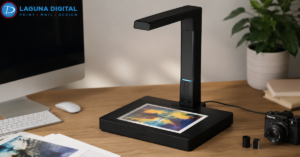



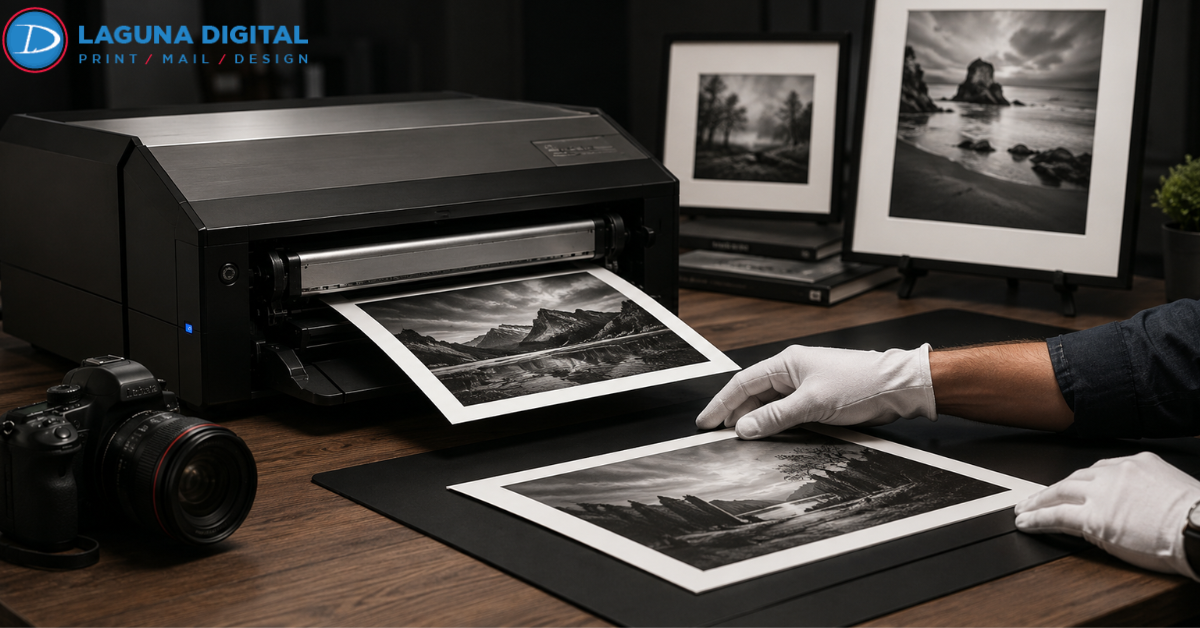
A great photograph deserves more than a quick digital copy. When a negative, transparency, print, or piece of artwork is scanned poorly, the final print usually suffers. Fine detail can disappear, color can shift, and the whole image may feel flat. This is why serious photographers often invest in high quality photo scanning services before sending their work to print.
For photographers who care about gallery quality, drum scanning is not just a technical upgrade. It is a way to protect the depth, mood, and craftsmanship of the original image.
Therefore, a better scan gives the printer more information to work with, which means cleaner detail, smoother tones, and a final print that feels much closer to the photographer’s original vision.
Better Detail For Serious Print Work
Original Texture Stays Visible
Premium prints depend on small visual details. Skin texture, fabric, clouds, water movement, shadows, and film grain all need to remain clear. A weak scan can smooth these details until the photo feels lifeless. A strong capture keeps the natural texture of the image intact, which helps the final print feel sharper, richer, and more believable.
Film Holds More Than Expected
Many film originals contain more information than basic scanners can capture. Highlights, shadows, and soft midtones often sit inside the negative or transparency waiting to be pulled out properly. Careful film scanning helps reveal those hidden details without making the image look forced, overly sharp, or digitally damaged.
Large Prints Reveal Every Weakness
A file that looks acceptable on a screen may fall apart when printed large. Soft edges, noise, color banding, and missing detail become much easier to see. High resolution scanning gives photographers stronger files for bigger print sizes, tighter crops, and professional presentation without making the final image look stretched or artificial.
Color Starts With The Scan
Color correction is only as good as the file behind it. If the scan starts with poor color information, every edit becomes harder. A quality scan gives editors a stable base for balancing skin tones, skies, shadows, and highlights. This is especially important for portraits, product photos, landscape work, and images meant for careful display.
Texture Makes Prints Feel Real
A premium print should feel alive, not flat. The texture of film, paper, paint, or photographic surface adds character and emotional value to the image. Fine art printing depends on this kind of detail because buyers and viewers often stand close enough to notice surface quality, tonal depth, and overall finish.
Why Photographers Choose Premium Scan Methods?
Richer Shadow And Highlight Range
Some photographs have bright highlights and deep shadows in the same frame. A basic scan may lose detail at both ends. Drum scan photography helps preserve more tonal range, giving photographers files that hold depth without muddy shadows or burned highlights. This makes the final print feel balanced and more natural.
Clean Enlargements For Studio Walls
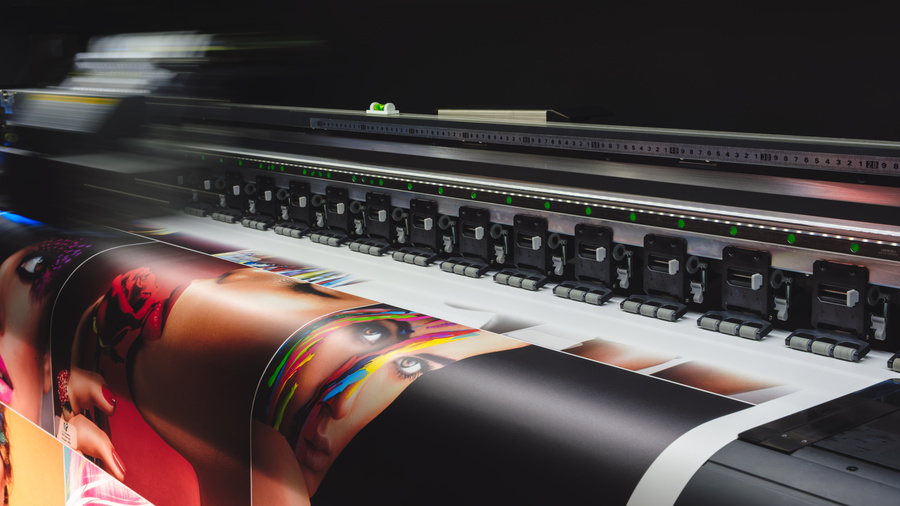
Gallery walls, studio displays, and exhibition prints need files that can handle size. Large prints expose every weakness in the capture stage. However, large format scanning services are useful when photographers need oversized output from film, prints, or artwork while keeping lines, texture, and color transitions clean.
Stronger Base For Editing
Retouching becomes easier when the scan already contains good information. Dust cleanup, contrast control, sharpening, and color work all respond better to a clean file. Digital image scanning helps photographers create a dependable master file that can be edited carefully without destroying the natural feel of the original.
Protect The Original
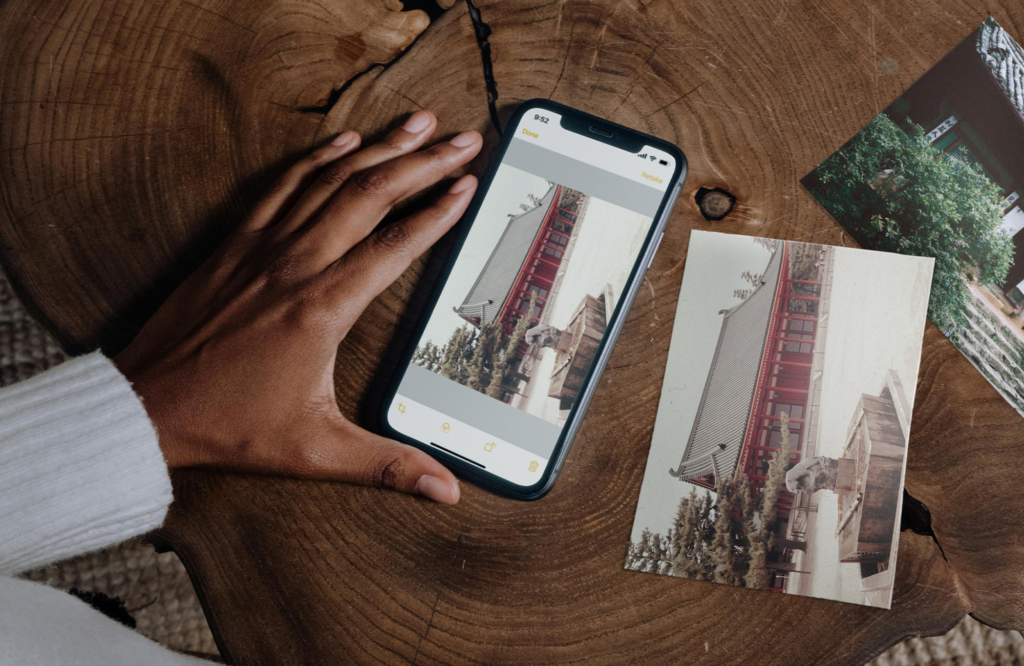
Film, slides, and older prints can be fragile. Every time they are handled, there is risk of scratches, dust, fingerprints, or fading. Reliable photo scanning services reduce repeated handling by creating a strong digital master. Once the file is prepared correctly, photographers can print, archive, and share the work more safely.
Improves Consistency
Consistency matters when photographers sell editions, prepare client orders, or build a professional portfolio. Drum scanning gives the print workflow a stronger starting point. When the scan is accurate, each proof and final print becomes easier to control, which helps reduce surprises during production.
Real Value For Print Quality And Archives
Print Size Needs Real Data
Large prints need more than simple enlargement. They need real image data captured from the original source. High resolution scanning helps preserve detail so the final output can hold up at bigger sizes. This is valuable for photographers who produce wall art, portfolio prints, commercial displays, and limited editions.
Color Proofing Becomes Easier
Proofing can be frustrating when the source file is weak. Printers may need several rounds to get the result close to the original image. Better files help photo printing services produce more accurate proofs, especially when color, contrast, and shadow detail are important to the photographer’s final presentation.
Archival Files Need Clean Capture
A proper archive should be useful for years, not just for one print order. Clean capture allows photographers to return to the same file for future exhibitions, client requests, licensing, and personal collections. It also reduces the need to repeatedly rescan older materials that may become more fragile over time.
Practical Reasons To Invest In A Better Scan
Better Scans Save Editing Time: Poor scans often create extra work. The editor may need to fix color casts, repair shadows, remove noise, rebuild contrast, and sharpen areas that should have been captured clearly in the first place. Digital image scanning gives photographers a cleaner starting point, which saves time and protects image quality.
Supports Premium Print Sales: Photographers who sell professional prints need files that support the price and presentation. Buyers expect clean detail, rich tone, and a polished finish. Fine art printing works best when the scan holds enough information to produce a print that feels intentional, refined, and worth displaying.
Gives More Control: A better scan gives photographers more control over the final image. Drum scan photography allows more accurate decisions during editing, proofing, and printing. Instead of fighting a weak file, the photographer can focus on tone, mood, color balance, and the creative choices that make the image personal.
Preserve Older Work: Many photographers have valuable work stored in boxes, sleeves, albums, or studio archives. These images may include early projects, family collections, client work, or film from past assignments. A strong scan helps preserve that history while making it easier to organize, print, and share the images again.
Improve Presentation: Presentation affects how people judge photographic work. A clean, detailed print feels more professional than one that looks soft or poorly reproduced. Strong scanning helps photographers show their work with confidence, whether the image is going into a gallery, studio portfolio, client package, or personal collection.
Frequently Ask Questions
Is A Premium Scan Worth It For Small Prints?
Yes, a premium scan can still improve small prints because it gives the printer better color, cleaner detail, and smoother tonal transitions. The difference becomes even more noticeable when the image has deep shadows, soft highlights, or important texture.
Can Old Negatives Still Produce Good Prints?
Many old negatives can produce excellent prints if they are handled carefully and scanned properly. The final result depends on the condition of the film, the quality of the original exposure, and the skill used during scanning and correction.
Do Digital Photographers Need This Type Of Service?
Digital photographers may not need it for new camera files, but it is useful when they work with film, old prints, transparencies, physical artwork, or archived material. It helps bring older or physical work into a modern print workflow.
What Makes A Scan Suitable For Gallery Prints?
A gallery ready scan should hold fine detail, accurate tone, clean color, and enough resolution for the intended print size. It should also allow careful proofing so the final print reflects the photographer’s creative direction.
Should Every Image Be Scanned At The Highest Setting?
Not every image needs the highest possible setting. The right scan depends on the original size, the final print size, the amount of detail in the image, and how the file will be used. Professional guidance can help avoid weak files and unnecessarily large files.
Wrapping It Up
Premium prints begin before the paper, ink, and finishing choices. They begin with the quality of the file. A careful scan protects the detail, color, mood, and structure of the original image, giving photographers more control over the final result.
For exhibitions, client orders, archives, or personal collections, better scanning can make the difference between an average reproduction and a print that feels truly finished. However, Laguna Digital understands that strong print work starts with a clean digital foundation and a thoughtful process from the first capture to the final piece.