


Postage can quietly eat into a marketing budget before a single customer responds. A postcard campaign may look simple on the surface, but behind every piece is a chain of choices that affect cost, timing, and delivery quality. The good news is that businesses do not need to guess their way through it. When the list is clean, the mailpiece is prepared correctly, and the drop is organized with care, every mailing becomes easier for the postal system to handle.
That is where smart sorting matters. It helps companies prepare campaigns in a way that supports smoother handling and better pricing. For local brands, retailers, service companies, nonprofits, and agencies, the right preparation can turn a normal campaign into a smarter investment.
Smarter Planning Before the Mail Enters the System
Clean Lists Reduce Waste
A mailing list should be checked before design or printing moves too far. Bad addresses create returns, delays, and wasted print spend. A clean list also protects response data because the campaign reaches real homes and businesses instead of dead records.
Proper Formats Protect Discounts
The size, weight, fold, tabs, barcode area, and address block all matter. A piece that looks attractive but fails postal rules may lose discounts. Good planning keeps creative ideas practical without making the mail harder to process.
Volume Changes the Price Path
Larger drops can open the door to better rates when the campaign meets USPS entry rules. This is one reason companies use bulk mail services for neighborhood promotions, seasonal offers, and customer retention pieces that need affordable reach.
Local Targeting Keeps Spend Focused
A strong campaign does not always need to cover a wide area. Carrier routes, ZIP Codes, and audience filters help keep the budget focused. This supports better postage savings because fewer pieces are wasted on people outside the ideal market.
Early Coordination Prevents Errors
Printers, list teams, and postal specialists should talk before production begins. When everyone works from the same data and schedule, mail preparation is cleaner. That simple step can prevent reprints, rushed fixes, and avoidable entry issues.
Cost Control Through Better Preparation

Presorting Supports Lower Rates
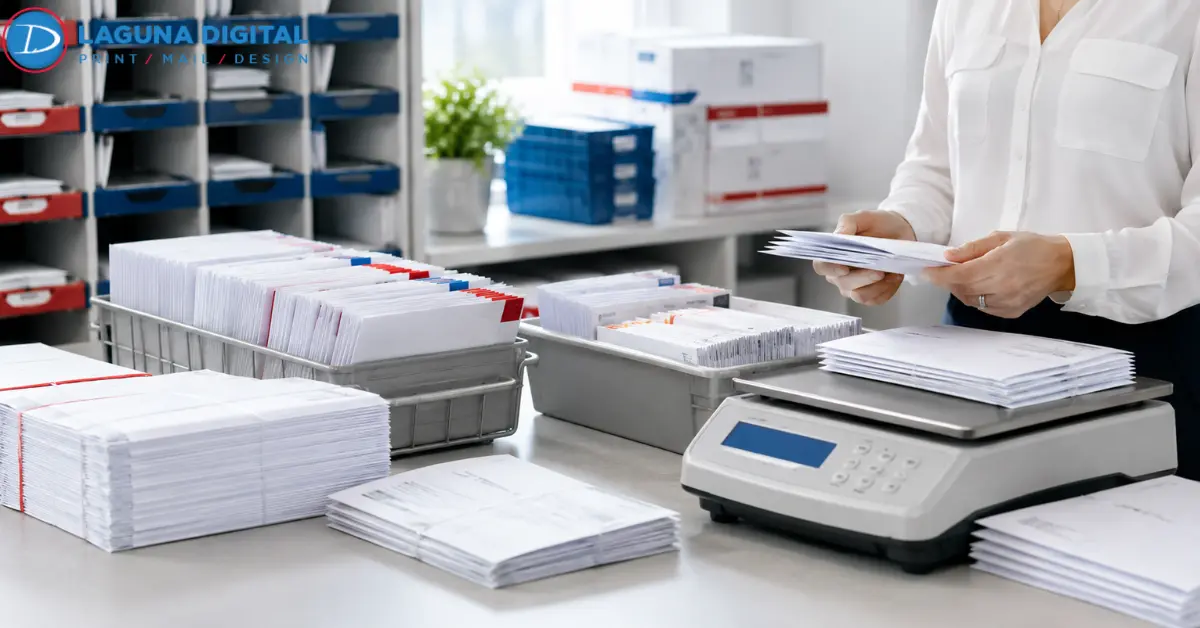
Presorting groups mail by destination before USPS receives it. This reduces the amount of handling needed inside the postal network. For companies sending regular campaigns, USPS mail sorting can make a meaningful difference over time.
Automation Starts With Accuracy
Automation prices are not earned by a barcode alone. Addresses must be matched, coded, and prepared correctly. This is where experienced mail processing helps a campaign move through equipment with fewer disruptions and cleaner acceptance.
Smarter Entry Improves Flow
Mail entered at the right facility with the right paperwork is easier to verify. Organized trays, labels, and statements reduce confusion at acceptance. Strong mailing services can support timing for sales, events, renewals, or appointment reminders.
Design Choices Affect Handling
Heavy stock, glossy finishes, odd folds, and unusual shapes can raise costs if they create handling problems. Practical design protects both brand quality and postal efficiency. It is better to adjust early than pay more after printing.
Experienced Support Saves Time
Many businesses do not have the software, permits, or staff to manage every postal detail. Professional mail sorting services help prepare campaigns correctly, especially when deadlines are tight and the mailing has thousands of pieces.
Campaign Decisions That Improve Return

Match Mail Class to Purpose
Not every campaign needs the fastest class. Promotions, menus, postcards, newsletters, and service reminders may have different timing needs. Matching the class to the goal keeps cost realistic without weakening the customer experience.
Use Data to Shape Quantity
A smaller list with stronger intent can outperform a larger untargeted drop. Direct mail marketing works best when the audience, offer, and geography are aligned. Cutting poor records before printing is often one of the easiest savings.
Keep Messages Simple and Clear
A mailpiece has only a few seconds to earn attention. Clear offers, readable contact details, and a strong reason to respond help protect the value of the spend. Better response can make lower postage feel even more valuable.
Plan Repeat Drops Wisely
One mailing can create awareness, but repeated touchpoints often build stronger recognition. A steady schedule also helps teams forecast print volume, postage, and staffing. Good planning gives direct mail services room to control cost.
Review Results After Delivery
Campaign reports should be reviewed after each drop. Look at response by ZIP Code, route, offer, and list source. This shows where money worked hardest and where future business mailing plans should be adjusted.
Practical Steps for Businesses

Start With Address Quality
Good addresses are the foundation of savings. Update records, remove duplicates, and check move data before production. This helps reduce waste and protects the chance of earning the prices tied to proper preparation.
Choose the Right Partner
A partner should understand printing, lists, permits, paperwork, and postal acceptance. Strong mailing services can guide the process from design review to final entry, which gives business owners fewer moving parts to manage.
Compare Local and Broad Drops
A broad campaign may build awareness, while a route based campaign can focus spend around a store, office, or service area. Compare both options before printing because the lowest piece count is not always the best value.
Prepare Files With Care
Small file mistakes can create big delays. Address placement, indicia, bleed, margins, and barcode space should be checked before proof approval. Careful setup keeps the production team from solving problems at the last minute.
Track Costs Beyond Postage
True campaign cost includes printing, list work, processing, delivery preparation, and staff time. Reviewing the full picture helps companies see where bulk mail services, better planning, and cleaner data can reduce overall expense.
Long Term Habits That Lower Mailing Waste

Keep Records Fresh
Customer files change faster than many companies expect. People move, businesses relocate, and old contacts stop responding. Reviewing records before each business mailing keeps waste lower and makes reporting more reliable.
Balance Reach With Intent
A large drop can look impressive, but reach only matters when the audience fits. Direct mail marketing should focus on people who can realistically respond. This keeps the campaign practical, measurable, and easier to improve.
Review Postal Rules Early
Postal rules can affect size, shape, addressing, and pricing. A quick review before design approval helps avoid expensive changes later. Teams that use direct mail services early usually have fewer surprises near the mailing date.
Keep Processing Consistent
Repeated campaigns should follow a clear checklist. Consistent mail processing helps teams avoid small mistakes that create delays, extra labor, or missed discounts. Over time, the savings can become easier to predict.
Use Expert Sorting Support
As mailing volume grows, details become harder to manage manually. Reliable mail sorting services help organize trays, routes, lists, and documents so the campaign is prepared with fewer risks and stronger cost control.
Frequently Asked Questions
How does sorting mail reduce postage costs?
Sorting mail before entry reduces the work USPS needs to perform. When a campaign meets the right preparation rules, it may qualify for lower commercial prices. The exact savings depend on mail class, quantity, shape, and preparation quality.
Does every business qualify for discounted mail prices?
Not automatically. A campaign must meet minimum volume, design, address, and preparation standards. Some companies handle this through an internal team, while others work with a qualified provider to prepare the mailing correctly.
Is a clean mailing list really that important?
Yes. A poor list wastes print money, raises return risk, and weakens campaign reporting. Clean data helps mail reach the right recipients and gives the business a clearer view of which areas and offers produced results.
Should small businesses use local route targeting?
Local route targeting can be useful for restaurants, salons, clinics, home service companies, retailers, and real estate offices. It keeps the message near the business area and helps avoid spending money on distant households.
What should I check before printing a campaign?
Check the list, mailpiece size, address area, permit details, paper choice, offer, and schedule. A quick postal review before printing can catch problems early and protect the budget from costly corrections.
Conclusion
Cutting postage costs is not about choosing the cheapest option and hoping the campaign still works. It is about making smart decisions before the mail is printed, prepared, and entered. Clean data, practical design, correct sorting, and careful timing all help protect your budget while improving delivery quality.
For any company that depends on customer outreach, better preparation can make each campaign more predictable and more profitable. When your next campaign needs to be planned with care, get a quote from a team that understands both print production and postage savings.