

Shipping is trickier on labels than most people assume; this is the caveat. Boxes will rub, trucks will overheat, ambient cold rooms reduce adhesion, and curved containers create tensile forces at the edges. Durability comes from good production choices, not chance.
The same applies to your label, whether it is for candles, personal care products, food products, or whatever else you manufacture. A proper combination of materials, printing technology, finish, and application process can ensure that your label looks brand-new at its destination.
Choose Label Materials That Stay Attached in Shipping
Match The Surface Before Stock: Different surfaces absorb adhesives differently; glass, cardboard, plastic, and coated bags all have varying reactions when brought into contact with an adhesive. This means that it is imperative to select the right labels after understanding the surface of the box packaging and not the finished artwork.
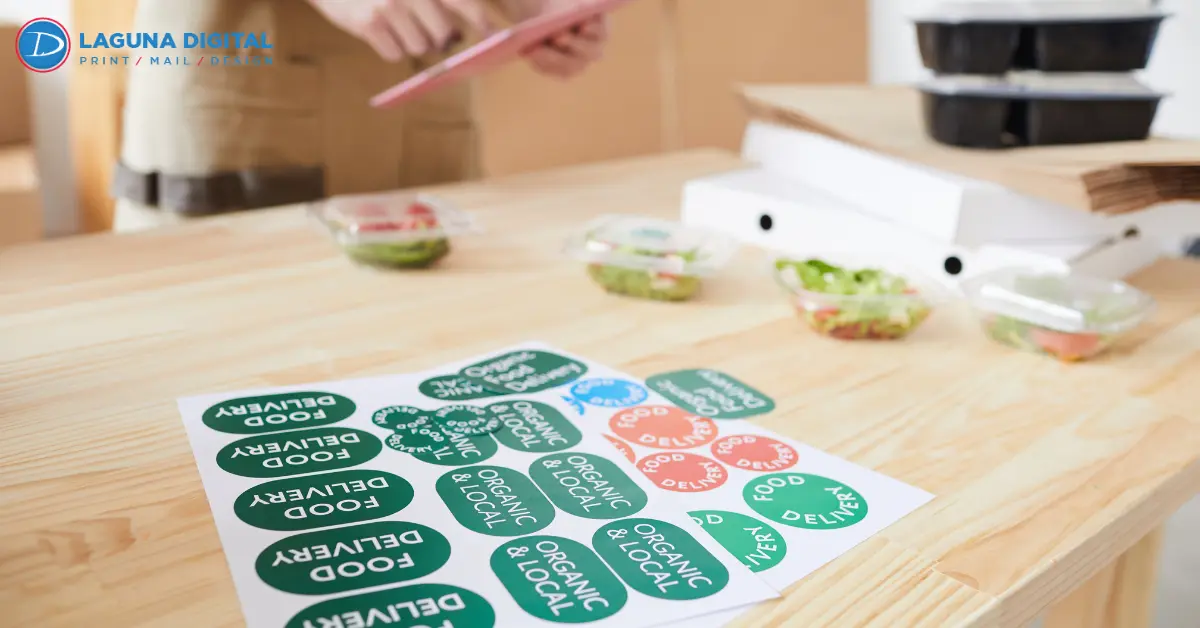
Use Film When Moisture Is Likely: Paper has a tendency to misbehave when exposed to moisture and may even discolor. However, film stock manages moisture well and is more likely to lie flat on bottles and containers carrying refrigerated products, thus making waterproof stickers an ideal choice for bath, food, and cosmetic shipments.
Keep Paper For Dry Cartons: Paper still has a place when the package is dry and handled gently. It prints well, feels natural, and works for indoor cartons. For basic packaging labels, coated paper with the right adhesive can be clean and cost effective.
Plan Around Curves And Seams: Curved containers put stress on the label edge. If the material is too stiff, corners start to lift after packing. Custom stickers should be tested on the real bottle or jar before ordering a full batch.
Pick Adhesive Strength For The Route: A local hand delivered order does not face the same trip as a box crossing several states. A strong adhesive sticker is useful when packages face heat, stacking, or rough handling during transit.
Use Print Methods That Keep Labels Clear After Handling And Moisture

Digital Printing For Flexible Runs
Digital work is useful for short runs, seasonal designs, and fast reorder needs. Good sticker printing services also check bleed, trim space, and color density so the final label does not look soft or crowded.
UV Printing For Tougher Color
UV cured ink forms a harder surface than many basic print options. It is helpful for product labels that customers touch often. On film stock, it can keep color sharp through packing, handling, and shelf display.
Laser Printing For Readable Utility
Laser output is practical for barcodes, carton marks, and simple shipping labels. It keeps text clear when the correct label sheet is used. It is not always decorative, but it is dependable for warehouse and dispatch work.
Inkjet Printing With Added Protection
Inkjet can produce rich color, but bare ink may smear if moisture reaches it. A coating or laminate protects the surface. This matters for packaging labels placed on items that may be handled many times.
Thermal Transfer For Tracking Details
Thermal transfer printing is common for inventory, batch, and compliance needs. The ribbon creates clean marks that scan well. Many label printing services use it when accuracy matters more than a decorative finish.
Add Protective Finishes That Stop Scuffs, Smears, And Edge Lift
Lamination For Parcels That Rub
Lamination places a clear layer over the printed surface. It protects against scuffs from stacked cartons and repeated touch. A premium shipping label feels more polished when the finish matches the brand and shipping risk.
Varnish For Light Daily Handling
Varnish adds mild protection without much thickness. It works for indoor goods, retail boxes, and items that do not face heavy moisture. It gives the label a cleaner feel while keeping production practical.
Waterproof Coating For Damp Delivery
Rain, porch delivery, cold packs, and humid warehouses can damage weak print surfaces. Waterproof label printing helps protect the face of the label from smearing and fading before the customer receives it.
Matte Finish For Softer Branding
Matte finish reduces glare and gives packaging a calm retail look. It suits candles, skincare, specialty foods, and gift items. When paired with adhesive stickers, it can look refined without feeling fragile.
Gloss Finish For Brighter Designs
Gloss finish brings out color and shine. It suits bold brands, sale packaging, and bright retail visuals. For a durable packaging sticker, gloss works best when the printed surface is protected from rubbing.
Apply And Test Every Label Before It Leaves The Packing Table

Clean The Package First
Dust, oil, powder, and moisture weaken adhesion before shipping begins. Wipe surfaces when possible and let them dry. Even high quality adhesive labels can fail if they are applied over a dirty package.
Press Edges With Real Pressure
Pressure sensitive labels need firm contact across the full surface. Pressing only the center leaves weak edges. Shipping labels should be rubbed flat at the corners because that is where peeling often begins.
Let The Adhesive Settle
Labels need time to bond before the parcel enters a hot truck or cold warehouse. Packing immediately after application can raise peeling risk. A short settling period helps adhesive stickers perform more reliably.
Test The Final Package
Flat proofs are useful, but they do not show every problem. Apply samples to the real container, rub them, chill them, warm them, and check the edges. This is where custom stickers prove they are ready.
Review Failures Before Reordering
If a durable packaging sticker peels, do not only blame the press. Look at the surface, pressure, storage, finish, and adhesive choice. Experienced label printing services can usually trace the problem and recommend a better setup.
Frequently Ask Questions
Why do labels peel during shipping?
Labels may peel if their adhesive does not match up to their surface or when stored under dusty, damp, cold, or too warm conditions. Poor pressure during application also contributes to edge lift.
Are Watertight labels always the optimal option?
Waterproof labels may be good options when exposed to moisture; however, dry cartons might only need coated paper stickers for moisture exposure. Determining which would work best depends on factors like product, shipping route, surface of package, and how it will be handled during the shipping process.
Do Laminated Labels Prevent Peeling?
Lamination helps protect printed surfaces while not correcting incorrect adhesive choices or strengths; peeling depends on factors including surface prep, pressure, material selection, and adhesive strength; however, lamination serves primarily to cover up minor marks such as scuffs or moisture marks.
Which Labels Are Best Suited for Ecommerce Brands?
Ecommerce brands typically require labels that withstand stacking, rubbing, and weather changes. Film material with waterproof label printing may be best for bottles; for cartons, coated paper may provide the needed durability.
Should I Order Samples Before Printing?
Yes. Samples allow you to test real performance before investing in full runs of labels. A single test run could reveal whether premium shipping labels stay flat during handling, while scanning clearly and looking professional after repeated uses.
Conclusion
Labels that stay attached are built through material choice, printing method, finish, adhesive, and careful application. A strong adhesive sticker helps, but it must be paired with the right surface and real testing.
Trusted sticker printing services should guide those choices before production begins. If you want a polished result that survives shipping, Laguna Digital can help create labels that look professional from packing table to customer door.