

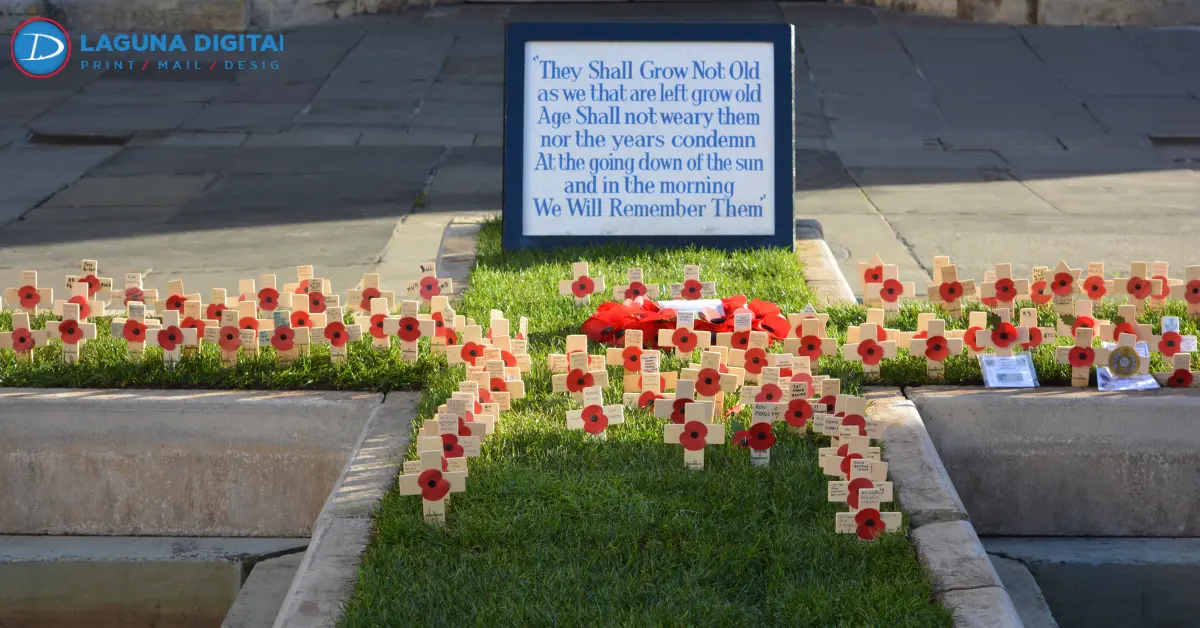
Weather works on every surface left outside. Rain, salt air, and sun hit the same panel, and the material decides whether a name still reads clearly in five years or fifty. Most buyers check the price first. The site should come first. Here is what lasts in American climates, what fails early, and how to order memorial signs that keep their lettering.
Start With the Site, Not the Price Tag
Where the tribute stands changes the answer more than anything else; a point banners, posters, and signs make for commercial work too.
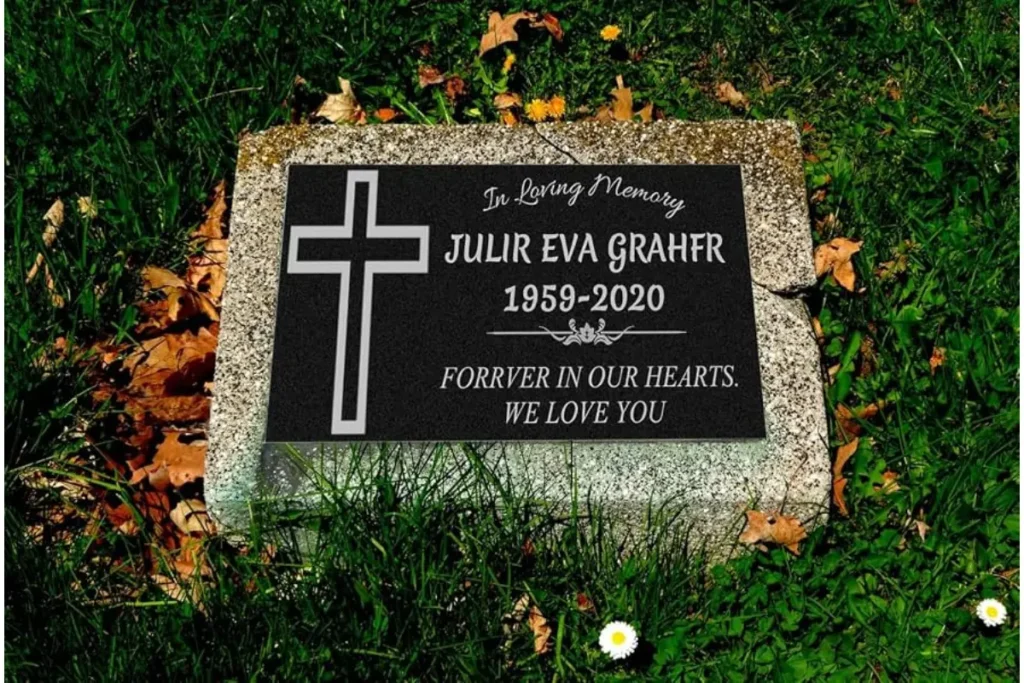
Cemetery lawn sections almost always call for flush, ground-level memorial markers, usually cast metal on a granite backer. Call the cemetery office first. Their rules cover size, thickness, and fixing.
Park benches and dedicated trees need small plates and tamper-resistant screws, since exposed metal in public places gets stolen. Home gardens allow more freedom, though sprinkler spray leaves hard water spots that dull soft finishes.
Coastal sites are the hardest. Along Pacific Coast Highway, salt air speeds rust on anything not marine grade, and the sun that draws people to the water fades pigment year-round. Settle location first, and lasting memorial signs get far easier to specify.
How Long Each Outdoor Material Really Lasts?
| Material | Realistic outdoor life | Best use |
| Cast bronze | 50 years or more | Cemetery markers, bench dedications |
| Granite | Generations, lettering may need repainting | Flush markers, garden stones |
| Aluminum composite (ACM) | 10 years or more | Printed panels, campus and trail tributes |
| Solid aluminum, printed | 3 to 5 years bare, 5 to 8 laminated | Mid term panels on a budget |
| Stainless steel | Decades with an occasional rinse | Modern designs, coastal exposure |
| Corrugated plastic | 3 to 12 months | Services, temporary directional use |
One rule runs through the table. The printed graphic gives out long before the panel does, and that holds across all outdoor signs and banners we produce.
Cast Bronze Is Made for Generations
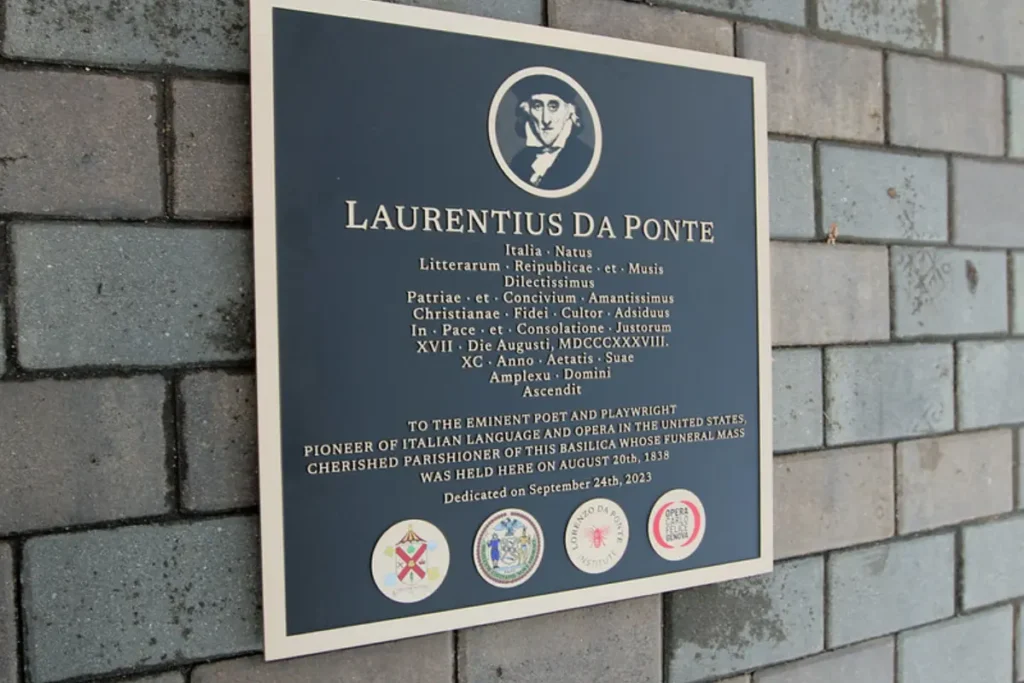
Bronze earns the top row of that table. It is a copper alloy poured into a mold, so raised letters and relief work stay sharp for decades instead of wearing down the way carved detail does on stone. Cemetery memorial signs and bench dedications lean on bronze plaques.
Expect the surface to shift. Outdoors, bronze reacts with air and forms a patina that darkens and sometimes turns green, depending on shade, damp, and salt. Plenty of families want that aging. For an even finish, wash it with mild soap and wax it yearly. Hard polishing strips the layer that protects the metal.
Cast memorial plaques cost more than any printed option. Across fifty years, though, commemorative plaques in bronze cost less per year than three rounds of replacement panels.
Granite and Stone Give Quiet, Low Care Permanence
Granite matches bronze for permanence but asks far less of you. It handles freezing, damp, and heat swings without cracking, which keeps it the default from Minnesota to Florida. A memorial stone needs only clean water and a soft brush. Skip pressure washers and household cleaner, which wear the surface faster than weather.
Contrast is the only upkeep item worth planning. Sandblasted letters are filled with paint, and that paint dulls after a decade of direct sun. Repainting brings the words back without touching the stone.
Some projects want stone and metal together. Engraved plaques set on a granite backer take the best of each, and most cemeteries approve that pairing, which saves an approval round on memorial signs bound for a lawn section.
Aluminum and Composite Panels Give the Best Printed Value
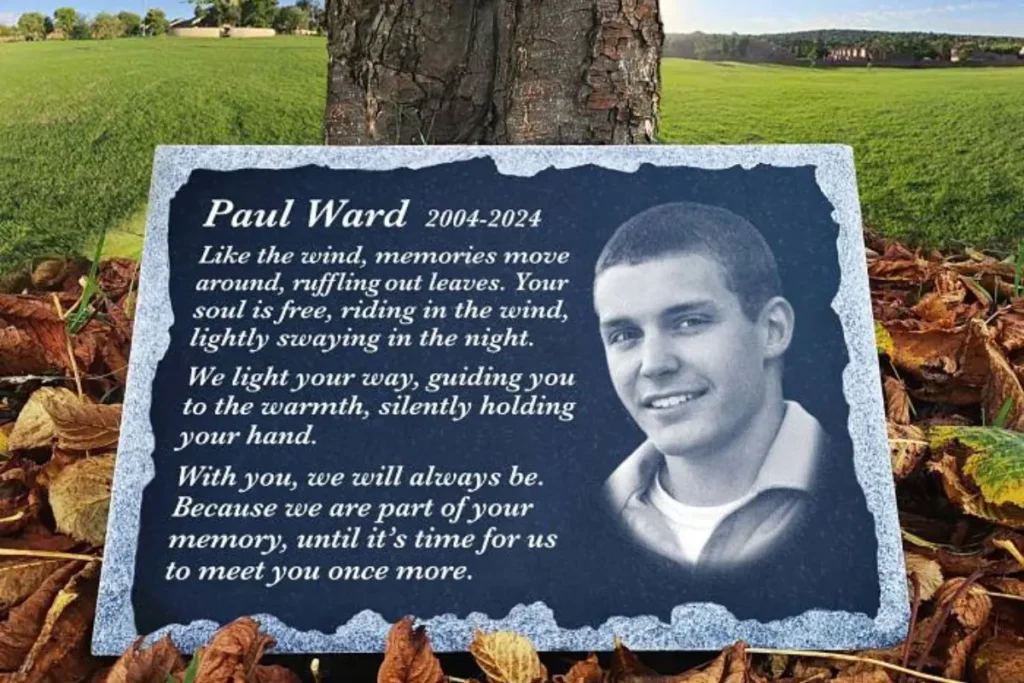
Not every tribute needs a fifty-year life. Memory gardens, scholarship walls, and dedication trails need dignified panels at a price a committee approves. This is where custom aluminum signs earn their place. The metal will not rust, weighs little, and takes UV printing cleanly.
The panel always outlives the print. Bare printed aluminum holds color for three to five years outside. A clear laminate stretches that to eight. Aluminum composite, two thin skins bonded to a plastic core, resists warping better than solid sheet and often runs a decade. Ask for UV lamination on anything facing south or west.
Printed metal plaques also carry full color portraits and long inscriptions that casting cannot match at a fair price, which suits outdoor memorial signs at parks and schools.
Materials That Fail Outdoors
Wood swells, splits, and greys within two to five seasons, sealed or not. Marble blurs under acid rain and belongs under cover. Standard acrylic yellows and cracks at the edges unless it is UV stable grade. Uncoated steel rusts and streaks whatever it is bolted to. Corrugated plastic suits a service, never a permanent spot.
The fault is rarely the material by itself. It is a mismatch. A panel rated for a covered entry will not hold up as outdoor plaques in an open field. Our guide to laminating prints explains how one clear layer buys those extra years.
Five Install Details That Decide How Long a Sign Lasts
- Use stainless or matching metal screws. Mixed metals react in damp air, loosening the fixing and streaking the face.
- Leave room to move. Memorial signs over four feet wide need slotted holes, so the material expands in heat instead of buckling.
- Keep it clear of wet soil. Ground contact draws damp upward and stains the base, so a plinth, post, or standoff mount adds years to any memorial signage.
- Design for real viewing distance. Contrast, letter spacing, and cap height matter more than the typeface. A pass through professional layout and design stops inscriptions that vanish at ten feet.
- Name who cleans it. A memorial plaque with no cleaning plan looks neglected inside five years.
Install shortcuts sink more custom plaques than the wrong panel ever does, so settle the hardware before anything goes to press.
Three Questions That Settle the Choice
- How long should it stand? Under two years points to printed panels. Ten years points to composite aluminum. Permanent points to bronze or granite.
- Who has to approve it? Cemeteries, homeowners associations, parks departments, and universities publish written rules. Get a copy before production.
- Who will maintain it? Bronze rewards attention. Granite and stainless forgive neglect. Answer that one honestly.
Families arranging memorial signs outdoors for a service usually need short term pieces too. Custom yard signs handle parking and direction on the day, while the permanent marker handles the decades. The two answer different lifespans, and knowing which you are buying keeps a budget honest. Well specified memorial markers repay the planning.
Frequently Asked Questions
What is the most durable material for memorial plaques outdoors?
Cast bronze on a granite base. Bronze plaques shrug off cracking, impact, and sun damage, and cemeteries approve them almost everywhere. Granite alone lasts as long and needs less attention when raised lettering is not wanted.
Do bronze markers really turn green?
Yes, and it is normal. Bronze forms a patina running from deep brown to green depending on damp and salt in the air. That is surface chemistry, not damage. Gentle washing and yearly wax keep the tone even.
Are aluminum signs a sensible choice for a memorial?
They are for memorial signs with a five to ten year horizon or where a full-color photo matters. Choose a composite panel over a thin sheet and add a UV laminate. Printed metal plaques hold photo detail well, as our guide to aluminum sign durability explains, though stone stays the better call for a grave marker.
How much do outdoor plaques cost?
Price turns on size, casting versus printing, and mounting. Engraved plaques on stone sit in the middle, printed panels sit lowest, and cast commemorative plaques carry the highest upfront figure with the lowest cost per year. Sizing moves a quote on outdoor signs more than buyers expect.
Can a memorial stone be added to an existing marker later?
Often, yes. Many cemeteries allow a companion memorial plaque or a date scroll on a foundation already set. Check with the office first, since base size and setting rules apply.
To Sum Up
There is no single best material, only the right match between site, timeline, and upkeep. For a permanent grave or building dedication, cast bronze on granite remains the proven answer. For a garden or trail tribute meant to last a decade, laminated composite aluminum gives more readable years per dollar. Custom plaques of every material still depend on the fixings and the layout.
Then stop guessing and get real numbers. Send your sizes, your wording, and a photo of the site to Laguna Digital and ask for a printed proof before production. That proof is your last free chance to catch a misspelled name or a line nobody can read from the path. Outdoor memorial signs and permanent memorial signage deserve that check, and so does the person being honored.