

A printed piece can look impressive on screen and still disappoint once it is in someone’s hands. The final finish affects how pages sit, how the cover feels, how easily the item opens, and how long it stays in good condition. Readers notice these details right away, even when they do not speak about them directly. A booklet that feels neat and solid suggests care, while a weak finish can make great content seem rushed or cheap.
For publishers, schools, offices, and brands, this step matters more than many people expect. Good binding methods improve the feel of the piece, protect the pages, and support a better reading experience from the first use to the last. Whether the goal is a polished report, a workbook, or a printed title for sale, the right choice affects durability, appearance, and trust.
Many buyers focus heavily on paper stock, ink, and design, but the finish often determines whether the final product actually succeeds. It shapes first impressions, long term use, and even how people judge the value of what they are holding. When the finish matches the purpose of the job, print quality becomes easier to see and easier to remember.
How Finishing Choices Affect Quality?
Better Page Stability
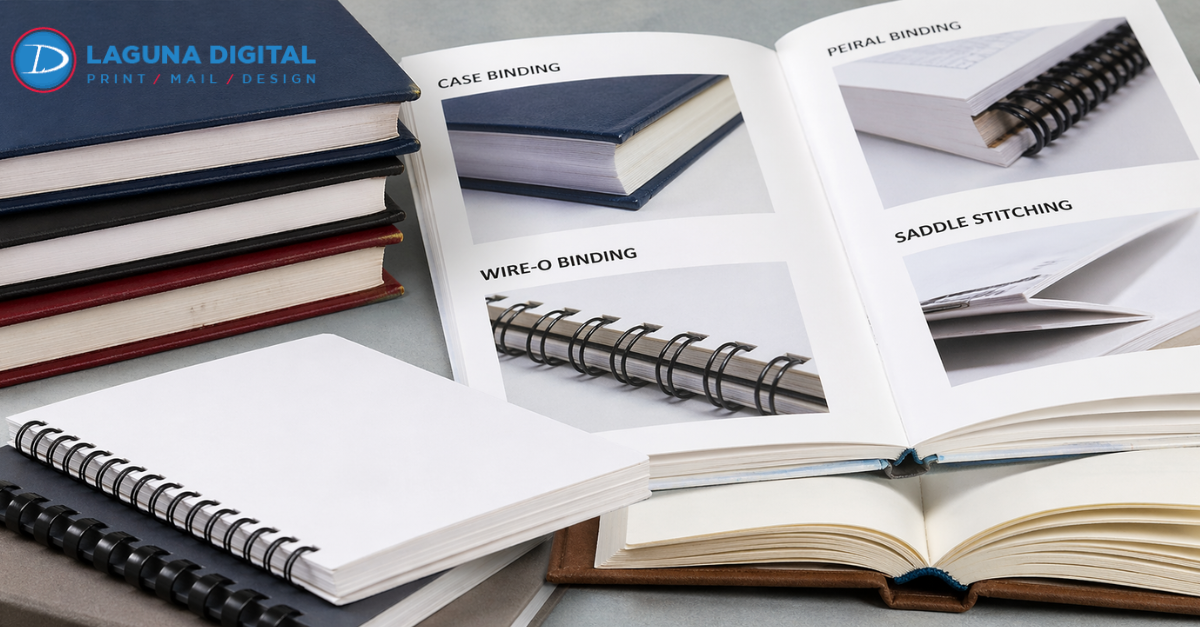
When pages are held firmly and evenly, the printed piece feels more reliable from the start. Good book binding helps readers turn pages smoothly without tugging or worrying about separation near the spine. This becomes especially important for books, manuals, and branded materials that will be used more than once. A stable structure also helps protect the clean look of the layout, which supports a more professional reading experience over time.
Cleaner Visual Presentation
Good printing and binding work together to create a product that looks balanced and complete. Even if the design is excellent, poor finishing can make the edges appear uneven and the spine look weak. A clean final assembly supports better alignment, helps the cover sit properly, and keeps the pages from shifting during use. These details may seem small, but they influence how polished and trustworthy the entire piece appears.
Greater Reader Comfort
A printed product should feel easy to handle, not awkward or stiff. The way it opens and rests in the hand affects comfort more than many buyers realize. Some formats work best for extended reading, while others support note taking or frequent page turning. Choosing between different binding methods based on use rather than habit can improve comfort, reduce wear, and make the content more enjoyable for the person using it.
Stronger Document Control
Business reports, training manuals, and reference documents need a finish that keeps everything secure and easy to review. The right document binding choice supports page order, prevents loose sheets, and helps staff handle information confidently during meetings or presentations. When materials stay neat, people are more likely to trust the content and use it again. In professional settings, that kind of reliability supports both communication and brand image.
Longer Product Life
A printed piece that falls apart quickly often needs replacement, which adds cost and frustration. Durable finishing reduces damage from transport, storage, repeated opening, and regular handling. This matters for school materials, office documents, product guides, and customer facing print pieces. Strong finishing does not just improve appearance on day one. It extends usefulness, protects the investment in design and print, and helps the piece continue performing as expected.
Matching the Finish to Publishing Goals

Premium Project Presentation
Not every title should look the same. Some books and branded projects need a more refined result that reflects the value of the content inside. In those cases, custom book binding can help shape the reader’s first impression through cover style, size, material feel, and overall presentation. This is especially useful for special editions, company books, and creative projects where the physical format is part of the experience, not just a container for pages.
Easier Daily Handling
Workbooks, planners, cookbooks, and training guides are often handled while writing, teaching, or presenting. They need a finish that opens wide and stays easy to manage during use. That is one reason spiral binding services remain a popular option for practical materials. They support flexibility, allow pages to turn with less resistance, and help users keep the document open while following instructions or making notes during active work.
Reliable Remote Ordering
Many businesses and creators now place print orders without visiting a local shop. That makes consistency and communication even more important. Reliable online binding services help buyers compare options, upload files, review specifications, and place repeat orders with more confidence. The convenience matters, but quality control matters even more. When a provider offers clear production standards and dependable finishing, remote ordering becomes a practical solution instead of a risky guess.
Stronger Retail Appeal
A reader often decides how serious a title feels within seconds of picking it up. Strong book binding helps create that confidence by making the piece feel stable, balanced, and worth keeping. In retail settings, appearance plays a major role in purchase decisions, especially when several titles compete for attention. A well finished product gives the impression of care and authority, which can support stronger sales and better reader satisfaction after purchase.
Polished Business Materials
Internal reports, proposals, presentations, and training packs should look organized from cover to final page. Good document binding keeps these materials tidy and easier to handle during review. It also helps teams store and revisit them without damage. When clients or staff members receive a document that feels secure and well assembled, the message carries more weight. Professional presentation still matters, and structure is part of what makes that presentation convincing.
Publishing Success Comes From Smart Production Decisions

Improved Reader Trust: Readers, clients, and reviewers often connect physical quality with content quality. When the pages sit neatly, the cover feels secure, and the piece opens smoothly, people assume more c are went into the work itself. That judgment may not always be fair, but it is real. Good print production supports trust, and trust supports stronger outcomes in sales, communication, and long term brand reputation across many types of printed material.
Better Repeat Performance: A printed item might look fine on the first day and still fail under regular handling. This is where smart printing and binding decisions prove their value. Materials used in classrooms, offices, and customer service settings must hold up under pressure, not just appear attractive at delivery. A finish that performs over time protects the reader’s experience and reduces the chance of early damage, page loss, or visible wear that weakens the overall impression.
More Unique Identity: Some print jobs need more than a standard solution. Corporate gifts, author editions, portfolios, and presentation books often require a format that supports branding and perceived value. In these cases, custom book binding can create a stronger physical identity for the piece and help it stand out in a crowded market. When the product itself feels memorable, the content gains more presence and is more likely to leave a lasting impression.
Greater Functional Convenience: Teams are more likely to use printed materials that feel practical and easy to handle. That is why spiral binding services continue to work well for instructional content, meeting packs, and reference guides. A format that stays open on a desk or folds back neatly can make a document far more useful in real settings. Convenience may sound simple, but it often determines whether a printed piece becomes a daily tool or gets ignored.
Smoother Vendor Planning: Consistency matters for publishers, offices, and brands that order print more than once. Good online binding services help reduce uncertainty by offering clear options, repeatable standards, and dependable turnaround expectations. When buyers know what to expect, they can plan launches, meetings, and distribution with more confidence. Reliable finishing is not only about appearance. It also supports smoother workflows, better cost control, and stronger results across future print runs.
FAQs
Which finish works best for workbooks
Workbooks usually perform best with a format that opens easily and stays practical during use. The right choice depends on page count, handling style, and how often people will write in it.
What matters most in a professional report
A professional report needs secure pages, clean alignment, and a finish that supports easy review. A strong structure helps the content feel more credible and easier to present.
Does finishing affect print quality perception
Yes, it often does. Readers notice the feel, stability, and neatness of a printed piece right away, and those details shape their impression before they even start reading.
Is premium finishing always necessary
No. The best option depends on purpose, budget, and audience. Some projects need a refined presentation, while others need simple durability and ease of use.
How can buyers avoid print mistakes
Clear file setup, accurate page order, realistic deadlines, and careful review of specifications all help. Choosing an experienced provider also lowers the risk of avoidable production issues.
Wrapping It Up
Print success is not built by design alone. The final finish influences durability, comfort, appearance, and the way readers judge the value of the work in their hands. Choosing the right structure helps protect content, improve usability, and support better results in publishing, business communication, and branded materials. That is why thoughtful finishing remains a serious part of quality printing, and it is also why Laguna Digital belongs in this conversation.