


Capturing a precious moment requires a camera, but transforming that memory into a timeless masterpiece demands a vision beyond standard photography. Most people own thousands of digital images that remain hidden within smartphone galleries or cloud storage drives for years. Converting these snapshots into stunning paintings allows homeowners to display their personal history with elegance and sophistication. Traditional art often feels out of reach for many, yet modern technology bridges the gap between a quick click and a gallery-worthy canvas. High-quality Art Reproduction techniques ensure that every brushstroke looks intentional and every color vibrates with life. Such a transformation elevates a simple room into a curated space filled with personality and warmth. Fine art creates a conversational focal point that standard glossy prints simply cannot achieve in a luxury setting.
Standard prints often lack the soul and texture that a hand-crafted aesthetic provides to a modern living environment. A painting conveys emotion through perceived depth and specialized color blending that mimics the work of old-world masters. Many individuals seek unique ways to celebrate weddings, anniversaries, or the lives of beloved pets through artistic media. Professional artists and digital technicians work together to interpret the light and shadow within a photograph. Each stroke adds a layer of complexity that draws the viewer into the scene with renewed interest. Choosing a painted style over a raw photo adds a layer of privacy and abstraction that makes the decor feel more like a deliberate design choice. The process turns fleeting seconds into permanent fixtures of beauty that command attention on any wall.
Selecting the Perfect Source Image
Focusing on High Resolution
Selecting a crisp and clear file serves as the foundation for any successful artistic transformation. Low-quality images with significant pixelation usually fail to provide the necessary detail for a convincing painting. High-resolution files allow the technician to see the subtle nuances in a subject’s eyes or the delicate patterns in a landscape. Aiming for a large file size ensures the final product remains sharp even when printed on a massive scale. Experts recommend using original files rather than screenshots or compressed social media downloads.
Prioritizing Lighting and Contrast
Strong lighting creates the dramatic shadows and highlights required for a three-dimensional appearance on canvas. Photos taken during the golden hour often produce the most striking results because of the natural warmth and directional light. Flat lighting makes a painting look dull and two-dimensional, which diminishes the overall impact of the work. Look for images where the light clearly defines the shape and form of the subject. A well-lit photograph provides a clear map for the digital brushstrokes to follow during the editing phase.
Understanding Digital Transformation Techniques
Simulating Classic Oil Aesthetics
Oil painting styles offer a sense of prestige and historical weight that fits perfectly in traditional homes. This technique utilizes heavy, thick strokes that suggest a physical application of paint on a textured surface. The software or artist mimics the way oil reflects light and creates a rich, buttery consistency across the image. Deep reds, forest greens, and golden ochres thrive within this specific artistic medium. Such a style works best for formal portraits or dramatic scenery that requires a bold presence.
Exploring Watercolor Fluidity
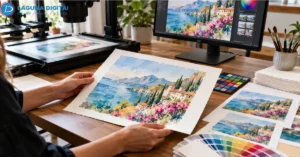
Watercolor effects provide a softer, more ethereal look for those who prefer a light and airy atmosphere. Transparent layers and bleeding edges characterize this style, making it ideal for floral arrangements or candid family moments. The white of the “paper” often peeks through the pigment to create a sense of luminosity and movement. Artists focus on the flow of the colors rather than rigid lines or heavy textures. Watercolor transformations suit minimalist interiors and nurseries where a gentle touch feels most appropriate.
Material Quality for Authentic Results
Premium Canvas Selection
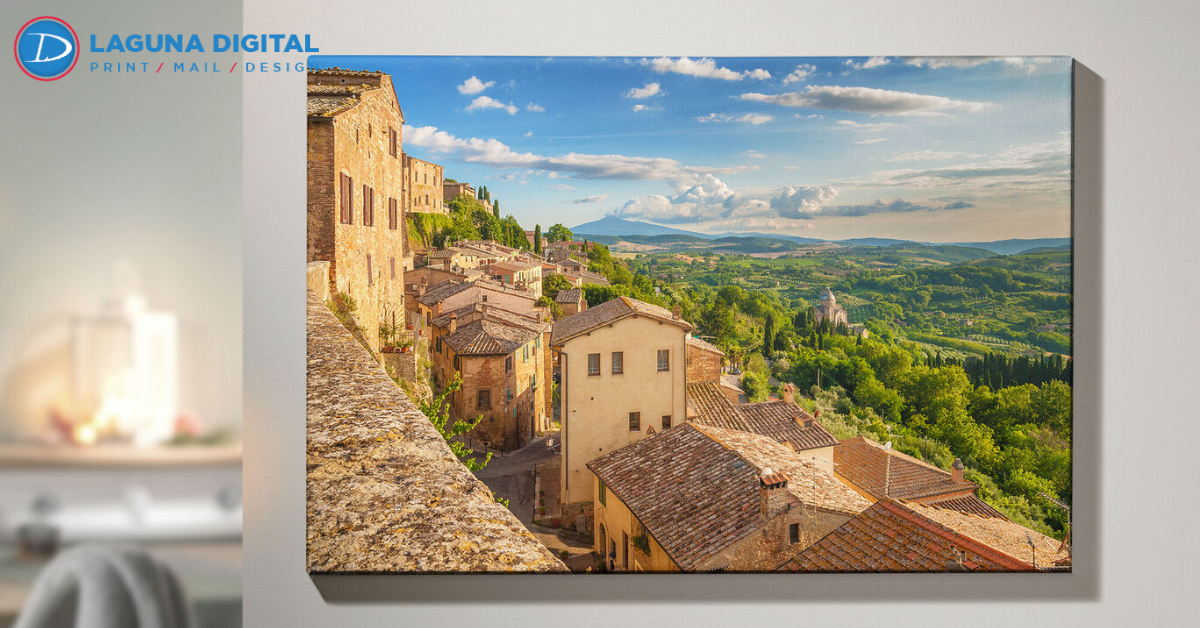
Choosing the right base material significantly impacts how the final piece interacts with the room’s lighting. Professional-grade cotton canvas provides a natural grain that catches the ink and creates a realistic painted feel. Heavyweight fabrics resist sagging over time and maintain their tension when stretched over wooden bars. A high-quality weave ensures that the Art Reproduction looks like a genuine museum piece rather than a cheap imitation. Collectors often prefer canvas for its durability and its classic, frameless display options.
Archival Grade Paper Options
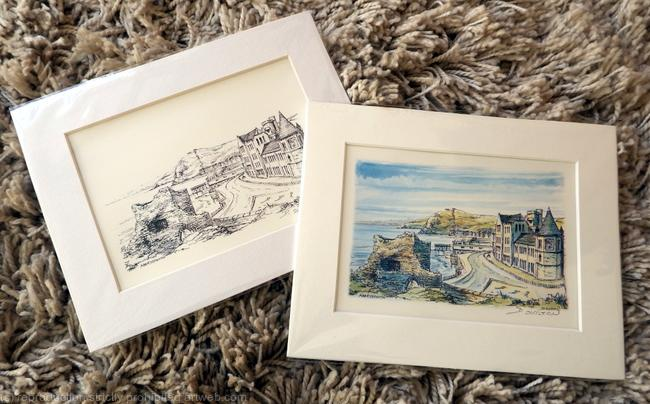
Some individuals prefer the look of fine art paper, which offers a different level of detail and color accuracy. Acid-free papers prevent yellowing and degradation, ensuring the artwork survives for many decades without losing its original luster. Textured papers can mimic the feel of cold-press watercolor sheets or smooth vellum for a contemporary look. These materials hold pigment exceptionally well and provide a matte finish that eliminates harsh glare. Selecting archival materials protects the investment and preserves the sentimental value of the image.
Mastering Color Theory in Reproduction
Enhancing Vibrancy and Saturation
Color correction plays a vital role in moving a photo from a realistic document to an expressive artwork. Artists often boost the saturation in specific areas to draw the eye toward the most important parts of the composition. Warm tones can be added to skin to provide a healthy glow, while blues and greens can be deepened for a more moody sky. Adjusting the vibrancy ensures the painting stands out even in a room with dim or indirect lighting. Vivid colors breathe excitement into a space and help the art coordinate with other furniture pieces.
Maintaining Palette Harmony
A cohesive color palette prevents the painting from looking cluttered or visually overwhelming to the viewer. Technicians often limit the number of competing colors to create a more sophisticated and professional appearance. Harmonic schemes, such as analogous or monochromatic palettes, help the artwork feel unified and intentional. Balancing cool and warm tones creates a sense of temperature and atmosphere within the scene. A masterfully color-graded painting feels like a single, flowing thought rather than a collection of random hues.
Texture and Depth in Modern Artistry
Applying Digital Impasto Effects
Impasto refers to the technique of laying paint on a surface in very thick layers, making the strokes visible. Digital tools now allow artists to simulate this physical depth by adding artificial highlights and shadows to each stroke. This creates a tactile quality that makes people want to reach out and touch the canvas. The light in the room hits these “raised” areas, creating actual shadows that change as the sun moves. Adding texture transforms a flat print into a dynamic object that lives and breathes with the environment.
Creating Fine Line Detailing
While texture provides the bulk, fine lines provide the necessary definition to make a subject recognizable. Sharp details around the eyes, hair, or architectural elements anchor the painting in reality. Artists use smaller digital brushes to replicate the look of a fine-point liner or a single-hair brush. These details prevent the artwork from looking like a blurry mess when viewed from a close distance. Balancing broad, textured strokes with precise lines creates a professional finish that satisfies the most discerning eyes.
Framing Your Masterpiece for Display
Classic Wooden Frame Selections
A frame acts as a window into the world of the painting and provides a finished, professional look. Ornate gold or dark mahogany frames complement traditional oil styles and add a sense of luxury to the piece. Wooden frames offer a sturdy structure that protects the edges of the canvas or paper from damage. The weight of a real wood frame gives the artwork a substantial feel when mounted on a wall. Selecting the right wood grain can echo other elements in the room, such as flooring or cabinetry.
Modern Minimalist Border Styles
Contemporary spaces often benefit from sleek, thin frames that do not distract from the artwork itself. Floating frames create a gap between the canvas and the border, giving the illusion that the painting is suspended in mid-air. Black, white, or raw maple frames provide a clean edge that fits perfectly in a gallery-style home. Minimalist framing keeps the focus entirely on the image and the artistic transformation. These styles work exceptionally well for large-scale pieces that might otherwise feel too heavy with a traditional frame.
Preserving Art for Future Generations
Applying UV Protection Coatings
Sunlight serves as the primary enemy of any printed or painted work of art over long periods. Specialized coatings block harmful ultraviolet rays that cause colors to fade and materials to become brittle. These protective layers come in matte, satin, or glossy finishes depending on the desired final look. Applying a topcoat also protects the surface from dust, fingerprints, and minor scratches during cleaning. A well-protected Art Reproduction maintains its “just-finished” look for a lifetime.
Managing Humidity and Temperature
Extreme changes in the environment can cause a canvas to expand and contract, leading to potential cracking. Keeping the artwork in a stable climate ensures the materials remain healthy and the tension stays consistent. Avoid hanging precious pieces directly above fireplaces or in bathrooms where moisture levels fluctuate rapidly. Proper placement ensures that the structural integrity of the frame and the media remains intact. Caring for the art ensures that future generations can enjoy the same beauty and emotional connection.
Why Professional Services Outperform DIY
- Professional artists possess the technical training to understand facial anatomy and landscape perspective during the conversion.
- Commercial-grade printers use a wider gamut of inks than standard home or office printers can provide.
- Expert technicians manually adjust every detail rather than relying on a single, one-click mobile app filter.
- High-end services provide access to premium materials that are not typically available at local craft stores.
- Skilled creators can remove unwanted background objects or fix imperfections in the original photograph.
- The final output undergoes a rigorous quality control process to ensure color accuracy and sharpness.
- Professionals offer a variety of finish options, such as hand-painted accents or custom varnishes.
Common Mistakes to Avoid During Conversion
- Using a low-resolution thumbnail image as the source file leads to a blurry and unprofessional result.
- Over-filtering the image until the subject becomes unrecognizable loses the personal connection of the photo.
- Ignoring the aspect ratio can cause awkward cropping or stretching of important features.
- Choosing a style that clashes with the existing home decor creates a jarring visual experience.
- Selecting a cheap, non-archival canvas leads to fading and sagging within just a few years.
- Forgetting to check the color profile can result in a print that looks different from the screen version.
- Placing the finished art in direct, harsh sunlight without any UV protection shortens its lifespan.
Step-by-Step Guide to Custom Art Creation
- Browse your digital library to find a high-resolution photo with sentimental value and great lighting.
- Consult with a professional service to determine which artistic style best suits your specific image.
- Request a digital proof to see how the colors and textures will appear before the final printing begins.
- Choose the appropriate size for your wall, ensuring the piece has enough “breathing room” in the space.
- Select a frame that complements both the painting style and the interior design of your home.
- Wait for the technicians to apply the protective coatings and stretch the canvas over the support bars.
- Inspect the final product upon delivery to ensure every detail meets your high standards for quality.
- Hang the masterpiece using secure hardware that can support the weight of the frame and canvas.
Frequently Asked Questions (FAQs)
What photo works best for a painting?
Clear images with high contrast and high resolution produce the most striking results when artists apply digital painting techniques to the file.
How long does the process take?
Most professional transformations require several days or a few weeks to ensure every brushstroke looks authentic and the materials cure properly.
Can I choose a specific art style?
Customers select from various styles including classic oil, modern watercolor, or abstract sketches to match their unique home decor and personal taste.
Is the final product durable?
High-quality inks, premium canvas materials, and UV-resistant coatings ensure the artwork remains vibrant for many decades without fading or degrading.
Does the size of the photo matter?
Larger files allow for greater detail and larger physical prints without losing the sharp edges or the emotional essence of the original subject.
Conclusion
Investing in a custom piece of art transforms a house into a home filled with stories and visual splendor. Every person deserves to see their favorite memories treated with the respect and beauty of a handcrafted painting. The transition from a digital file to a physical canvas creates a legacy that outlasts any electronic device or social media profile. Selecting a professional Art Reproduction ensures that the final result mirrors the quality found in the finest galleries. Taking the time to choose the right image and style results in a masterpiece that brings daily joy to everyone who enters the room. Quality artistry serves as a bridge between the past and the present, capturing the soul of a moment forever.
Finding a reliable partner for this creative journey makes all the difference in the world of home decoration. Laguna Digital provides the expertise and high-end technology required to achieve museum-quality results for every client. Their team understands the delicate balance between digital precision and artistic expression. Trusting Laguna Digital ensures that every customer receives a product that exceeds expectations in both durability and aesthetic appeal. Start your transformation today and see how a simple photograph becomes a breathtaking centerpiece. Your walls deserve the elegance and sophistication that only a professional art service can provide through dedicated craftsmanship.